factograf
EN
Sign in

genocide of around 6 million Jews by Nazi Germany, other Axis powers and local collaborators in occupied territories

The Holocaust

The Holocaust

The Holocaust, known in Hebrew as the Shoah, was the genocide of European Jews during World War II. From 1941 to 1945, Nazi Germany and its collaborators systematically murdered around six million Jews, roughly two-thirds of Europe's Jewish population. Most victims were killed by mass shootings in Eastern Europe or in poison gas chambers at extermination camps in occupied Poland. The Nazi persecution of other groups, including Romani people, Soviet prisoners of war and Polish and Soviet civilians, killed millions more, and the term is sometimes applied to those crimes as well.

Roots of the genocide

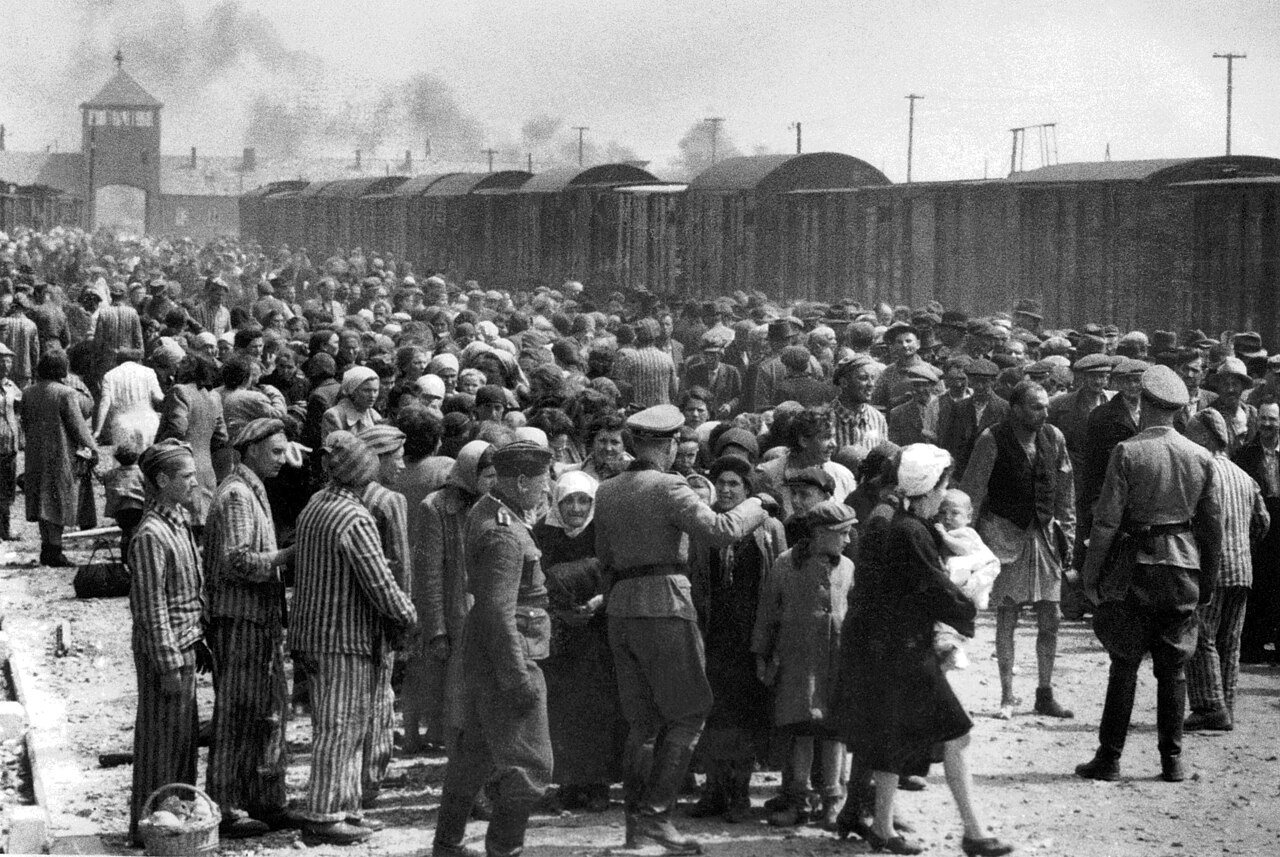
Bundesarchiv photo 183-N0827-318: arrival of Hungarian Jews at Auschwitz concentration camp
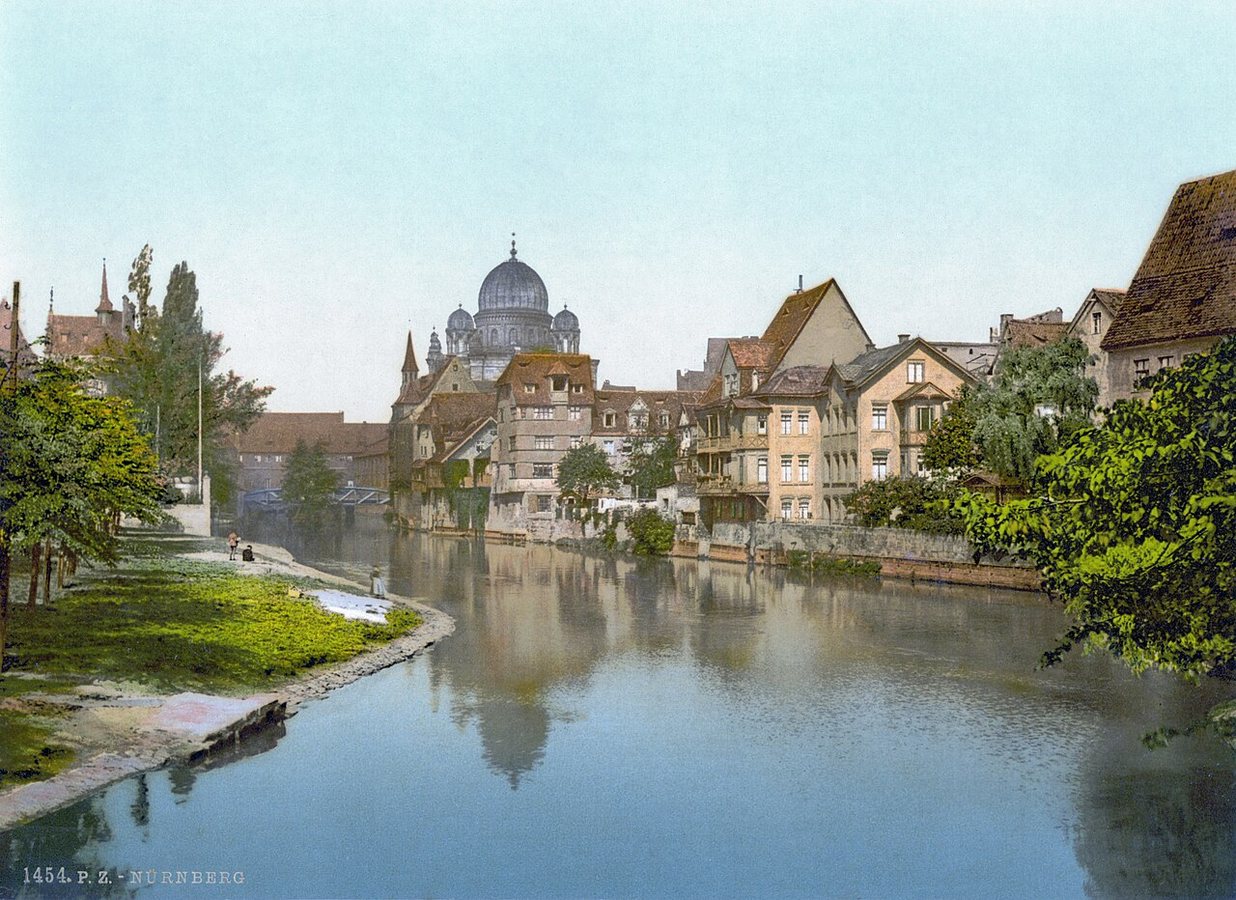
View of the Pegnitz River around 1900 with the Grand Synagogue of Nuremberg, destroyed in the November 1938 pogroms
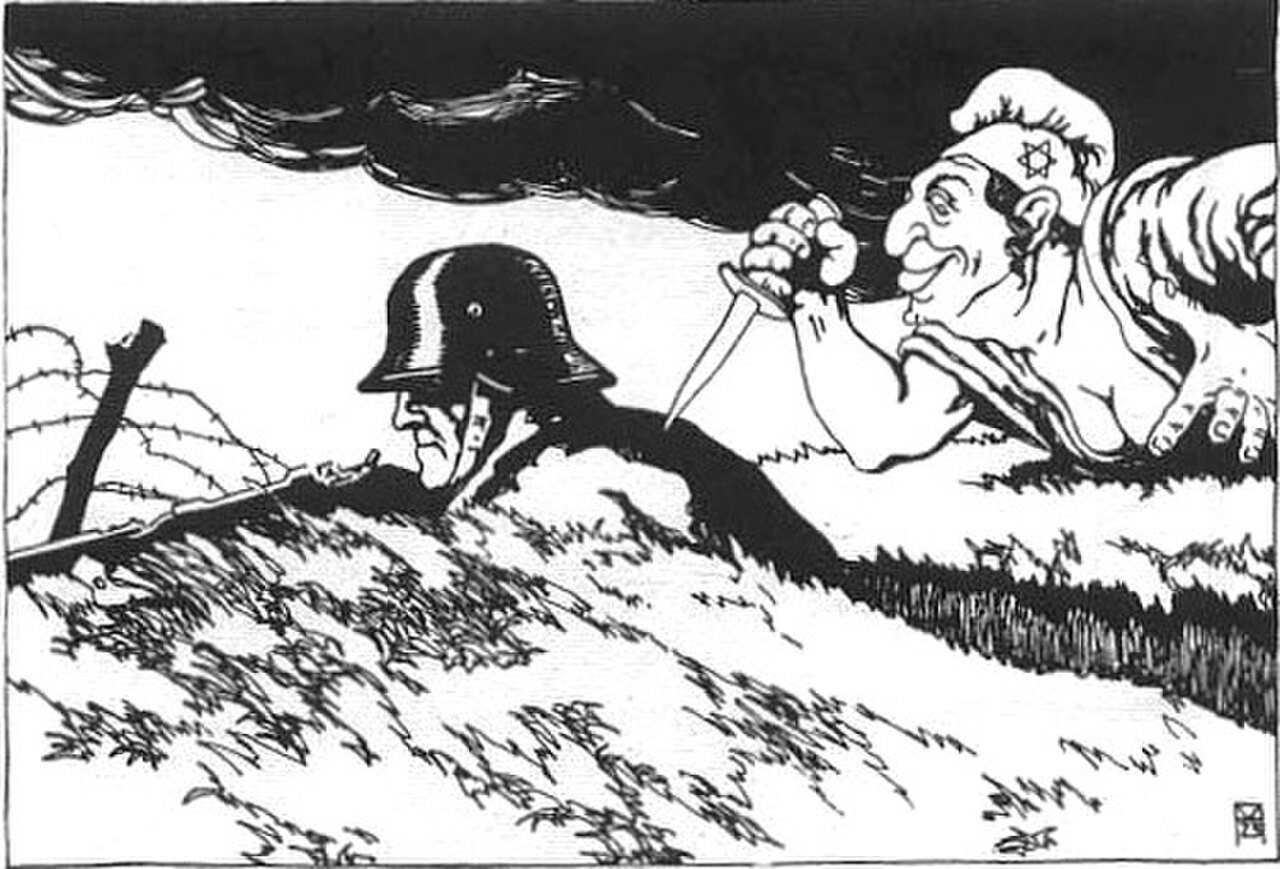
1919 Austrian postcard showing a Jew stabbing a German Army soldier in the back
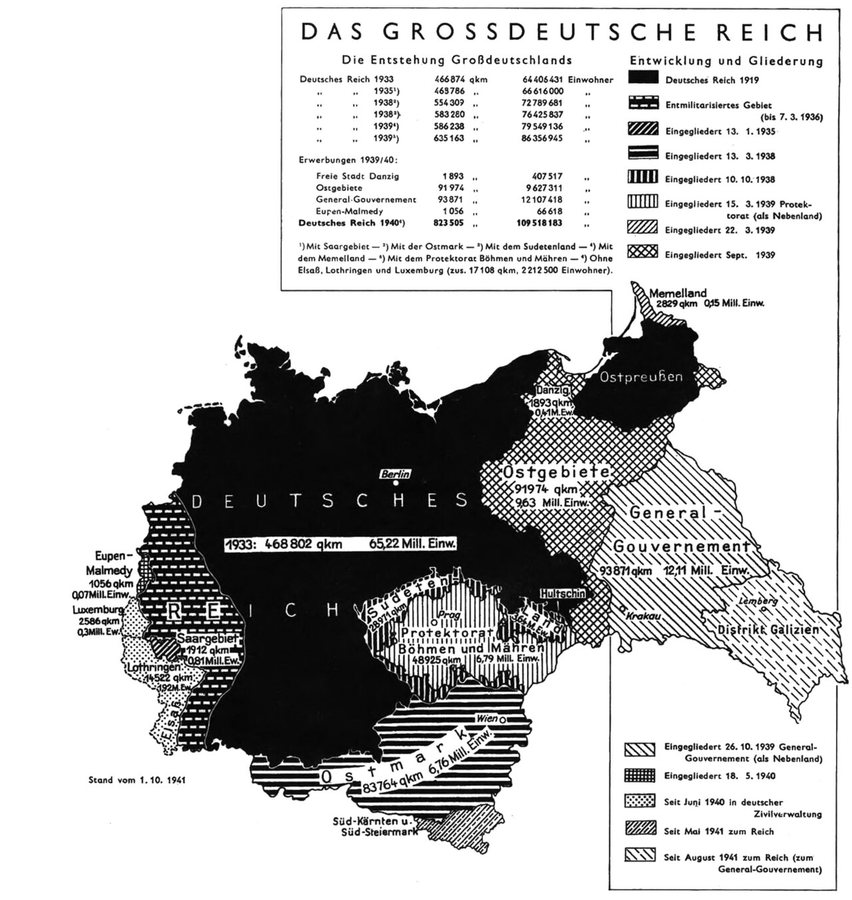
Territorial expansion of Germany from 1933 to 1941
View of the old synagogue in Aachen after its destruction during Kristallnacht
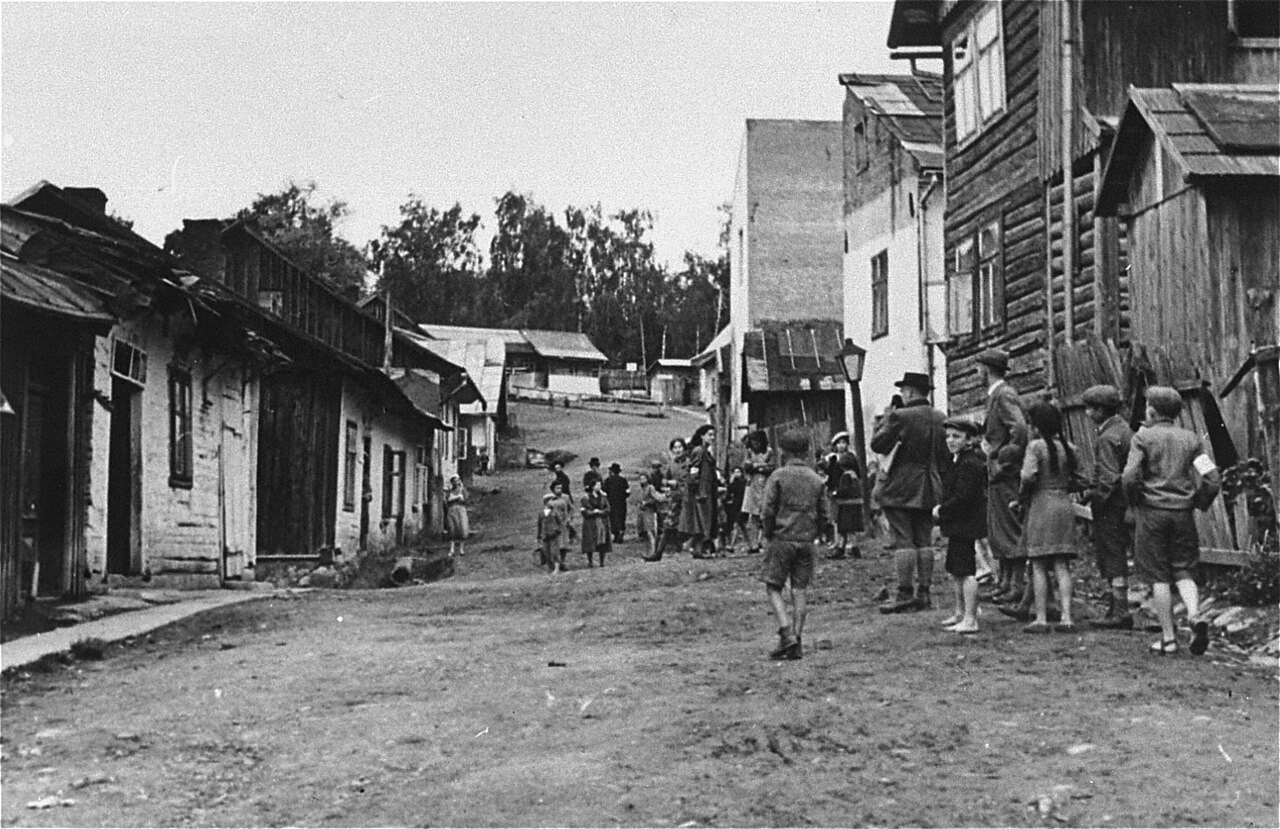
Unpaved street in the Frysztak Ghetto, Kraków District
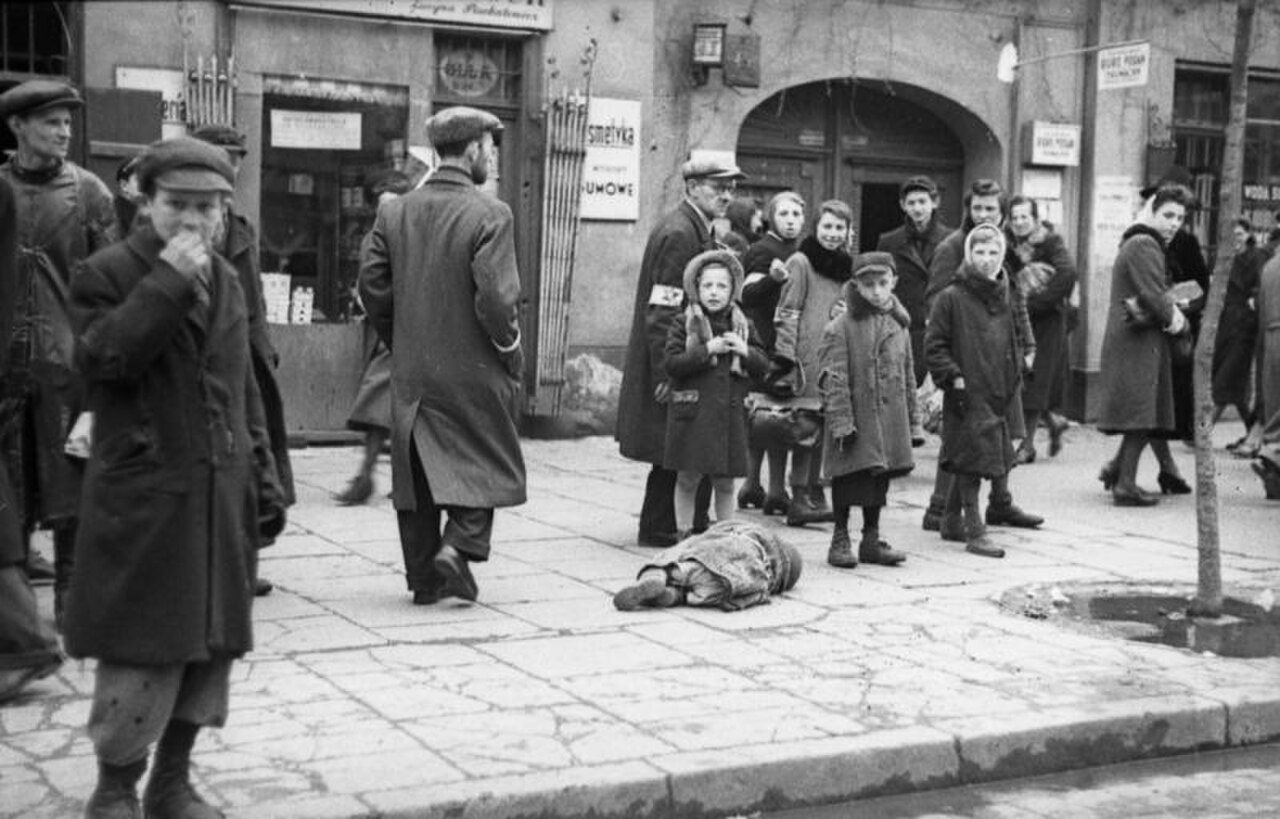
A body lying in the street of the Warsaw Ghetto in the General Government
Public execution of Masha Bruskina, a Belarusian Jew who helped Soviet prisoners escape
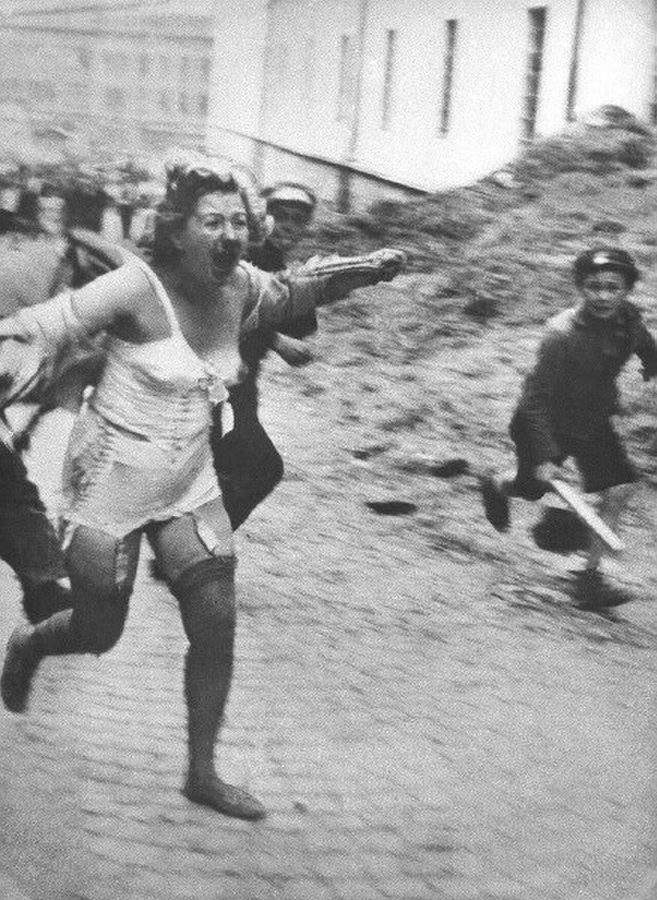
At least 3,000 Jews were killed during the 1941 Lviv pogroms, mainly by local Ukrainians
9 images

Antisemitism had a long history in Europe, rooted in Christian theology and later in nationalism and racial ideas. After Germany's defeat in World War I, many Germans blamed Jews and socialists for the loss, a claim that the Nazi Party later built into its ideology. The Nazis aimed to remove Jews from German society, first through laws, boycotts and violence, including the nationwide pogrom of November 1938 known as Kristallnacht. After the invasion of Poland in 1939, occupation authorities began confining Jews in ghettos.

Implementation of the Final Solution
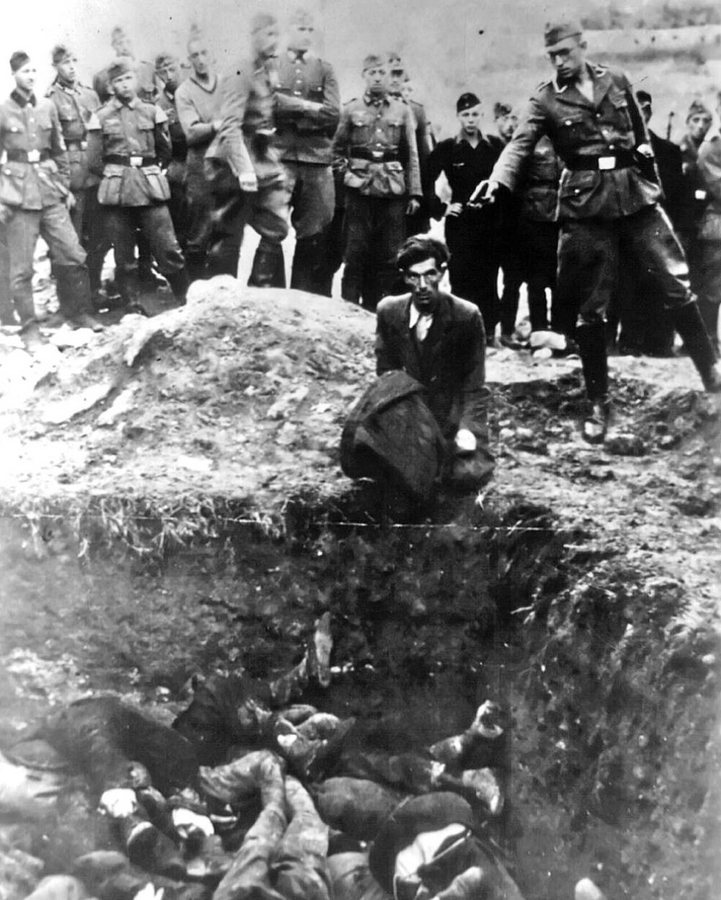
"The Last Jew in Vinnitsa": a Jewish man is shot by SS member Jakobus Onnen of Einsatzgruppe C in Berdychiv, Ukraine, July 1941
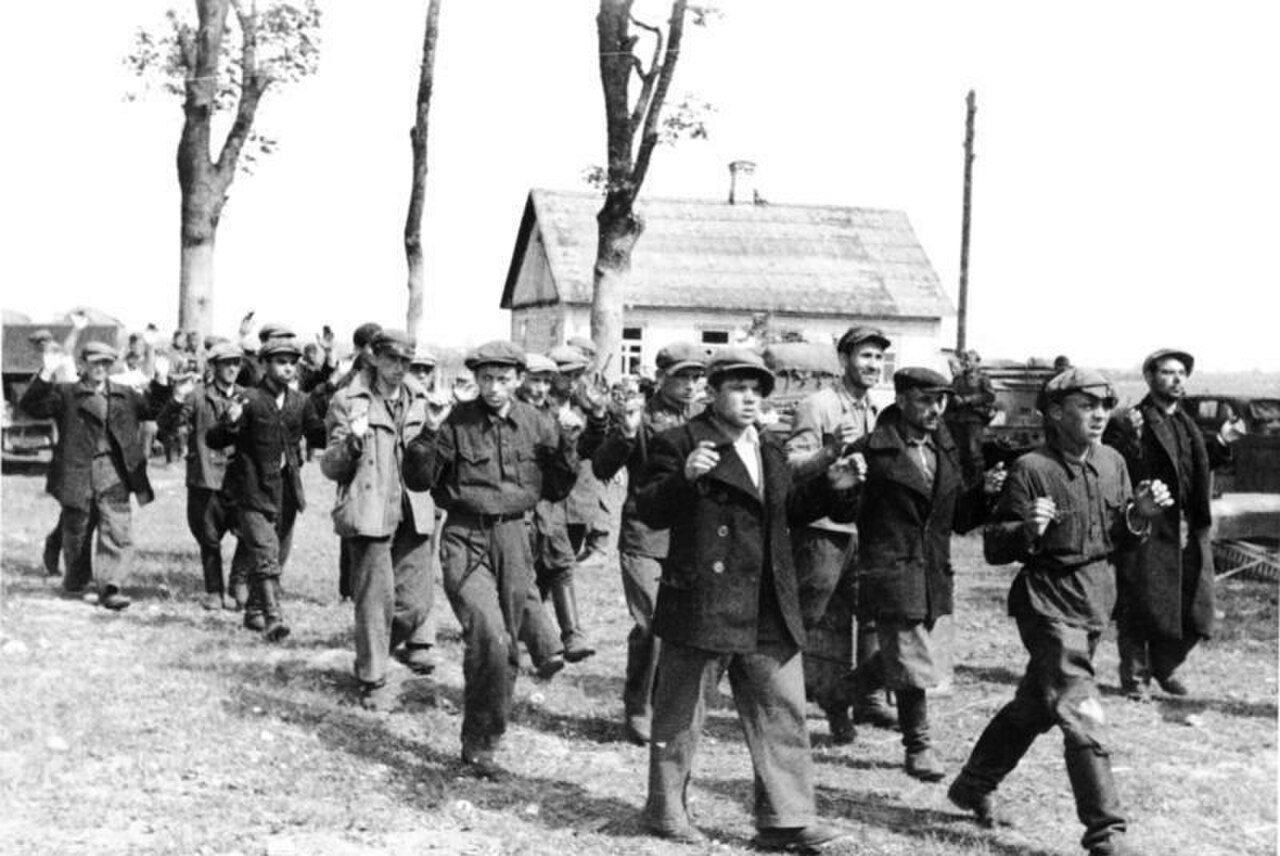
Original Nazi propaganda caption: "Too bad even for a bullet... The Jews shown here were shot at once." 28 June 1941, Rozhanka, Belarus
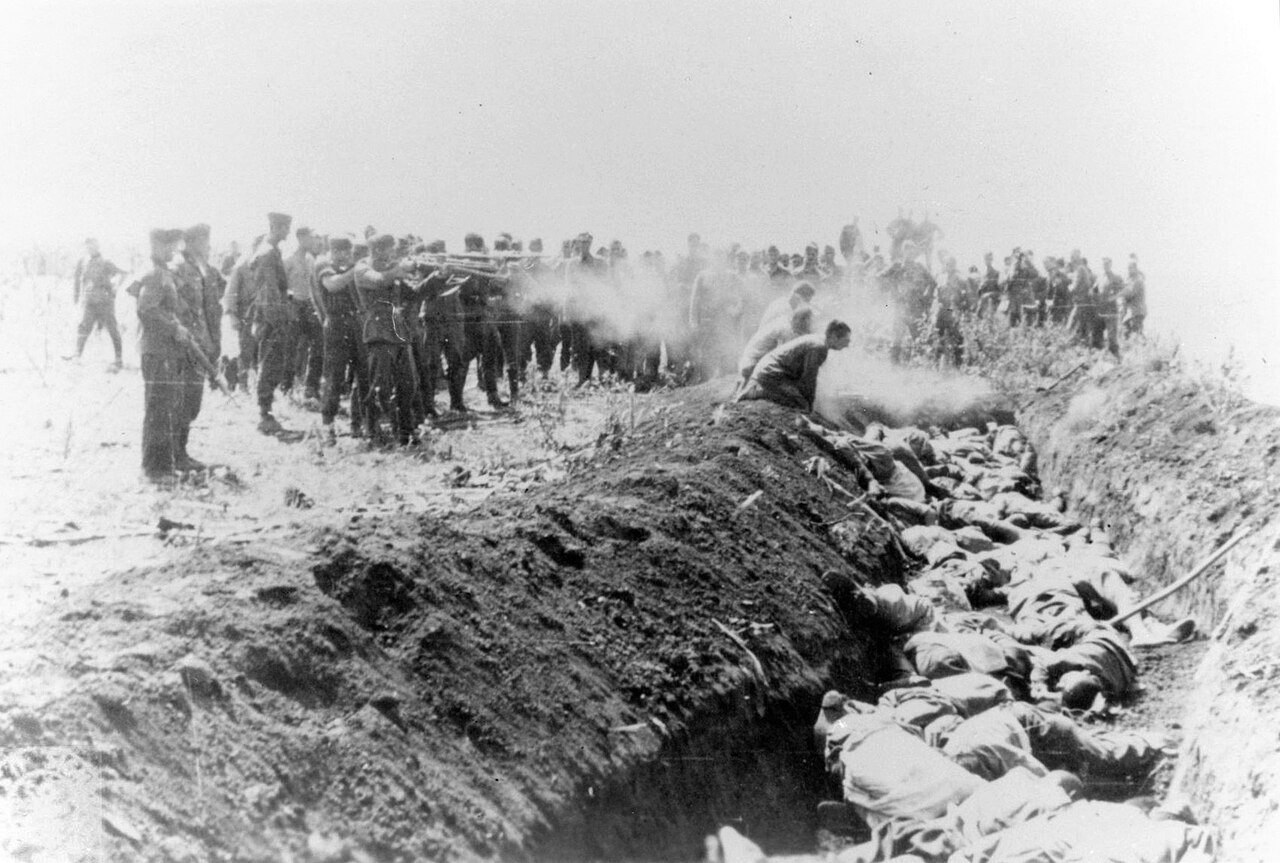
Shooting from behind became popular because killers did not have to look at their victims' faces and the dead were likely to fall into the grave
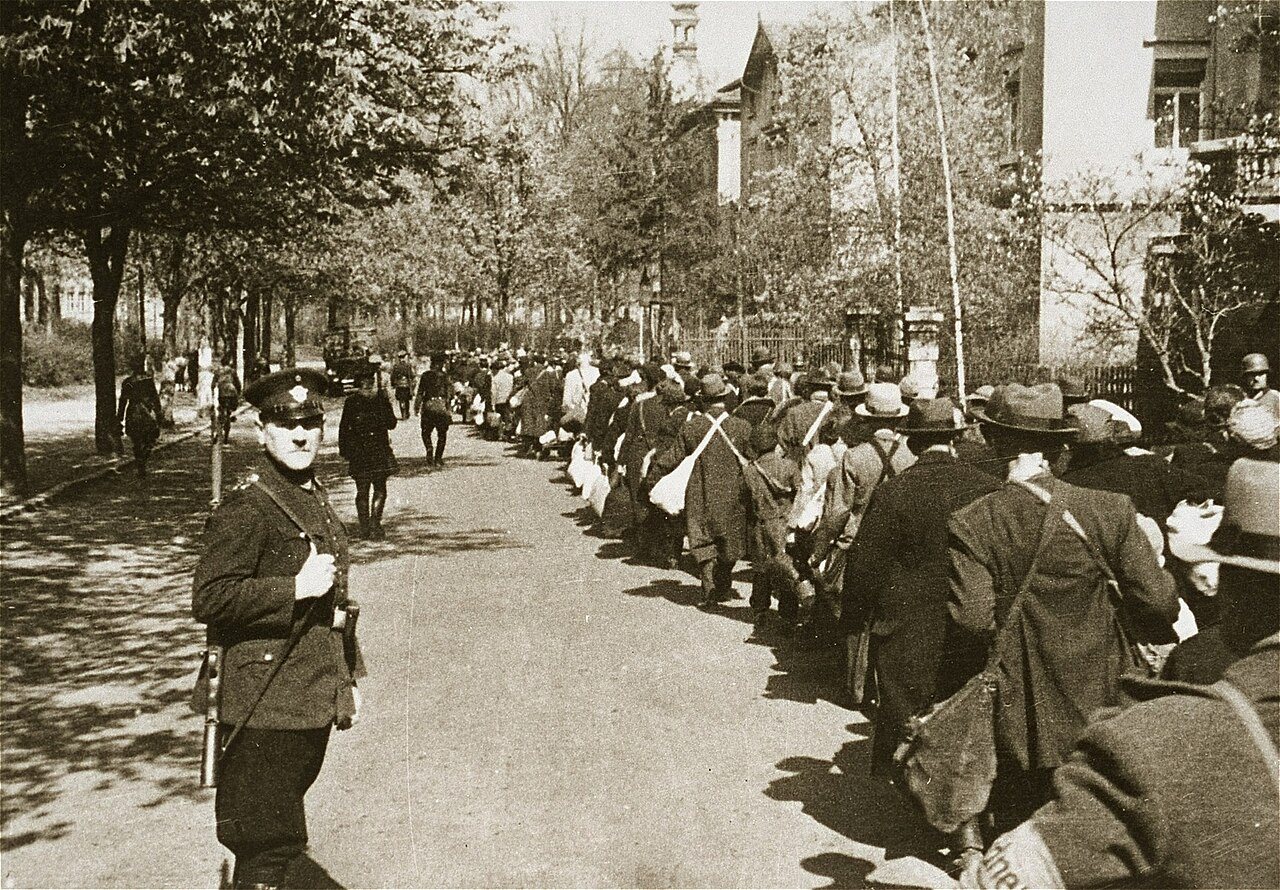
Jews deported from Würzburg, Germany, to the Lublin District of the General Government, 25 April 1942
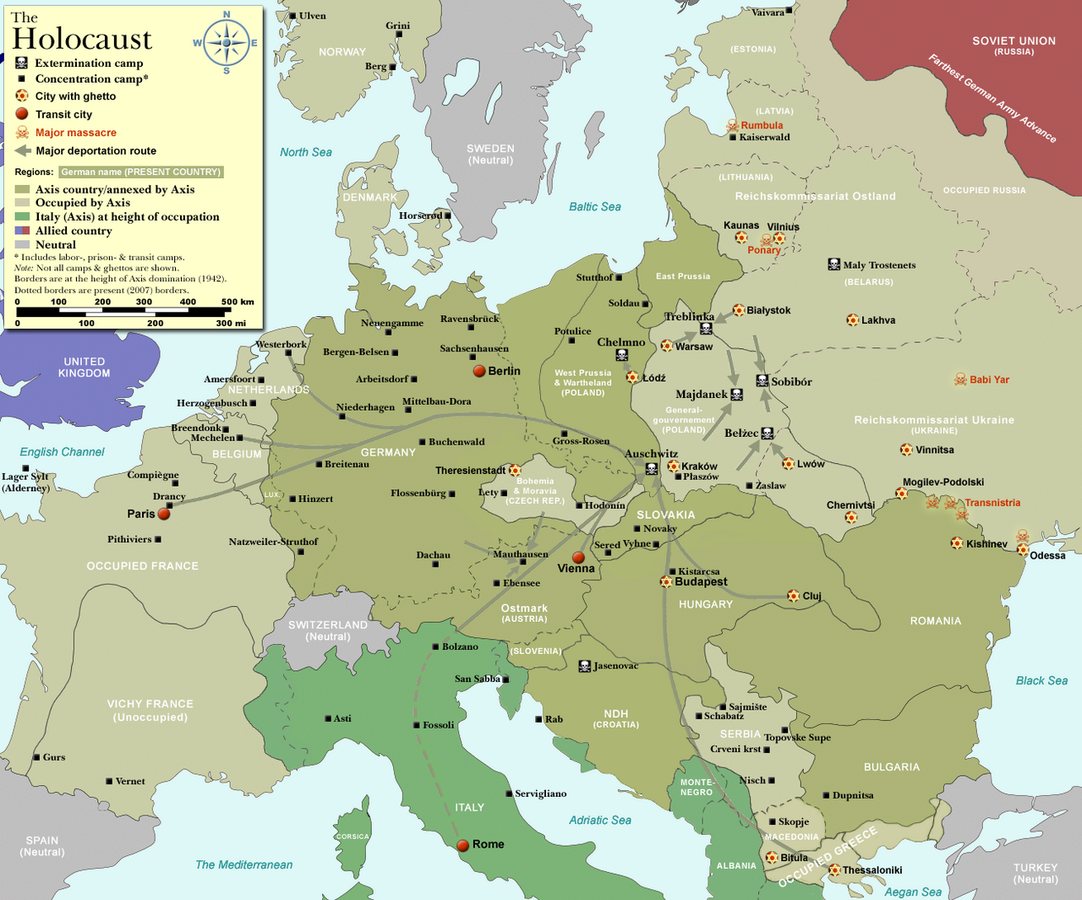
Map of the Holocaust throughout Europe
Deportation to Chełmno
Cumulative murders of Jews from the General Government at Bełżec, Sobibór and Treblinka, January 1942 to February 1943
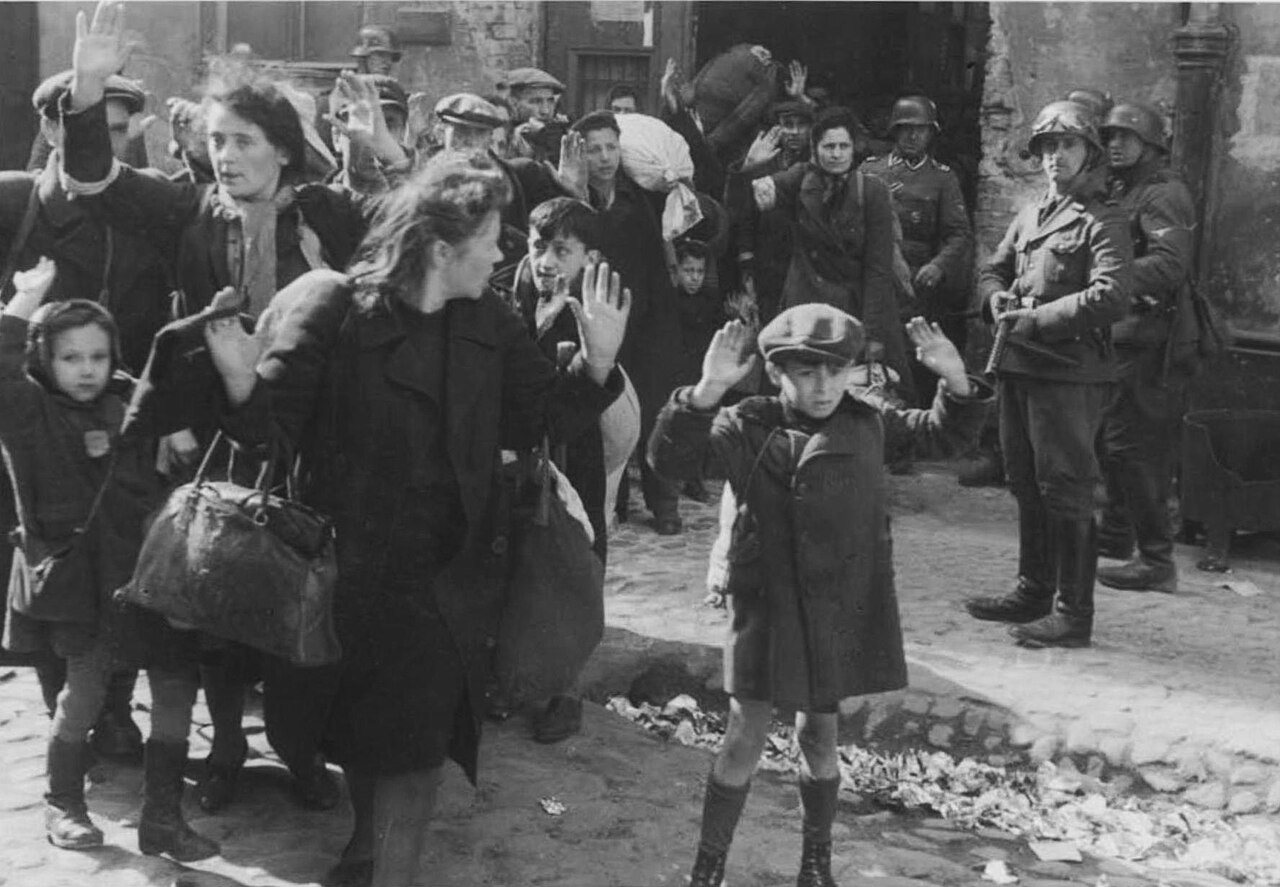
The Warsaw Ghetto Uprising became a significant symbol of Jewish resistance against the Nazis
8 images

After the invasion of the Soviet Union in June 1941, German forces and local collaborators murdered between 1.5 and 2 million Jews, initially targeting men and then women and children. By early 1942, following the Wannsee Conference, the Nazis implemented the Final Solution to murder all Jews in Europe. Victims were deported to extermination camps, while others were forced into labor camps where many died from starvation, abuse, exhaustion or medical experiments. The killing continued until the end of the war in 1945.

Legacy and remembrance
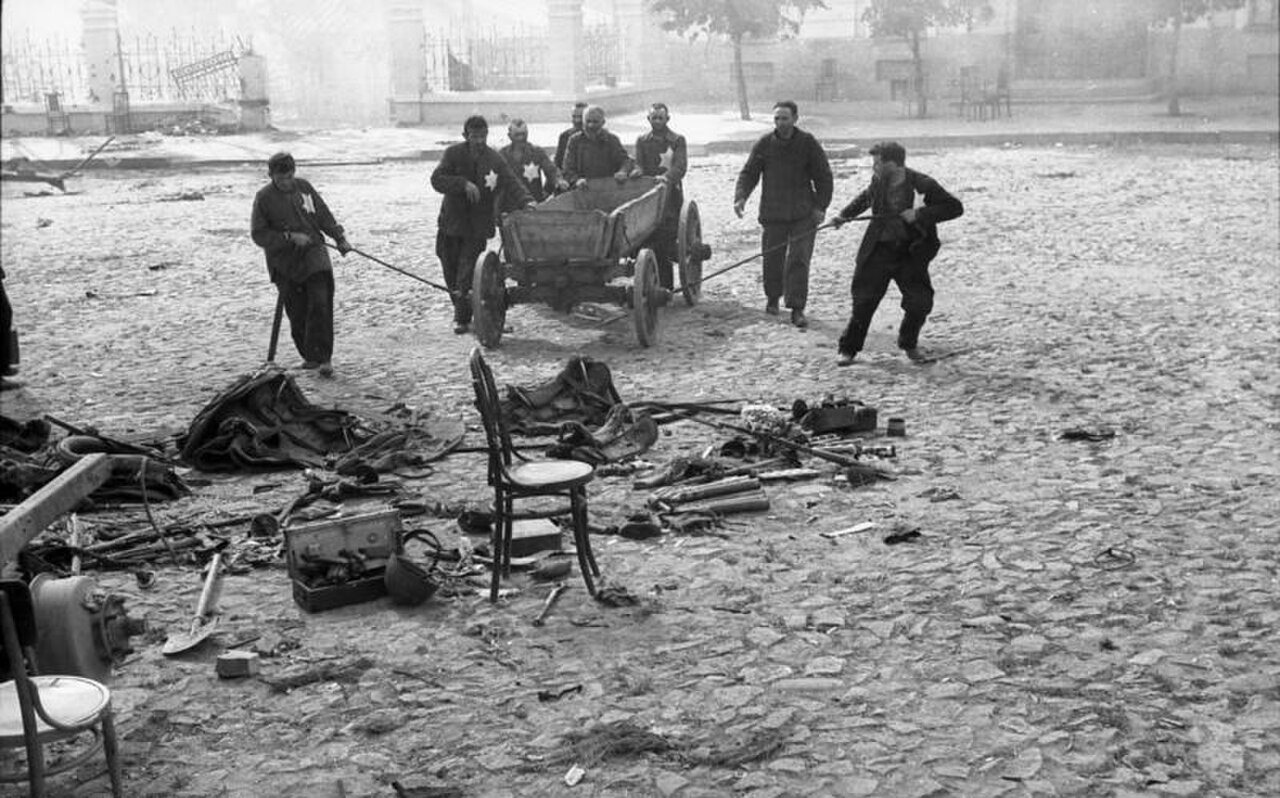
Jews of Mogilev, Belarus, forced to clean a street, July 1941
Woman with an Ostarbeiter badge working at the IG Farben plant in Auschwitz
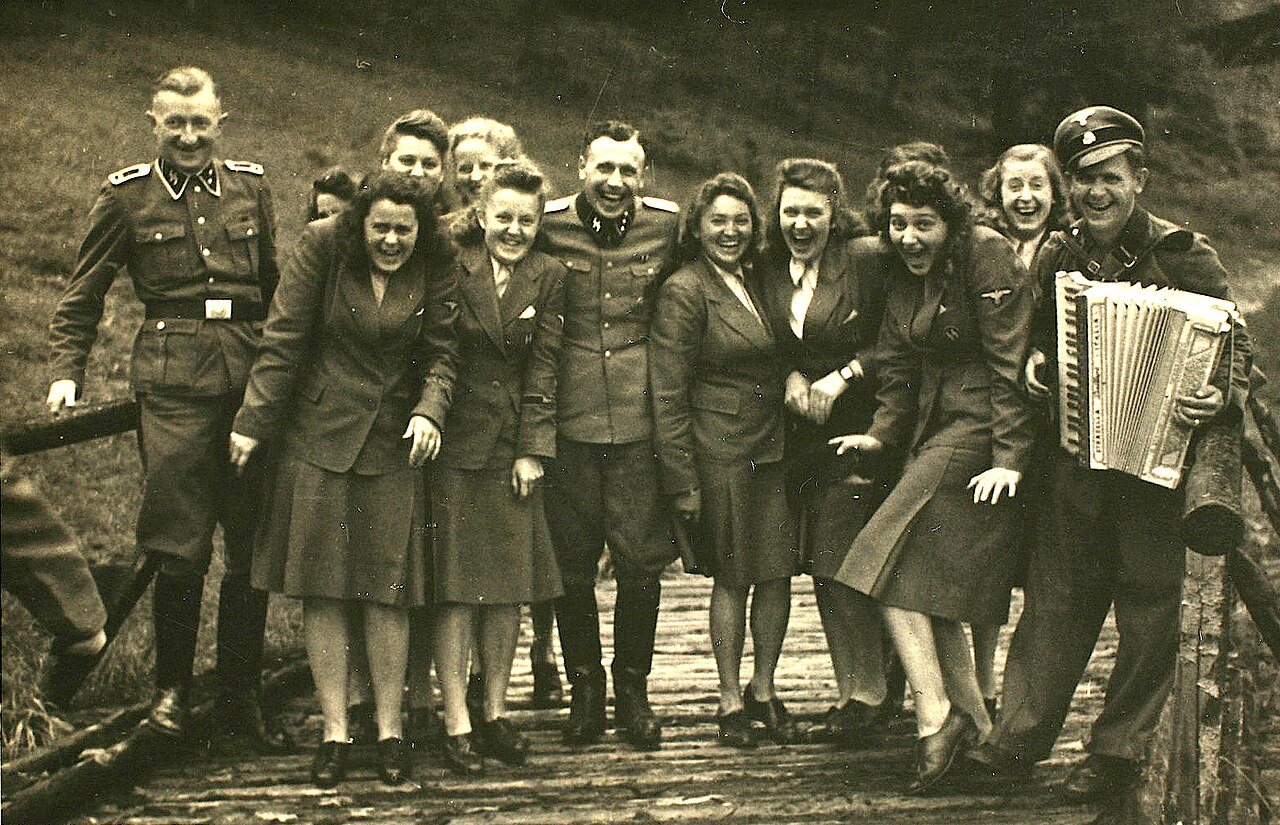
Auschwitz SS guards and female staff auxiliaries on vacation at Solahütte in 1944
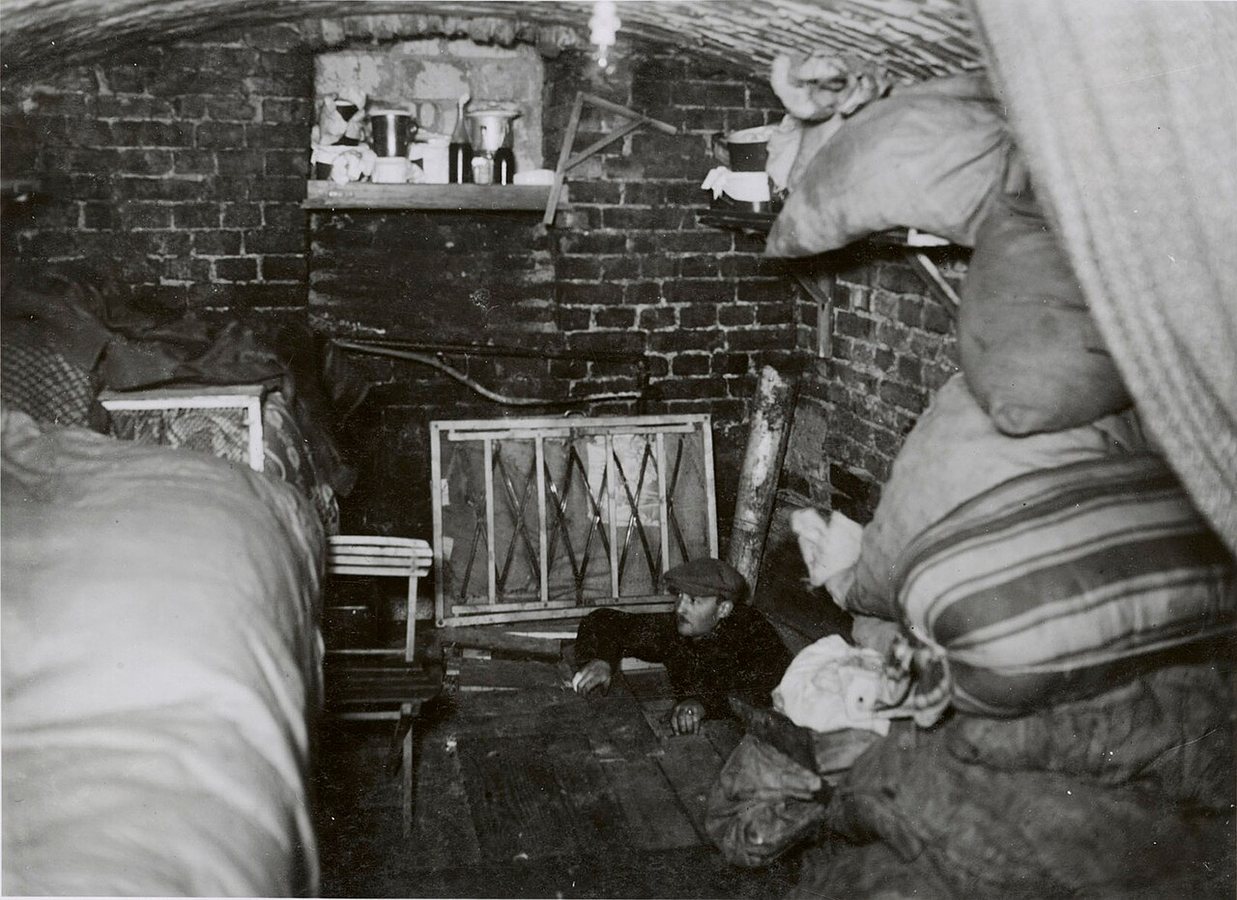
A bunker where Jews attempted to hide during the Warsaw Ghetto Uprising
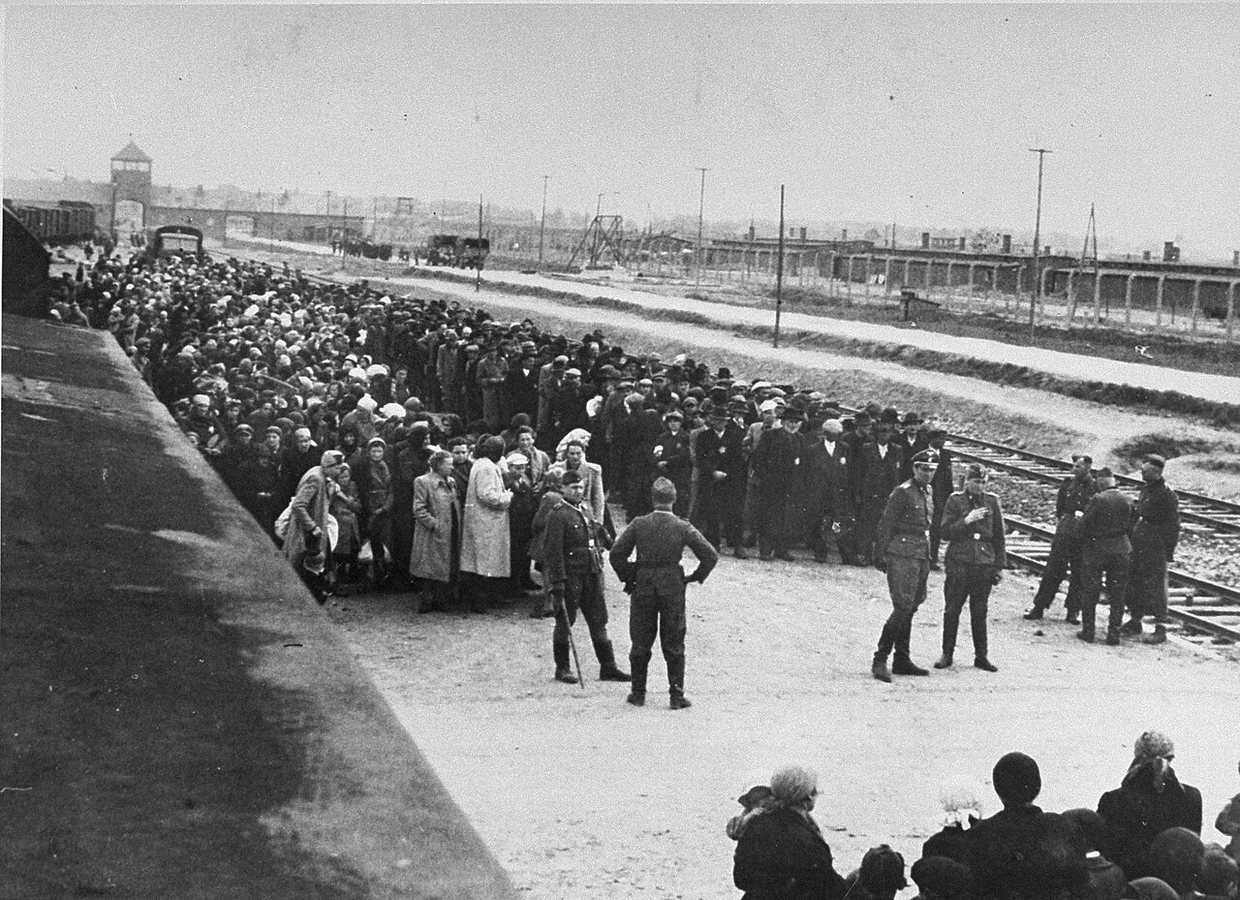
Jews from Carpathian Ruthenia, annexed by Hungary in 1938, on the selection ramp at Auschwitz II in May or June 1944; men were lined up to the right, women and children to the left
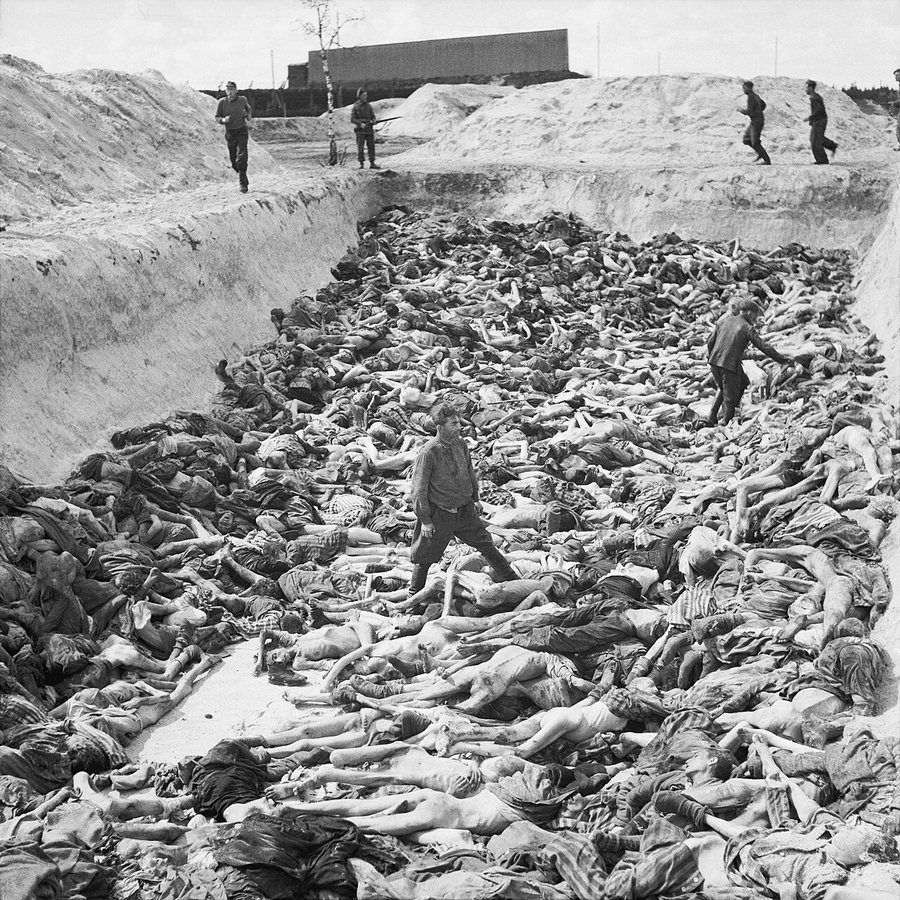
A mass grave at Bergen-Belsen after the camp's liberation, April 1945
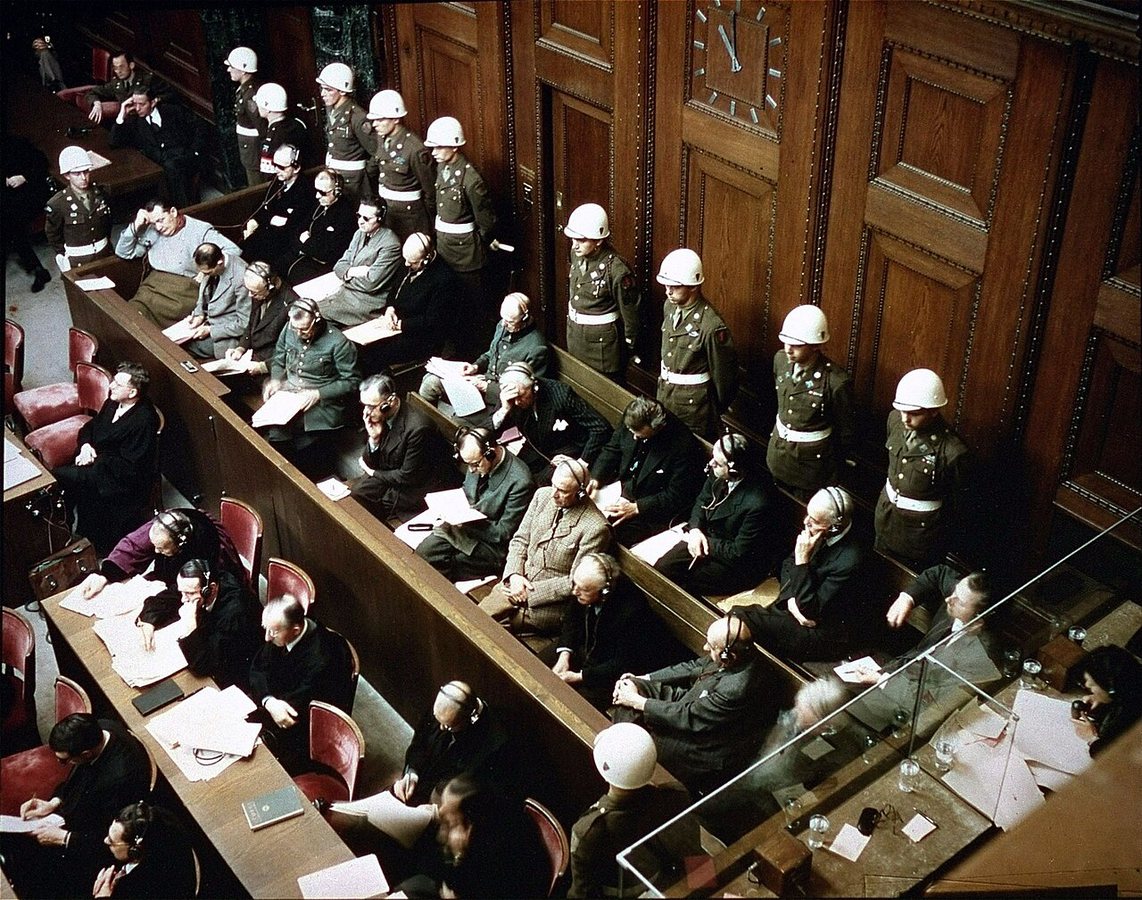
Defendants in the dock at the International Military Tribunal, November 1945
Memorial to the Murdered Jews of Europe in Berlin, 2016
8 images

Many Jewish survivors emigrated from Europe after the war, and a minority of perpetrators faced criminal trials. Reparations have been paid, though they fell short of the losses suffered. The Holocaust is commemorated through museums, memorials and culture, and it is considered the deadliest genocide in human history. It has become central to Western historical consciousness as a symbol of extreme human evil.

In 170 languages

EnglishČeštinaDeutschEspañolFrançaisItaliano日本語PolskiPortuguêsРусскийУкраїнська中文AfrikaansShqipአማርኛOld EnglishAngikaAragoneseAramaicالعربيةEgyptian ArabicAsturianuঅসমীয়াAzbAzərbaycanBavarianbat-smgБашҡортBikolБеларускаяБългарскиবাংলাBrezhonegBosanskiБуряадCatalàНохчийнکوردیی ناوەندیCrimean TatarЧӑваш чӗлхиCymraegDanskZazaΕλληνικάEsperantoEestiEuskaraفارسیPulaarfiu-vroSuomiFøroysktFurlanFryskGaeilgeGcrGàidhligGalegoGuaraniGaelgHausaעבריתFiji Hindiहिन्दीHrvatskiHornjoserbšćinaMagyarՀայերենHywInterlinguaBahasa IndonesiaInterlingueIlokoIdoIsvÍslenskaJamaican Creole EnglishJawaKara-KalpakTaqbaylitJjuქართულიKbpҚазақшаខ្មែរಕನ್ನಡ한국어Kurdî (kurmancî)KomiKernewekКыргызчаLadinoLatinLëtzebuergeschLezghianLimburgishLldLombardLietuviųLatviešuMalagasyMariMinangkabauМакедонскиമലയാളംМонголमराठीMelayuMaltiMirandeseမြန်မာمازرونیNeddersass’sch (Nedderlannen)Neddersass’schनेपालीNewariNederlandsNorsk nynorskNovialNorskNyanjaOccitanଓଡ଼ିଆPampangaPapiamentoਪੰਜਾਬੀPiemontèisWestern PanjabiپښتوRunasimiRumantschRomanyRomânăRusynIkinyarwandaСаха тылаSicilianuScotsSarduسنڌيDavvisámegiellaSrpski (latinica)සිංහලSlovenčinaSlovenščinaChiShonaSoomaaliShqipСрпскиSaterland FrisianSvenskaKiswahiliSylதமிழ்TetumతెలుగుไทยFilipinoTürkçeТатарاردوO‘zbekVenetoTiếng ViệtWarayWu ChineseIsiXhosaMingrelianייִדישzh-yue

Редакція Factograf · Published October 14, 2026 · Partly based on Wikipedia, CC BY-SA 4.0 · Source article