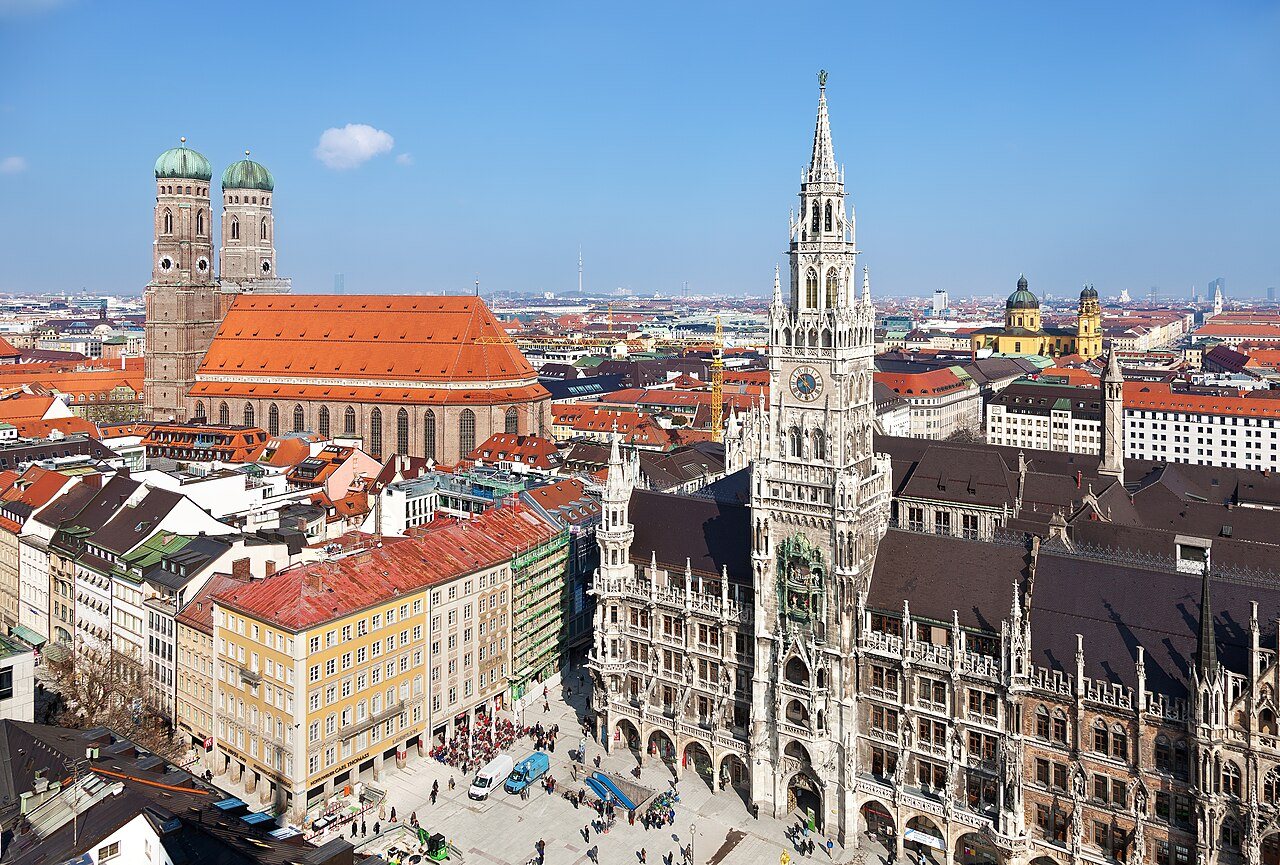
Munich is the capital and most populous city of the German state of Bavaria. With about 1.6 million residents, it is the third most populous city in Germany after Berlin and Hamburg, and the largest German city that is not a state of its own. It is a major centre for science, technology, finance, innovation, business, and tourism, and is known for its architecture, cultural venues, sports events, and the annual Oktoberfest.
Early history




The name Munich derives from a tiny 10th-century monastic settlement called zu den Munchen, meaning "to the monks". The city's official founding is dated to 1158, when Duke Henry the Lion established a town there to control the salt trade after burning down the nearby town of Föhring and its bridges. In 1506, when Bavaria was reunited, Munich became its capital. Its Catholic identity was reinforced during the Counter-Reformation, and in the 19th century it became capital of the Kingdom of Bavaria.
Twentieth century


In the 1920s Munich became a centre of political movements, including the rise of the Nazi Party, which earned it the name "Capital of the Movement". The city was heavily bombed during World War II, but much of its historic architecture has since been restored. After the war its population and economy grew rapidly, and it hosted the 1972 Summer Olympics and the 1974 FIFA World Cup final.
Economy and culture


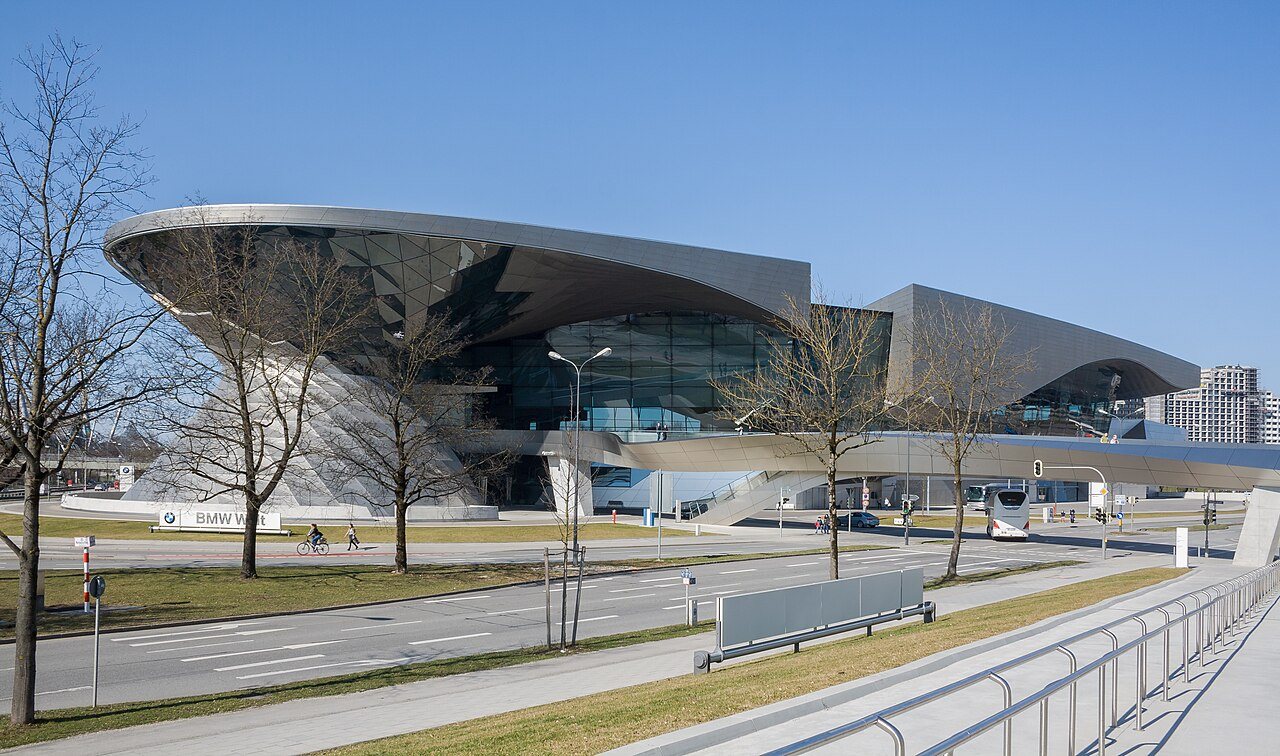
Munich has a high standard of living and is Germany's wealthiest city by GDP per capita among large cities. Its economy rests on high technology, automobiles, services, information technology, biotechnology, and electronics, and it is home to multinational firms such as BMW, Siemens, and Allianz. The city has two research universities, numerous scientific institutions, and the Deutsches Museum, the world's largest museum of science and technology.