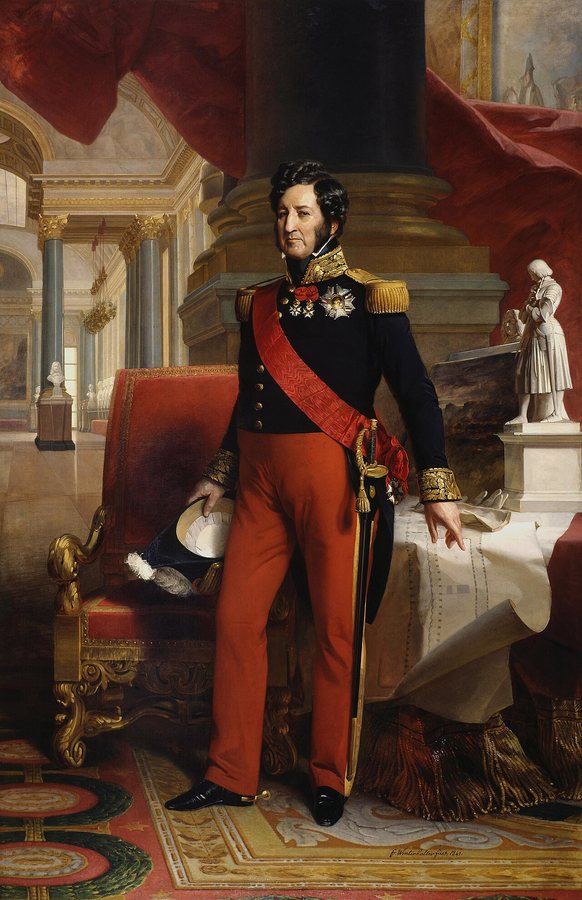
Louis Philippe I (1773–1850), nicknamed the Citizen King, was King of the French from 1830 to 1848 and the last French monarch to bear the title King. He was the only French monarch to descend from the Orléans branch of the Bourbon family. He abdicated during the French Revolution of 1848, which led to the foundation of the French Second Republic. His reign is known as the July Monarchy, dominated by wealthy industrialists and bankers.
Early life and exile
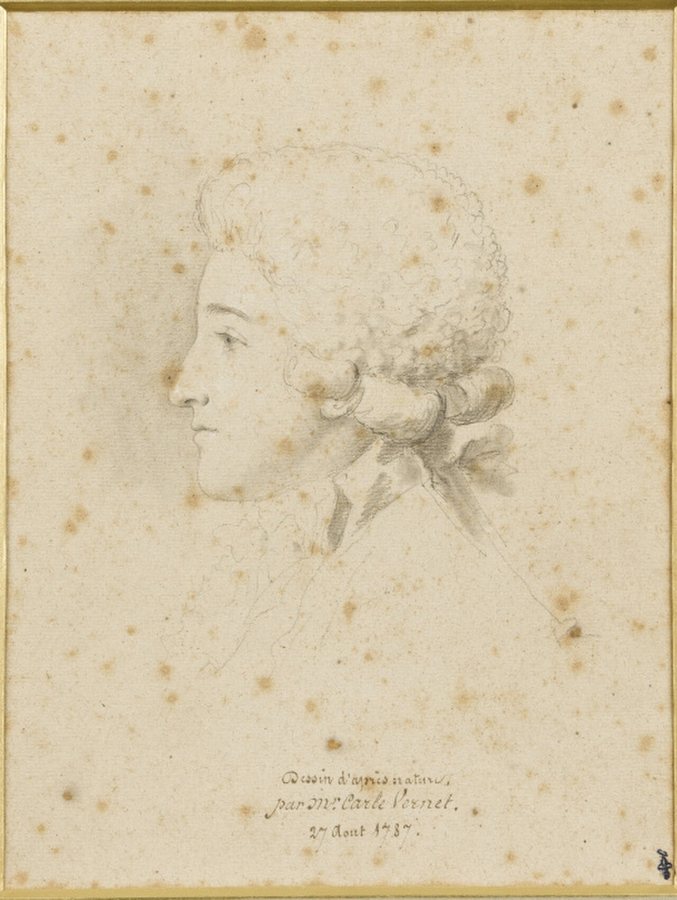

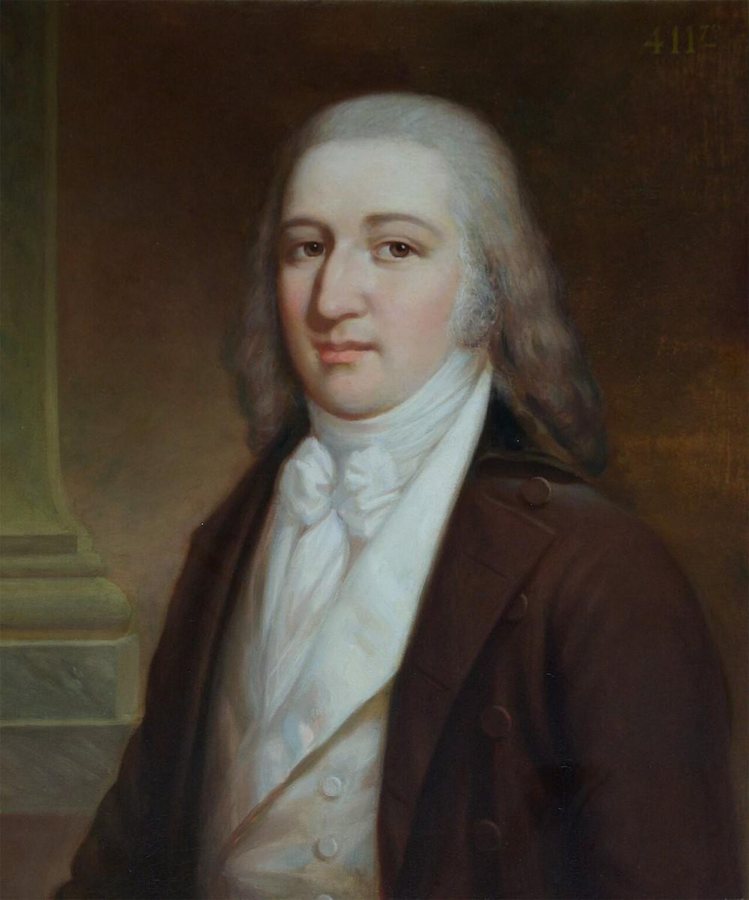


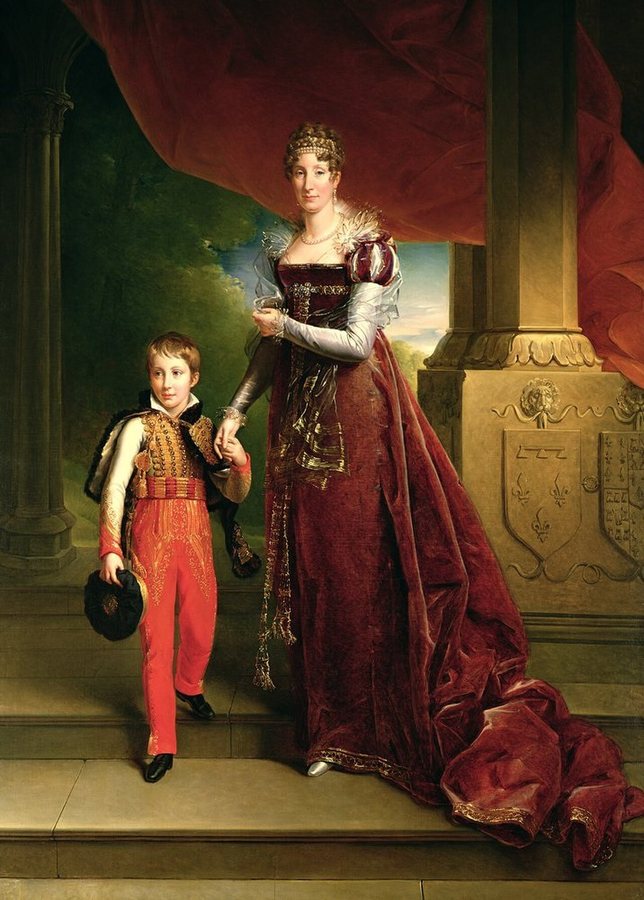
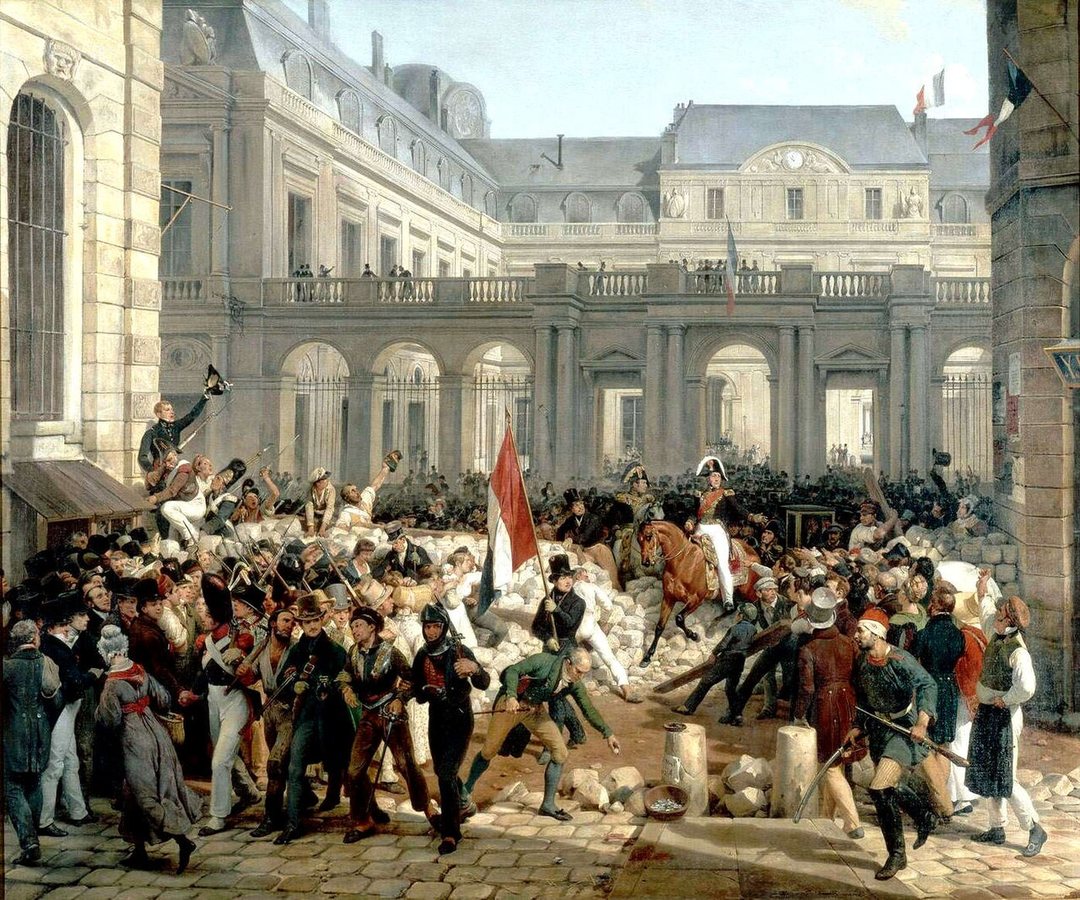
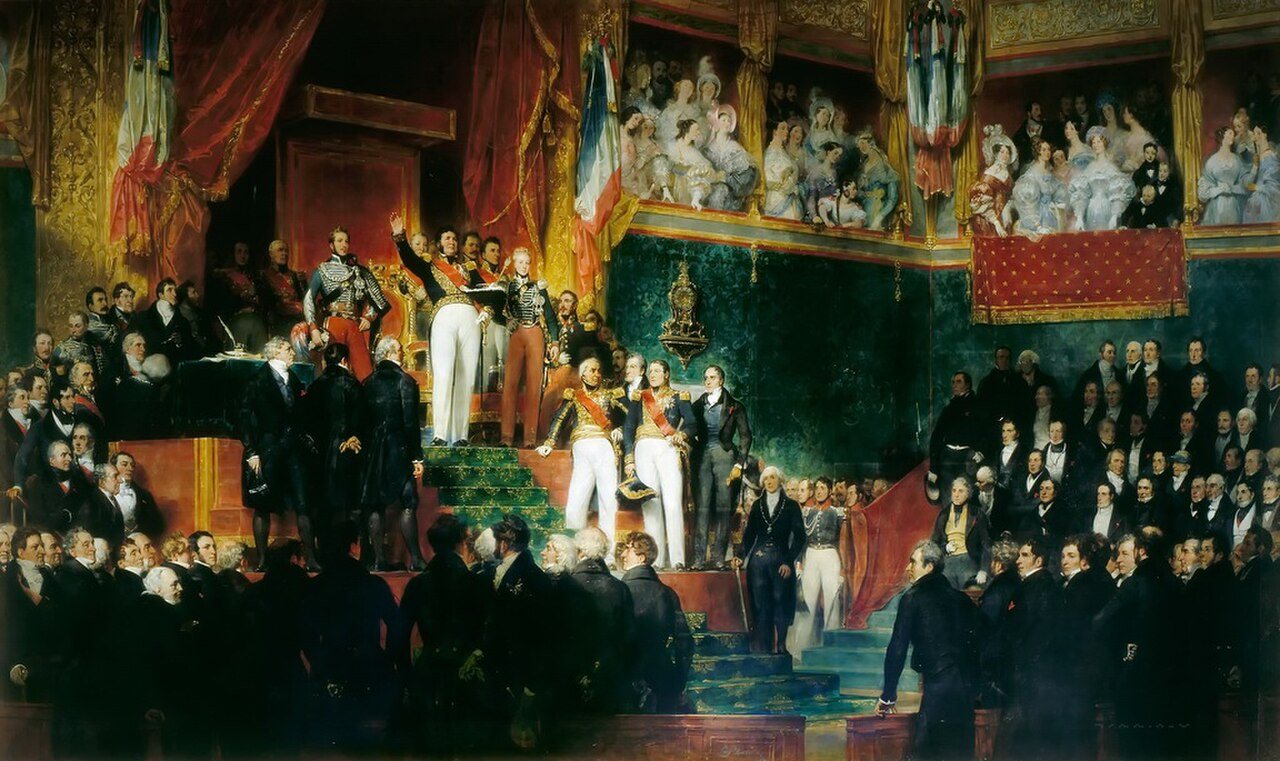

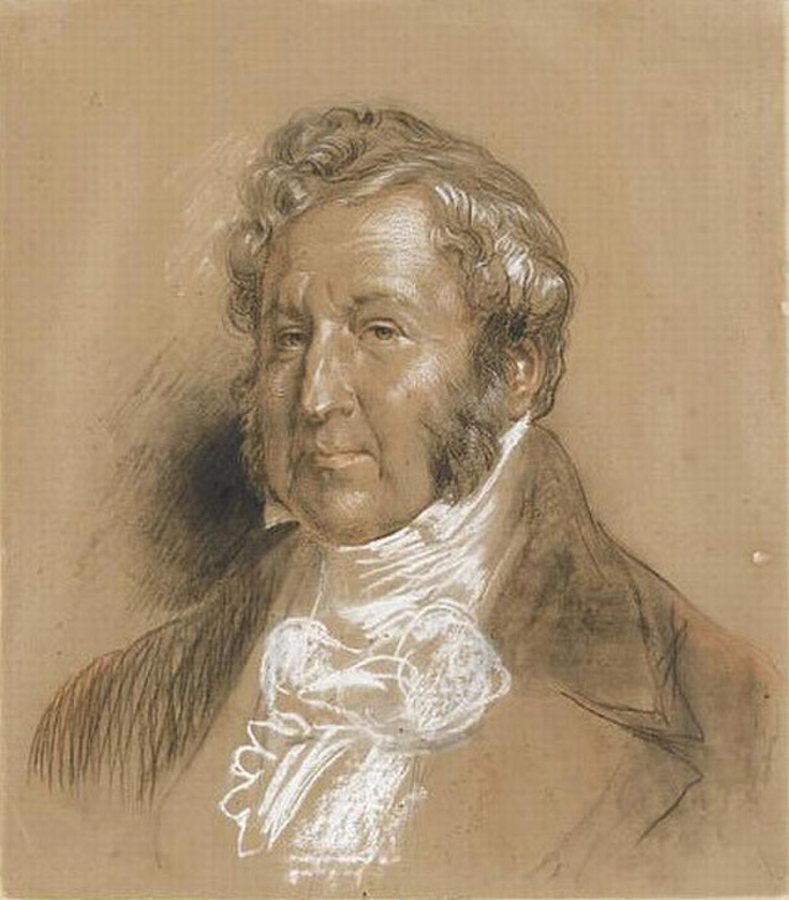


Born in the Palais-Royal in Paris, Louis Philippe was the eldest son of the Duke of Chartres, later Duke of Orléans. As a young officer he distinguished himself in the French Revolutionary Wars and was promoted to lieutenant general by the age of 19. He broke with the republic over its execution of Louis XVI and fled to Switzerland in 1793 after being linked to a plot to restore the monarchy. He remained in exile for 21 years until the Bourbon Restoration.
Reign and downfall


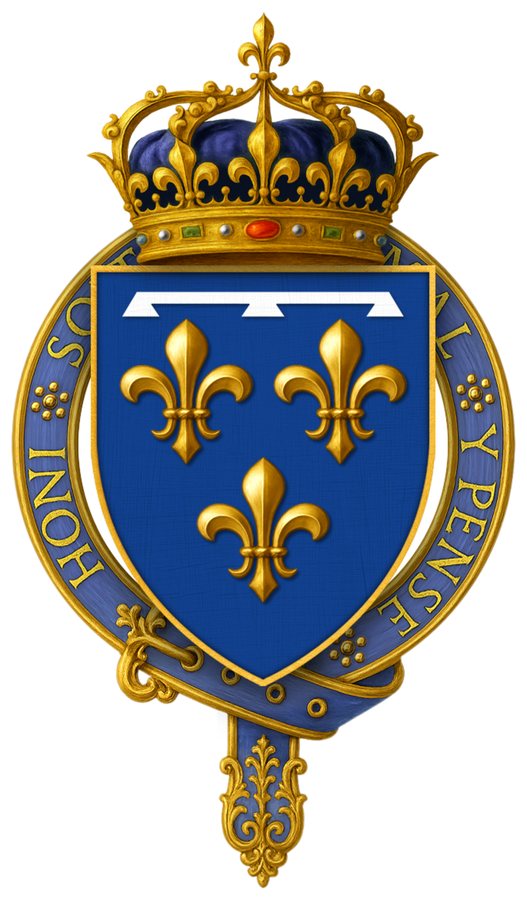

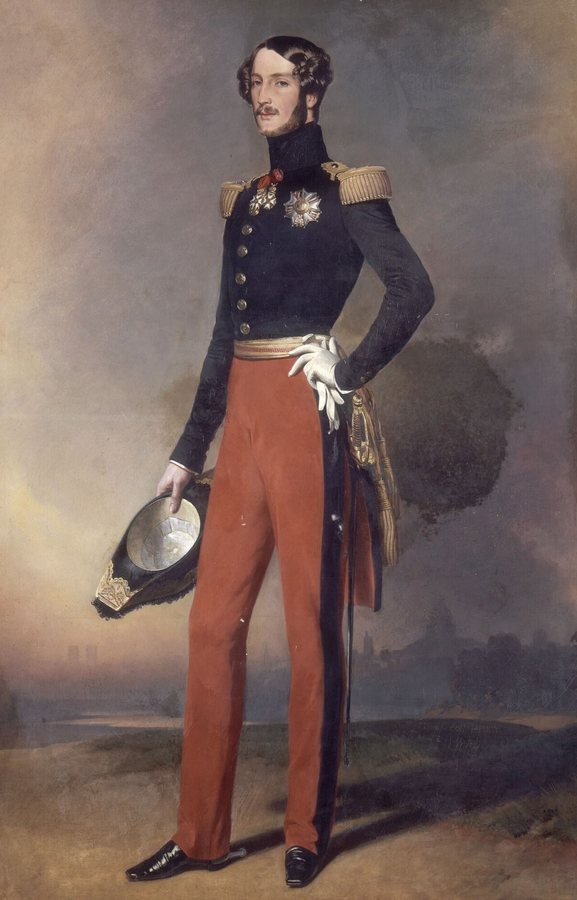

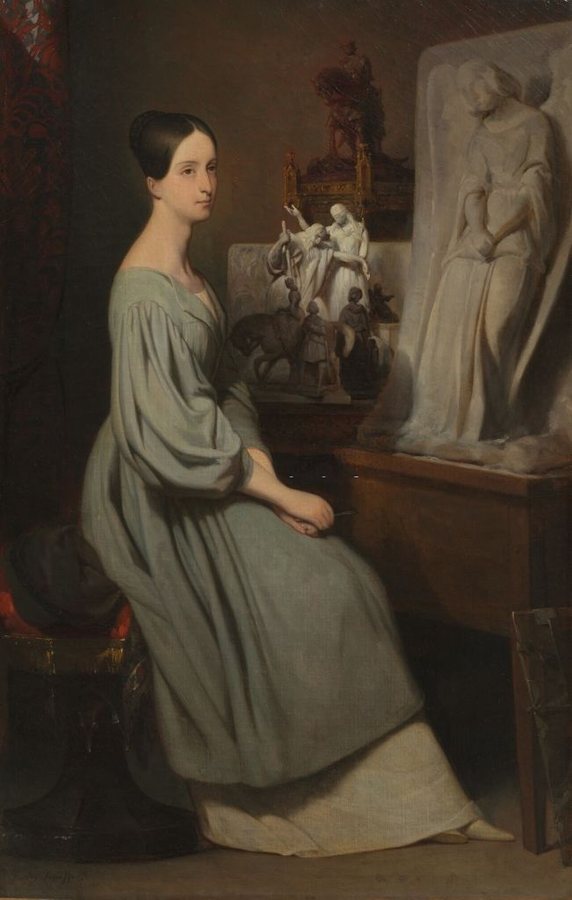

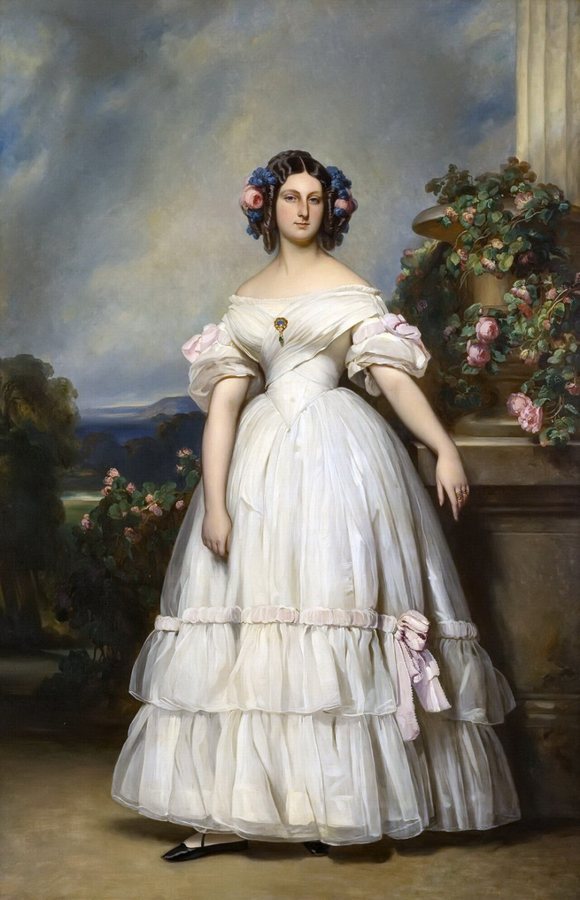


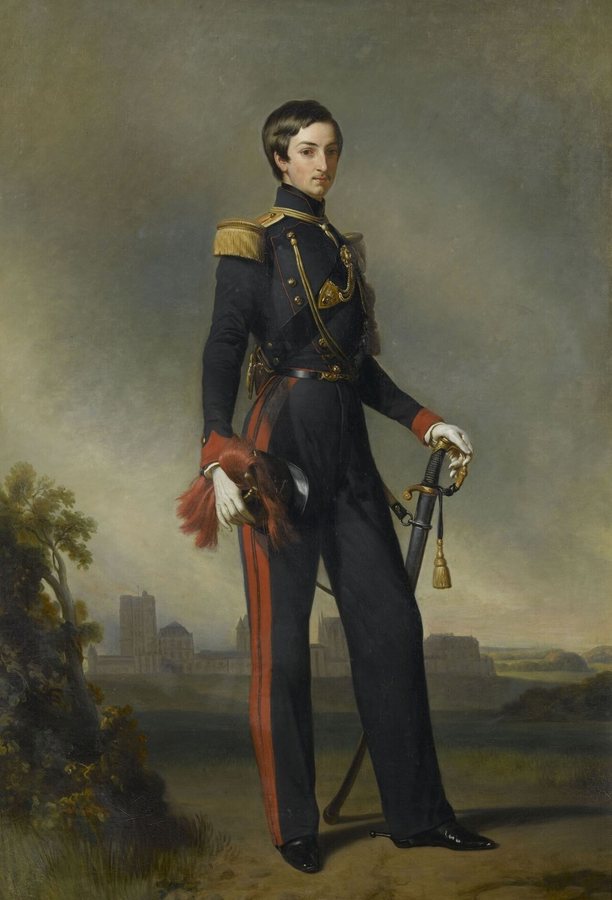
He was proclaimed king in 1830 after the July Revolution forced his distant cousin Charles X to abdicate. From 1840 to 1848 his government followed conservative policies, strongly influenced by the statesman François Guizot. The regime also promoted friendship with the United Kingdom and sponsored colonial expansion, notably the French conquest of Algeria. As economic conditions worsened in 1847, his popularity faded, and he was forced to abdicate during the Revolution of 1848. He spent the rest of his life in exile in the United Kingdom.