
Leo Tolstoy was a Russian writer from an aristocratic family, usually referred to in English as Leo Tolstoy. He is regarded as one of the greatest and most influential authors of all time. His novels War and Peace, Anna Karenina and Resurrection are often cited as pinnacles of realist fiction. After a moral and spiritual crisis in the 1870s, he developed a Christian anarchist and pacifist outlook, and his ideas on nonviolent resistance later influenced figures such as Mahatma Gandhi and Martin Luther King Jr.
Early life and military service
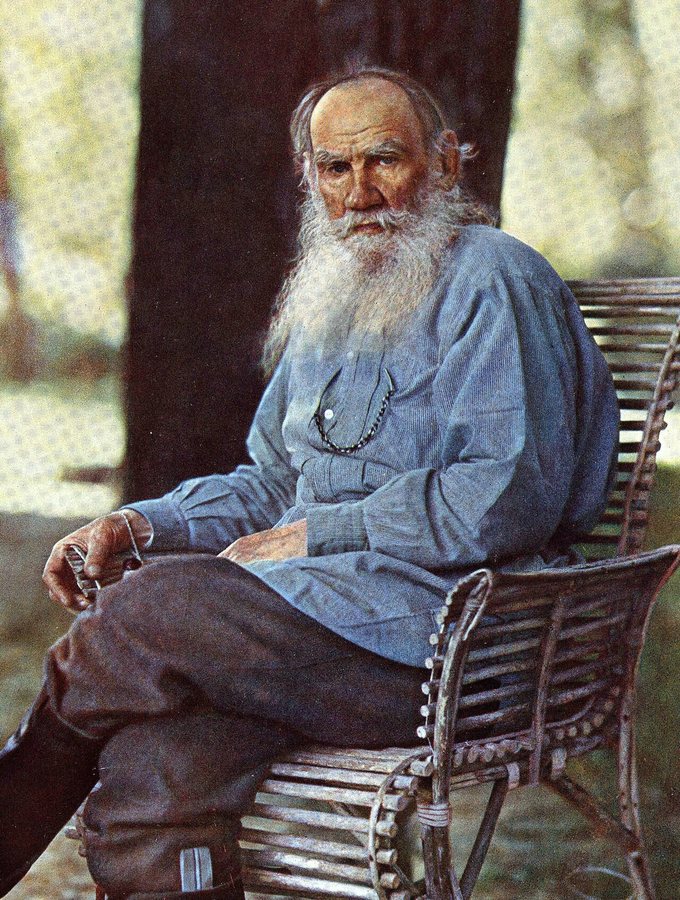
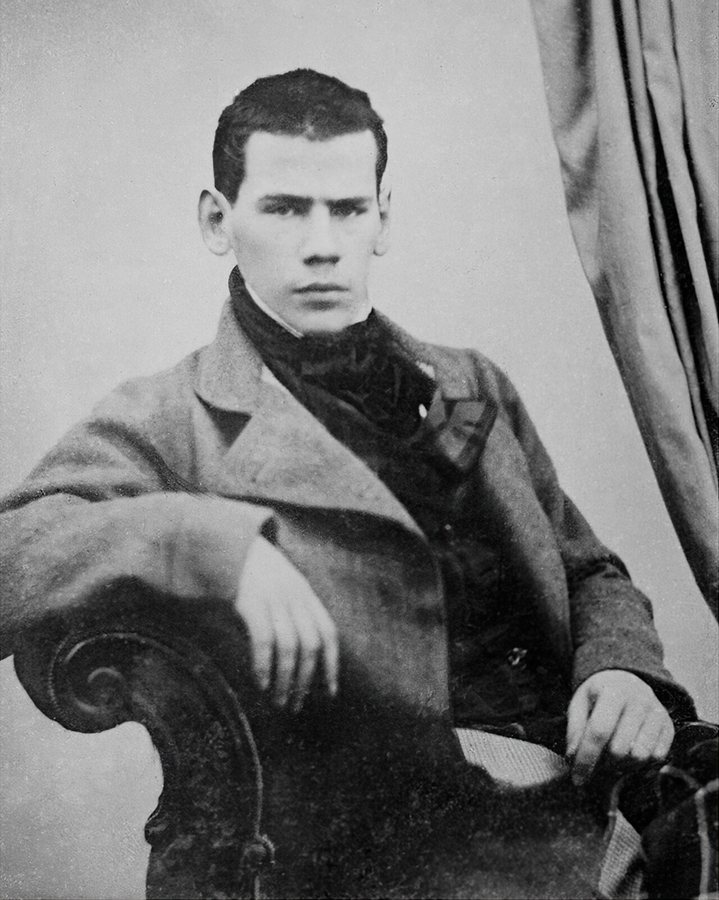
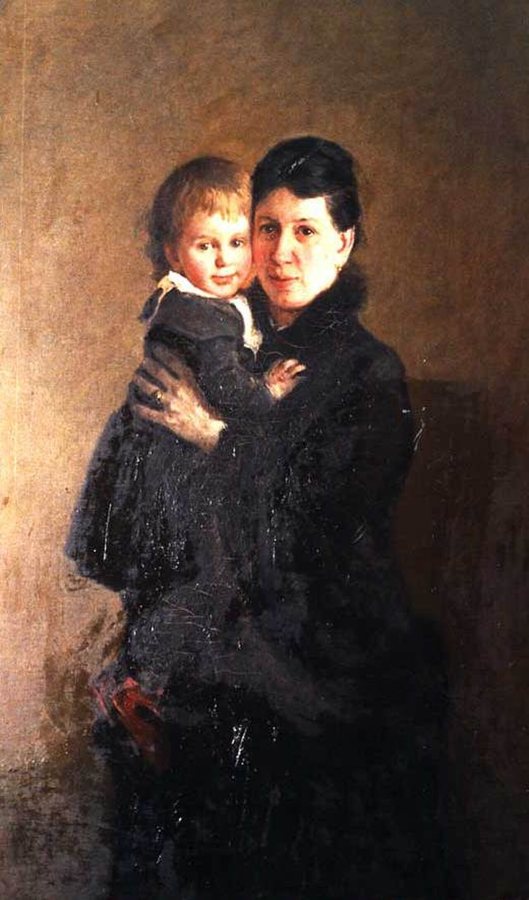
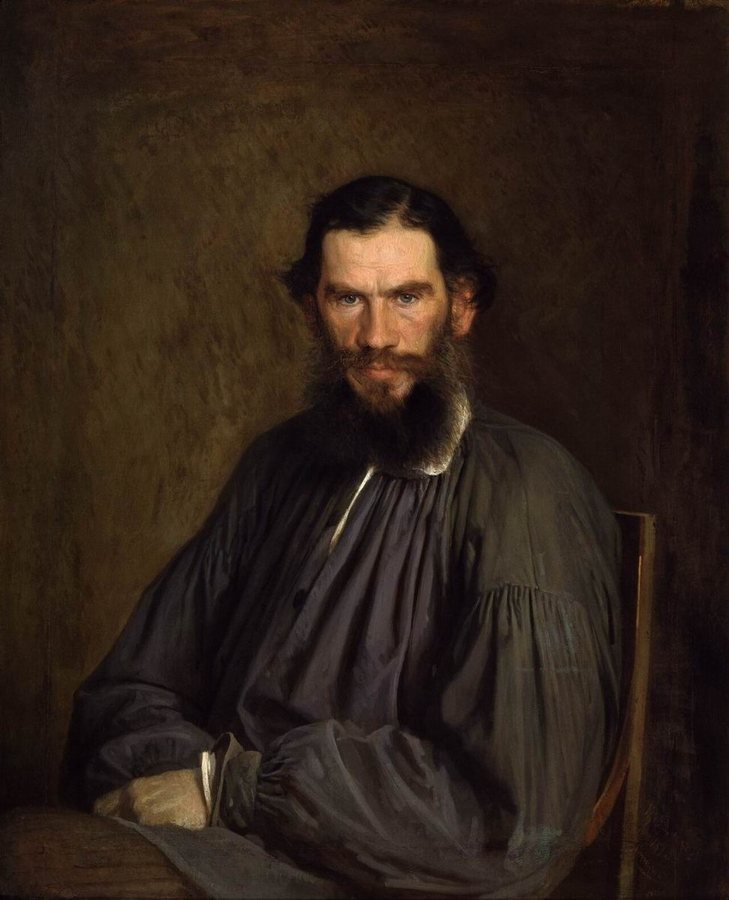
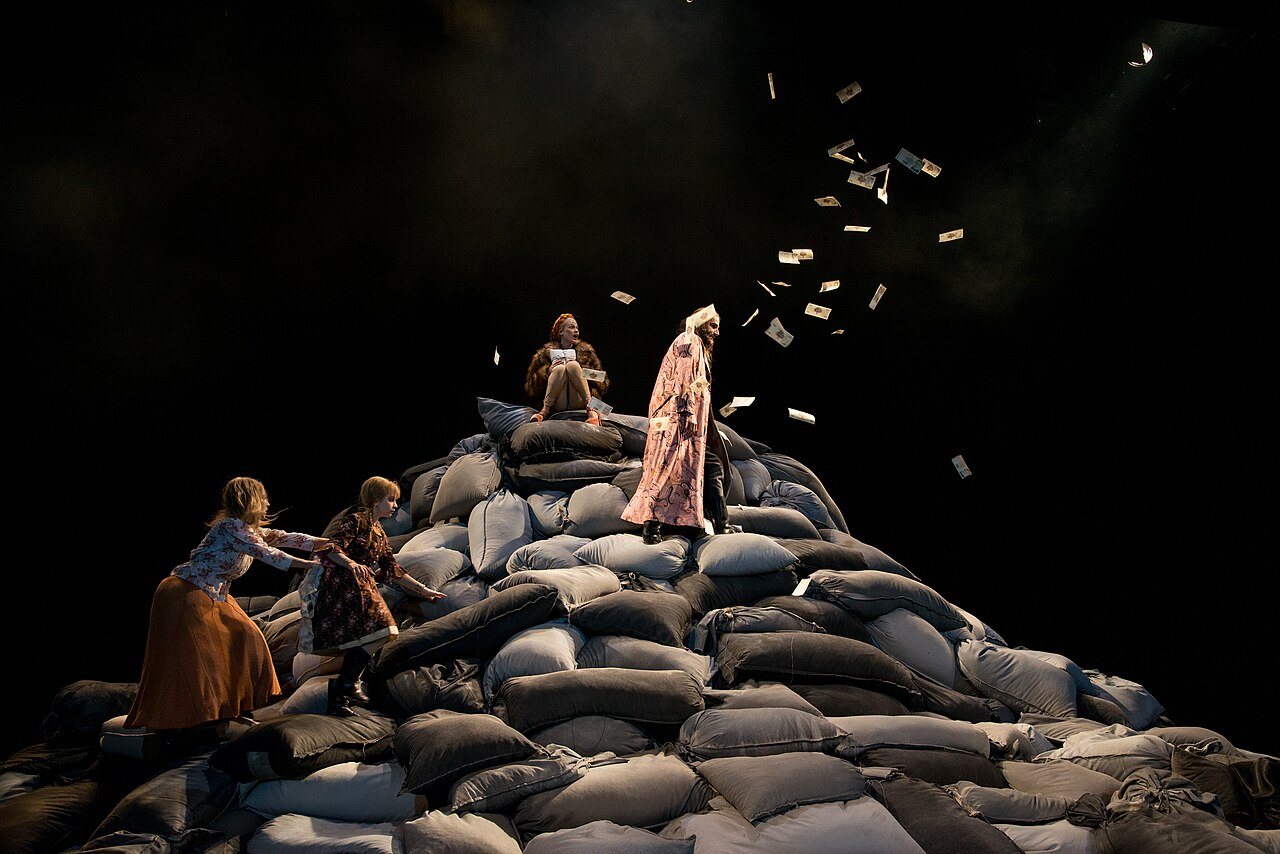
Born at the family estate of Yasnaya Polyana, Tolstoy was raised by relatives after losing both parents at a young age. He began studying law and oriental languages at Kazan University but left before completing his studies, then spent years in Moscow, Tula and Saint Petersburg. His first novel, Childhood, appeared in 1852. He served as an artillery officer during the Crimean War, including the siege of Sevastopol, and was appalled by the deaths he witnessed. He left the army after the war ended.
Political and spiritual change

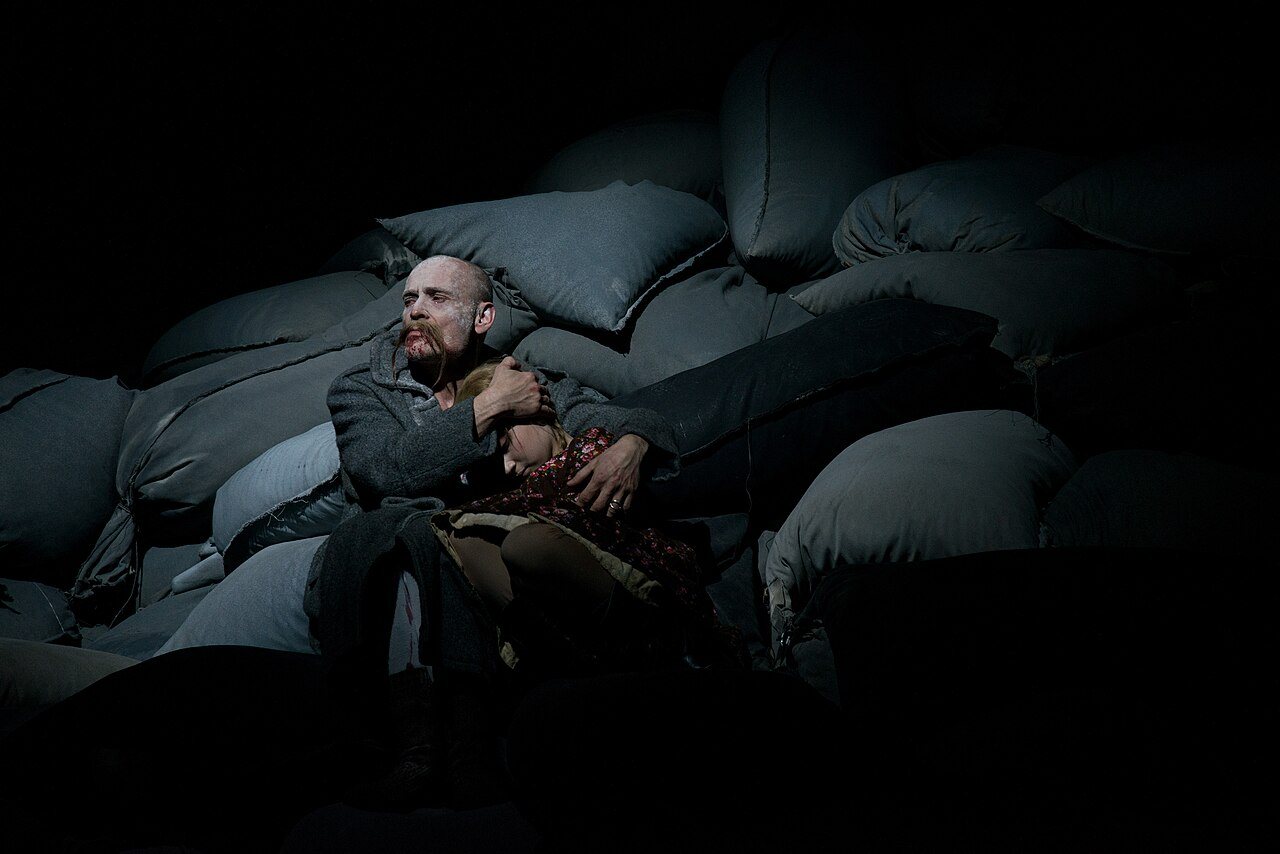

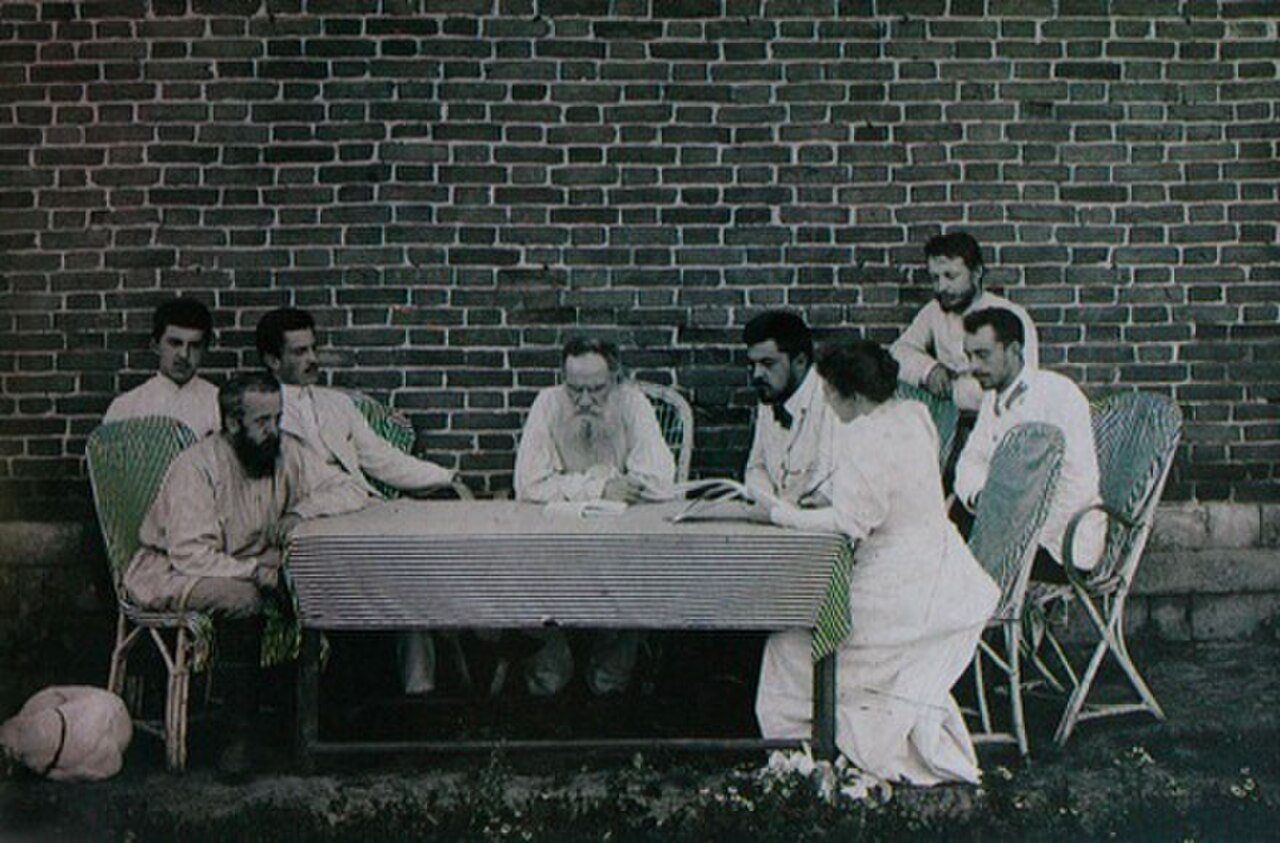
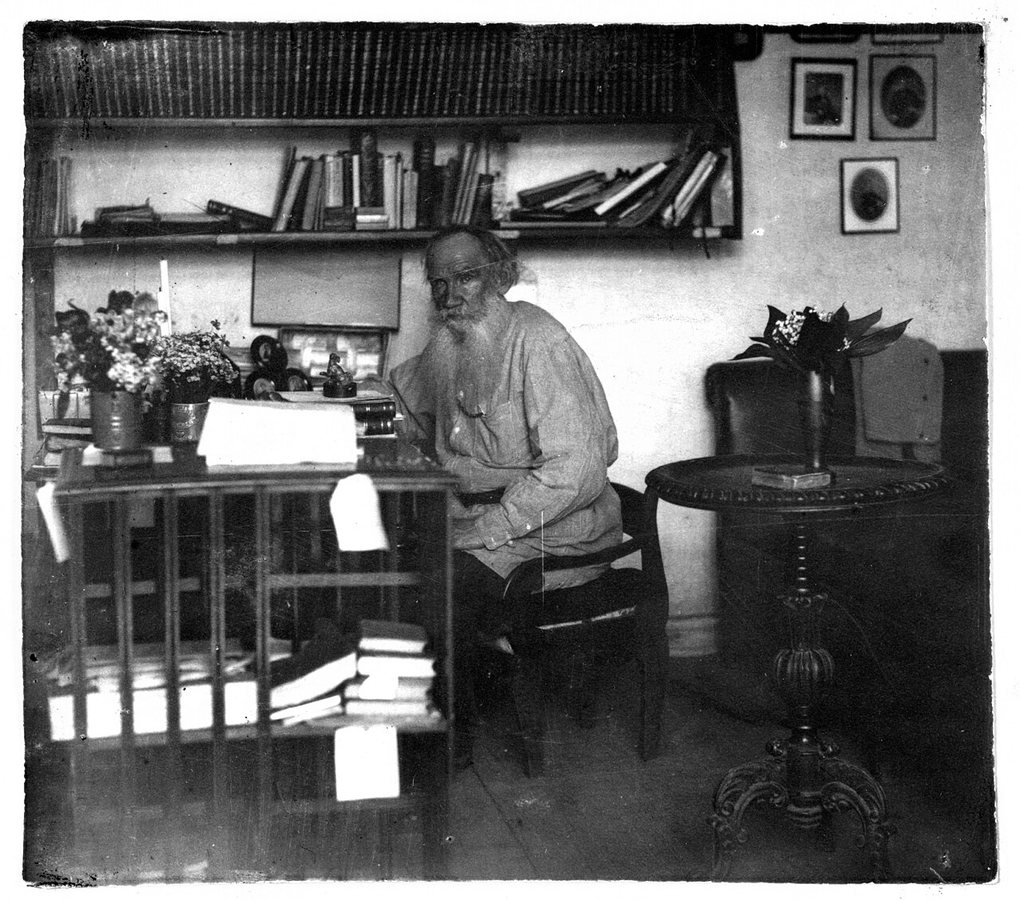
Travels around Europe in 1857 and 1860–61 helped turn Tolstoy from a privileged society author into a supporter of nonviolence and spiritual anarchism. He met Victor Hugo and visited the French anarchist Pierre-Joseph Proudhon, whose work inspired the title of War and Peace. After a profound moral crisis in the 1870s, he described a spiritual awakening in his non-fiction work Confession, and his literal reading of the teachings of Jesus shaped his later pacifist and anarchist views.
Legacy
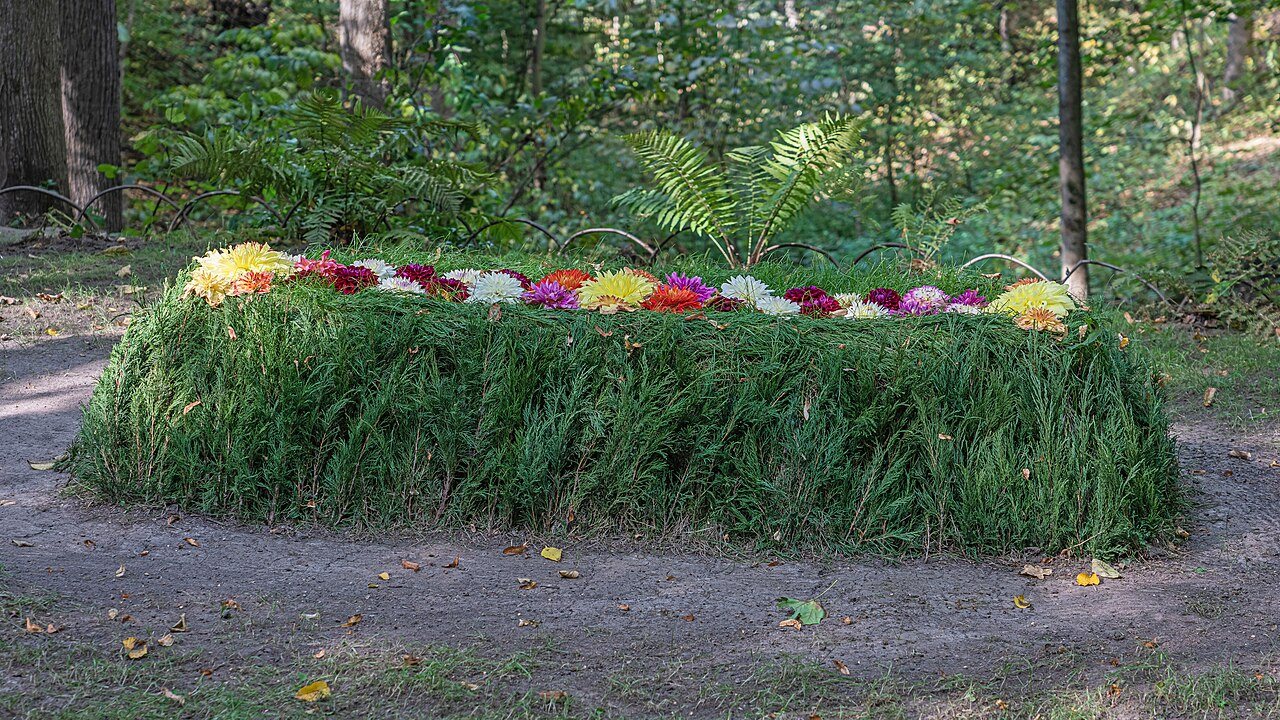
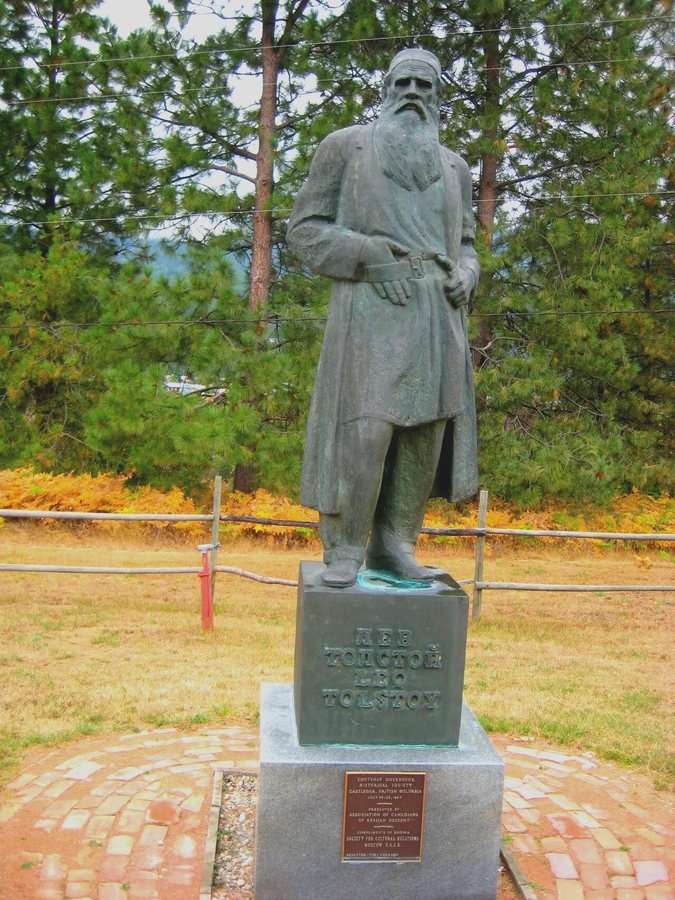
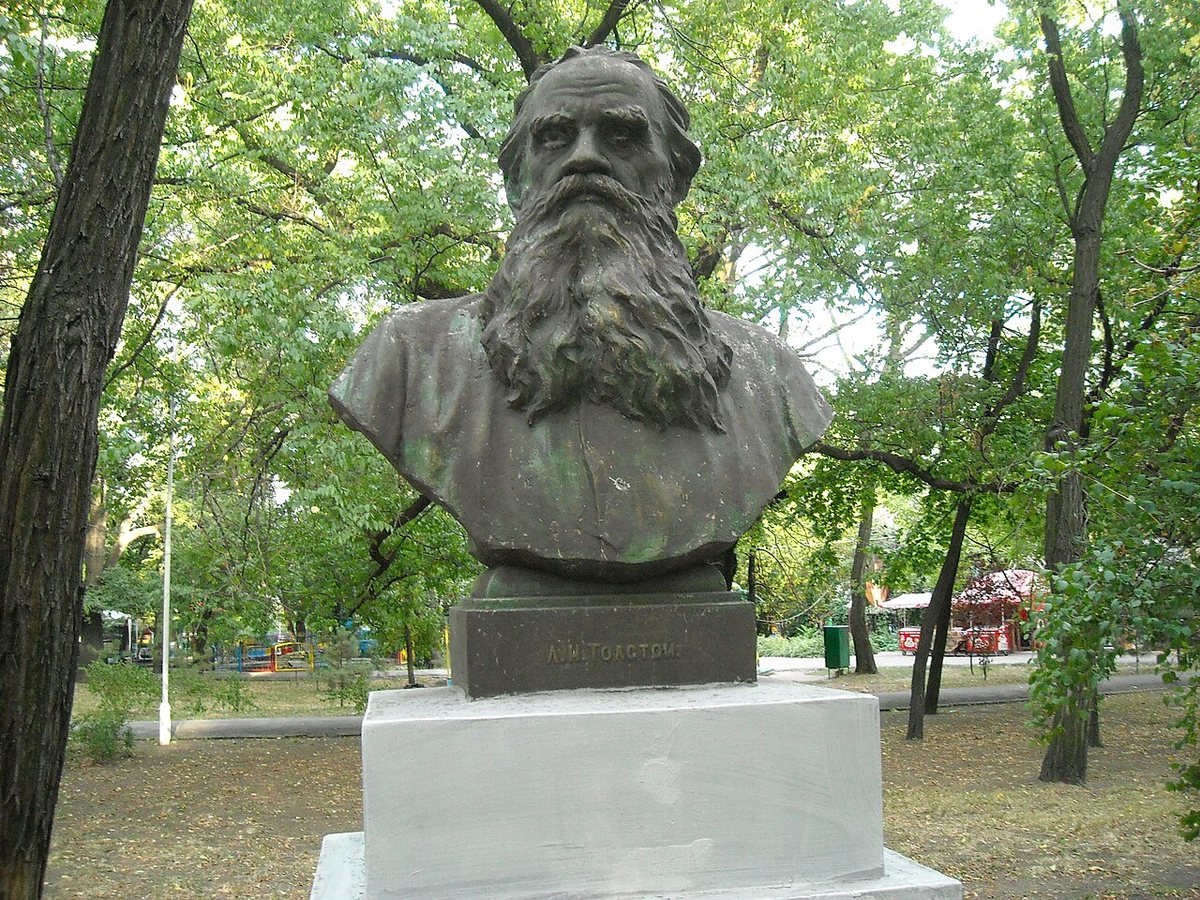
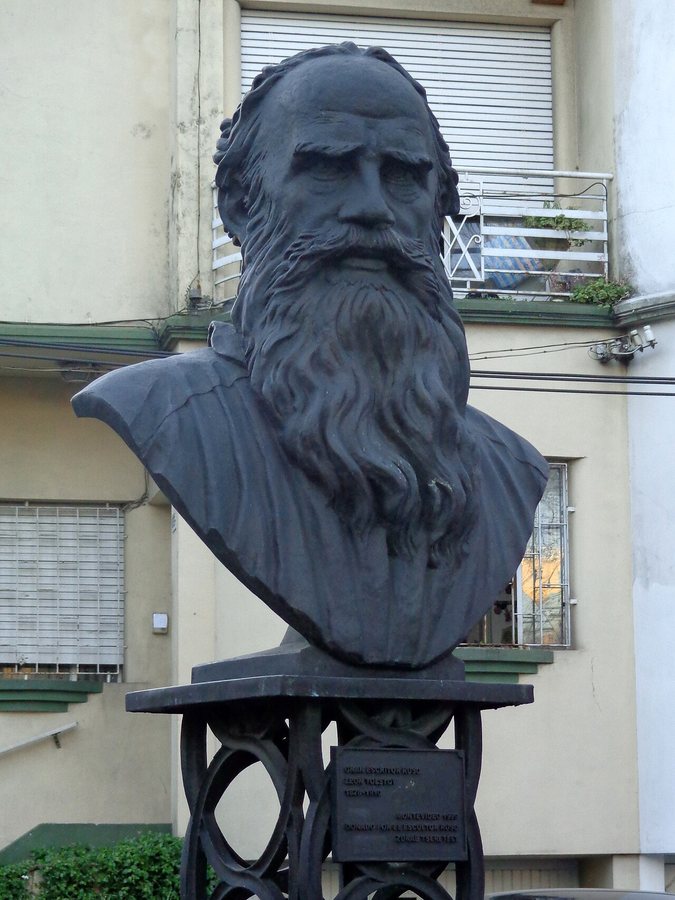
Tolstoy received praise from many authors and critics during his lifetime and after. Virginia Woolf called him the greatest of all novelists. He was nominated for the Nobel Prize in Literature every year from 1902 to 1906 and for the Nobel Peace Prize several times, but he never received either award. He also championed Georgism, the economic philosophy of Henry George, which he incorporated into his later writing.