
Jerome was a prominent 4th and 5th-century theologian, historian, and cleric. Born in Stridon, he studied rhetoric and philosophy in Rome before converting to Christianity. After a period spent as an ascetic in the Syrian Thebaid, he moved to Bethlehem to study Hebrew. He is most famous for producing the Vulgate, a Latin translation of the Bible, which was commissioned by Pope Damasus I. Recognized as one of the four Great Latin Fathers, his scholarly contributions shaped much of Western Christian thought.
Life and work
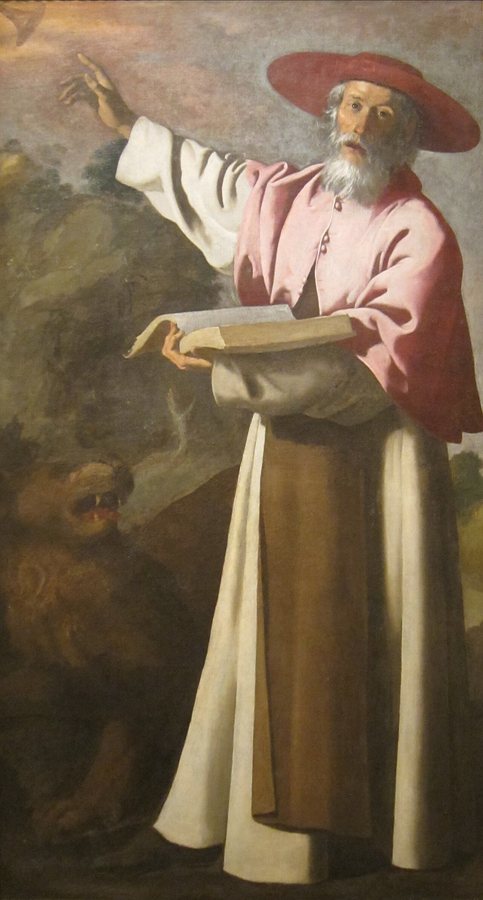

After his early studies in Rome, Jerome embraced an ascetic lifestyle. While living in Bethlehem, supported by the aristocrat Paula, he focused on linguistic studies. He translated the Hebrew Gospels into Greek and eventually completed the monumental task of translating the Bible into Latin. This version, known as the Vulgate, became a standard text. His extensive biblical commentaries further established his reputation as a leading apologist and scholar.
Veneration and legacy
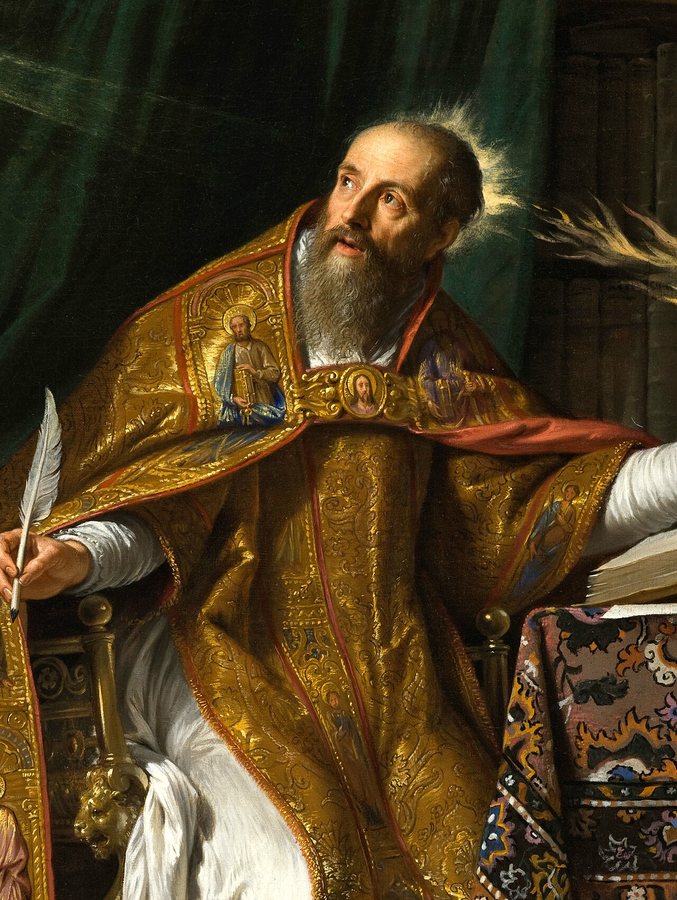
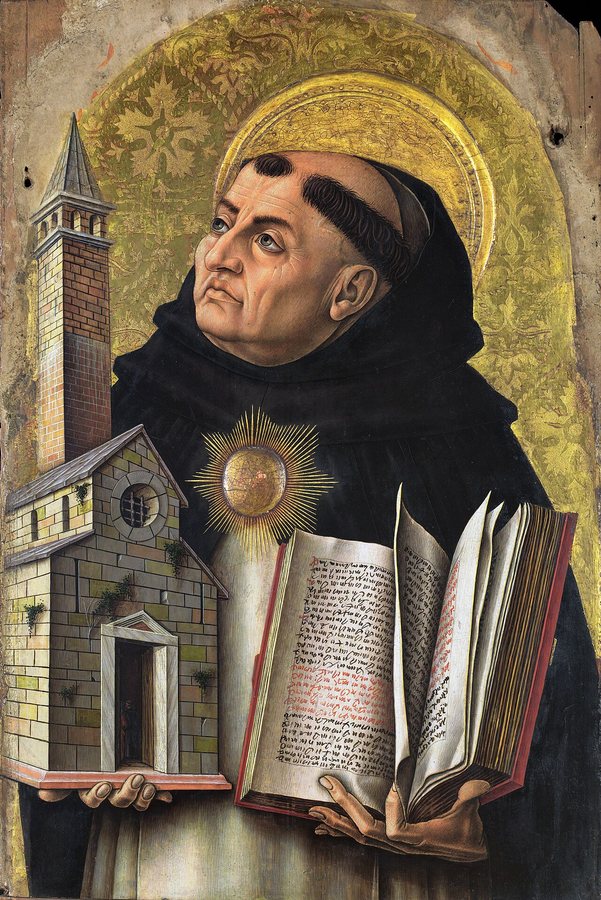
As a Doctor of the Church, Jerome is honored across several Christian traditions, including Catholic, Orthodox, Anglican, and Oriental churches. He is remembered for his intellectual rigor and his life as an anchorite. His feast day is observed on September 30, which is also the date of his death in Bethlehem in 420. He remains a foundational figure in Christian history due to his massive impact on biblical translation.