
Jean Moulin was a French civil servant and resistance leader who succeeded in unifying the main networks of the French Resistance during World War II. He served as the first president of the National Council of the Resistance from 27 May 1943 until he was killed less than two months later. A prefect in Aveyron and Eure-et-Loir before the war, he worked for Charles de Gaulle's government-in-exile in London and is remembered as a symbol of the Resistance. His remains were moved to the Panthéon in 1964.
Early career


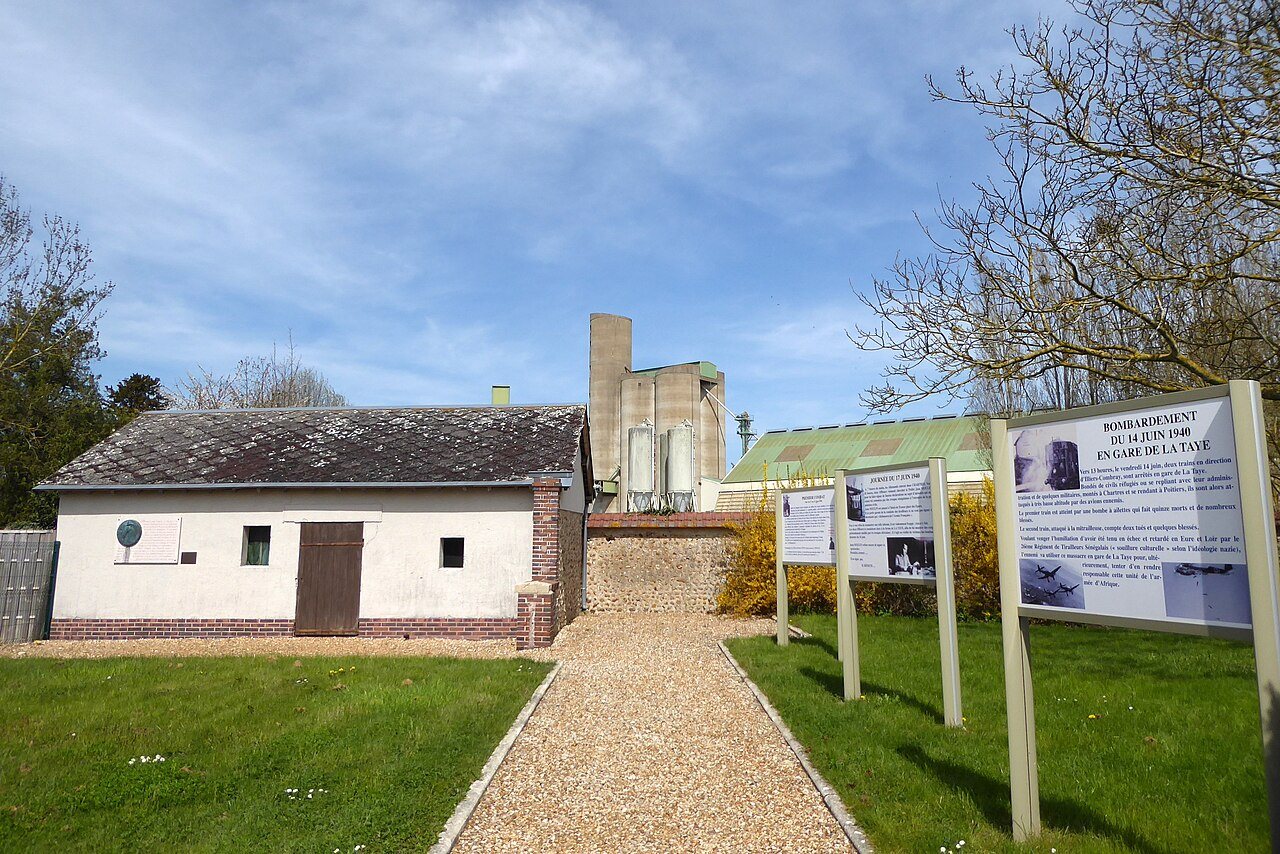


Born in Béziers in 1899, Moulin entered the prefectural administration after finishing his law degree in 1921. He served in several posts, including sous-préfet of Albertville and Châteaulin, and worked as chief of cabinet to Pierre Cot at the Air Ministry. In 1937 he became the youngest prefect in France when he was appointed to the Aveyron department. In 1939 he was made prefect of Eure-et-Loir, based in Chartres, where the war soon reached him in the form of German air strikes.
Arrest and legacy


Moulin was tortured by Klaus Barbie while in Gestapo custody, and died while being transferred to Germany, his death registered at Metz railway station. In 1964 his remains were transferred to the Panthéon, where Culture Minister André Malraux delivered a speech that became one of the most famous in French history. Monuments and memorials to him exist across France.