
Italy, officially the Italian Republic, is a country in Southern and Western Europe. It consists of a peninsula extending into the Mediterranean Sea, bordered by the Alps to the north, along with nearly 800 islands, notably Sicily and Sardinia. With nearly 59 million inhabitants, it is the third-most populous member state of the European Union, and Rome is its capital.
Ancient and medieval roots
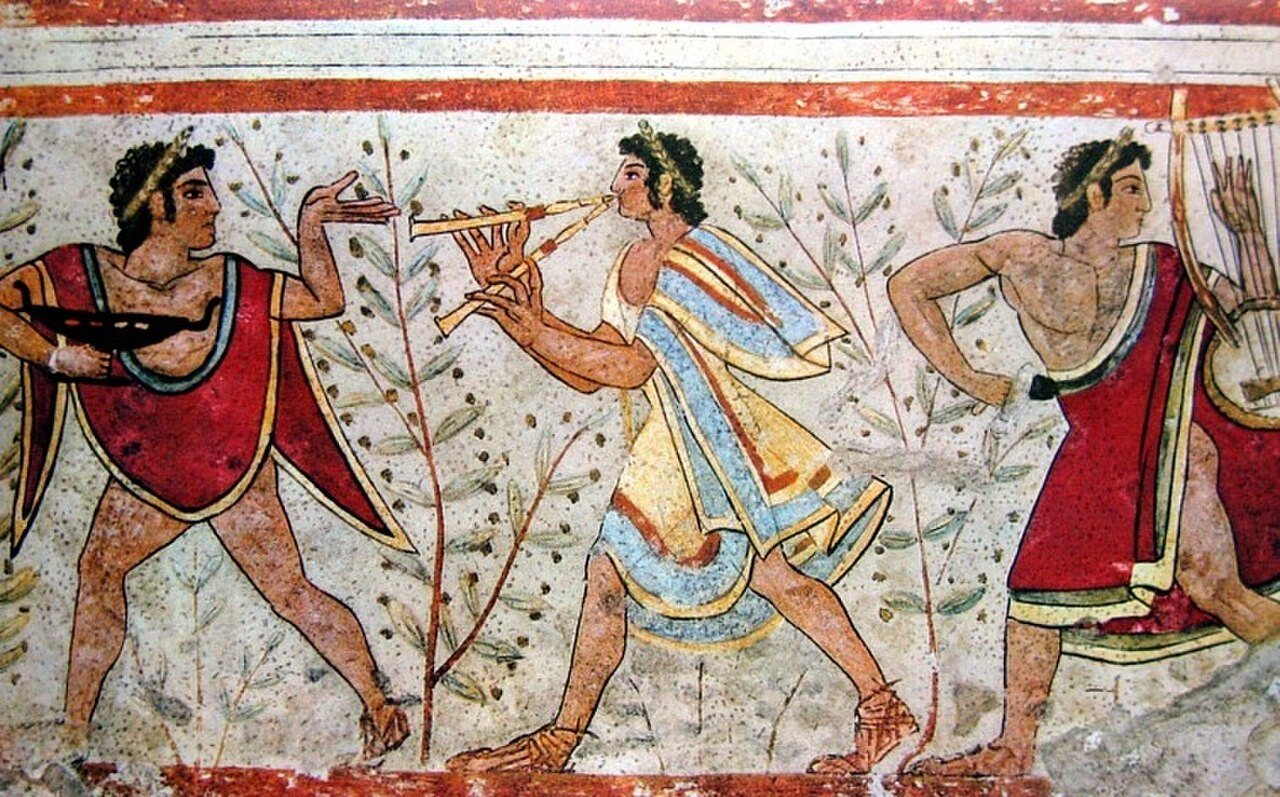


The peninsula was home to many Italic peoples, most notably the ancient Romans, who conquered the Mediterranean world during the Roman Republic and ruled it for centuries under the Roman Empire. Rome later became the seat of the Catholic Church and the Papacy. After the decline of the Western Roman Empire, Italian city-states and maritime republics grew prosperous through commerce in the 11th century, and the Italian Renaissance flourished in the 15th and 16th centuries, spreading across Europe.
Unification and modern era


After centuries of political division, the Kingdom of Italy was established in 1861. The country industrialised and acquired a colonial empire, while the south remained poor, prompting large emigration to the Americas. A fascist dictatorship was established in 1922, and after World War II the monarchy was replaced by a republic in 1946, followed by a strong economic recovery.
Economy and culture


Italy is a developed country with an advanced economy and a significant manufacturing sector. It is a founding member of the European Union. It has long been a renowned centre of art, music, literature, cuisine, fashion and science, and it has the highest number of World Heritage Sites, with 62, of any country.