factograf
EN
Sign in

german nazi politician, military leader, and convicted war criminal (1893–1946)

Hermann Göring

Hermann Göring

Key facts

date of birthJanuary 12, 1893
date of deathOctober 15, 1946
educated atLMU Munich
occupationpolitician, aircraft pilot, war criminal
place of birthRosenheim
place of deathNuremberg Court Prison
spouseCarin Göring
position heldmember of the Reichstag of the Weimar Republic
member of political partyNazi Party
award receivedPour le Mérite

Hermann Göring was a German politician, aviator, military commander, and convicted war criminal who was one of the most powerful figures in the Nazi Party. He served as Supreme Commander of the Air Force (Luftwaffe) until the final days of the regime, which governed Germany from 1933 to 1945. A World War I fighter pilot ace, he became a key architect of Nazi economic and military policy before losing favour with Adolf Hitler in the war's last months. After the war, he was sentenced to death at the Nuremberg trials and died by suicide the night before his scheduled execution.

Early life and rise
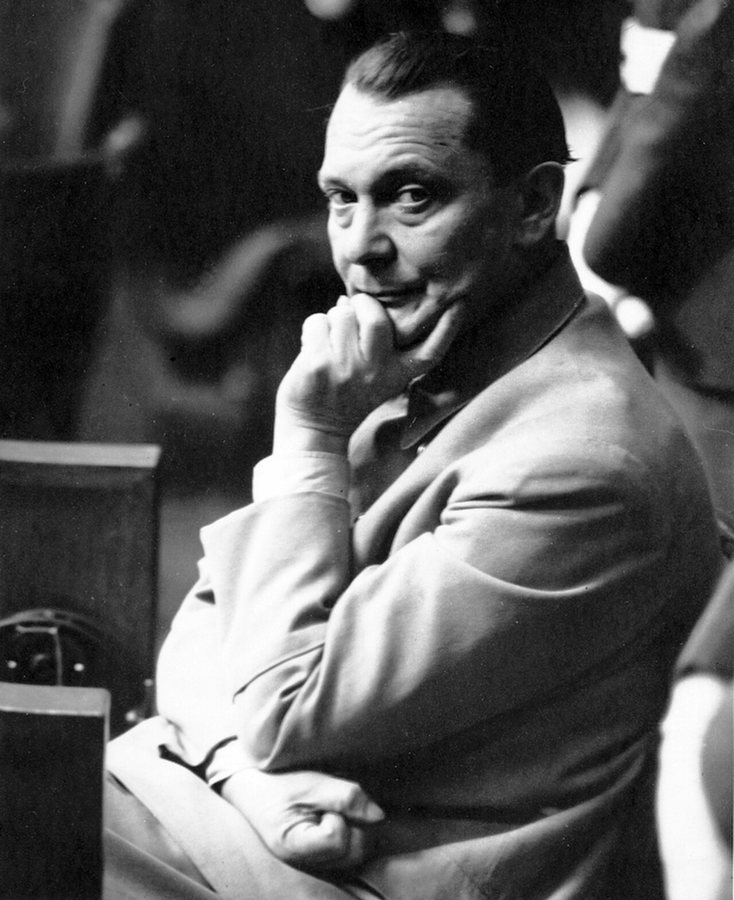
Hermann Goering at Nuremberg, cropped
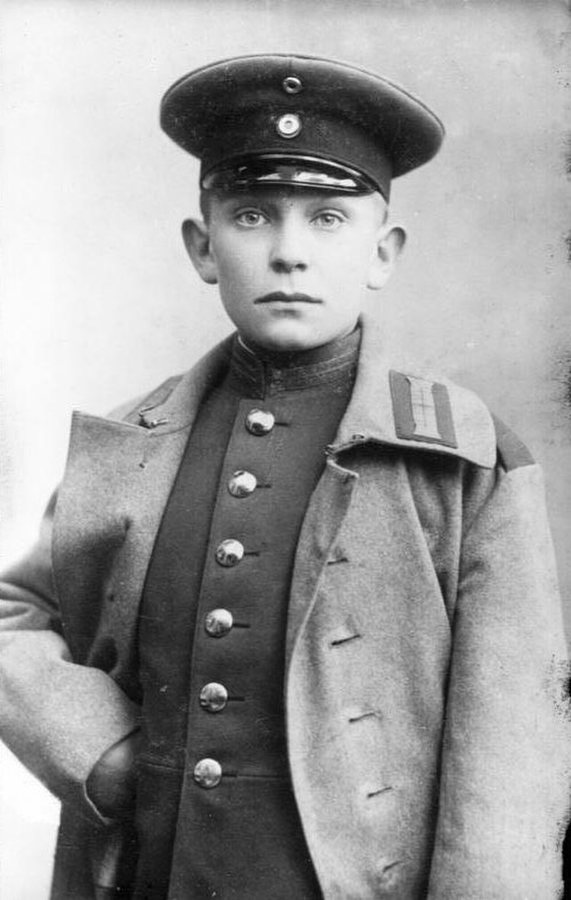
Göring in 1907, at age 14
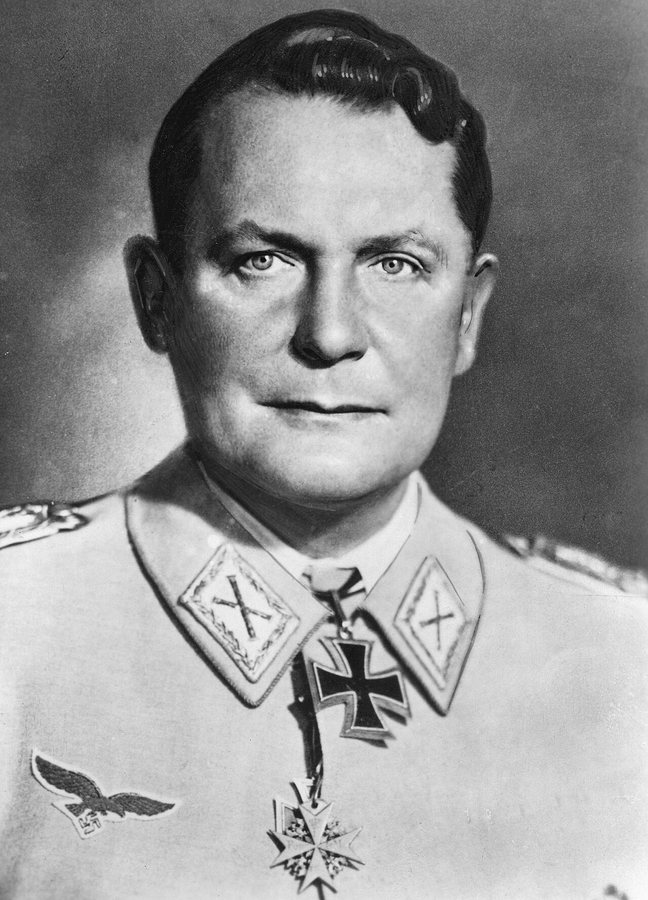
Göring with the Pour le Mérite and several awards
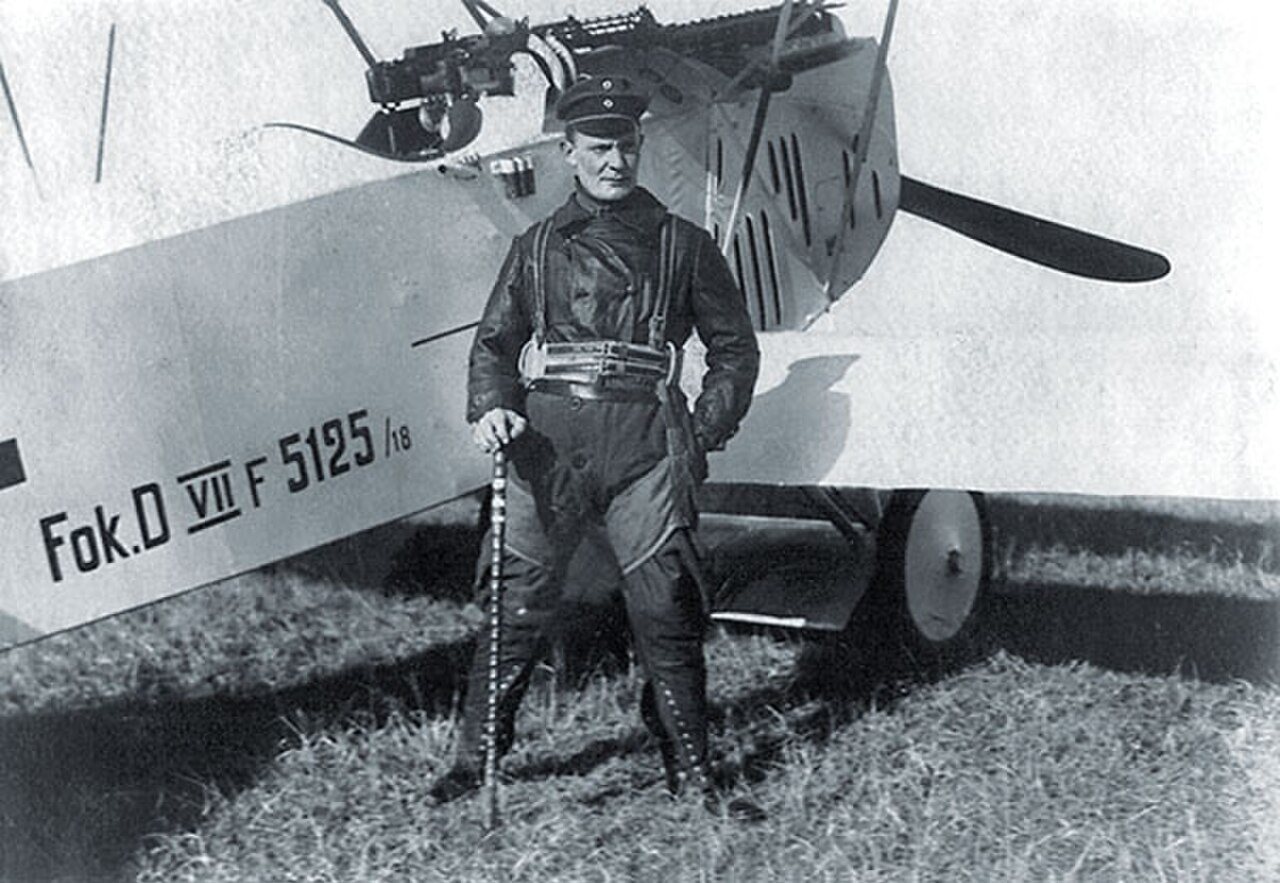
Göring in 1918 as commander of Jagdgeschwader 1 beside his Fokker D VII (F) 5125/18, holding a walking stick once owned by Manfred von Richthofen
Göring (left) stands in front of Hitler at a Nazi Party rally in Nuremberg, 1929
NSDAP delegation camp service in 1931; in the first row are SS chief Heinrich Himmler, SA chief Ernst Röhm and Göring
6 images

Göring was born in Rosenheim, Bavaria, in 1893 to a former cavalry officer who had served as the first governor-general of German South West Africa. Interested in a military career from childhood, he attended a military academy and joined the Prussian Army in 1912. After the outbreak of World War I, he trained as a pilot and later commanded Jagdgeschwader 1, the fighter wing once led by Manfred von Richthofen. He joined the Nazi Party early and was wounded in Hitler's failed Beer Hall Putsch in 1923.

Power in the Nazi state

Göring with British War Secretary Lord Halifax at Schorfheide, 20 November 1937
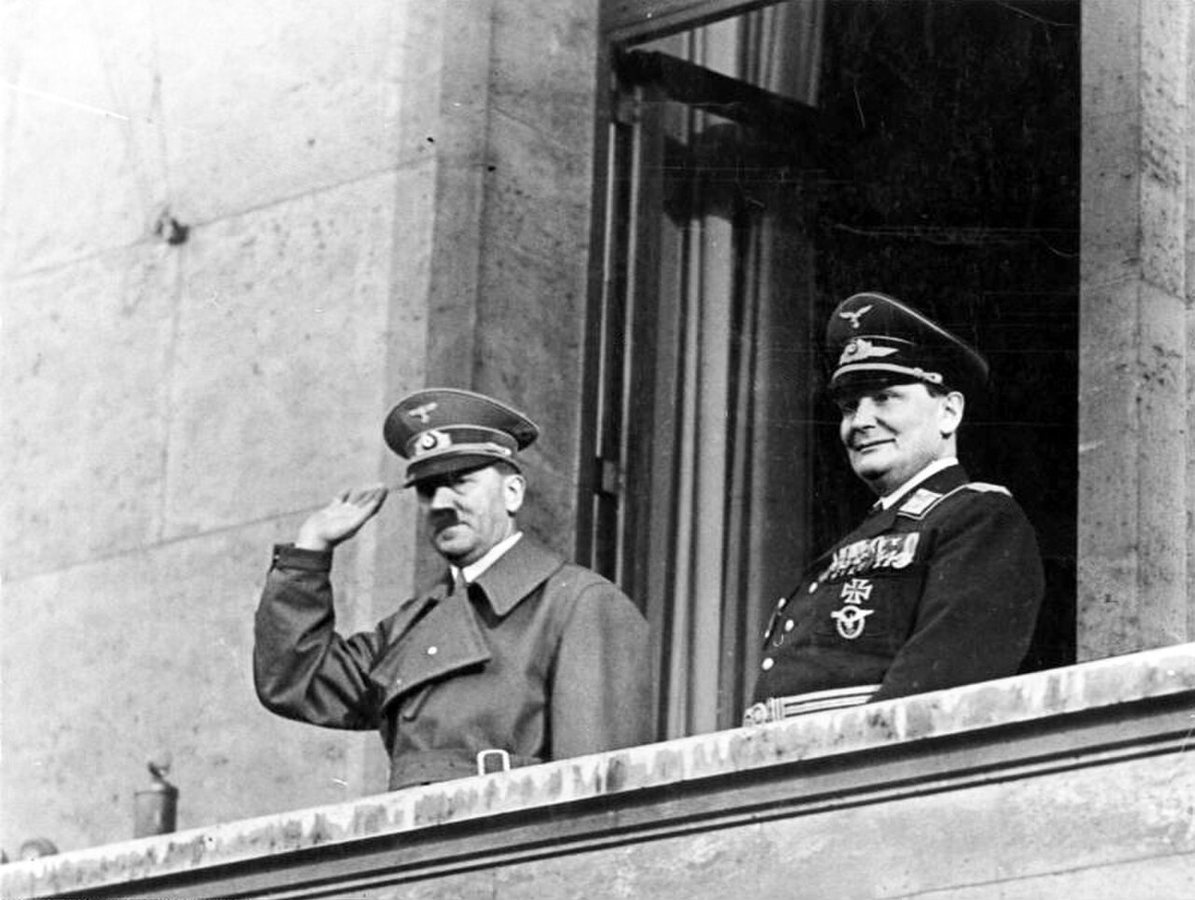
Hitler with Göring on the balcony of the Chancellery, Berlin, 16 March 1938
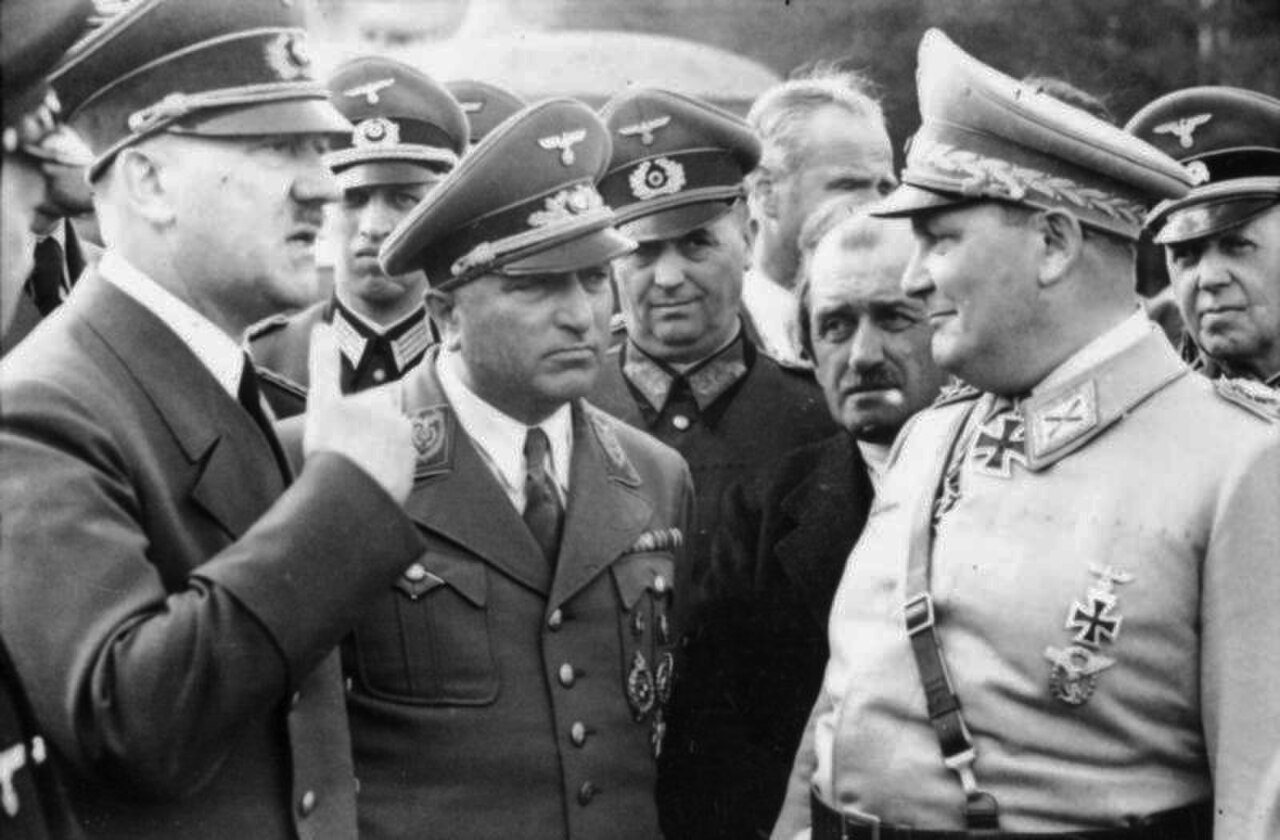
Hitler, Robert Ley, automotive engineer Ferdinand Porsche and Göring at the Wolf's Lair in 1942
Göring with Hitler and Albert Speer, 10 August 1943
Göring in captivity, 9 May 1945
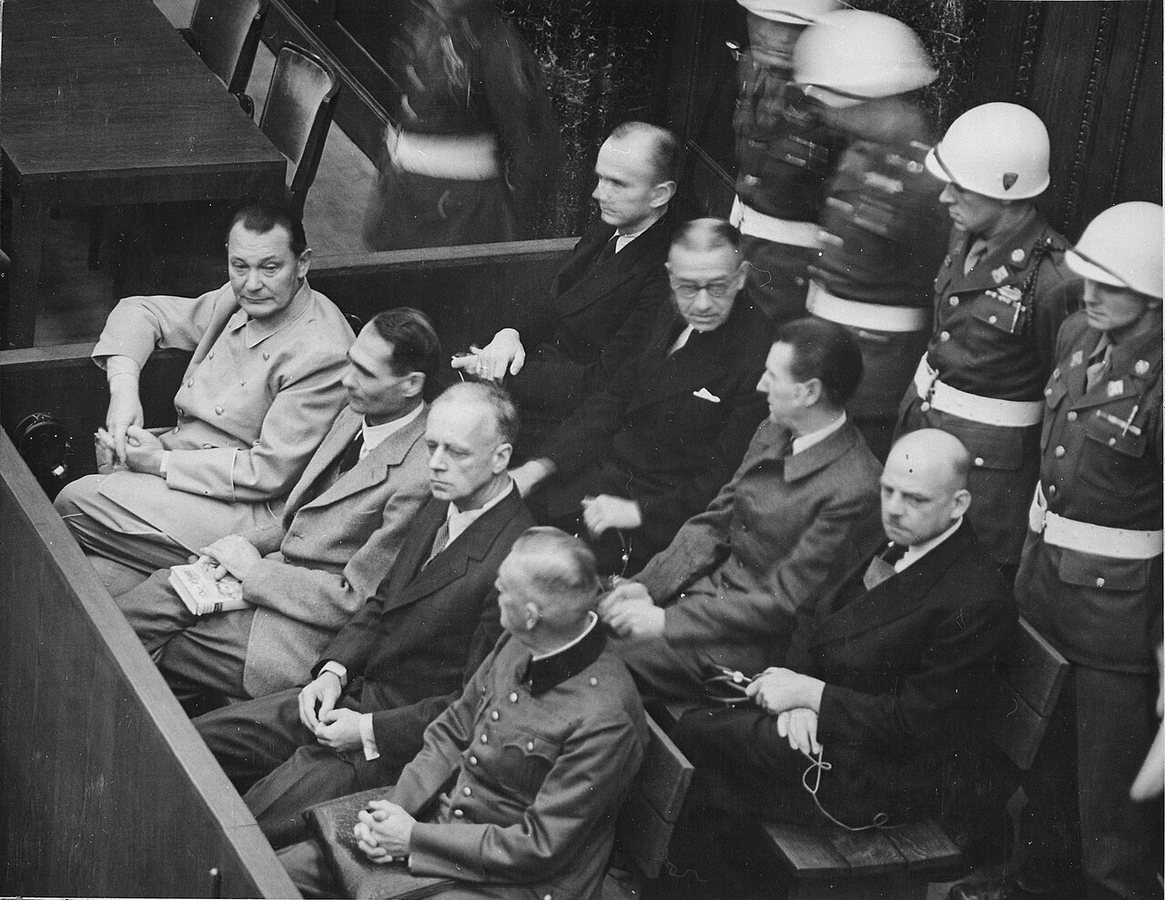
Göring (first row, far left) at the Nuremberg trial
6 images

After Hitler became Chancellor in 1933, Göring took a cabinet post and oversaw the creation of the Gestapo, which he later handed to Heinrich Himmler. In 1936 he was named Plenipotentiary of the Four Year Plan, tasked with mobilising the economy for war, which placed many government agencies under his control. In 1939 Hitler named him his successor, and in 1940 he was given the newly created rank of Reichsmarschall, senior to all officers of the armed forces.

Decline and trial
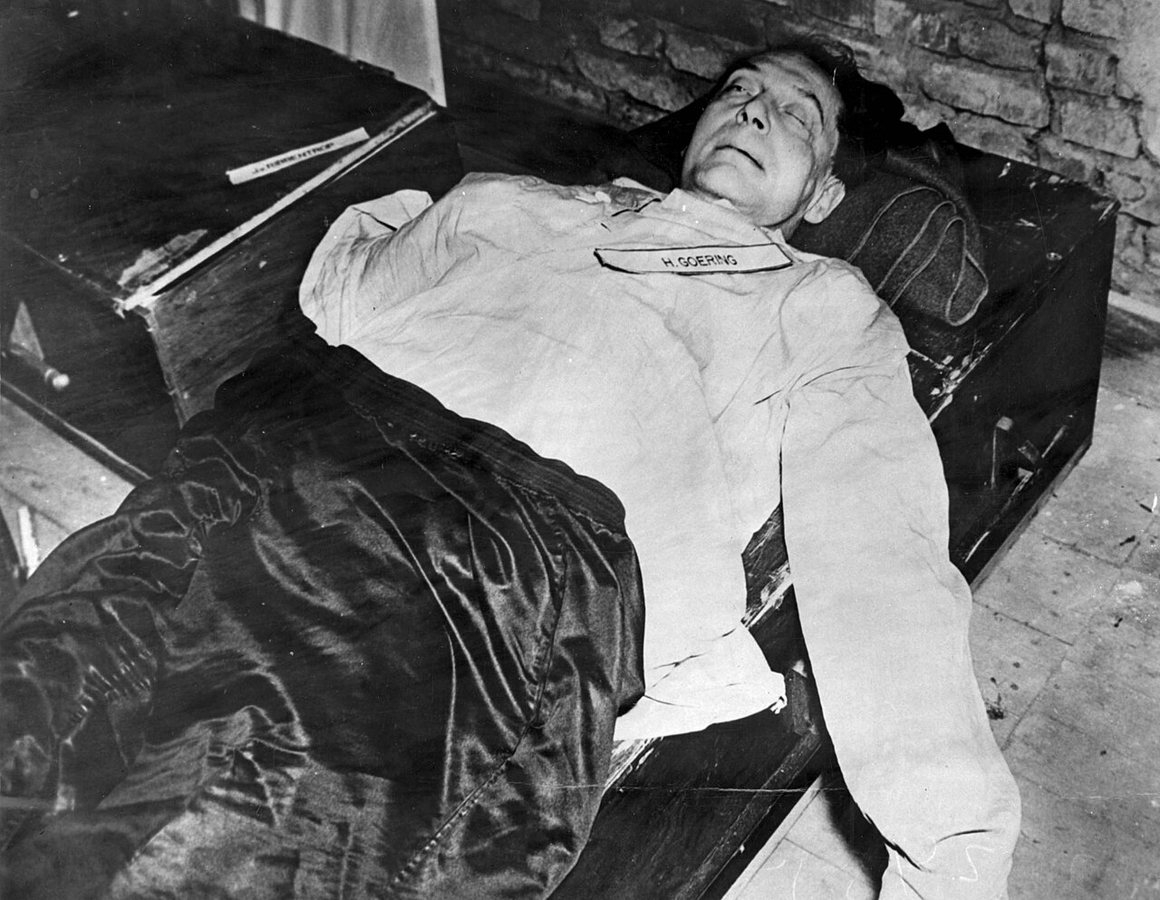
Göring's corpse
Göring's corpse
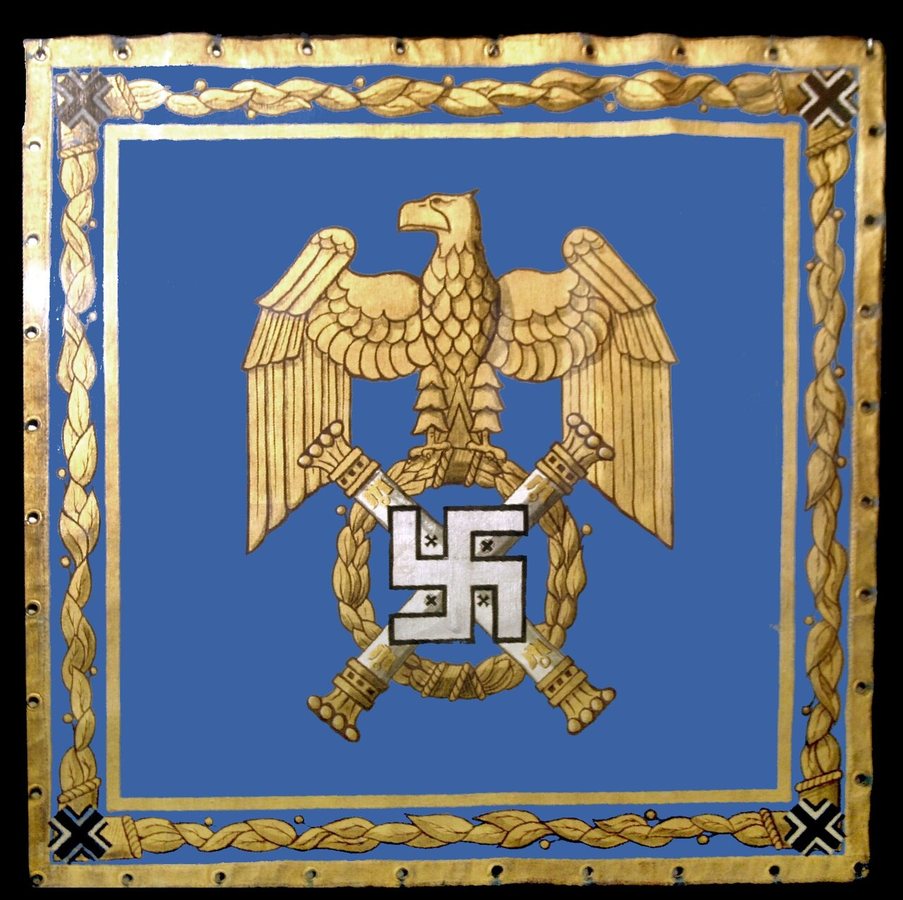
Standard on display at the Musée de la Guerre in Les Invalides, Paris
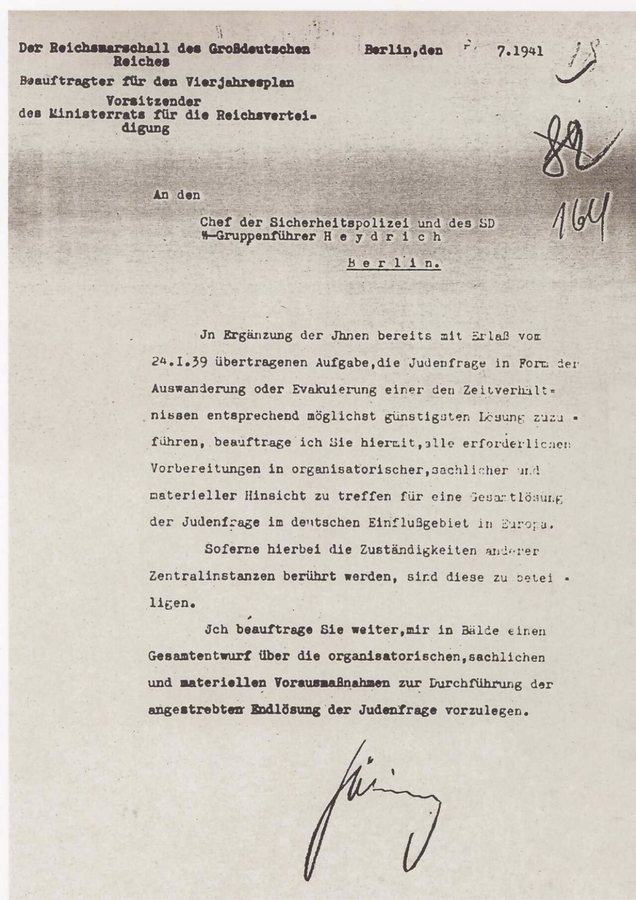
Göring's July 1941 letter to Reinhard Heydrich
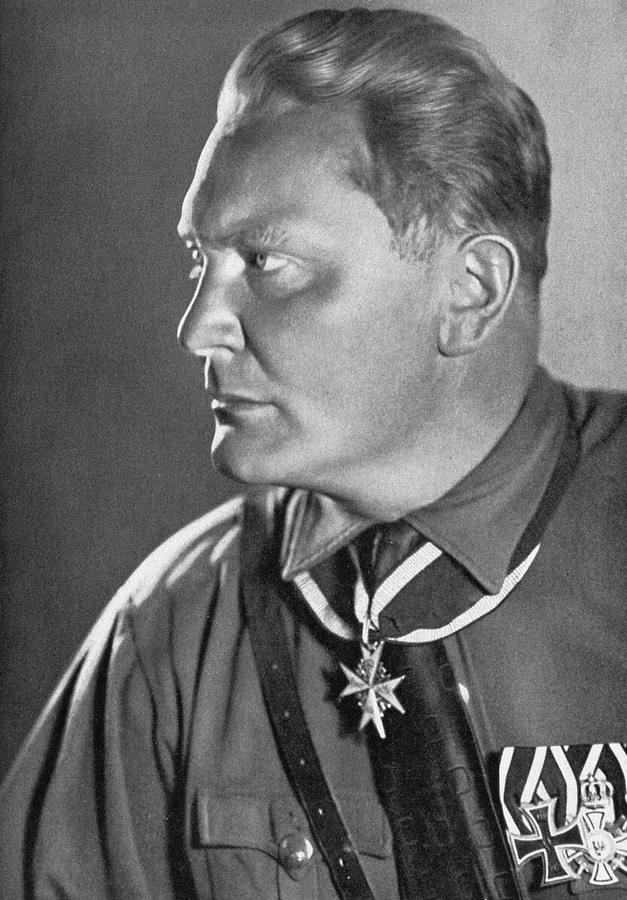
Göring wearing his Pour le Mérite medal, 1932
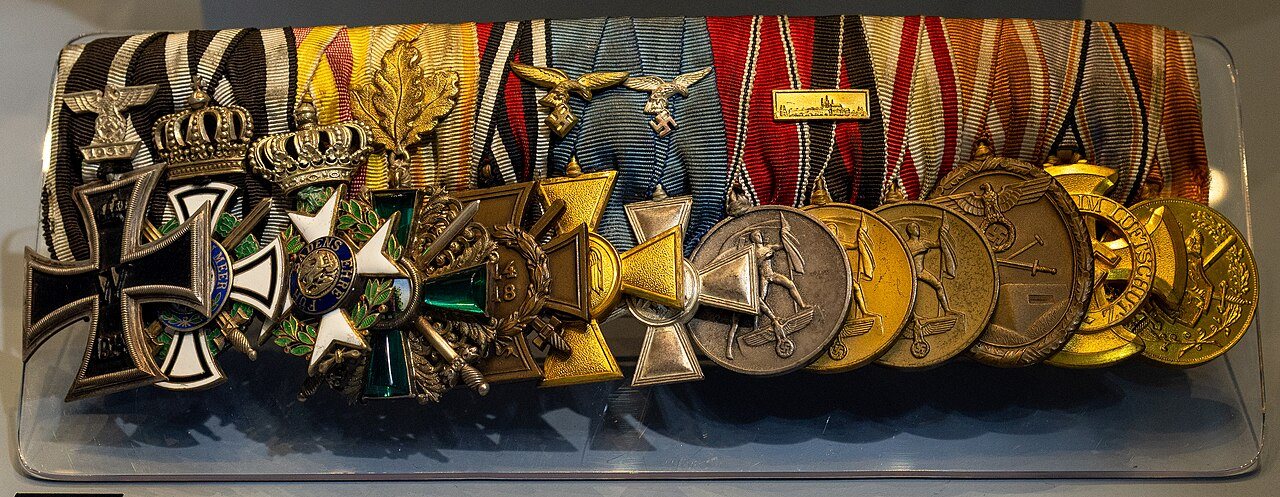
Göring's medal bar displayed at the Royal Air Force Museum London
5 images

As the war went on, his standing fell after the Luftwaffe failed to stop Allied bombing of German cities and to supply encircled forces at Stalingrad. He increasingly devoted himself to collecting property and artwork, much of it taken from Jewish victims of the Holocaust. In April 1945 he asked Hitler for permission to take over leadership of the Reich, and Hitler, regarding this as treason, removed him from all posts. At the Nuremberg trials in 1946 he was convicted of conspiracy, crimes against peace, war crimes and crimes against humanity, and sentenced to hang.

Read next

In 82 languages

Редакція Factograf · Published October 14, 2026 · Partly based on Wikipedia, CC BY-SA 4.0 · Source article