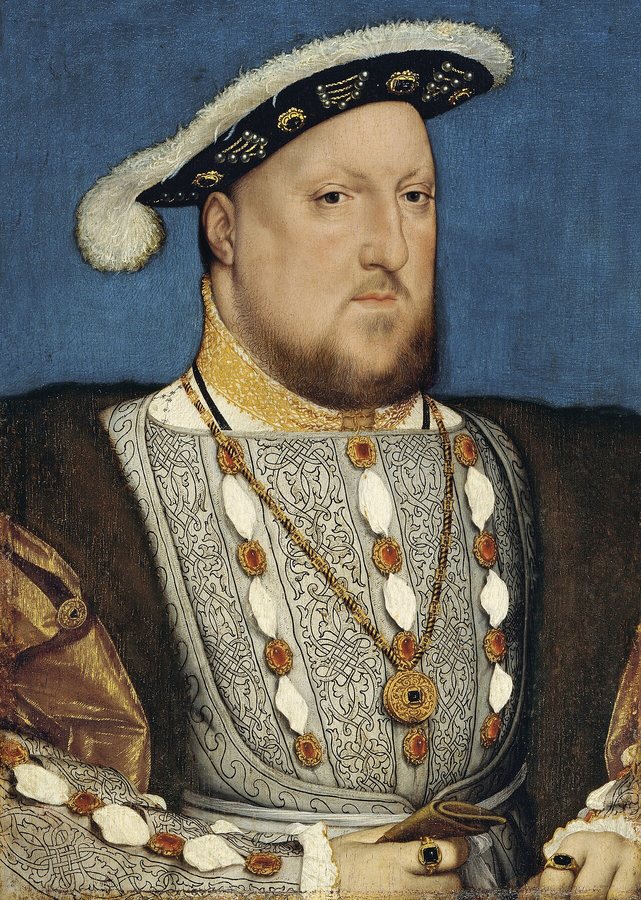
Henry VIII (1491–1547) was King of England and Ireland from 1509 until his death. He succeeded his father, Henry VII, and was described as attractive, educated and accomplished in the early years of his reign. His break with Rome, after the Pope refused to annul his marriage to Catherine of Aragon, led to his becoming Supreme Head of the Church of England and to the dissolution of the Catholic monasteries, contributing to the English Reformation. He is remembered for his six marriages and for the executions of two of his wives.
Early years


Henry was born in Greenwich as the second son of Henry VII and Elizabeth of York. His elder brother Arthur was heir apparent until his death in 1502, after which Henry was created Prince of Wales. Because he was not expected to become king, his early life is poorly documented, but he received a strong education and became fluent in Latin and French. Henry VII kept his second son under close supervision and gave him few public responsibilities, so Henry came to the throne with little practical training in government.
Break with Rome


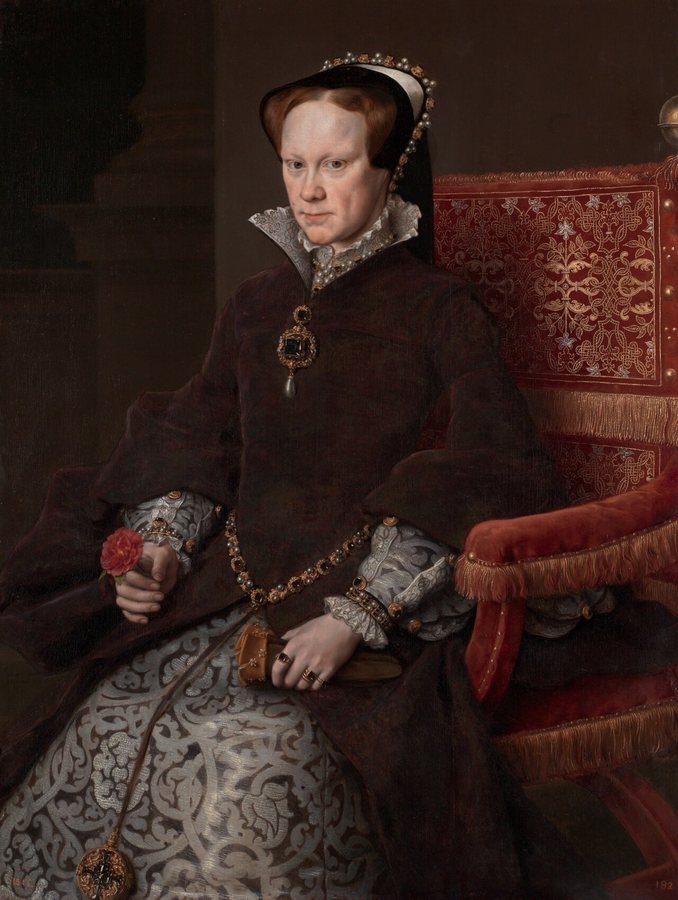


Henry sought an annulment of his marriage to Catherine of Aragon, appealing to Pope Clement VII when he wanted a male heir. After the Pope refused, Archbishop Thomas Cranmer declared the marriage void in 1533, and the Pope excommunicated Henry. Henry then passed the Acts of Supremacy, making himself Supreme Head of the Church of England. He dissolved the Catholic monasteries and seized their wealth, a move that played a central role in the English Reformation.