
Greenland is an autonomous territory of the Kingdom of Denmark and the world's largest island. Lying between the Arctic and Atlantic oceans, east of the Canadian Arctic Archipelago, it is the largest of the kingdom's three constituent parts by land area. Its capital and largest city is Nuuk. Most residents are Inuit, and the population is concentrated on the southwest coast, leaving the rest of the island sparsely settled. Greenland relies heavily on financial aid from Denmark, and its citizens are Danish citizens.
Early settlement


Greenland has been inhabited at intervals for at least 4,500 years by circumpolar peoples whose ancestors migrated there from what is now Canada. Norse settlers from Norway arrived in the 10th century, founding settlements on the southwestern coast. Their descendants lived there for about 400 years before disappearing in the late 15th century, perhaps as the climate cooled. Dano-Norwegian explorers later reached the island again in the 17th century and established a lasting Scandinavian presence.
Path to self-government


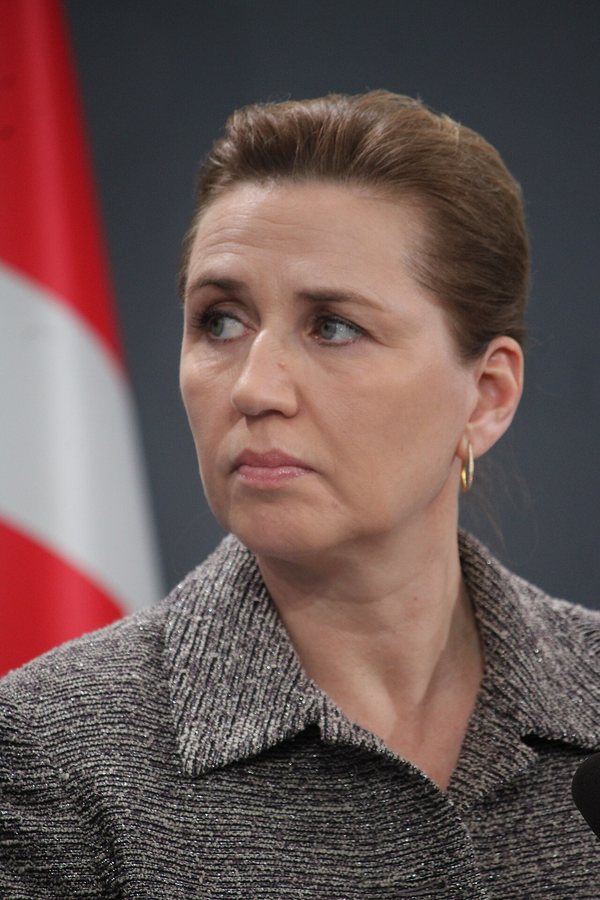


After Denmark and Norway separated in 1814, Greenland passed to the Danish crown. The 1953 Danish constitution ended its colonial status and fully integrated it into the Danish state. Home rule was granted in 1979, and a 2008 referendum approved a Self-Government Act that transferred further powers to the local government. Denmark still controls citizenship, monetary policy, security and foreign affairs. Greenland's strategic location and mineral resources give it importance for Denmark, NATO and the European Union.