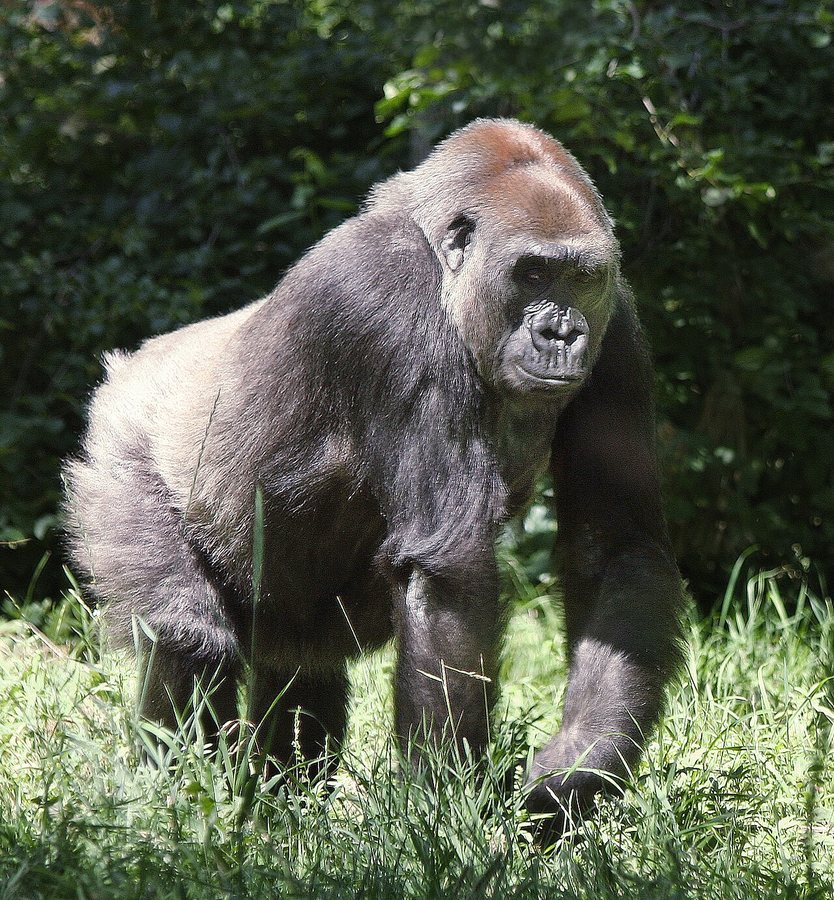
Gorillas are large, mostly herbivorous great apes that live in the tropical forests of equatorial Africa. The genus is divided into two species, the eastern gorilla and the western gorilla, each with two or more subspecies. Gorillas are the closest living relatives of humans after the chimpanzees and bonobos, with DNA highly similar to that of people. Both species are classified as Critically Endangered, mainly because of poaching, habitat loss and disease.
Size and behaviour
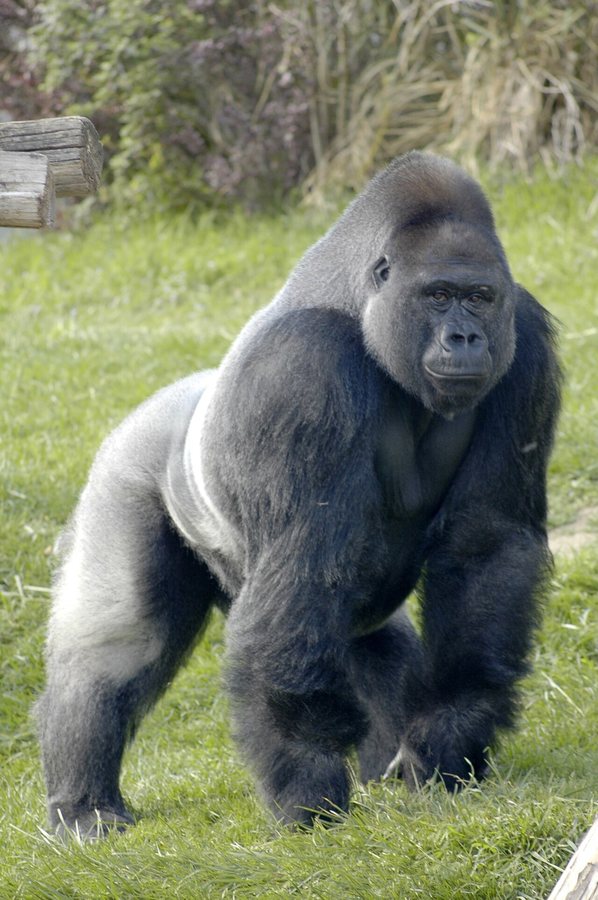
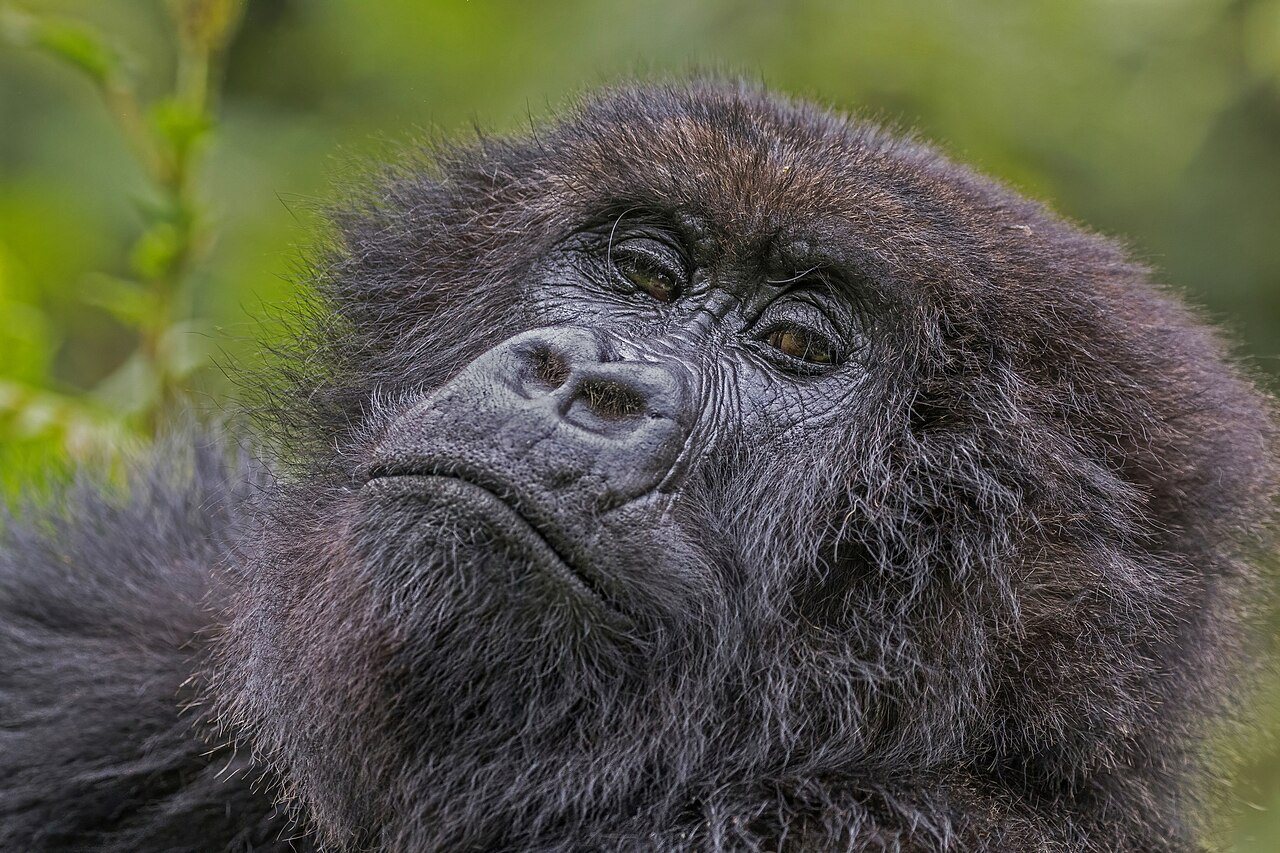


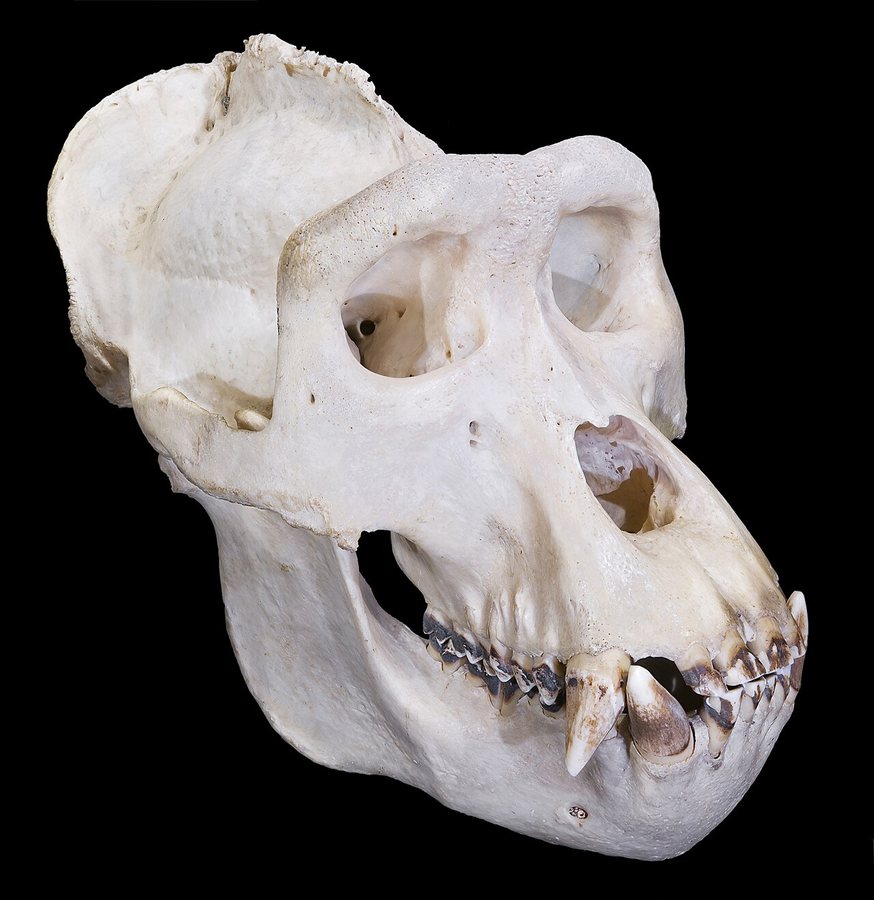

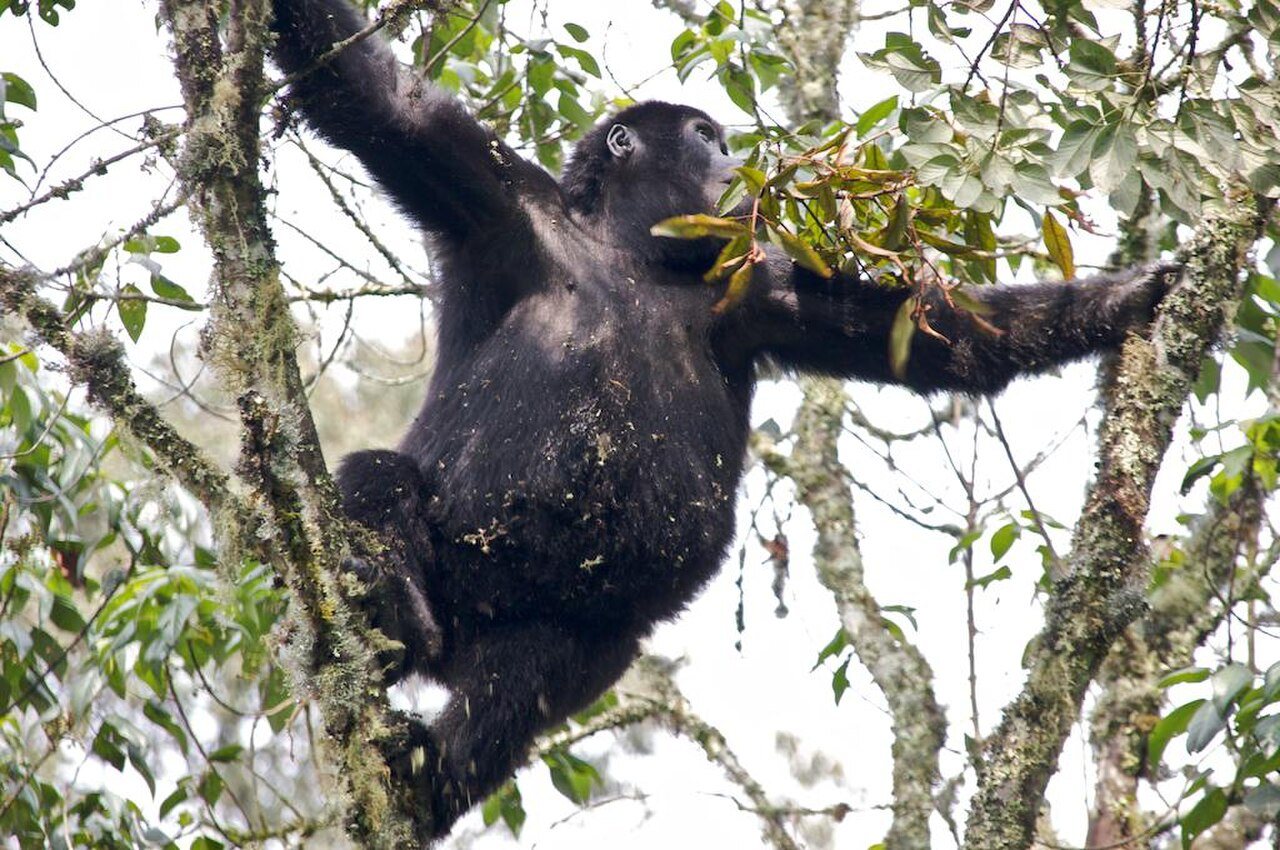
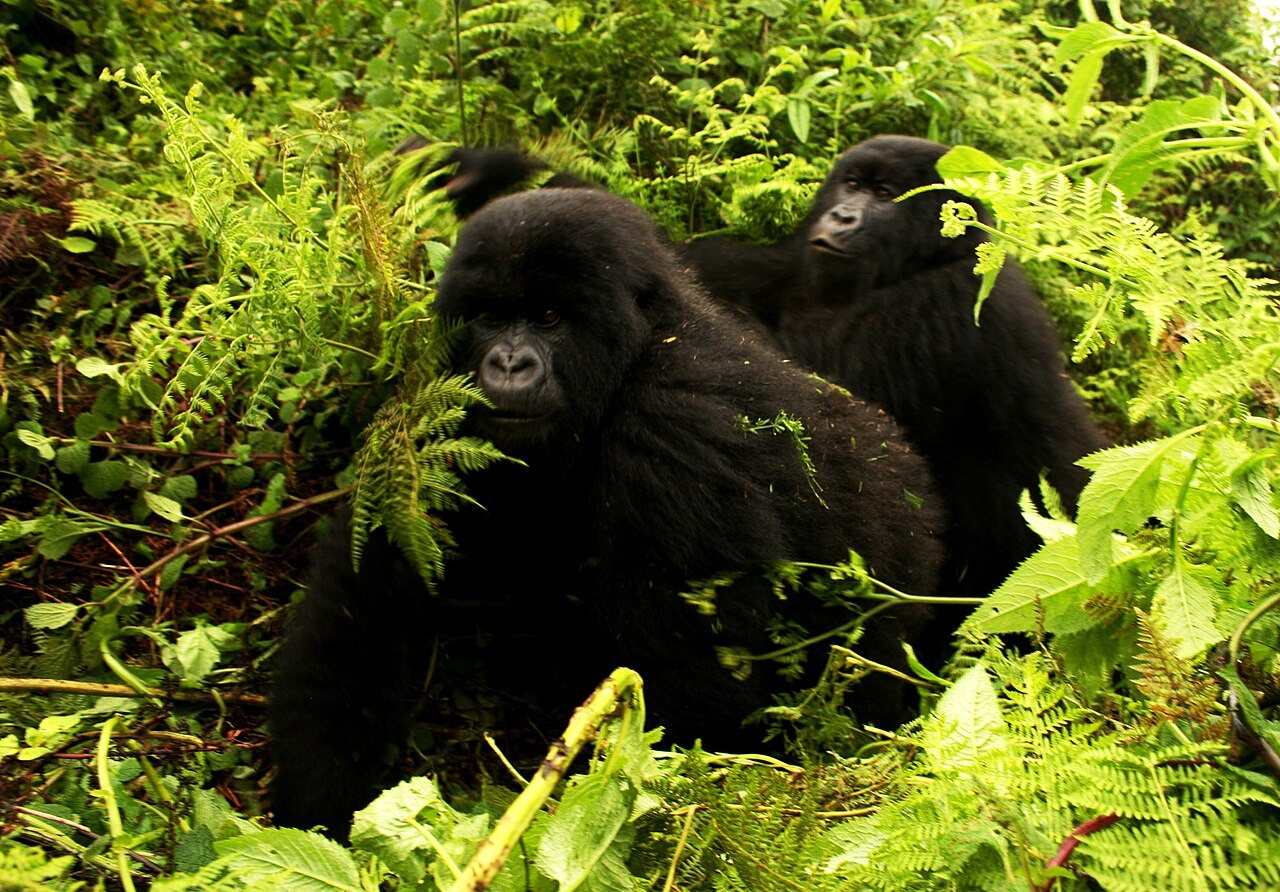
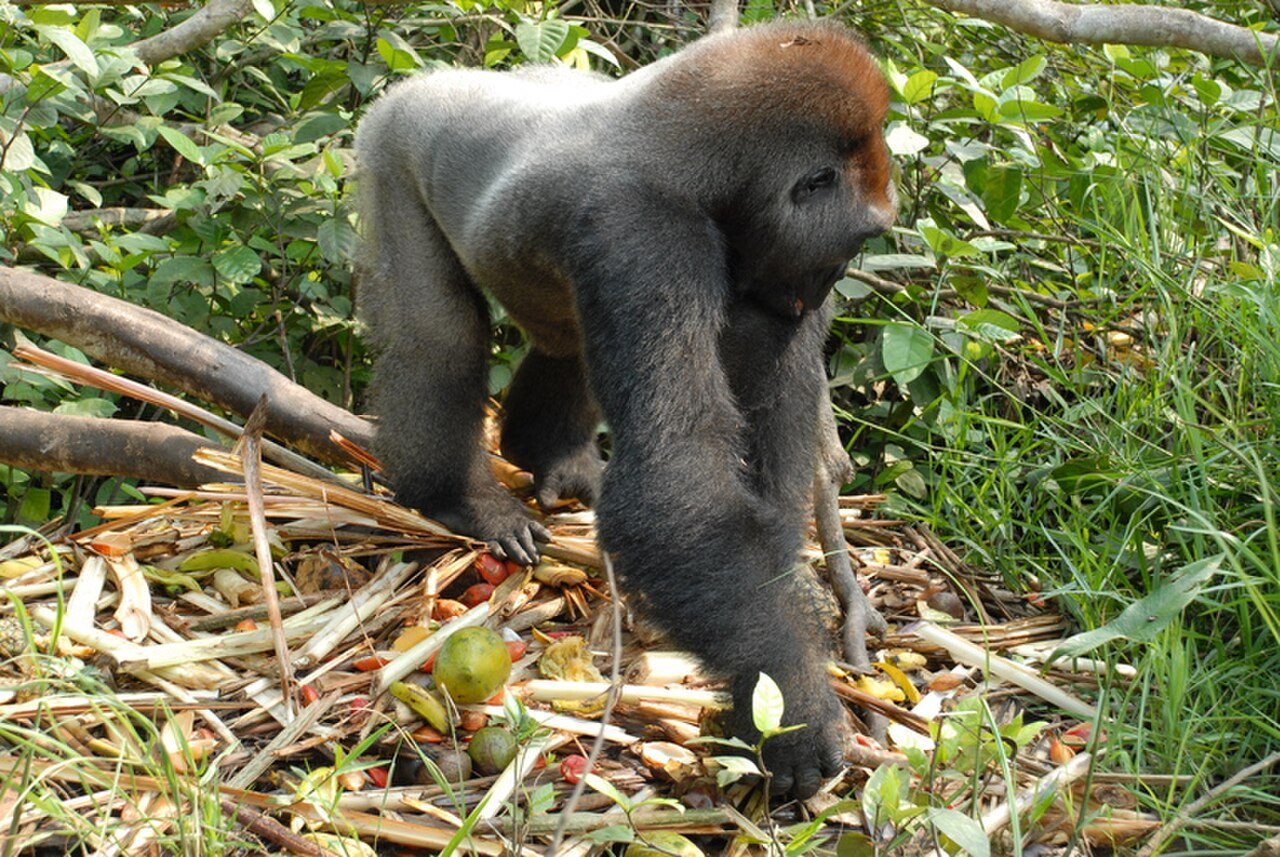
Gorillas are the largest living primates. Males weigh about twice as much as females and can be much taller, and the arm span of an individual exceeds its body length. Gorillas tend to live in troops led by a dominant male called a silverback. The eastern gorilla is distinguished from the western by darker fur and some minor physical differences. In the wild they typically live 35 to 40 years.
Habitat and classification
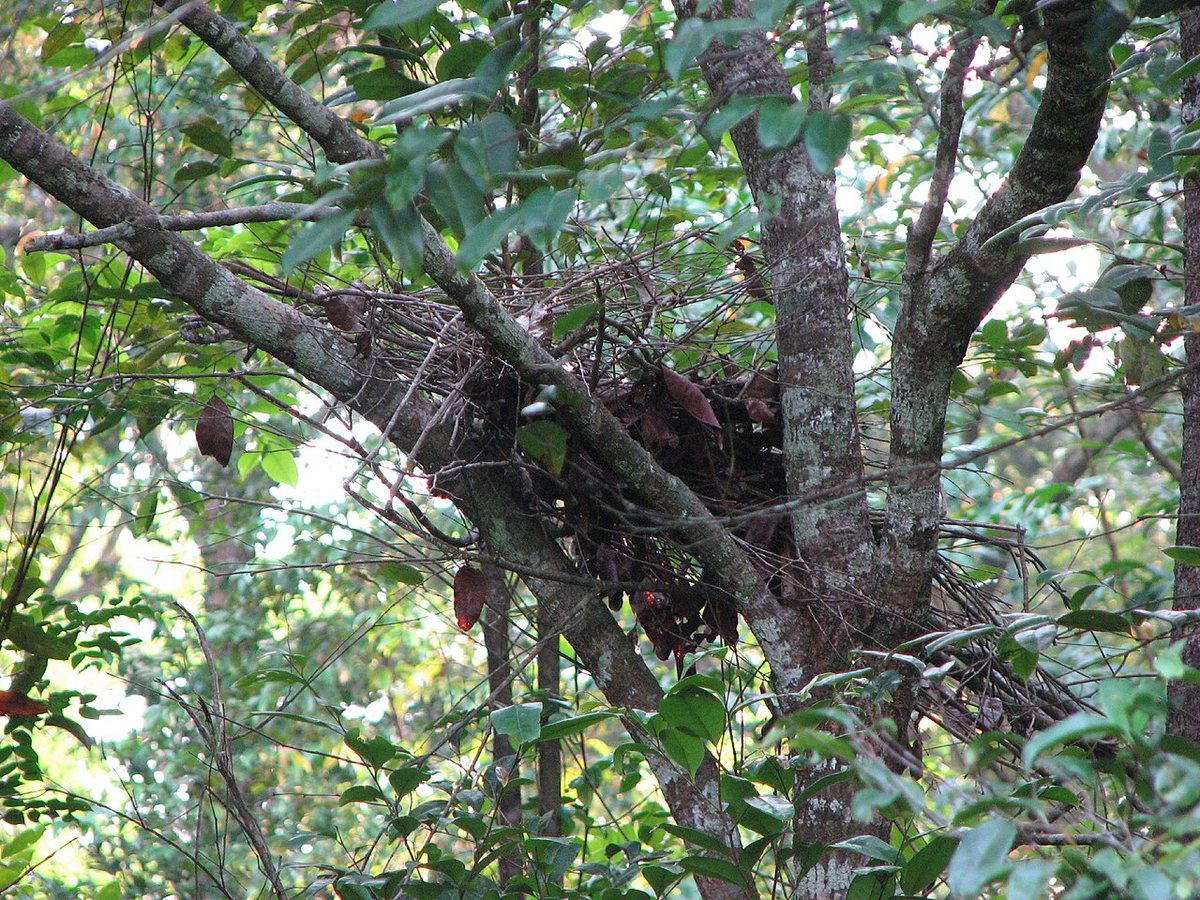
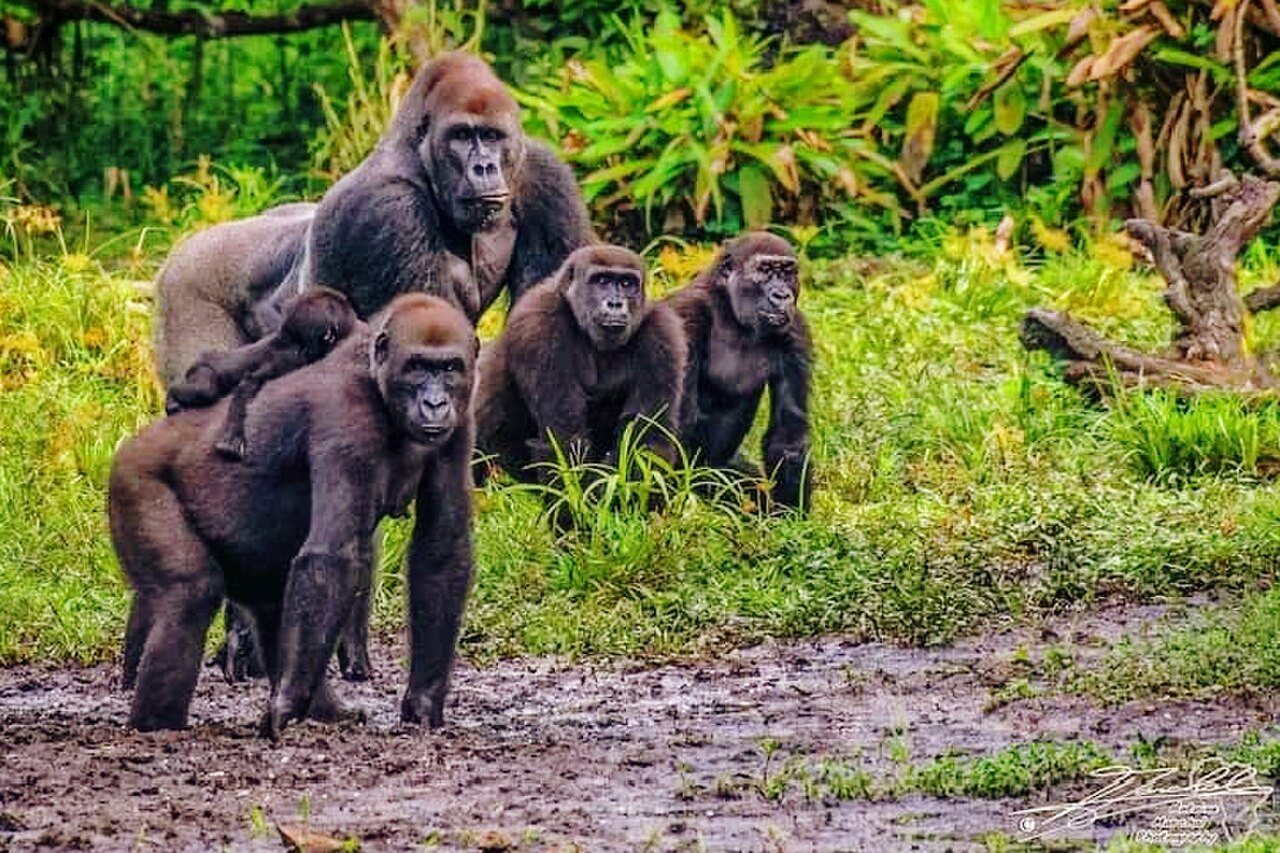
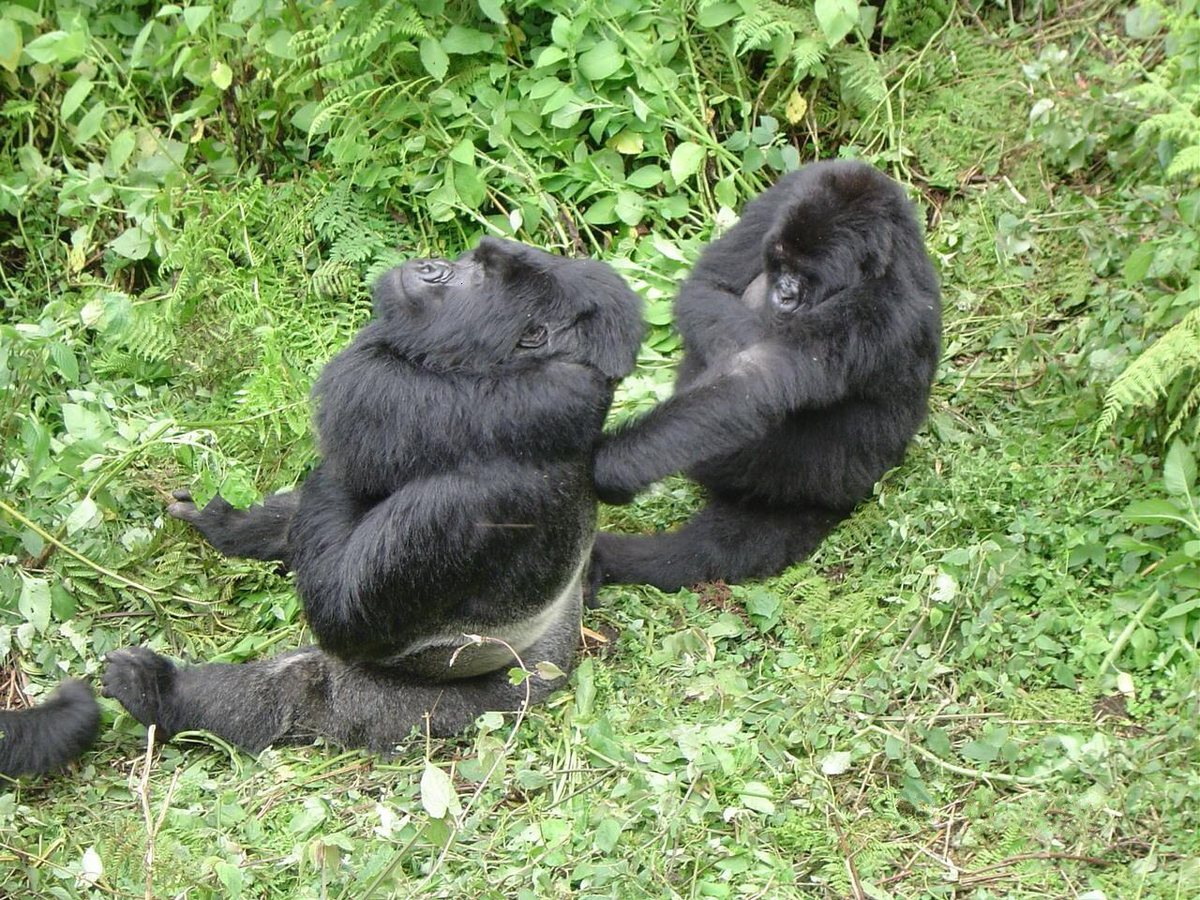
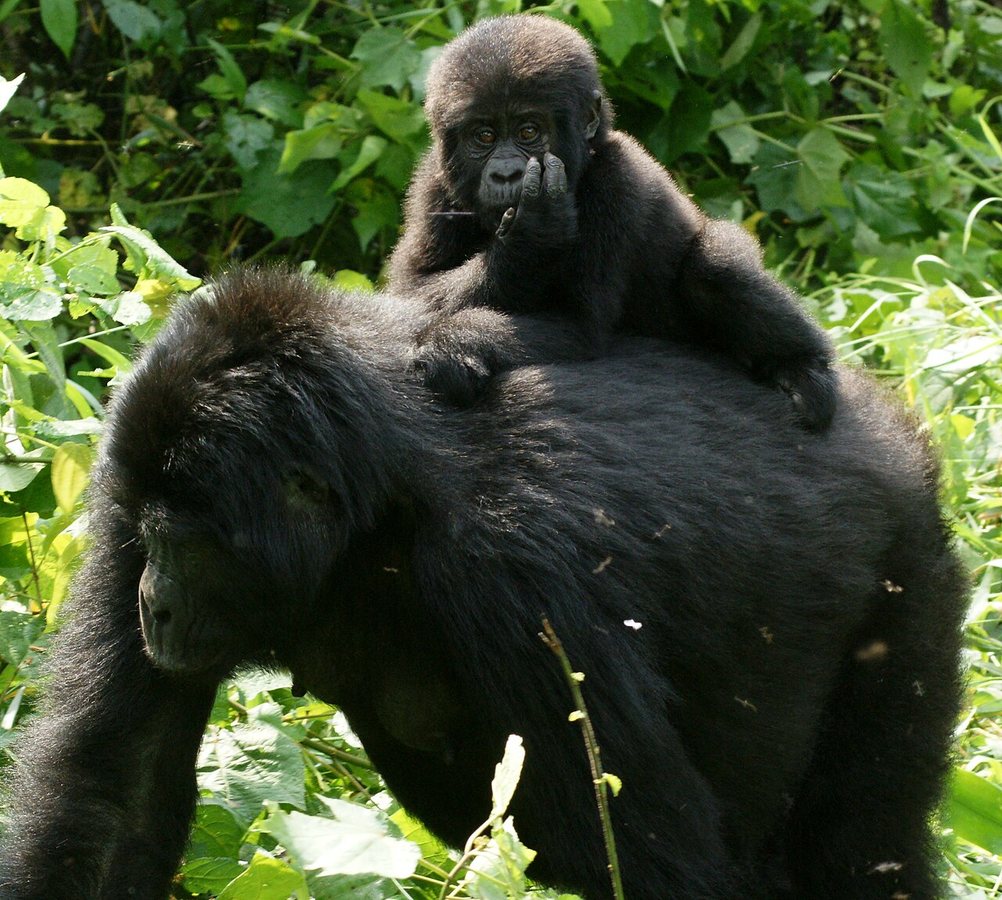

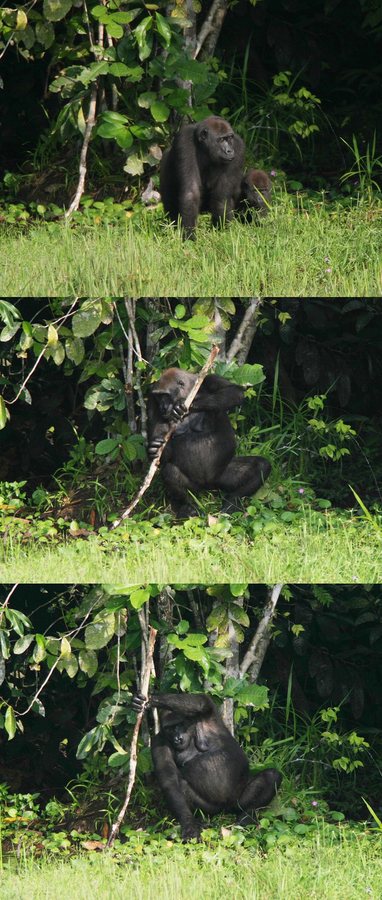

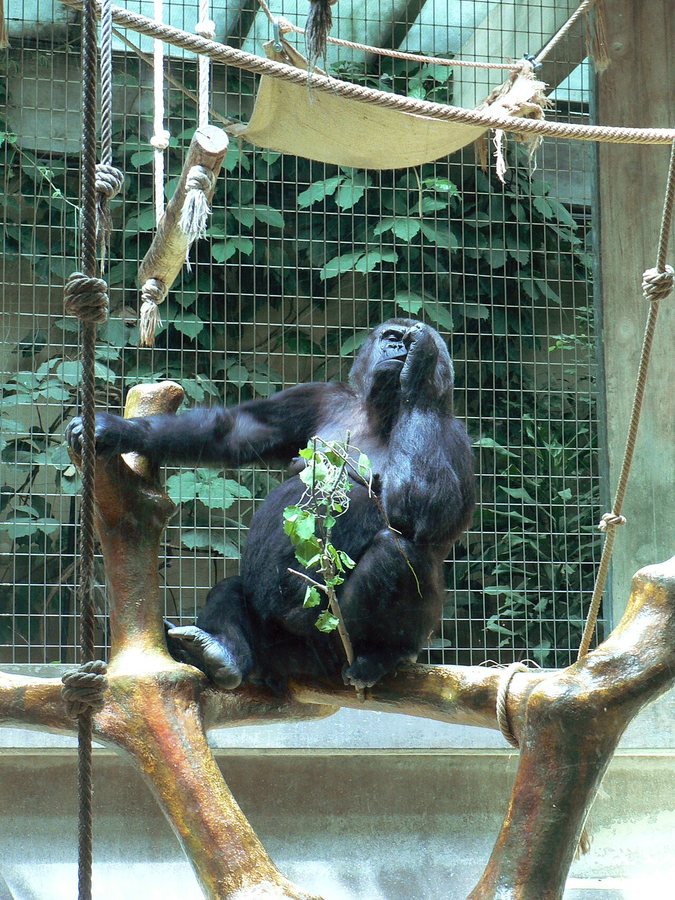


Gorillas live in tropical or subtropical forests in Sub-Saharan Africa, across a wide range of elevations. Mountain gorillas inhabit cloud forests on volcanic slopes at high altitude, while lowland gorillas live in dense forests and swamps near sea level. Their name comes from an account by the Carthaginian explorer Hanno, while the western species was first described scientifically in 1847.