
Genghis Khan (born Temüjin, c. 1162 – 18 or 25 August 1227), also known as Chinggis Khan, was the founder and first khan of the Mongol Empire. After spending most of his life uniting the Mongol tribes, he led a series of military campaigns that conquered large parts of China and Central Asia. He remains a controversial figure, admired for his loyalty to followers yet remembered for the millions killed by his armies.
Early life and rise

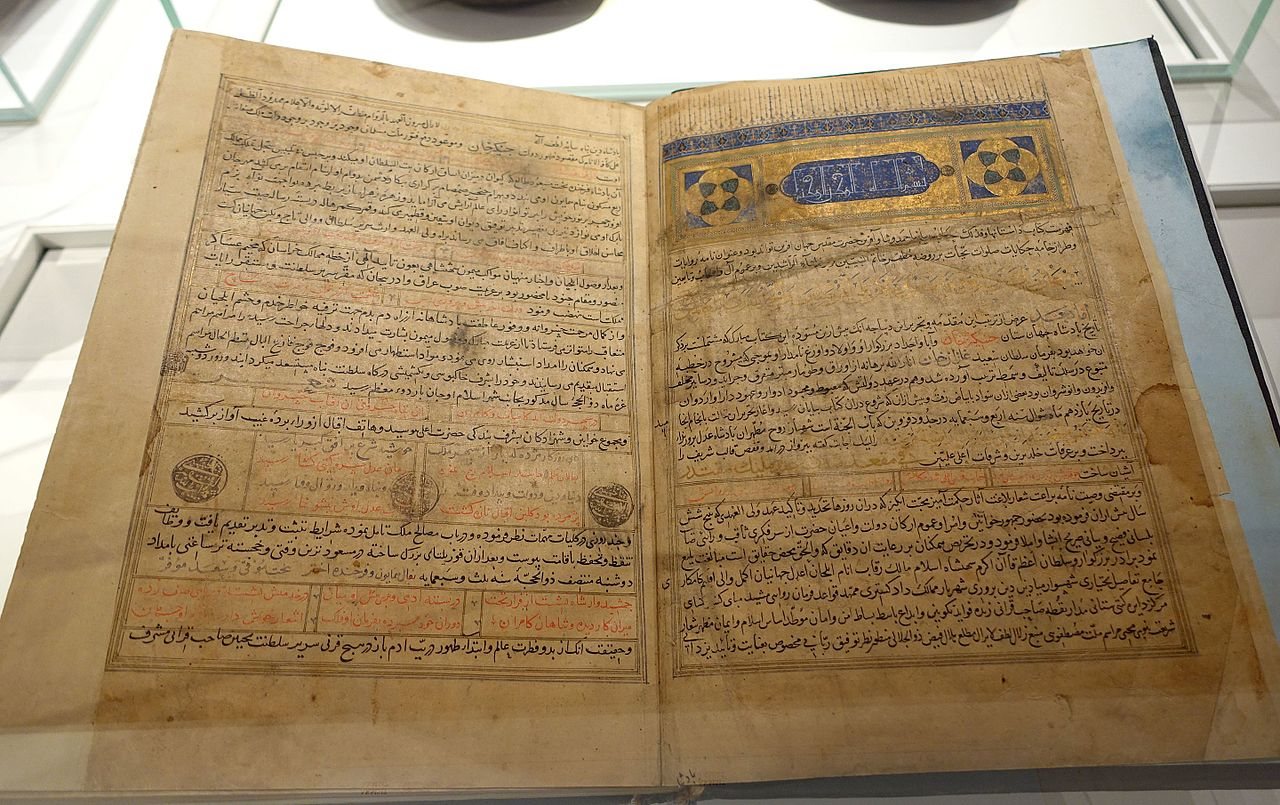


Temüjin was born to Yesugei, a Mongol chieftain of the Borjigin clan, and his wife Hö'elün. After his father died when he was about eight, his family was abandoned by its tribe and fell into near-poverty. Through his charisma he attracted early followers and formed alliances with steppe leaders such as Toghrul. Rivalry with Jamukha led to open warfare, and after a period of defeat Temüjin began to regain power in 1196. Victories over Toghrul, the Naiman tribe and Jamukha left him sole ruler of the Mongolian steppe.
Conquests and legacy


In 1206 Temüjin took the title Genghis Khan at an assembly and reformed the tribal structure into a meritocracy serving the ruling family. He then launched campaigns against the Western Xia, the Jin dynasty, Qara Khitai and the Khwarazmian Empire. He died in 1227 while subduing the Western Xia, and his third son Ögedei succeeded him. He is viewed differently across regions, and he is honoured in Mongolia as the founding father of the nation.