
Generation Z, often shortened to Gen Z and informally known as Zoomers, is the demographic cohort that follows Millennials and precedes Generation Alpha. It is typically defined as people born from 1997 to 2012, although researchers and media outlets use varying date ranges. Its members are mostly children of younger Baby Boomers, Generation X and older Millennials, and many are expected to become parents of Generation Alpha and Generation Beta.
Digital upbringing
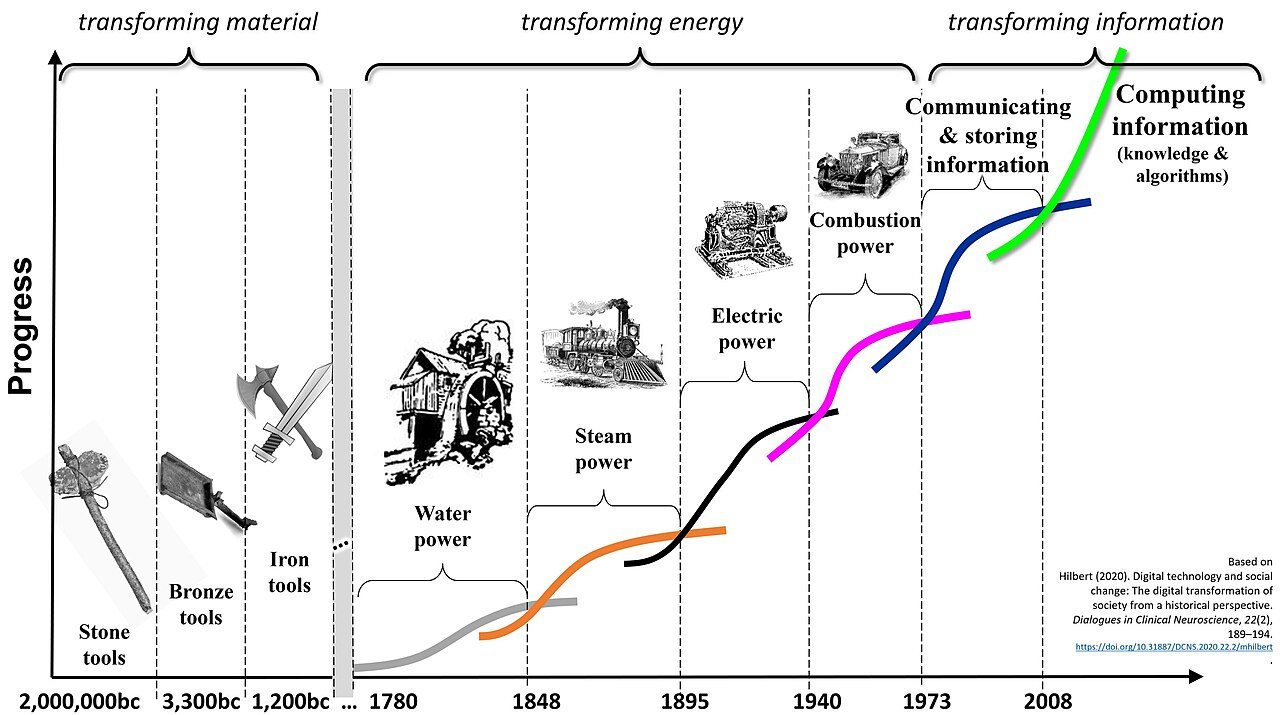




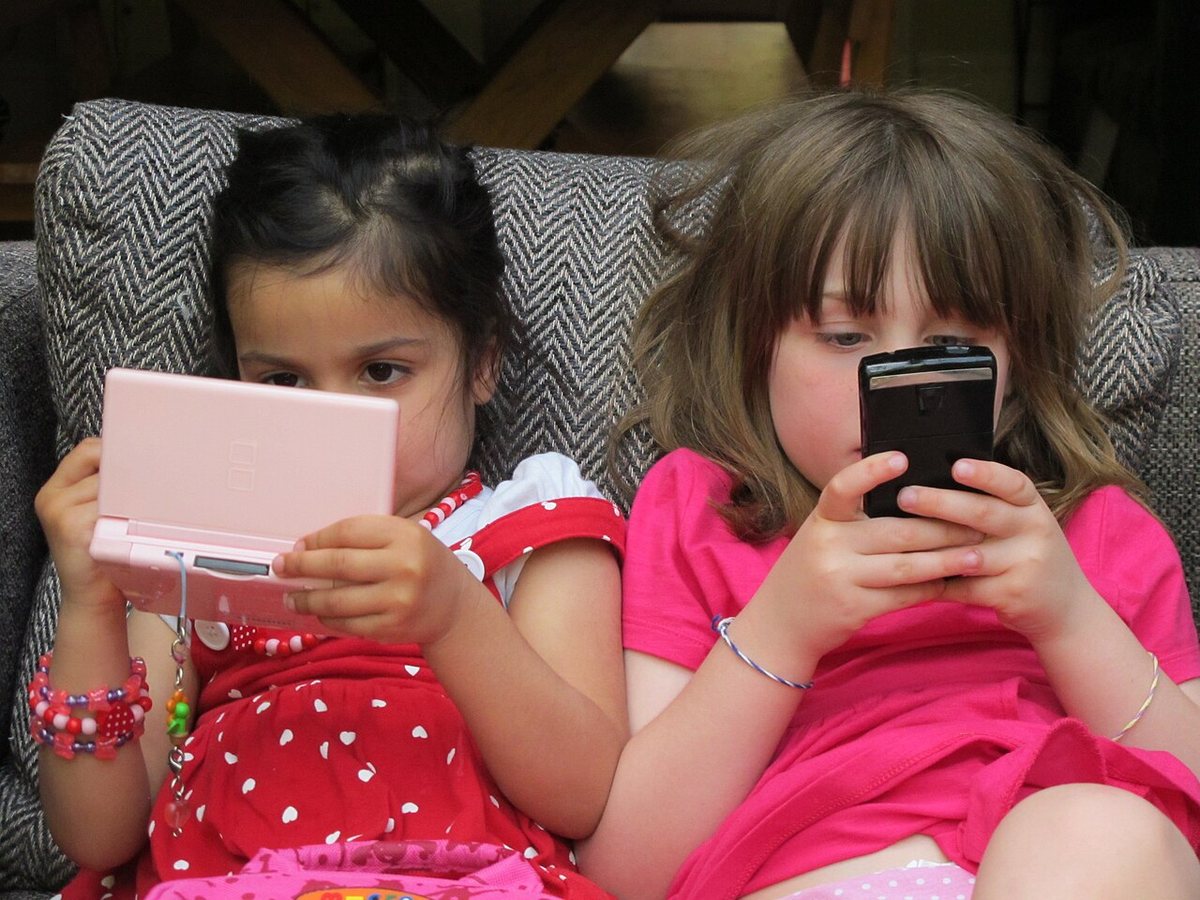
As children in the late 2000s and 2010s, members of Generation Z were the first social generation to grow up with Web 2.0 and digital technology as an established part of daily life. They watched online videos, often on YouTube, and played online games from a young age. As adolescents and young adults, they were dubbed digital natives, although being born into digital technology did not necessarily mean they were digitally literate or ready for virtual workplaces.
Behaviour and values
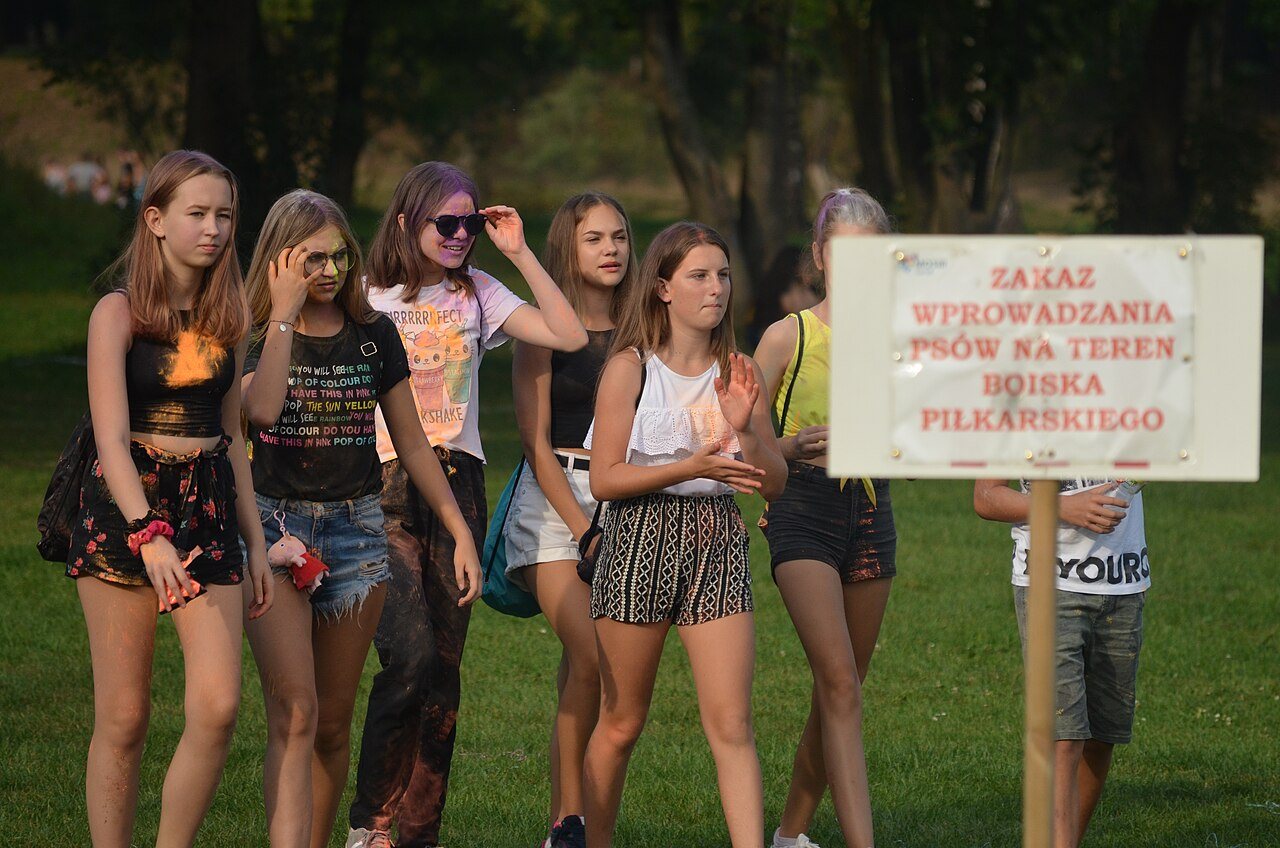


Generation Z has been described as better behaved and less hedonistic than earlier generations. Its members have fewer teenage pregnancies, drink less alcohol, and focus more on school and job prospects. Greater awareness and diagnosis of mental health conditions have also been noted, along with more frequent reports of sleep deprivation. The generation has been active in politics worldwide, using social media to mobilize and communicate.
Naming and dates









The name refers to its position as the second generation after Generation X, continuing the alphabetical sequence after Generation Y. Jean Twenge used the term iGeneration, and the informal term Zoomer combines Boomer with the Z. Starting and ending birth years vary by source, with the Pew Research Center's 1997 to 2012 range widely adopted by news outlets and organizations.