
Franz Kafka (1883–1924) was a German-language Jewish writer from Prague, widely regarded as a major figure of 20th-century literature. His works blend realism with the fantastic, often featuring isolated protagonists caught in bizarre situations and facing incomprehensible bureaucratic powers. The term Kafkaesque, used to describe such situations, entered the language because of his writing. Only a few of his works were published during his lifetime, and his influence has since reached artists, philosophers, filmmakers and cultural theorists.
Early life


Kafka was born into a middle-class German-speaking Jewish family in Prague. His father ran a successful haberdashery business, and the family life was shaped by his father's strong, demanding character. Kafka's childhood was often lonely because both parents worked long hours, and he was largely raised by governesses and servants. He later described his troubled relationship with his father at length in a long letter that he never sent.
Career and legacy


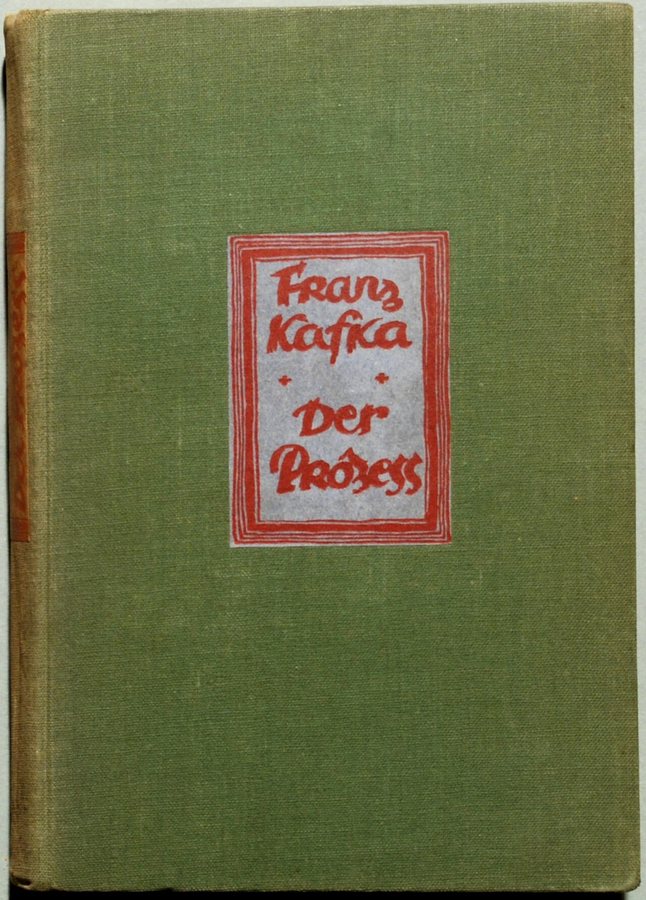


Kafka trained as a lawyer and worked in legal and insurance jobs, but he felt his real calling was writing. Only a small number of his works appeared in his lifetime, and they drew little notice. He died of tuberculosis in 1924 at the age of 40. His friend Max Brod ignored Kafka's wish that his unpublished works be destroyed, and publishing them brought him wide acclaim, including his novella The Metamorphosis and the novels The Trial and The Castle.