factograf
EN
Sign in

1818 Gothic novel by Mary Shelley

Frankenstein

Frankenstein

Frankenstein; or, The Modern Prometheus is an 1818 Gothic novel by English author Mary Shelley. It follows Victor Frankenstein, a young scientist who assembles a sapient creature from body parts in an unorthodox experiment. The first edition appeared anonymously in London, and Shelley's name was first attached to the work in a French translation published in Paris in 1821. The book is among the best-known works of English literature and has strongly shaped horror fiction, films, and plays, to the point that the name Frankenstein is now often used for the creature itself.

Origins of the novel

Draft of Frankenstein ("It was on a dreary night of November that I beheld my man completed ...")
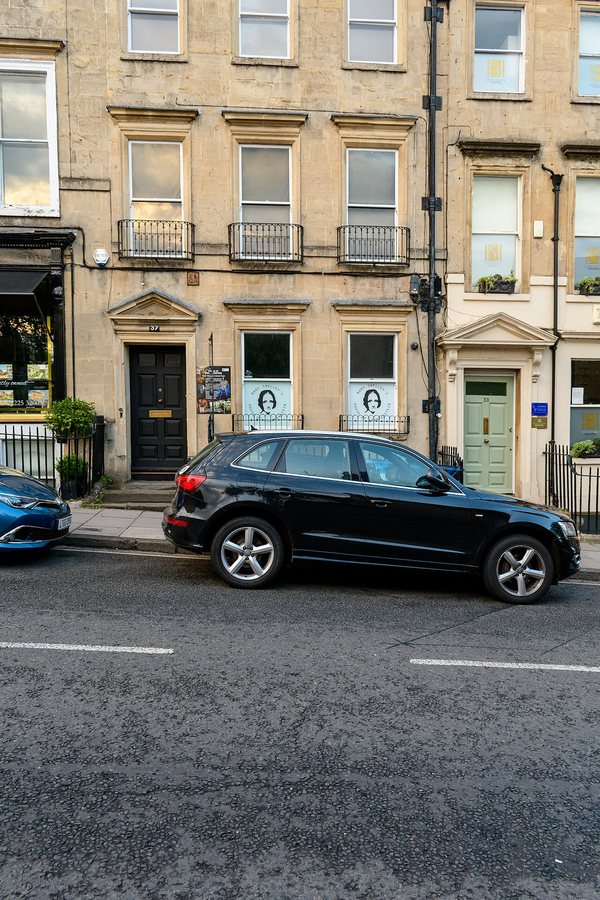
Mary Shelley's House of Frankenstein, a museum on Shelley's life and her novel, at 37 Gay Street in Bath, the city where she wrote the book.
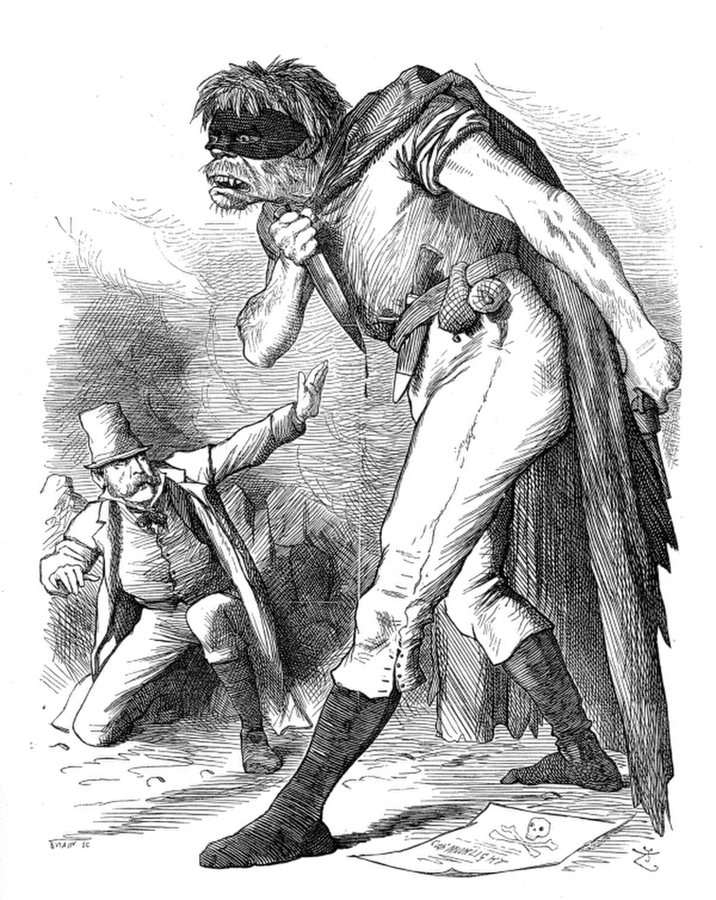
An 1882 Punch cartoon by an English editorial cartoonist depicts the Irish Fenian movement as akin to Frankenstein's creature, after the Phoenix Park murders.
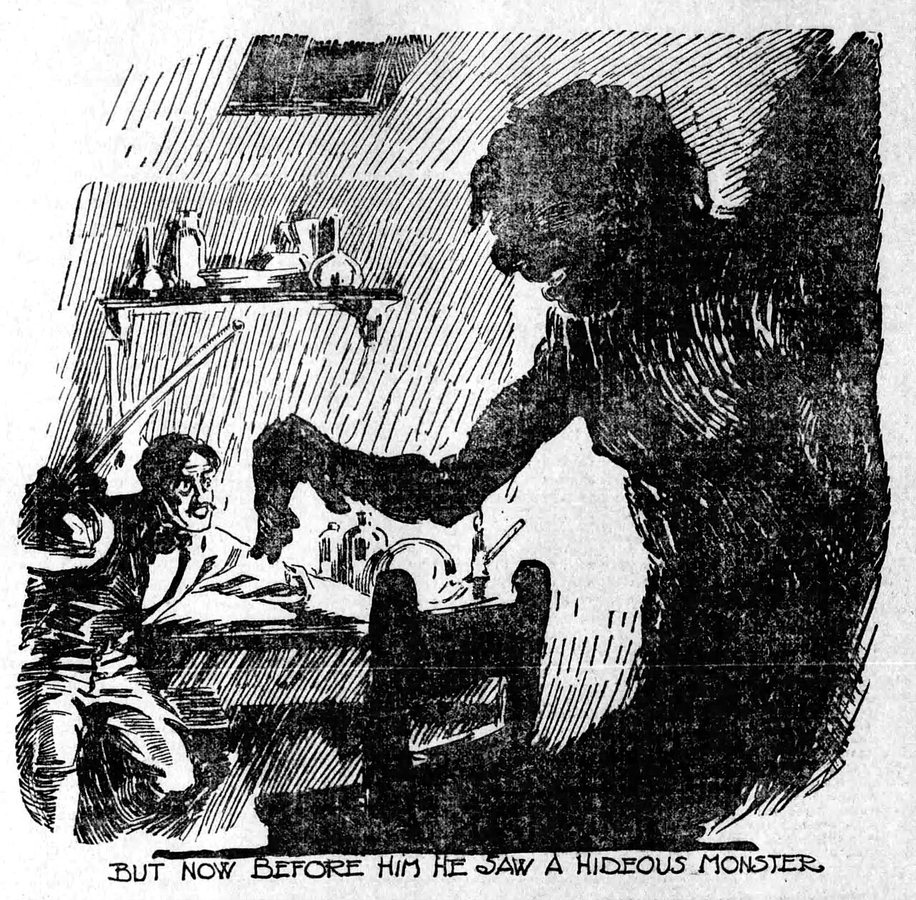
Frankenstein and Monster, Birmingham Post-Herald, 1910
4 images

Shelley began the story while staying in Bath at the age of eighteen. During a journey through Europe in 1815, she visited the region of Geneva, Switzerland, where much of the story is set. Conversations among her companions about galvanism and occult ideas helped shape her thinking, and her lover and future husband, Percy Bysshe Shelley, was among them. In 1816, at the suggestion of Lord Byron, the group agreed to each write a ghost story, and Shelley was inspired by imagining a scientist horrified by the life he had created.

Revised edition

Frankenstein and Monster, The Cincinnati Enquirer, 1910
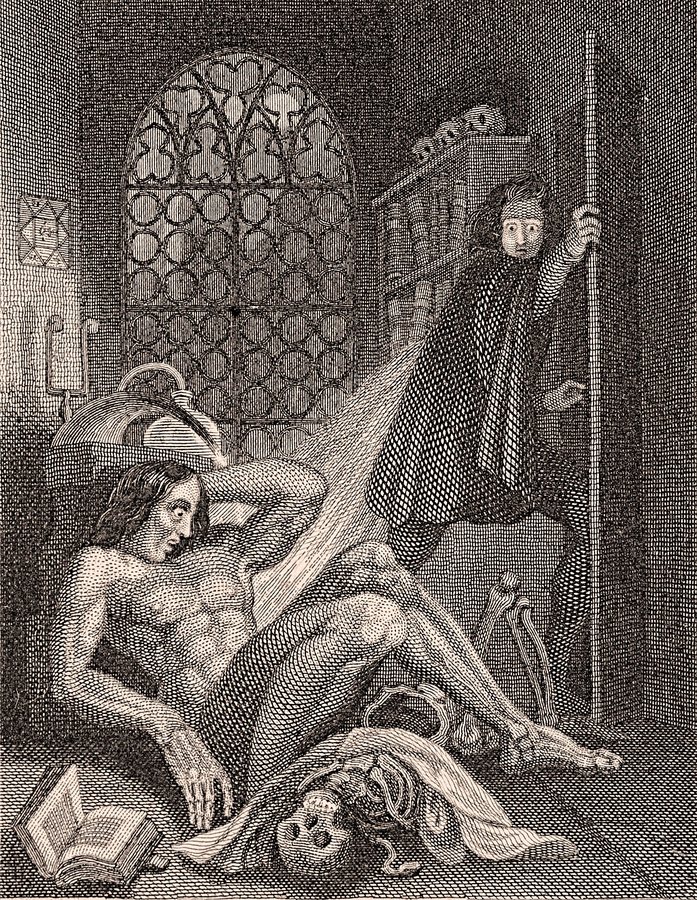
Illustration by Theodor von Holst from the frontispiece of the 1831 edition
A variety of different editions
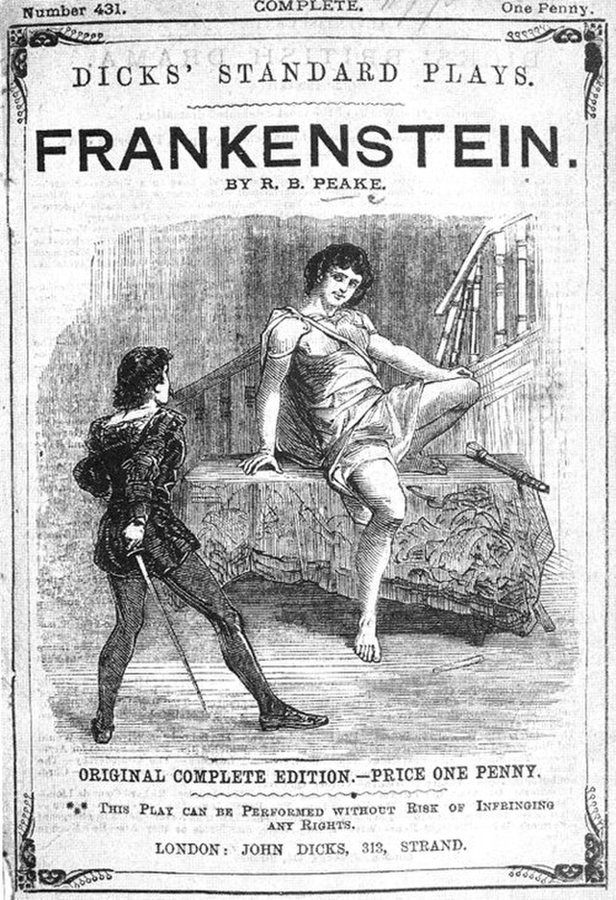
Cover of the 1823 West End stage play Presumption; or, the Fate of Frankenstein, the first adaptation of the novel
4 images

In 1831 a revised edition appeared under Mary Shelley's name. It contained substantial stylistic changes, a new preface describing how the story was conceived, and a more openly moral tone. The revision shaped how many later readers encountered the novel, while the original 1818 text remains a separate point of reference for scholars and readers.

In 12 languages

Редакція Factograf · Published October 14, 2026 · Partly based on Wikipedia, CC BY-SA 4.0 · Source article