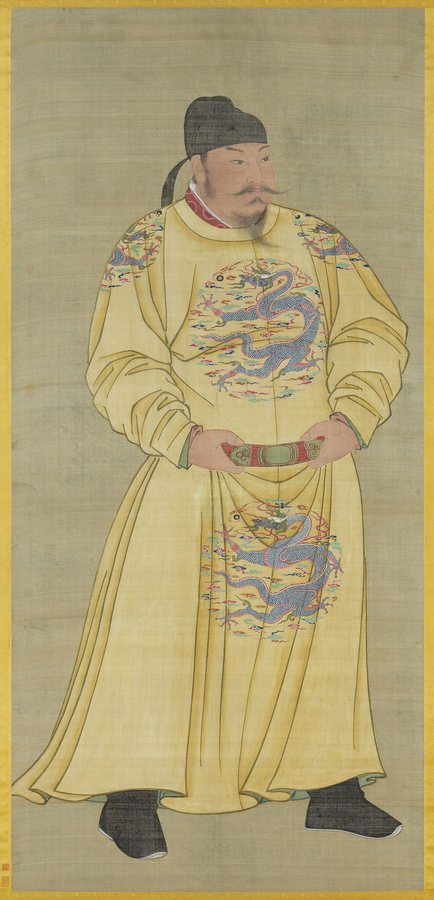
Emperor Taizong of Tang (598–649), personal name Li Shimin, was the second emperor of the Tang dynasty of China, ruling from 626 to 649. He is traditionally regarded as a co-founder of the dynasty, having encouraged his father to rebel against the Sui dynasty and then helped defeat several of the dynasty's most dangerous opponents. His reign is widely considered one of the greatest in Chinese history, and it became the model against which later emperors were measured.
Early life and rebellion
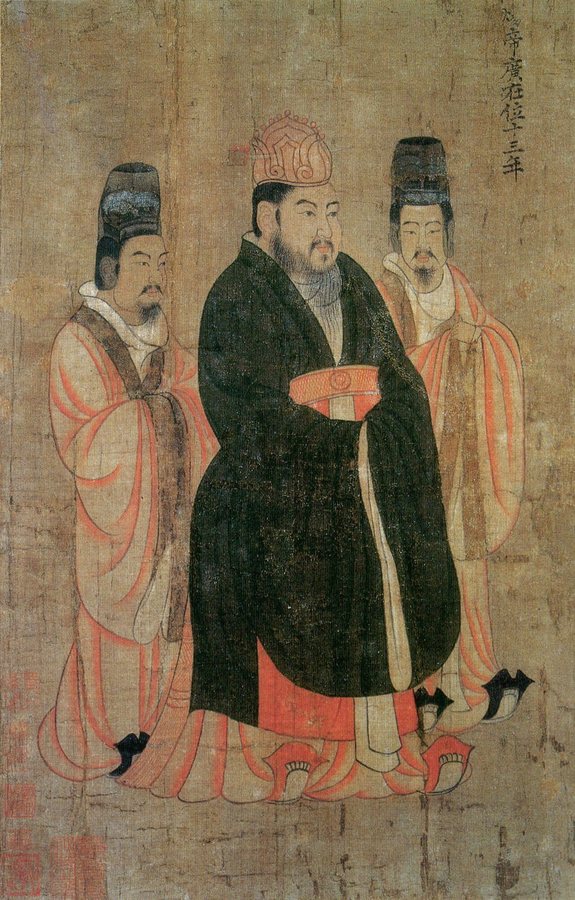
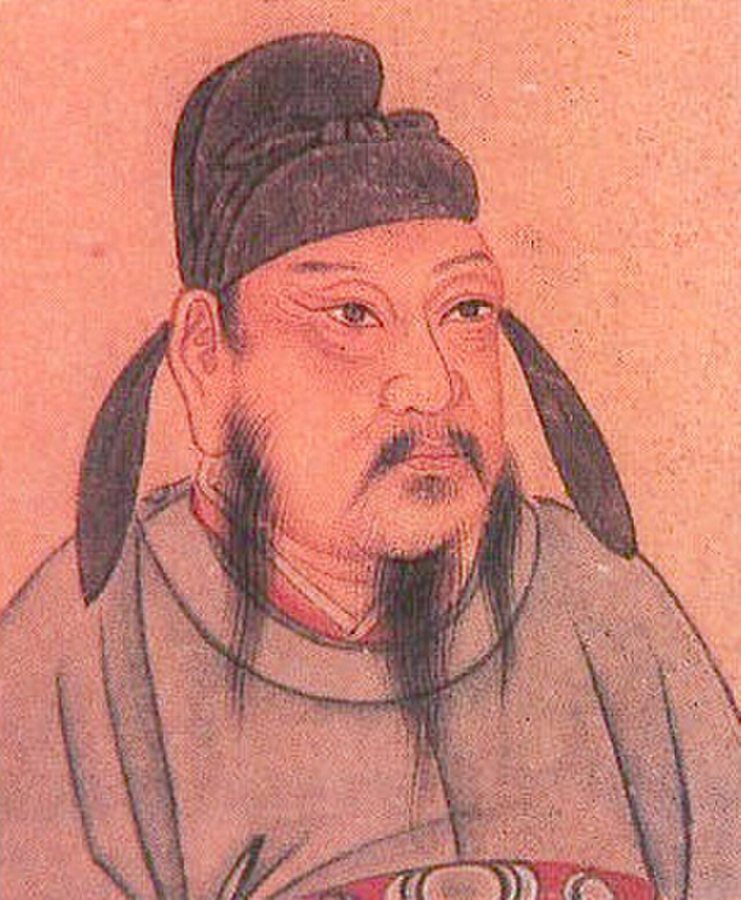
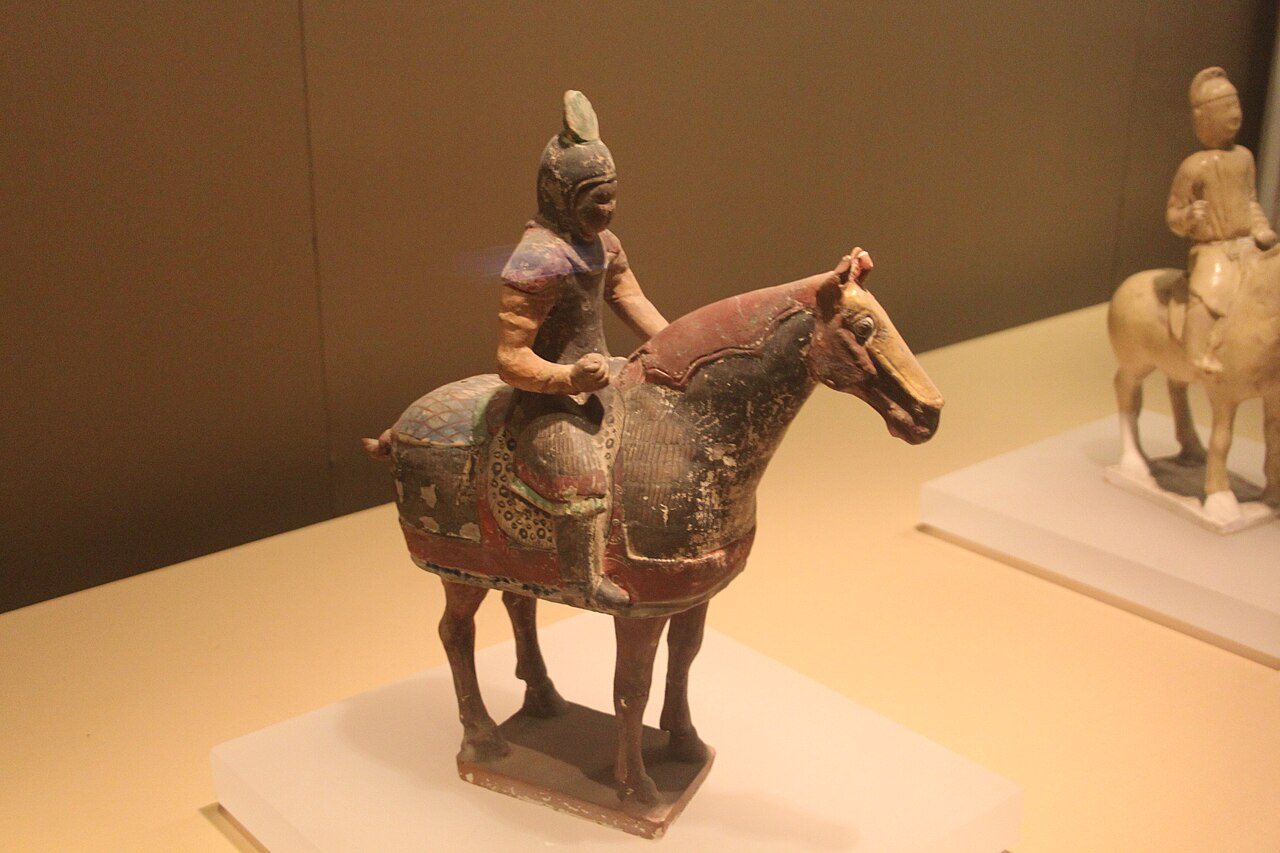
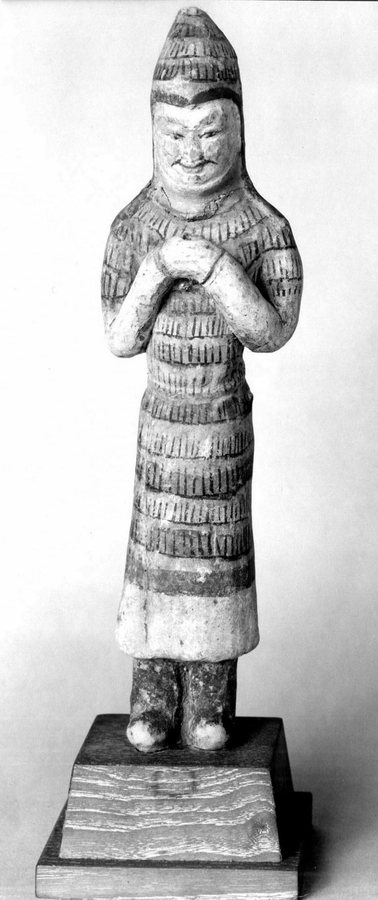
Li Shimin was born in 598 at Wugong, in what is now Shaanxi province. His father, Li Yuan, was a Sui general who rose against the dynasty in 617 at Jinyang, and Li Shimin had secretly prepared the plans for the revolt. He took part in the campaigns that followed, and his skill as a military commander helped the rebellion succeed.
Reign and achievements

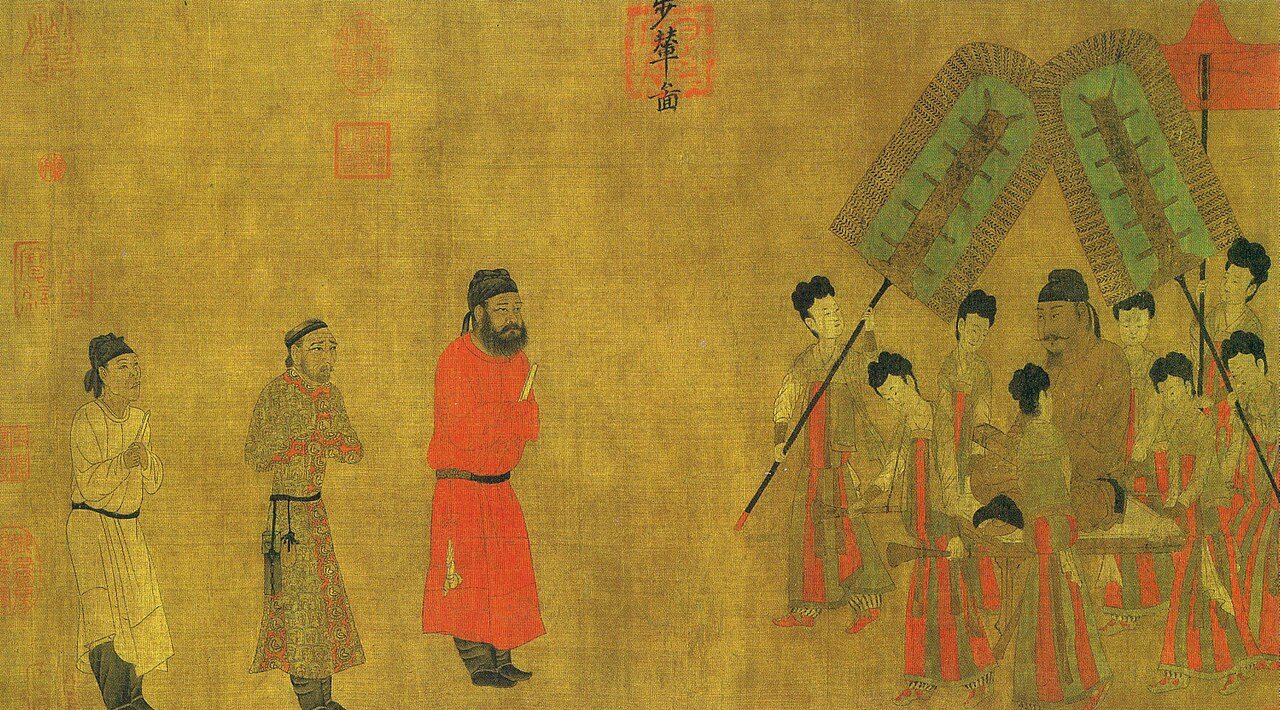
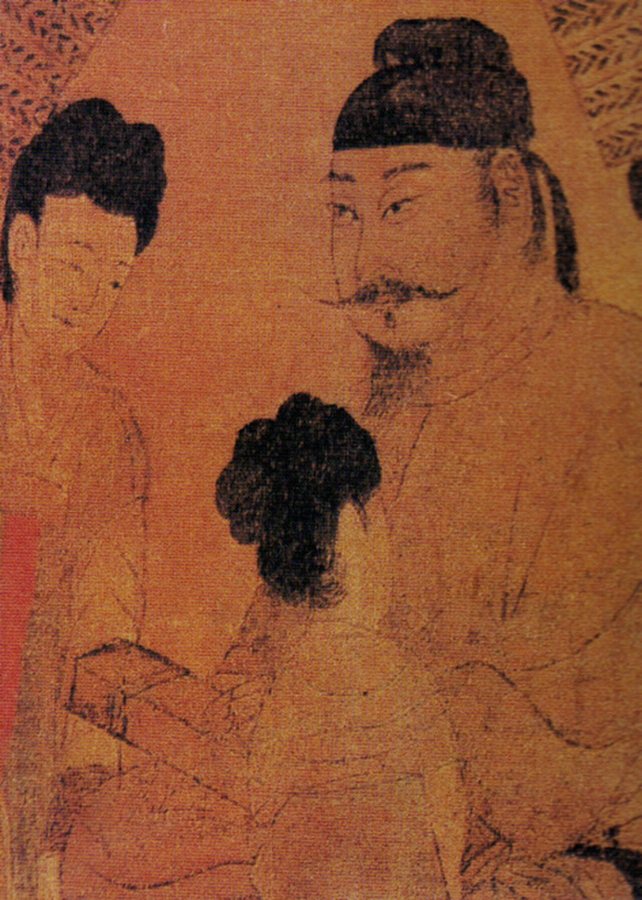
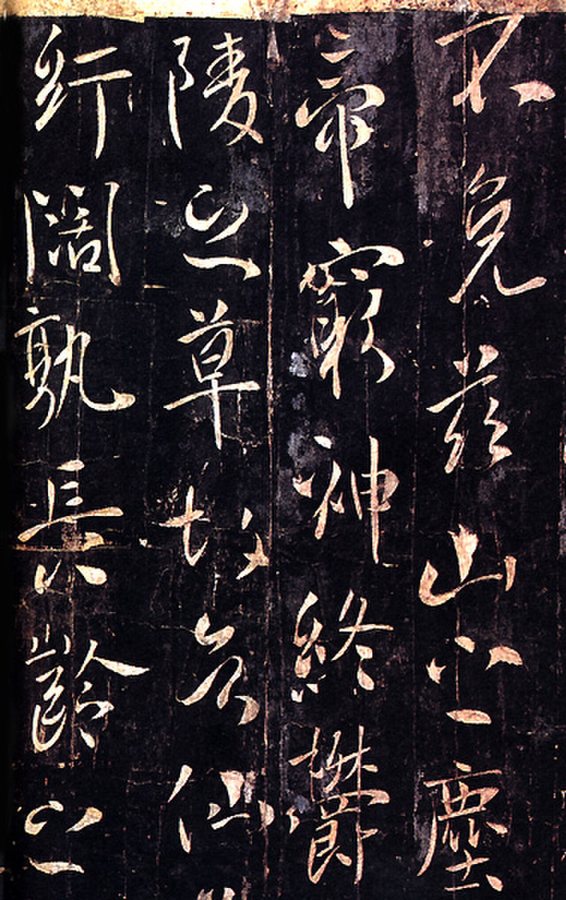
During his reign, the Tang defeated the Eastern Turks in 630 and later annexed the oasis states of the Tarim Basin and the Western Turkic Khaganate. The period became known as the Reign of Zhenguan, a golden age that was studied by future crown princes. Taizong also expanded the imperial examination system and asked officials to be loyal to policies rather than to individuals, aiming to reduce corruption.
Legacy

Taizong was known as a rationalist who scorned superstition and who modified rites to ease the burden of farm labour. Historians credit his success partly to his willingness to accept criticism and to his capable chancellors, including Fang Xuanling, Du Ruhui and Wei Zheng. His era laid the foundation for the height of Tang power under Xuanzong.