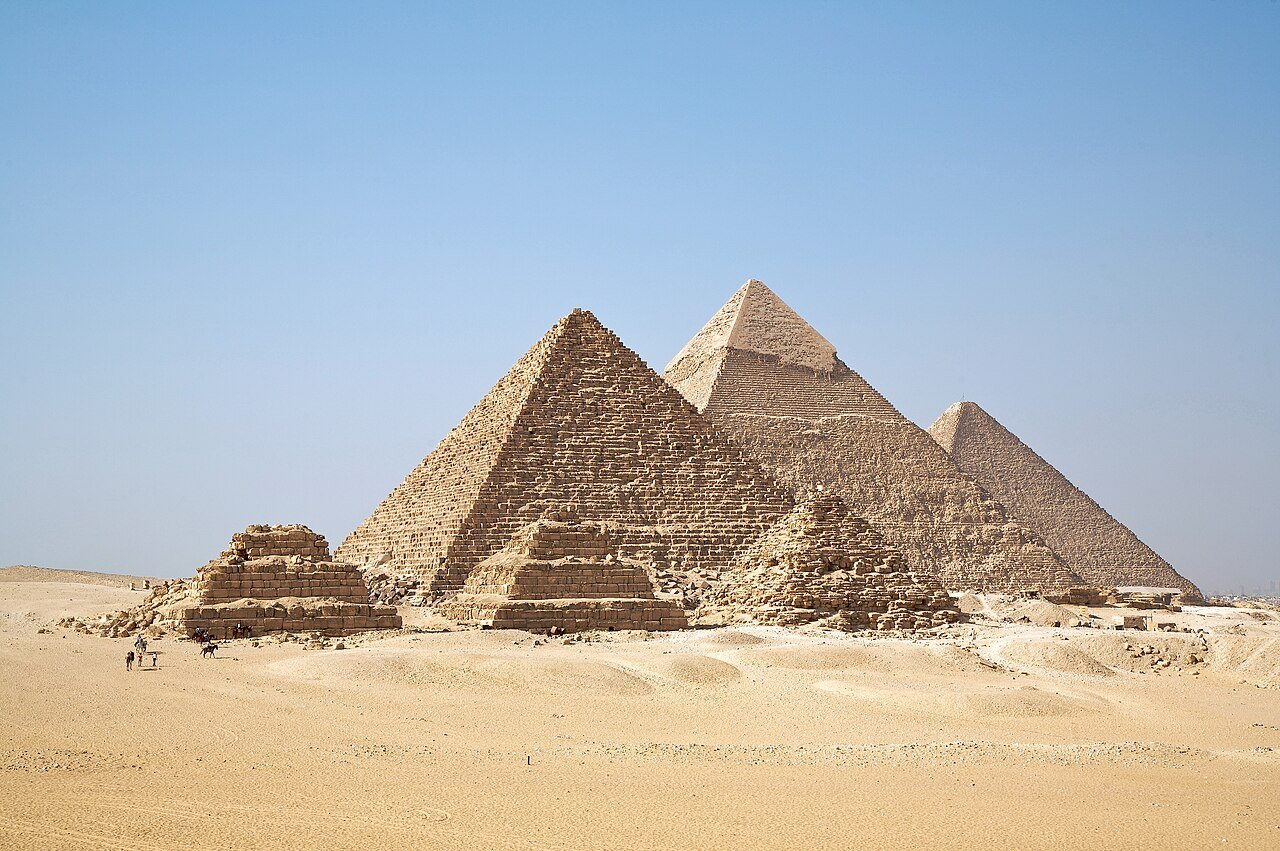
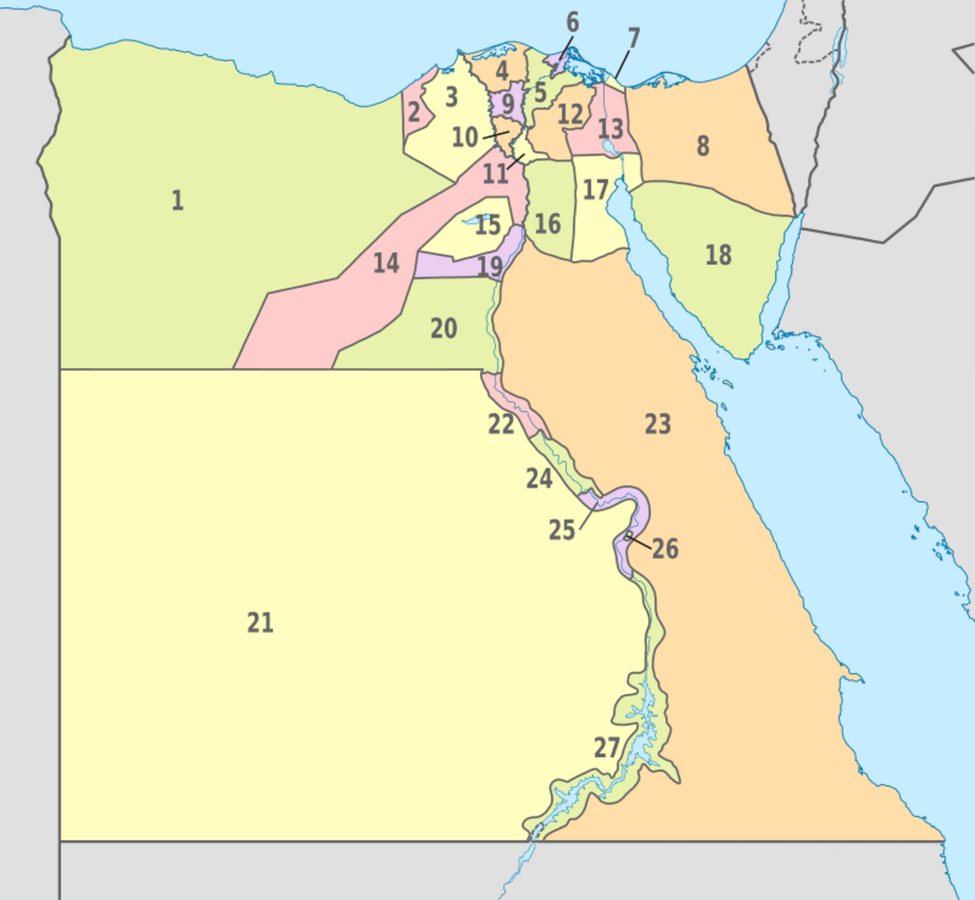
Egypt, officially the Arab Republic of Egypt, is a country spanning the northeast corner of Africa and the southwest corner of Asia via the Sinai Peninsula. It is bordered by the Mediterranean Sea to the north, Palestine and Israel to the northeast, the Red Sea to the east, Sudan and the Sahara to the south, and Libya to the west. Cairo is the capital and largest city, while Alexandria is the second-largest. With over 107 million inhabitants, Egypt is the most populous country in the Arab world.
Ancient civilisation
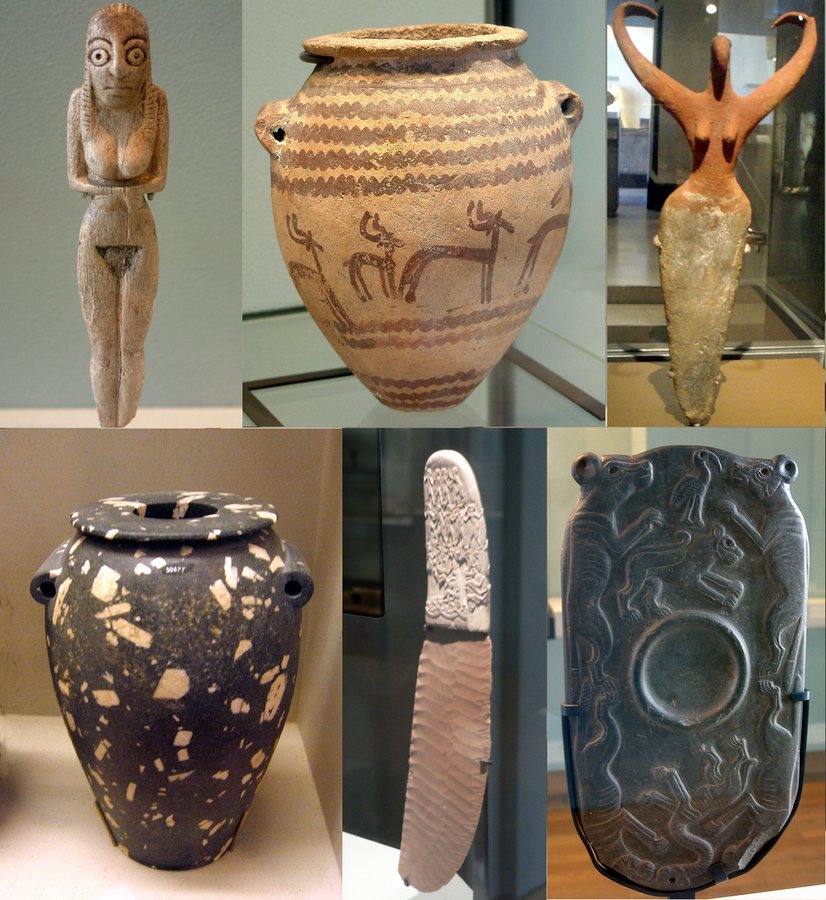
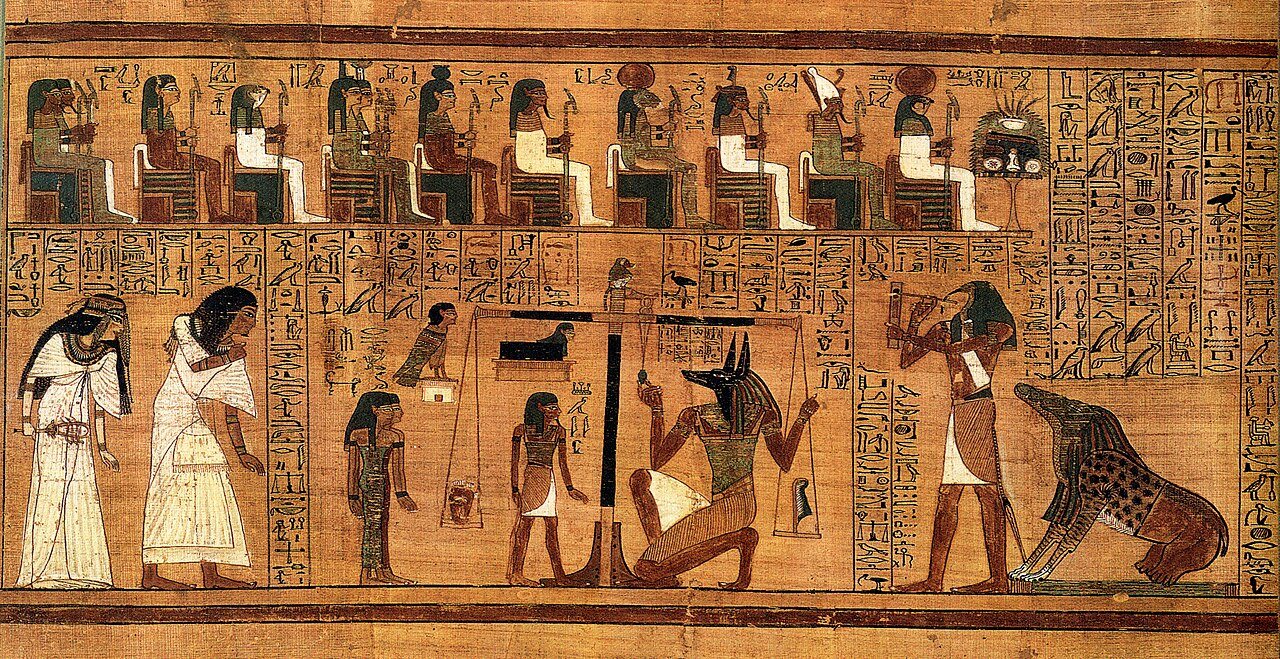

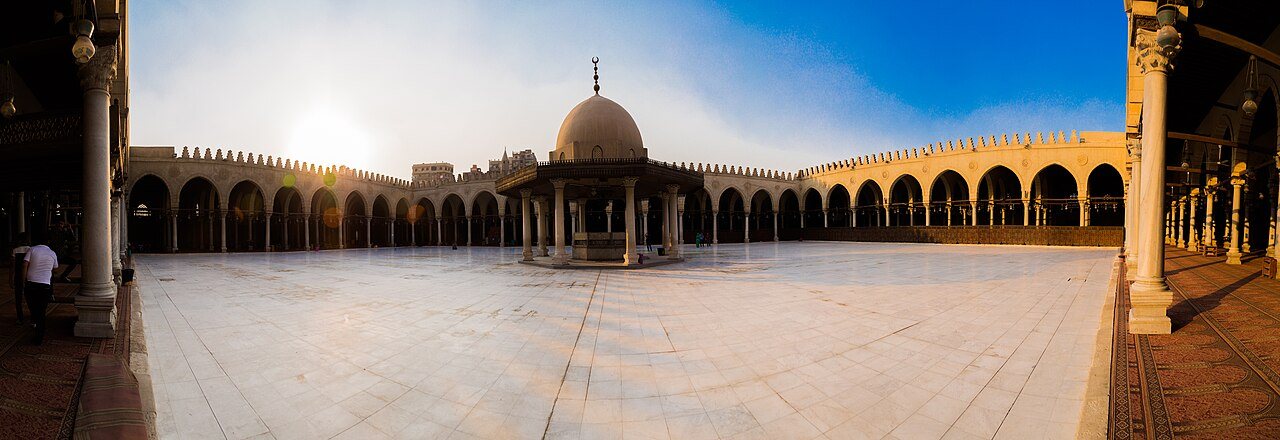
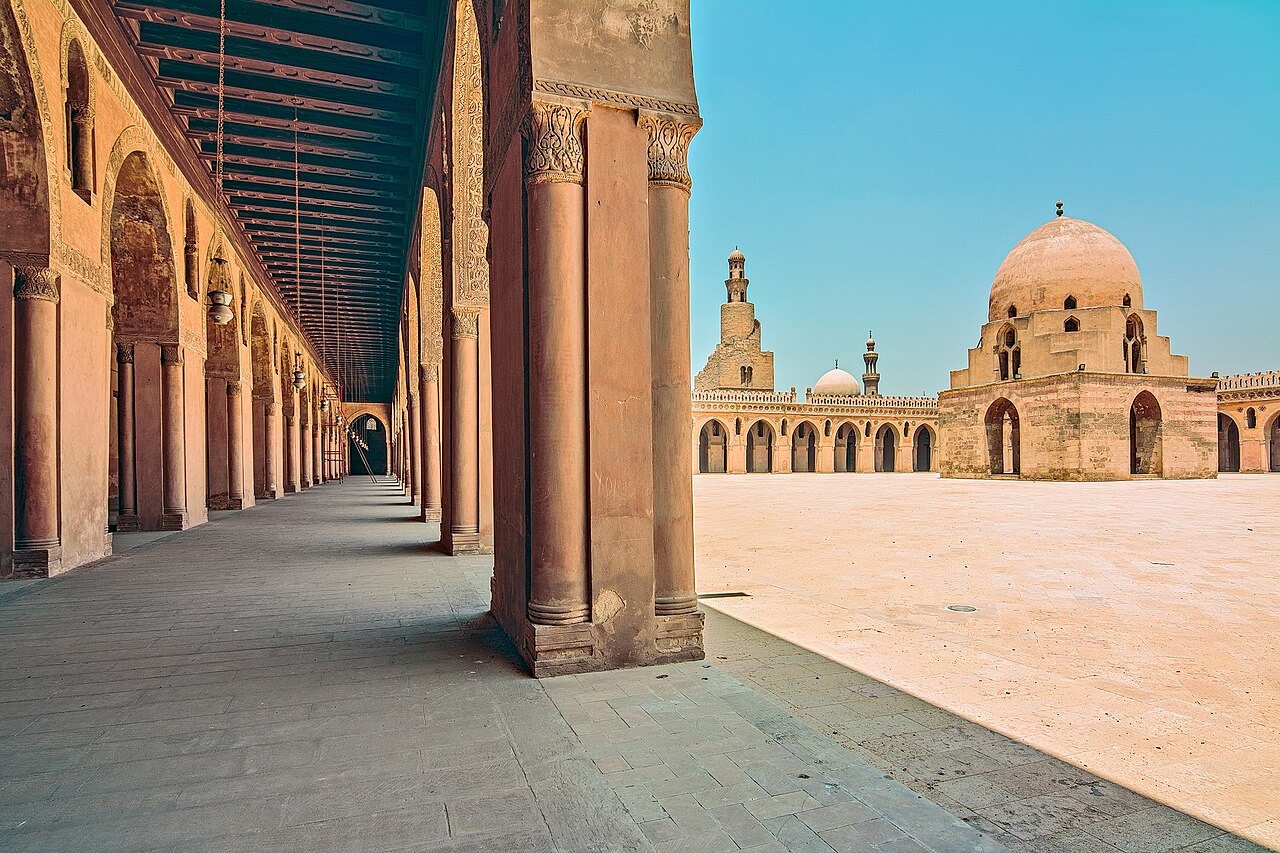
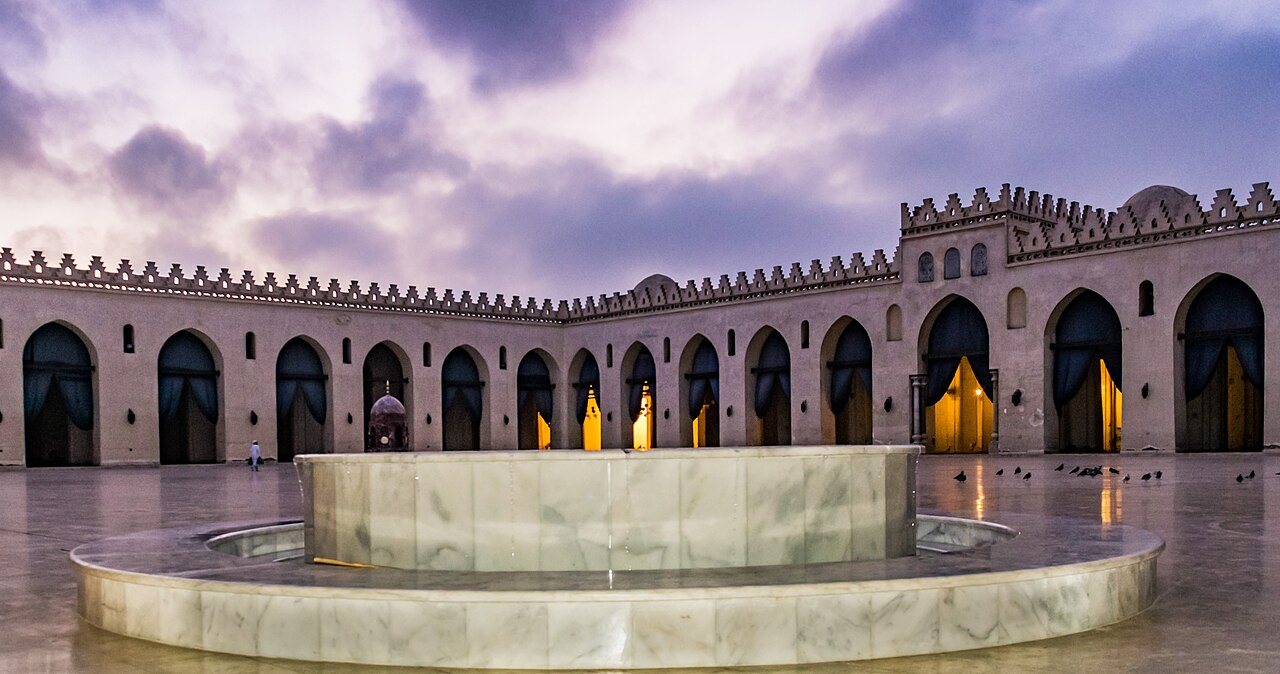

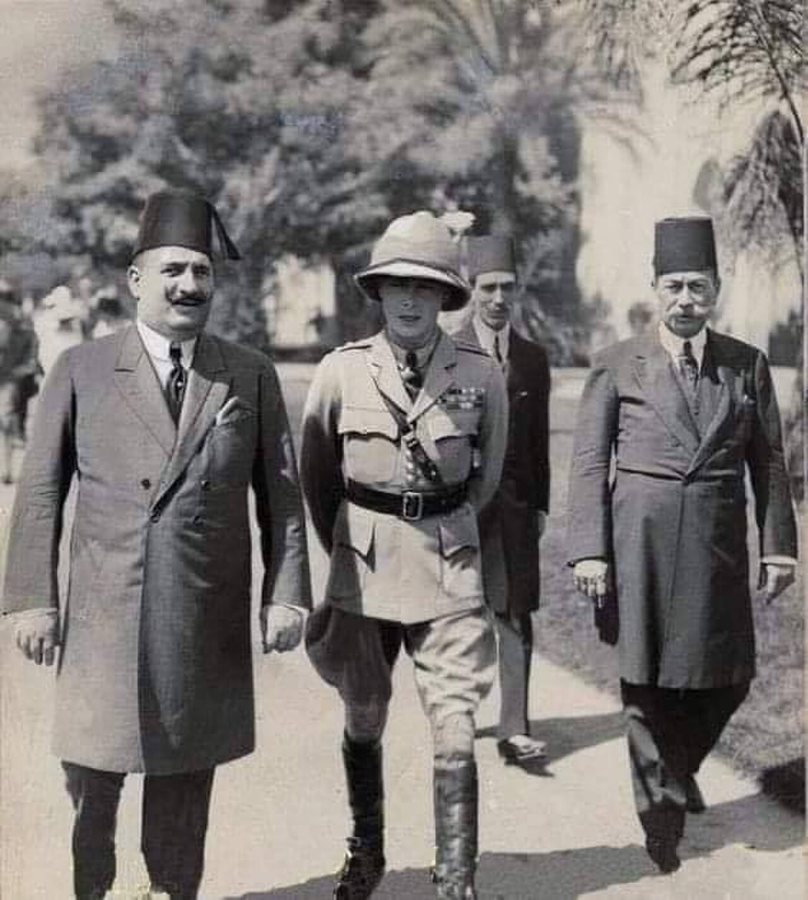
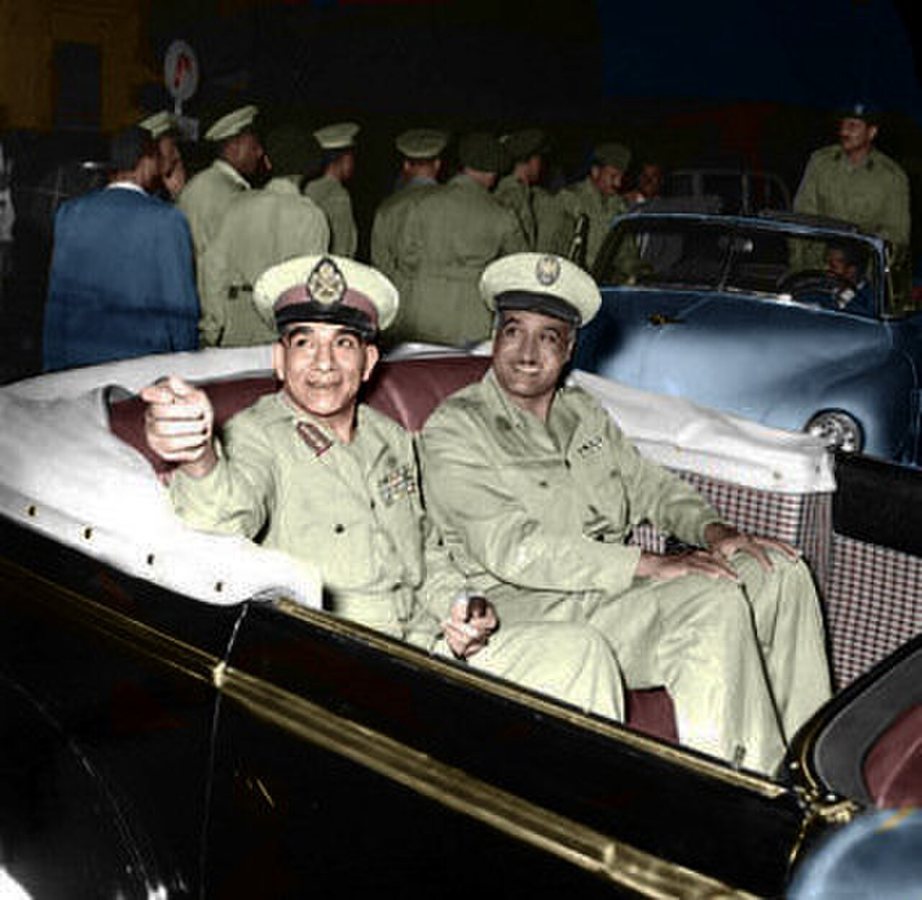
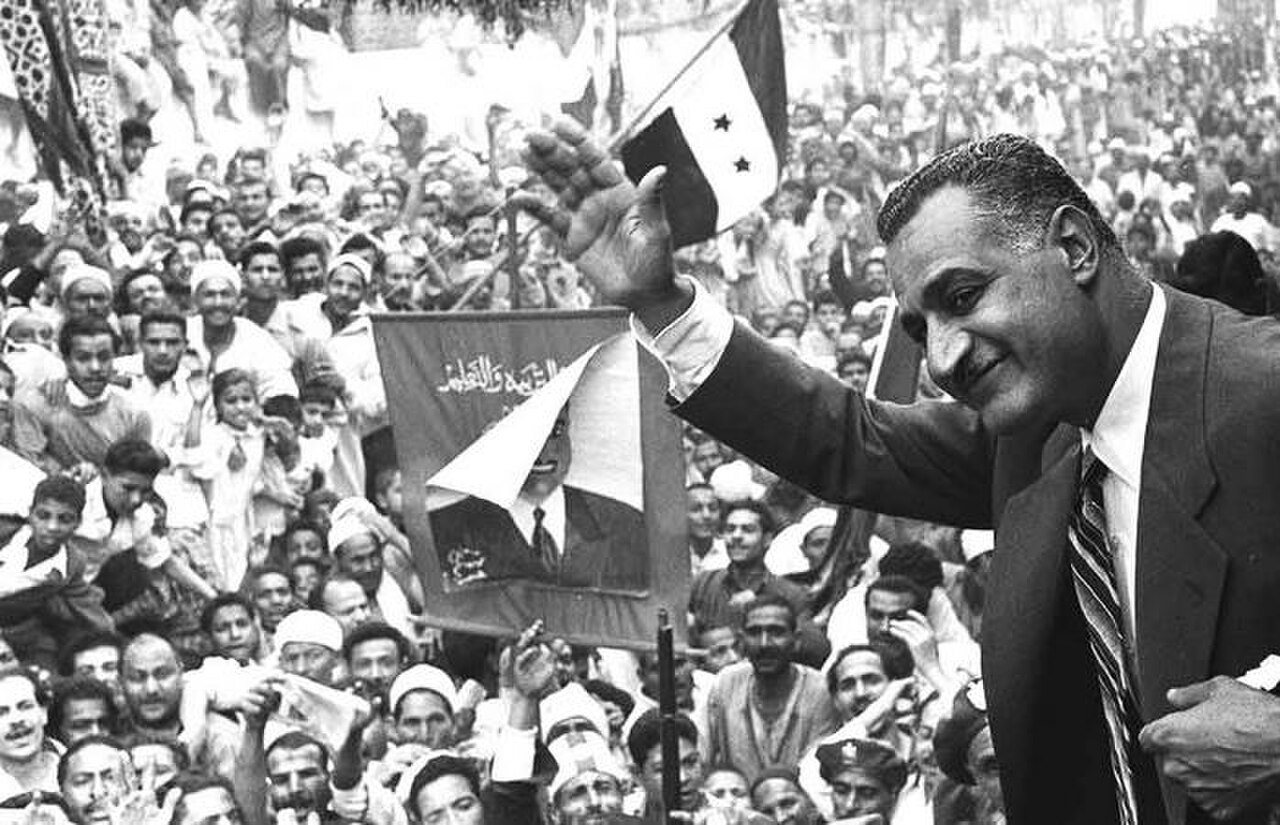
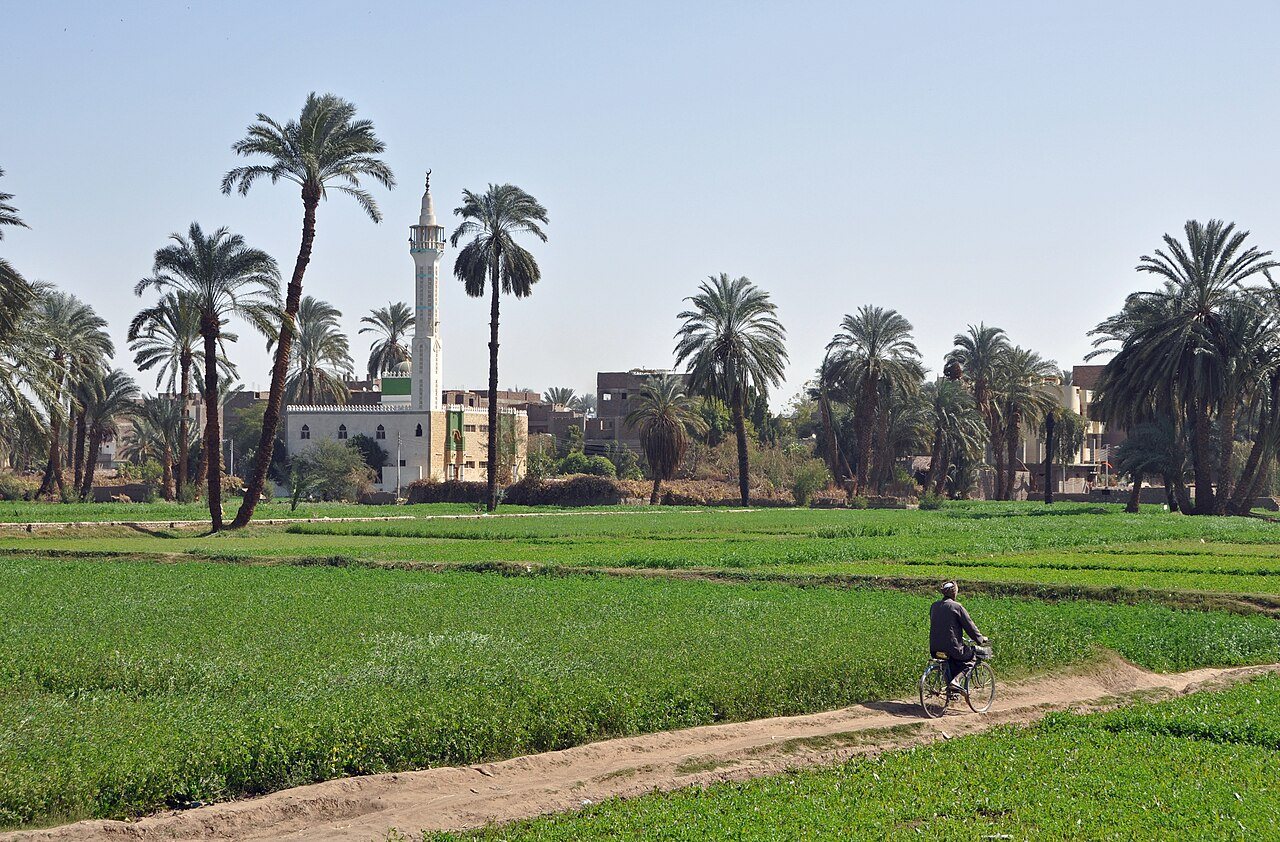
Egypt has one of the longest histories of any country, with heritage along the Nile Delta dating back to the 6th to 4th millennia BCE. Considered a cradle of civilisation, Ancient Egypt saw some of the earliest developments of writing, agriculture, urbanisation, organised religion and central government. After nearly three millennia of pharaonic rule, the country came under foreign control from the 6th century BC, and it later became an early centre of Christianity before adopting Islam from the seventh century onwards.
Modern history
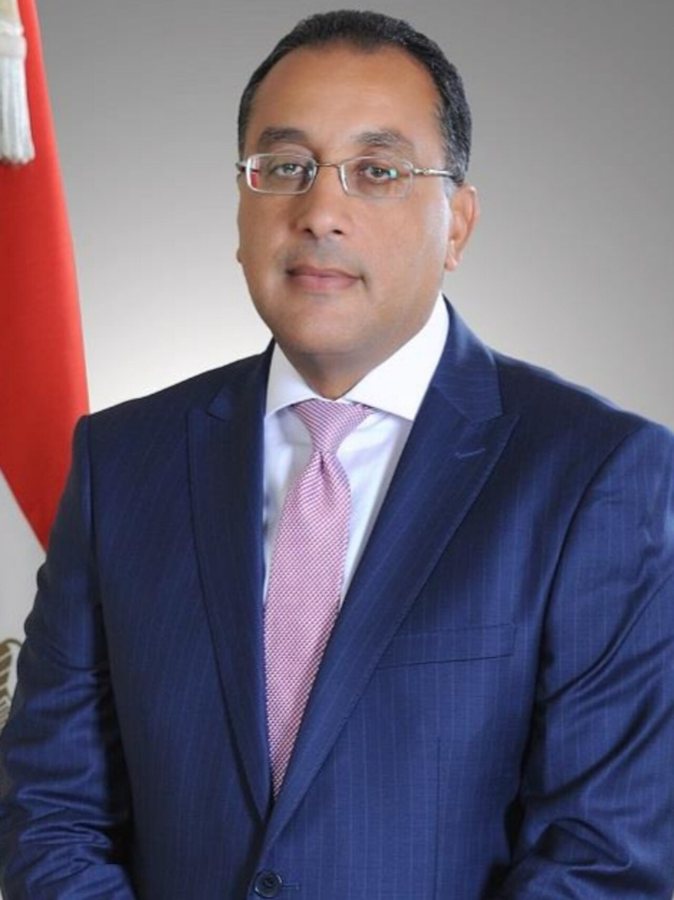
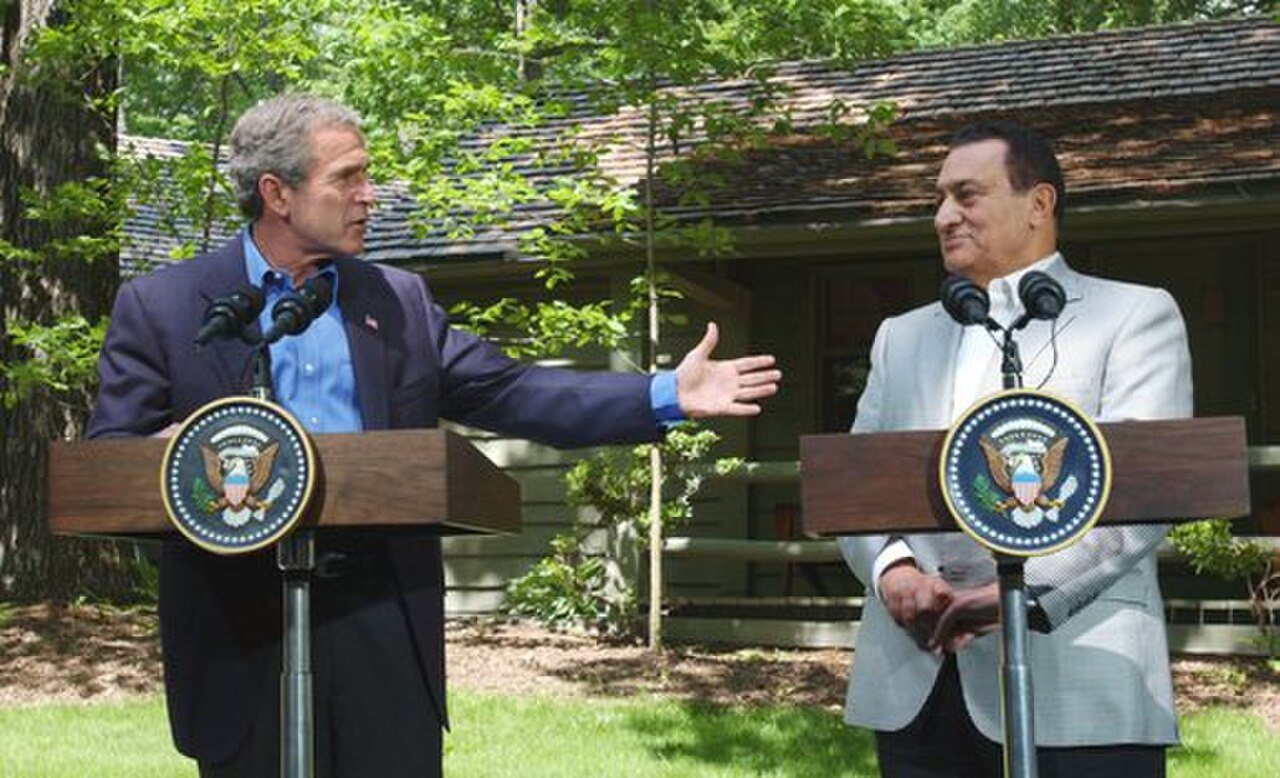
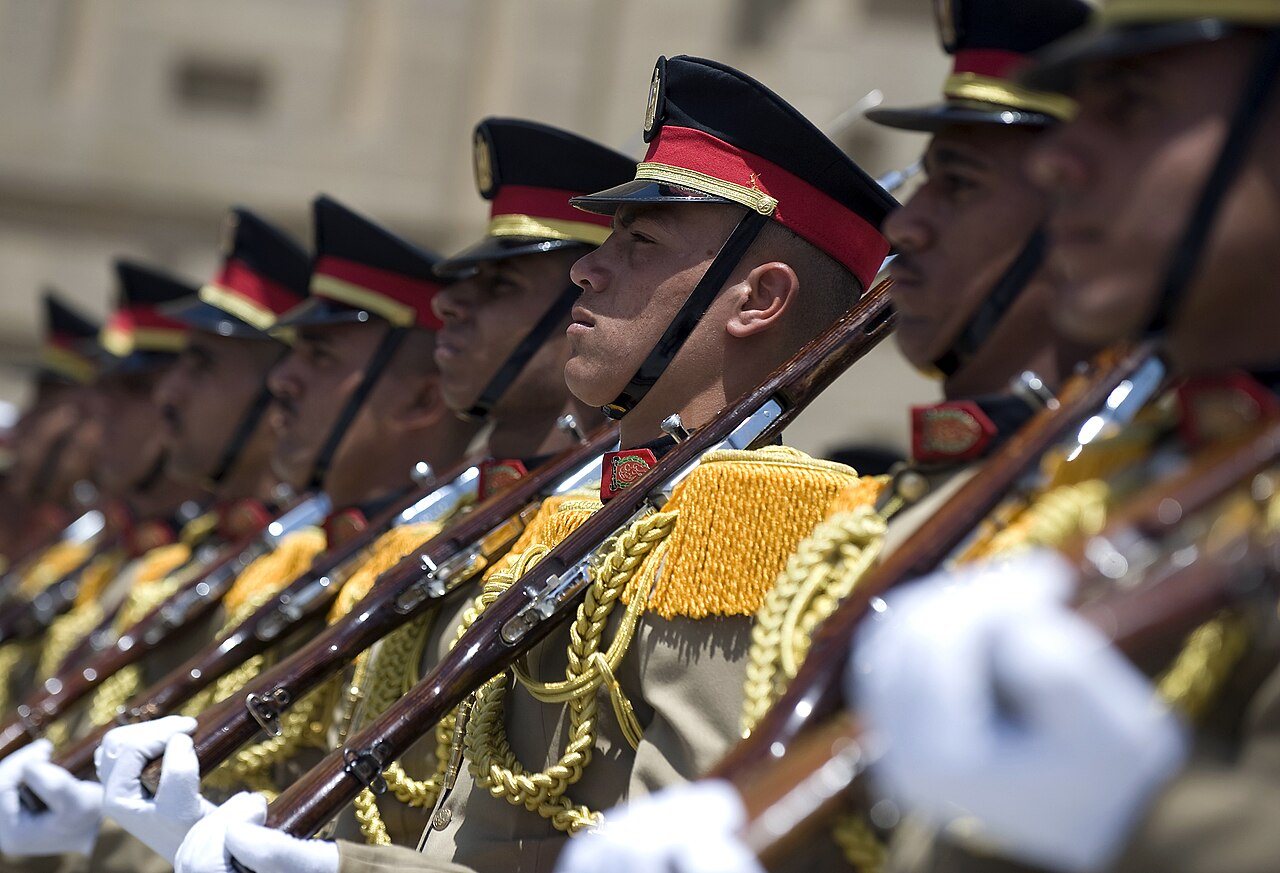

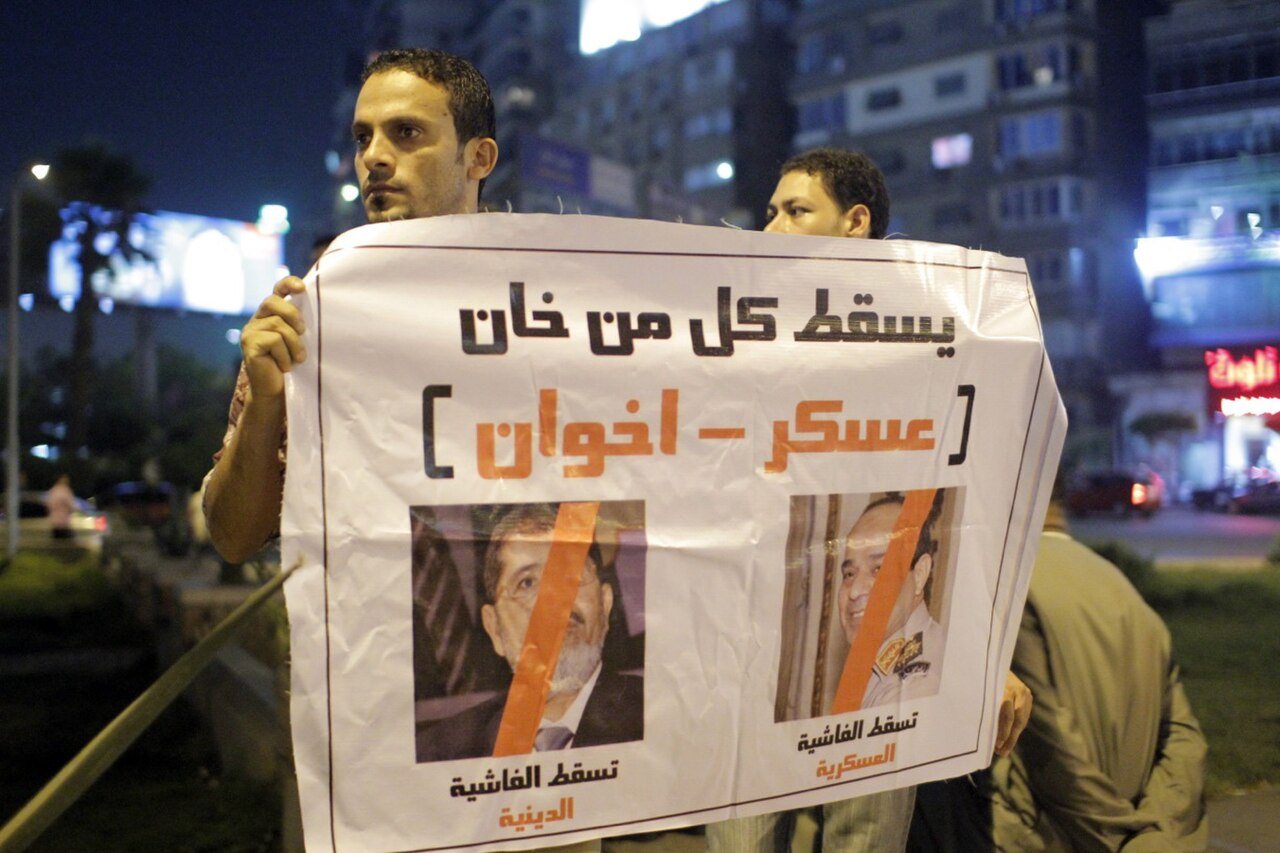


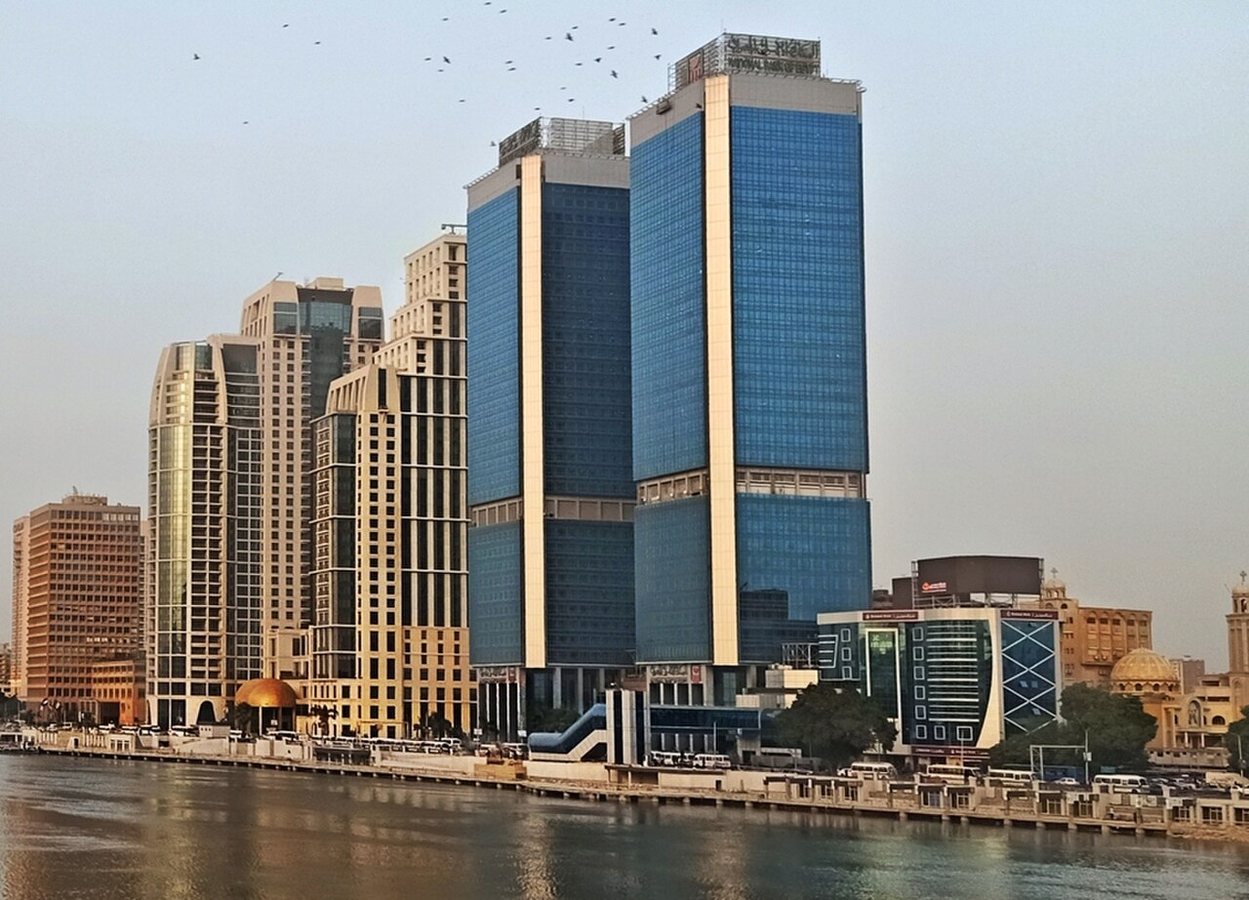
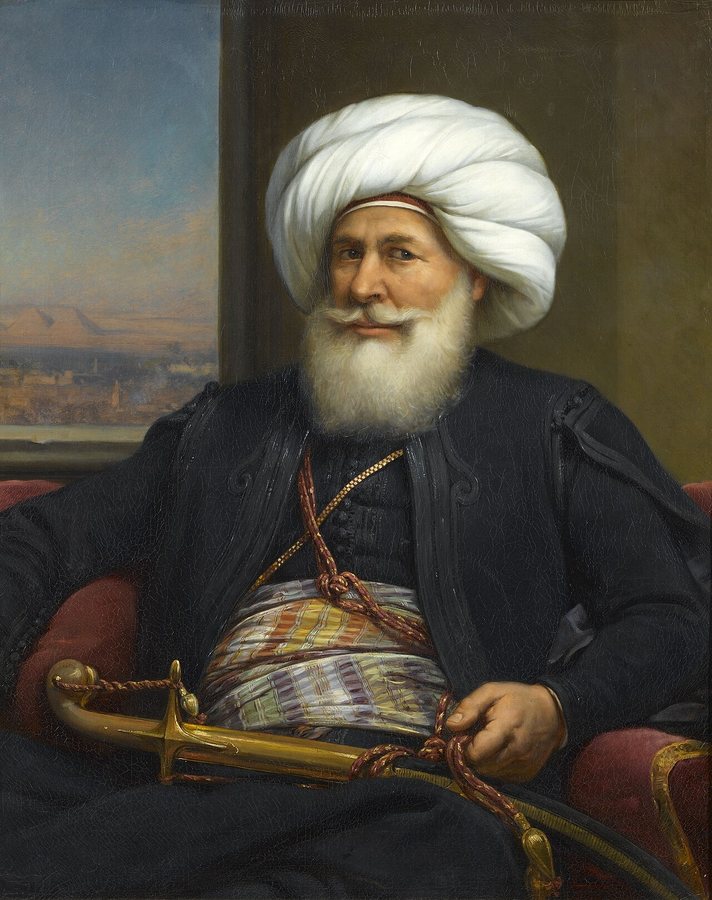
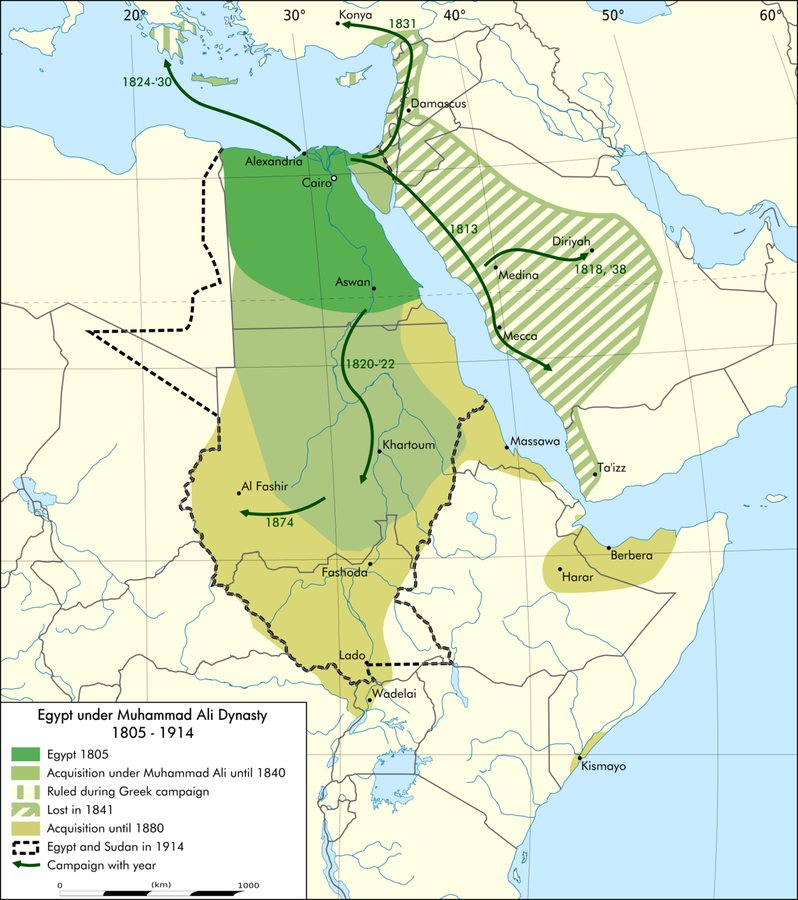
Cairo became a capital under the Fatimid Caliphate in the tenth century and later under the Mamluk Sultanate. Egypt joined the Ottoman Empire in 1517 and was later established as an autonomous Khedivate in 1867. After British occupation, it gained independence as a monarchy in 1922 and declared itself a republic after the 1952 revolution. Following the Arab Spring and the 2011 revolution, the country experienced prolonged political unrest, and it is now a semi-presidential republic.
Economy and role

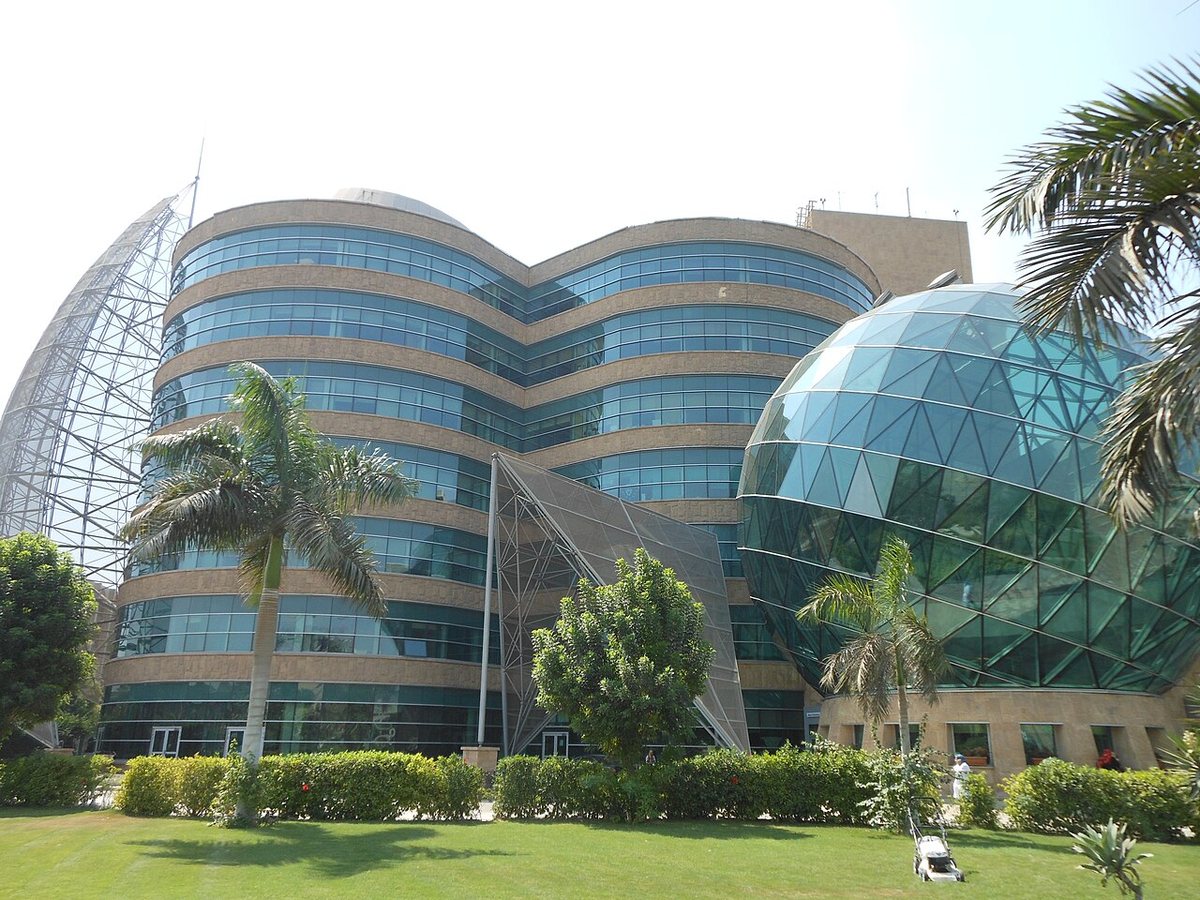
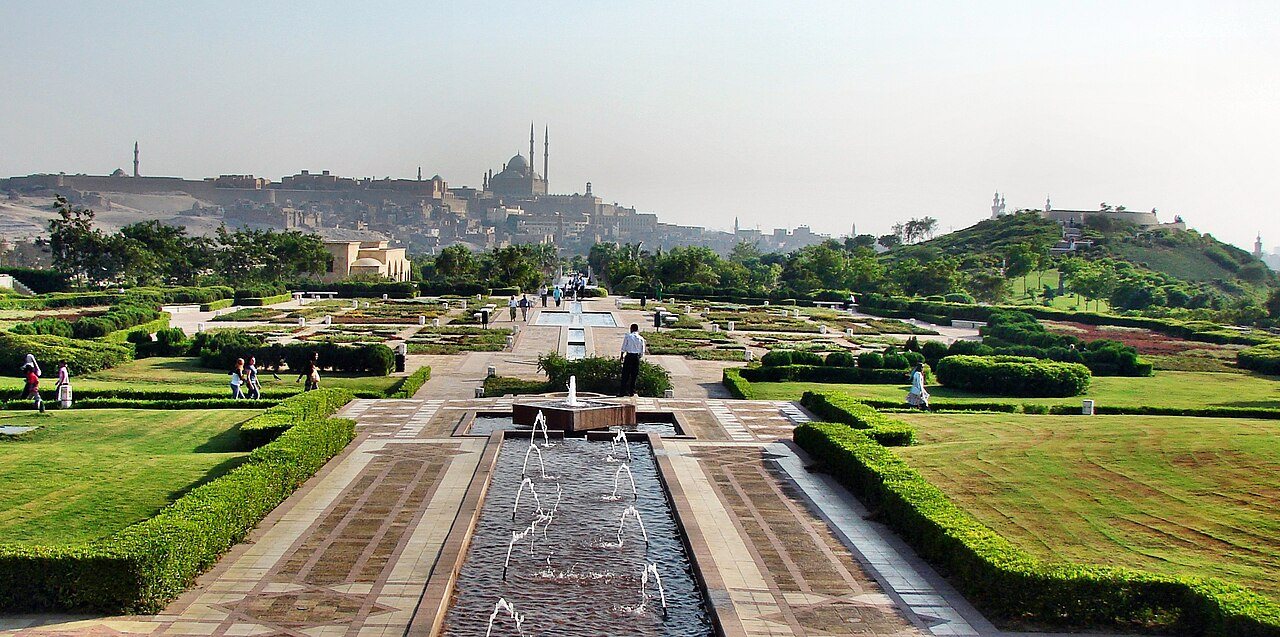
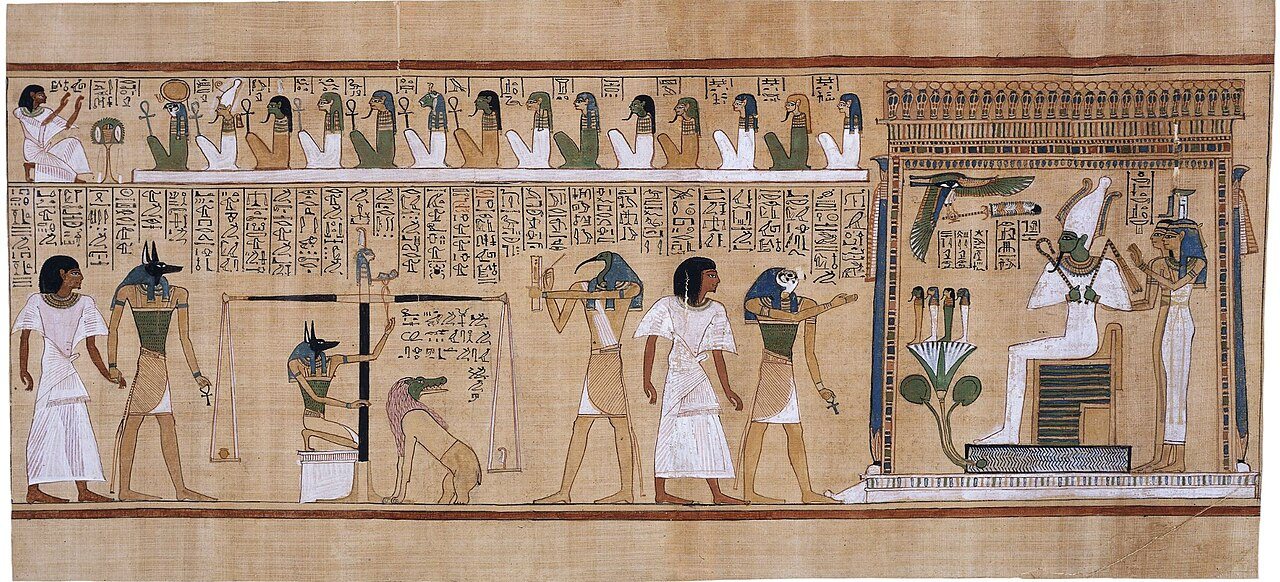
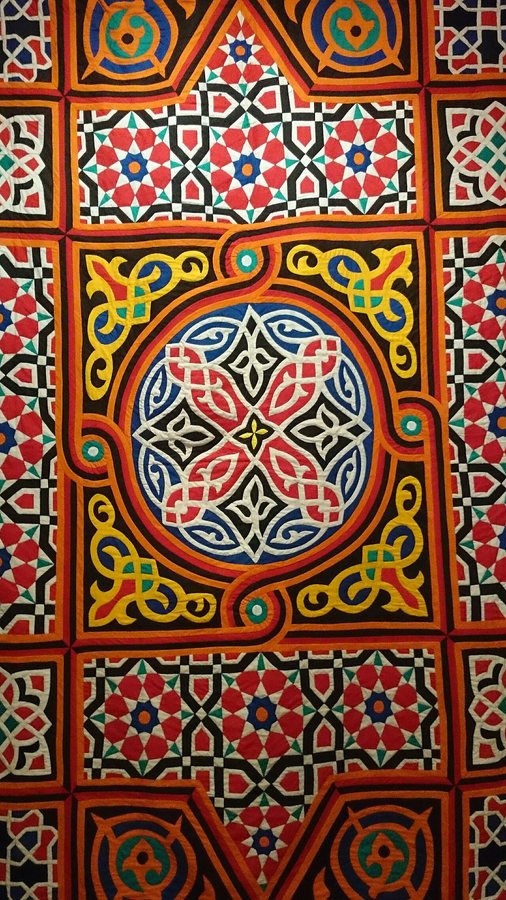





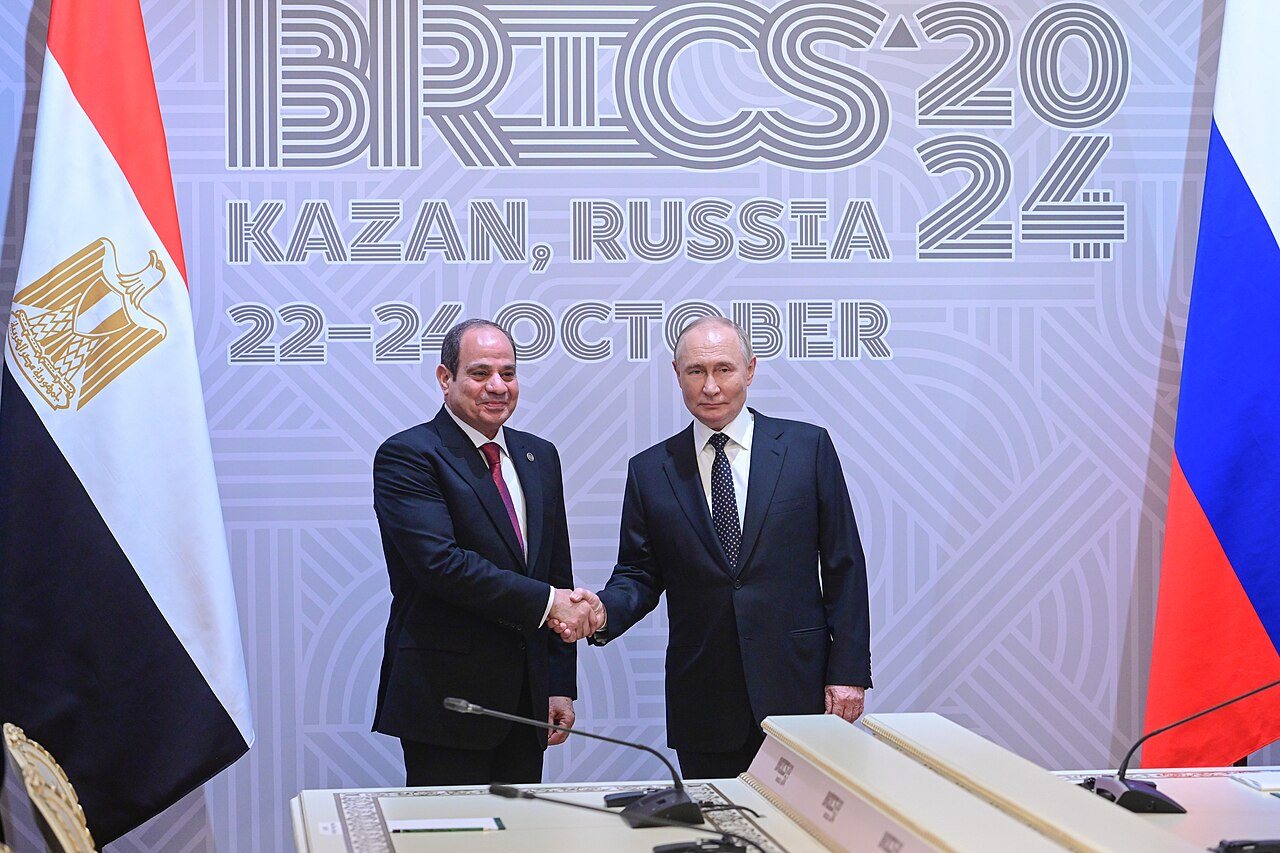
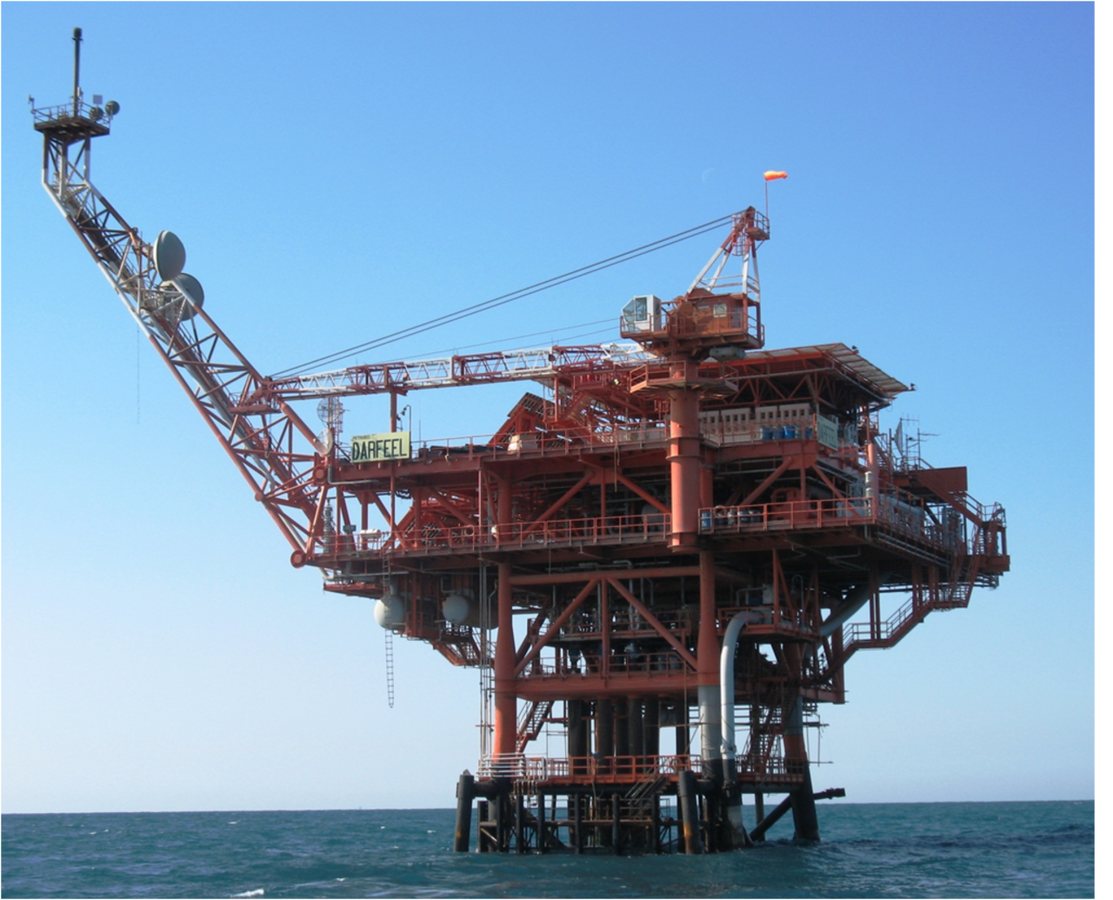
Egypt is a developing country with the second-largest economy in Africa. It is regarded as a regional power in the Middle East, North Africa and the Muslim world, and as a middle power worldwide. Islam is the official religion and Arabic the official language. Egypt is a founding member of the United Nations, the Arab League and the African Union, and it is also a member of BRICS.