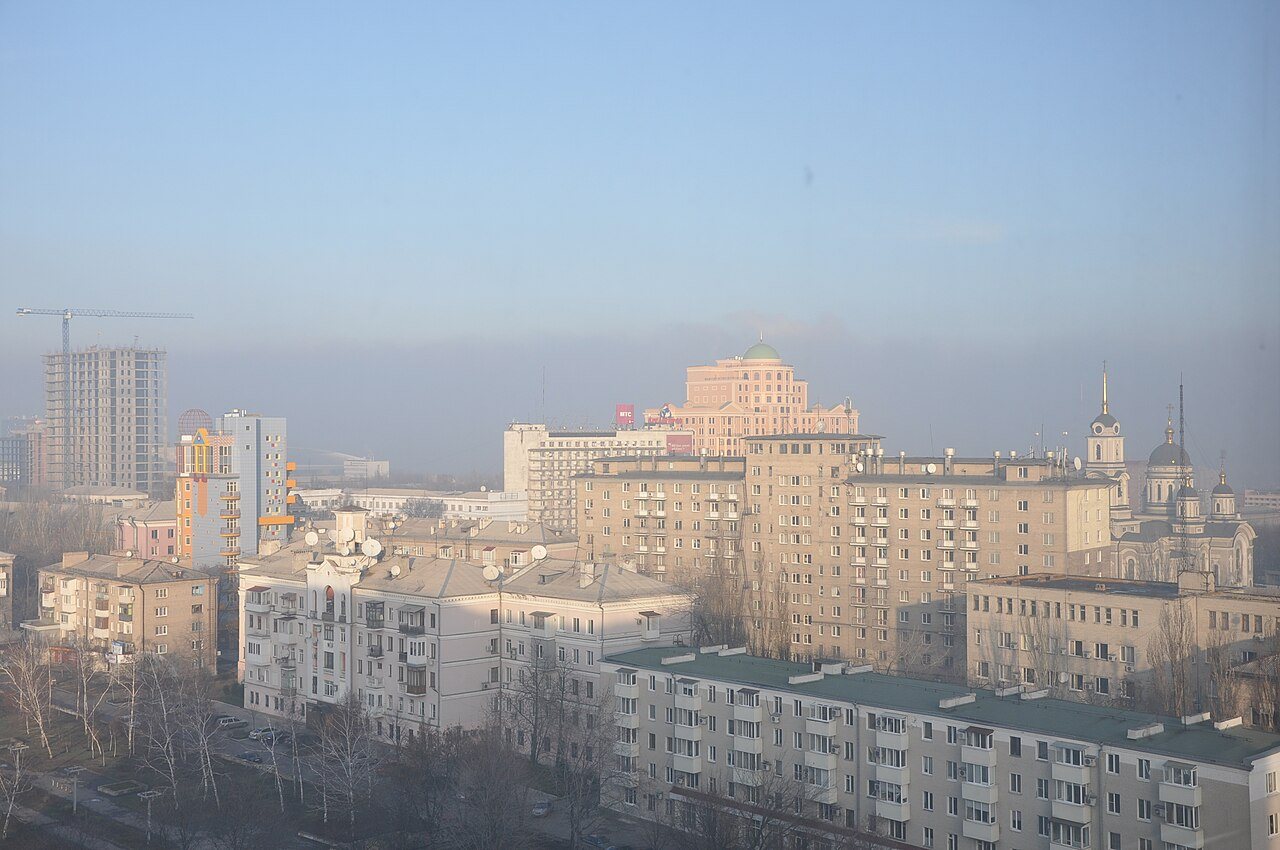
Donetsk is an industrial city in eastern Ukraine on the Kalmius River, historically the largest city of the Donets Basin region. Formerly known as Aleksandrovka, Yuzivka, Stalin and Stalino, it was renamed Donetsk in 1961. The city was a major centre of heavy industry, steel production, chemicals and coal mining. Since 2014 it has been a central site of the Russo-Ukrainian War and has been administered by pro-Russian separatist forces as the capital of the Donetsk People's Republic, while Russia now controls the city.
Founding and early growth
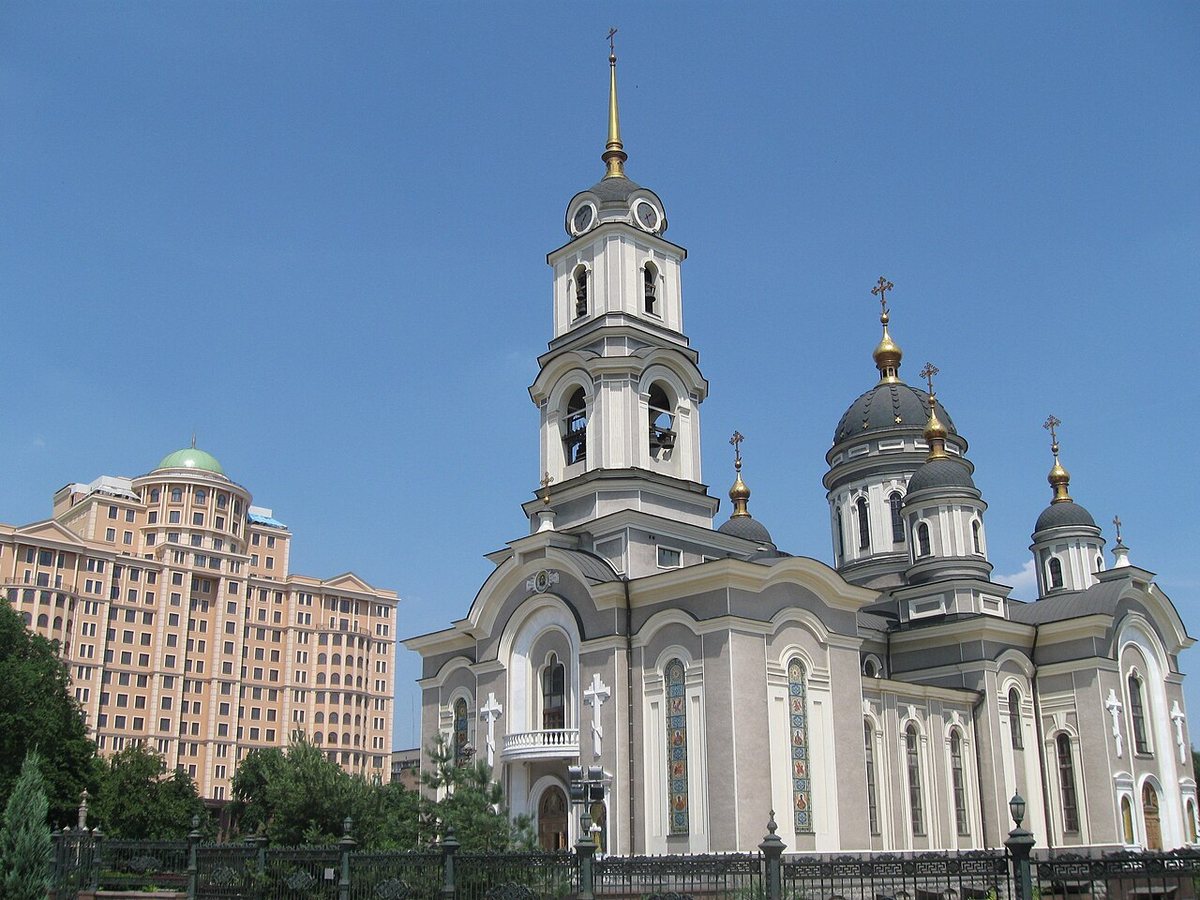
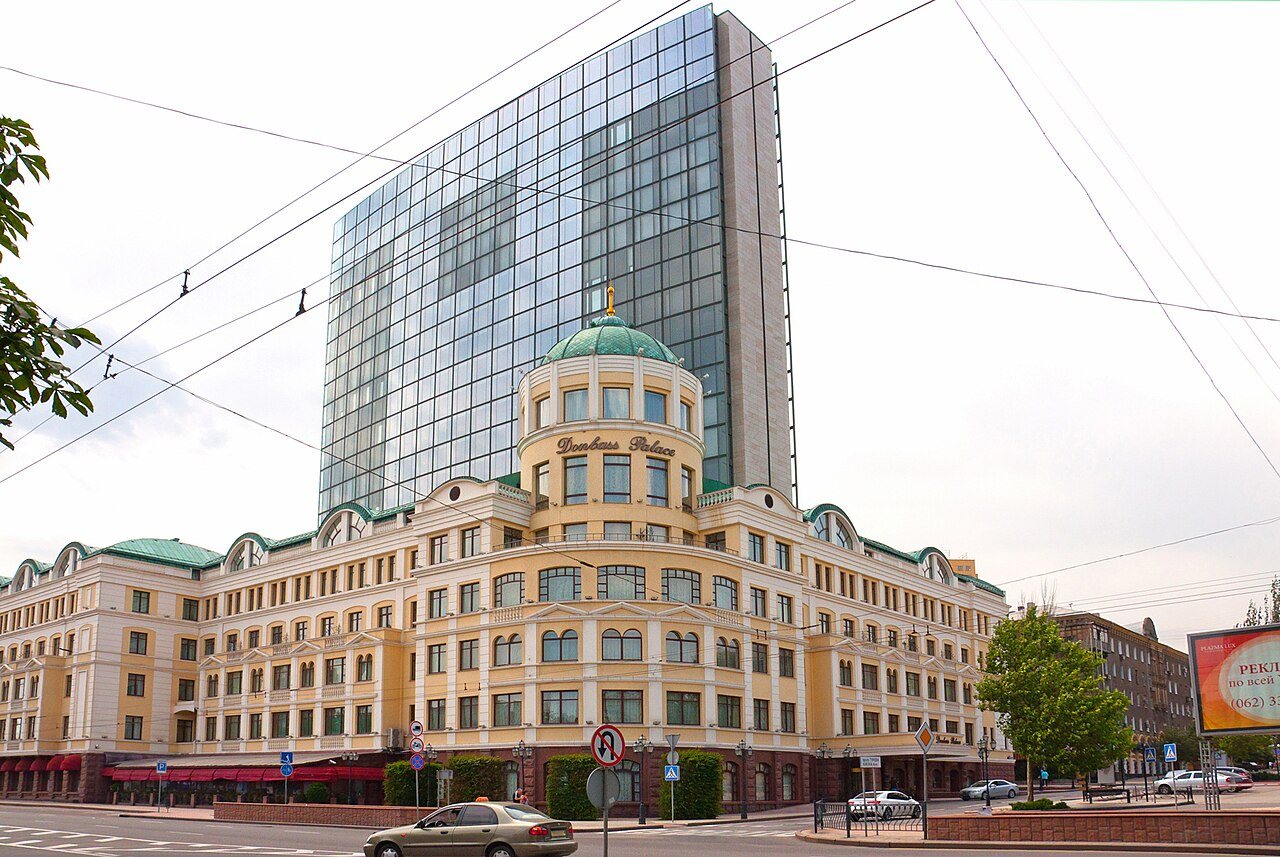
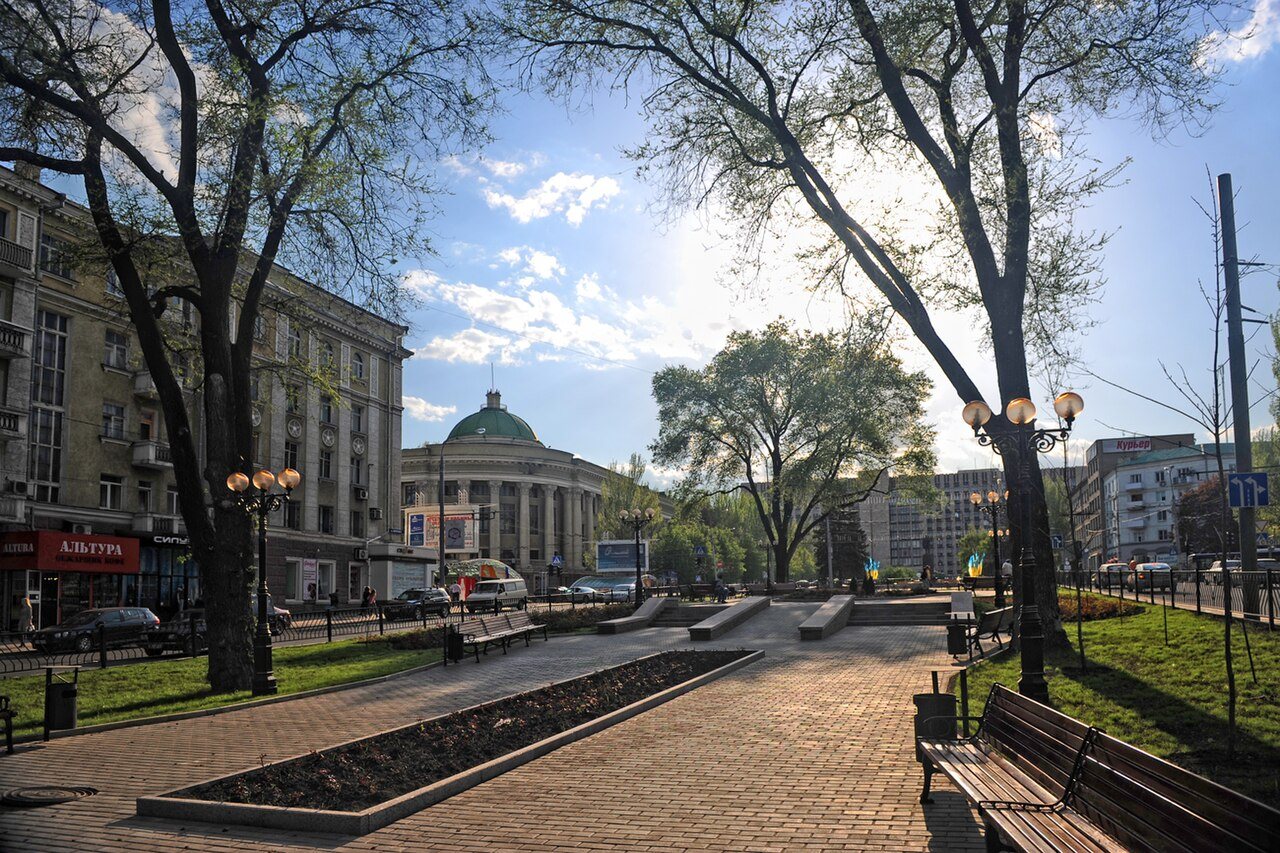


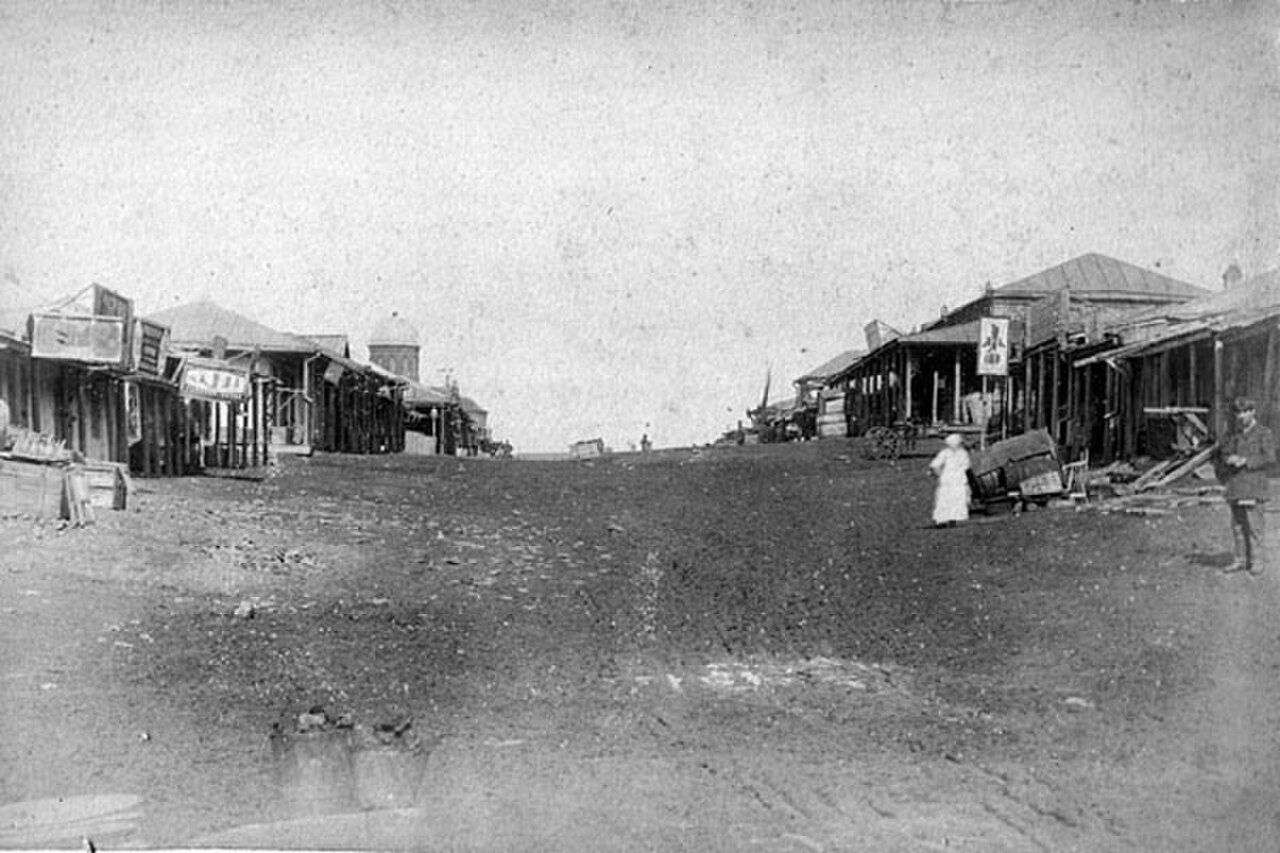
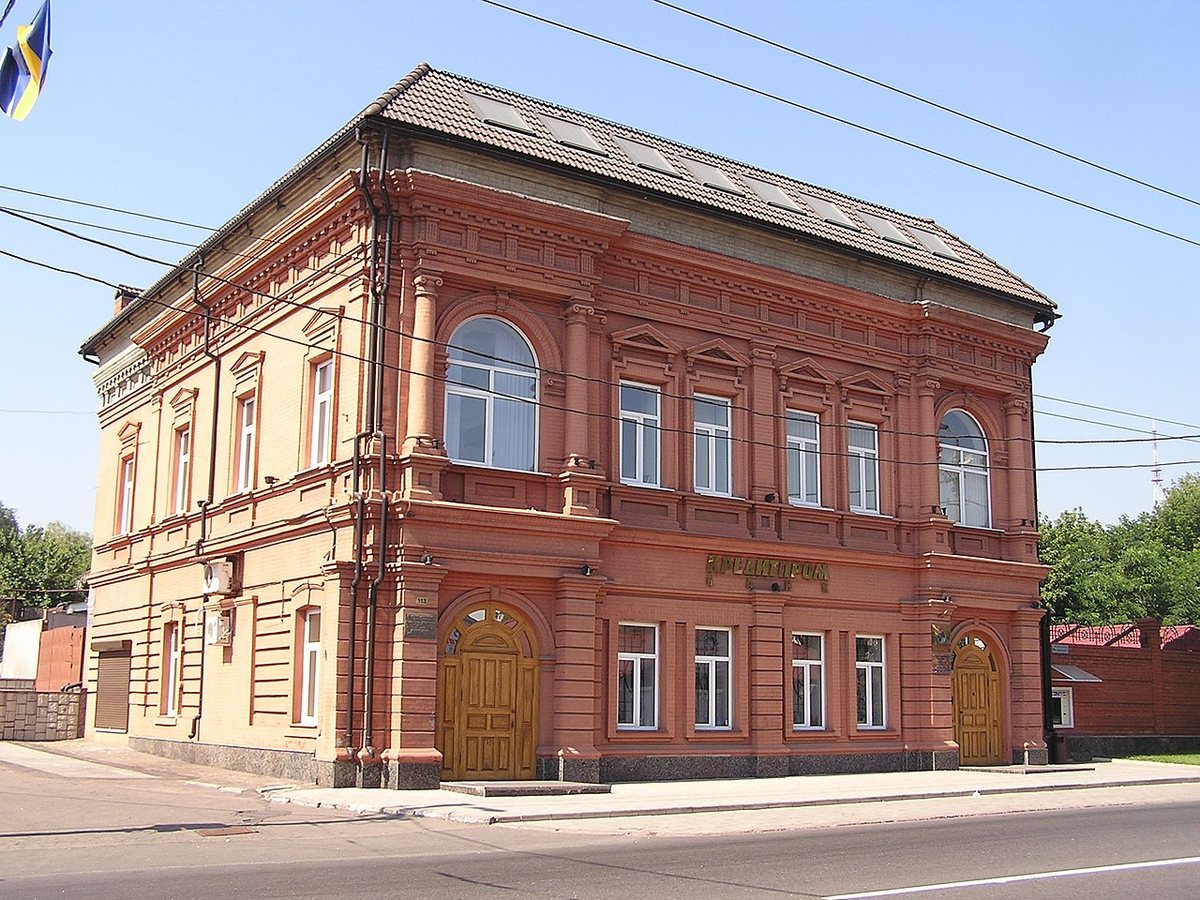


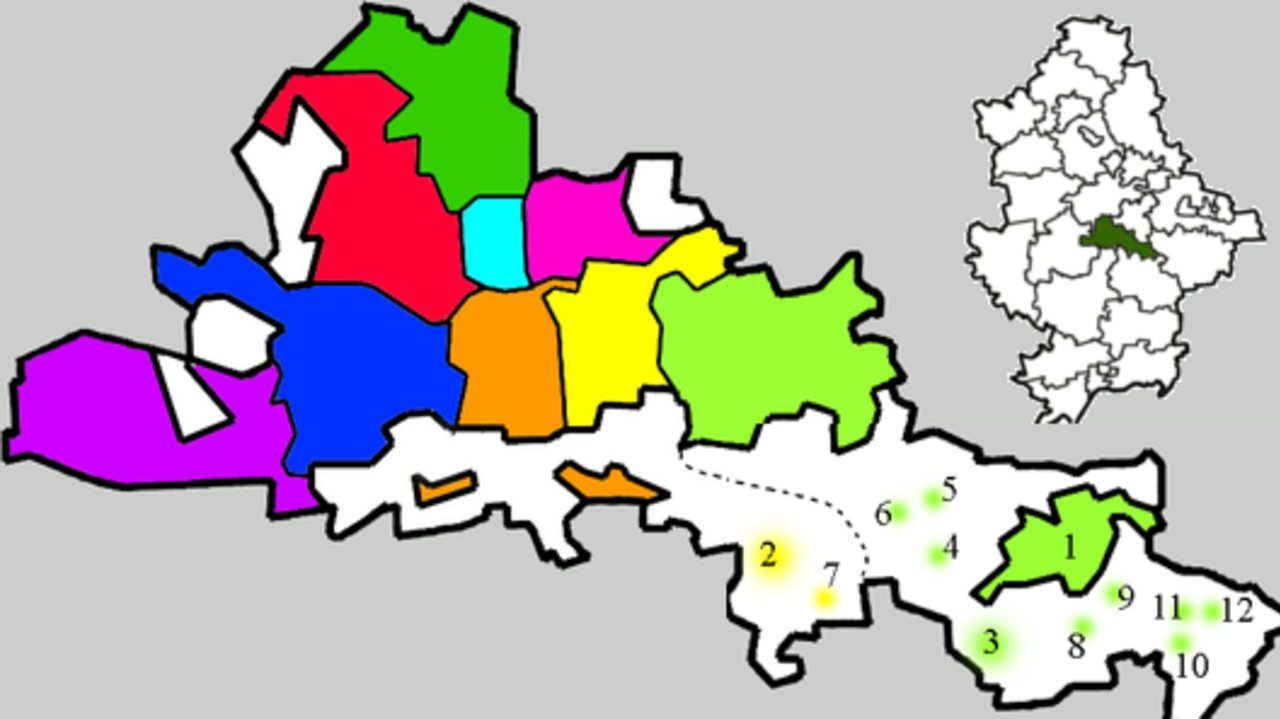
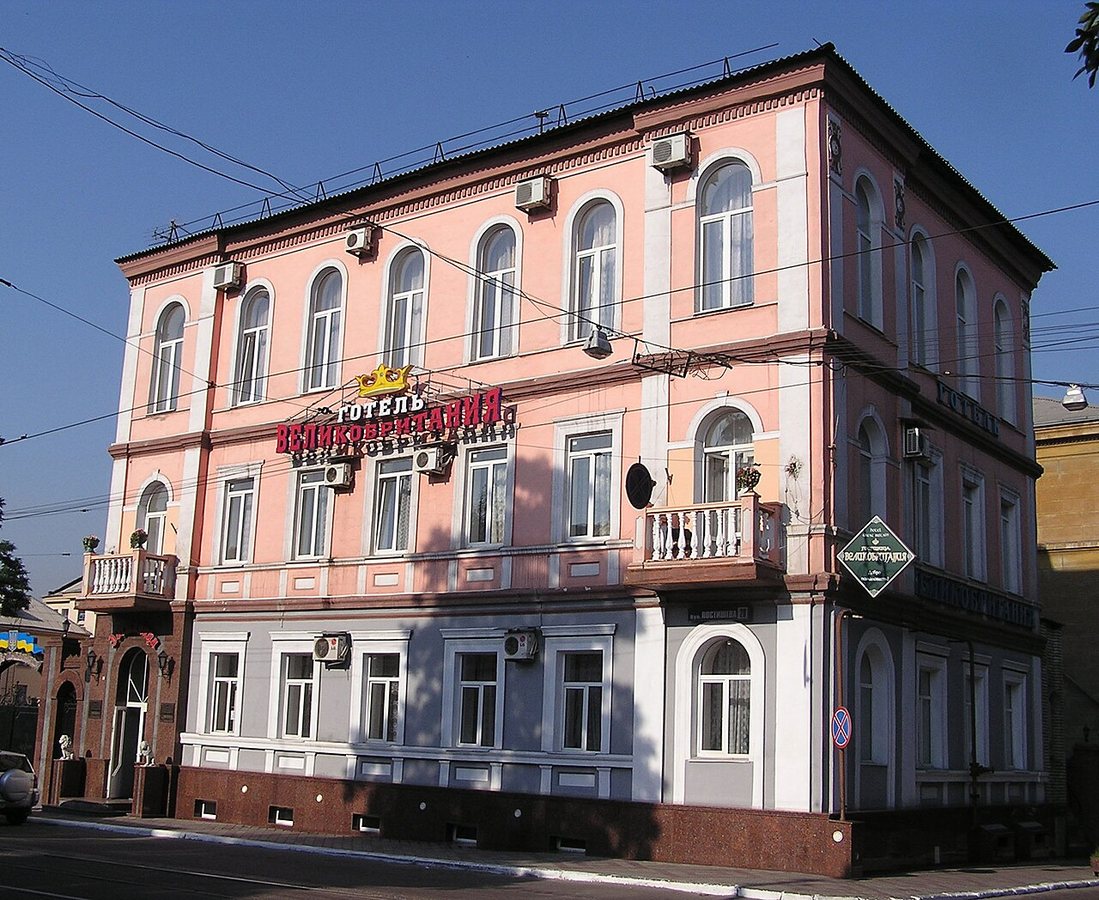
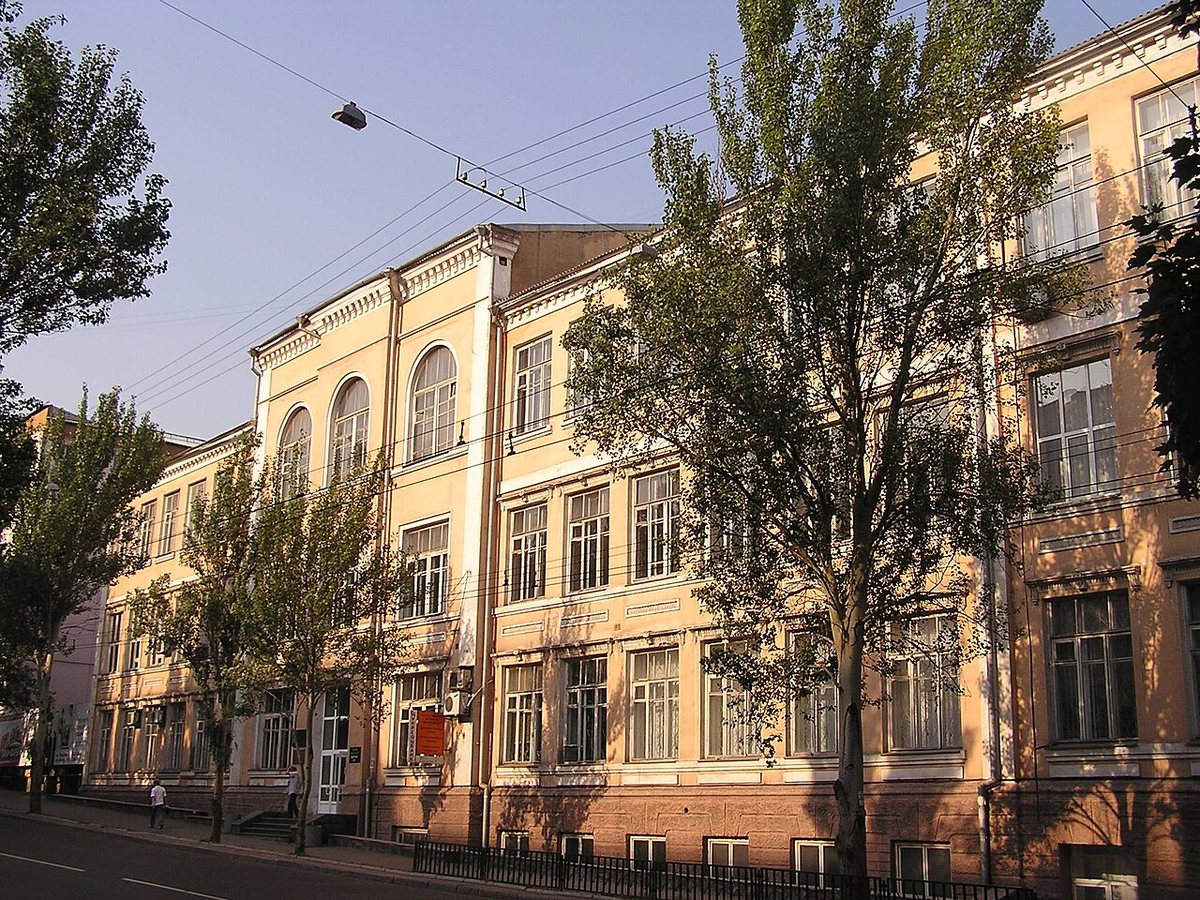
A Cossack settlement called Aleksandrovka existed on the site by 1779. In 1869 the Welsh businessman John Hughes founded a steel plant and several coal mines there, and the town took the name Hughesovka or Yuzovka in his honour. Many immigrants came from Wales, and the British origin of the city is still visible in its layout and architecture. By the early twentieth century the town had about 50,000 inhabitants and gained city status in 1917.
Soviet period
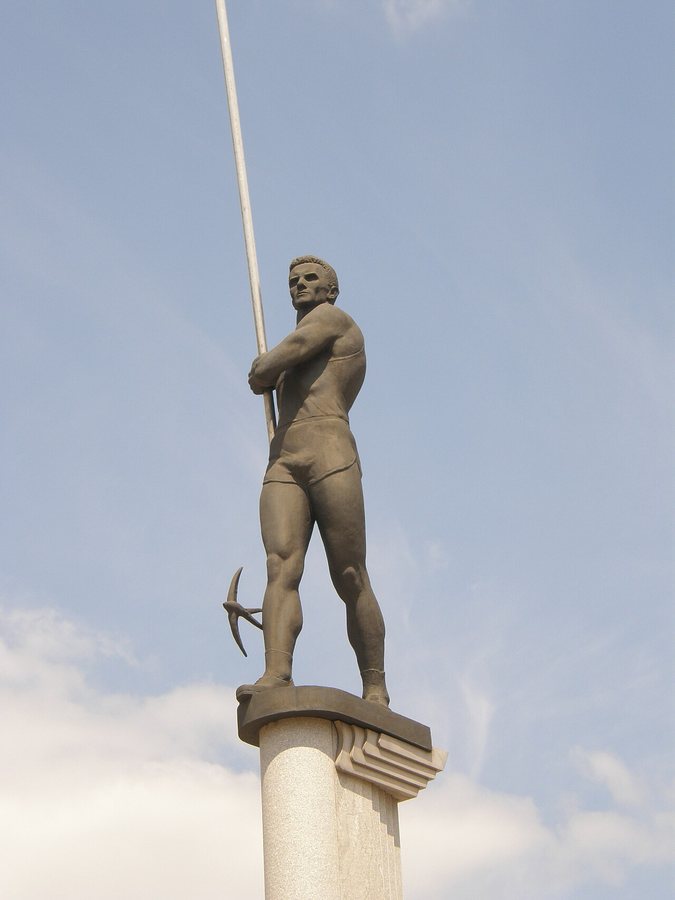

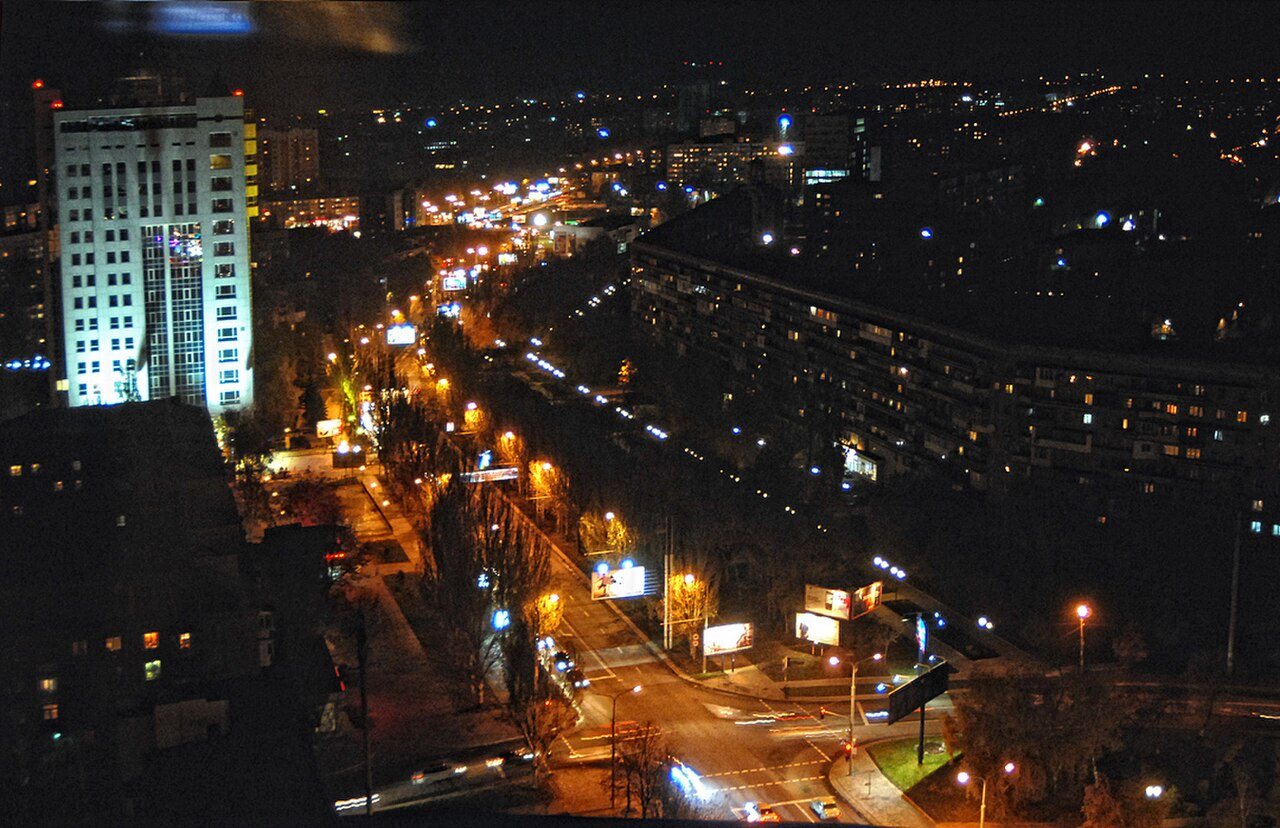
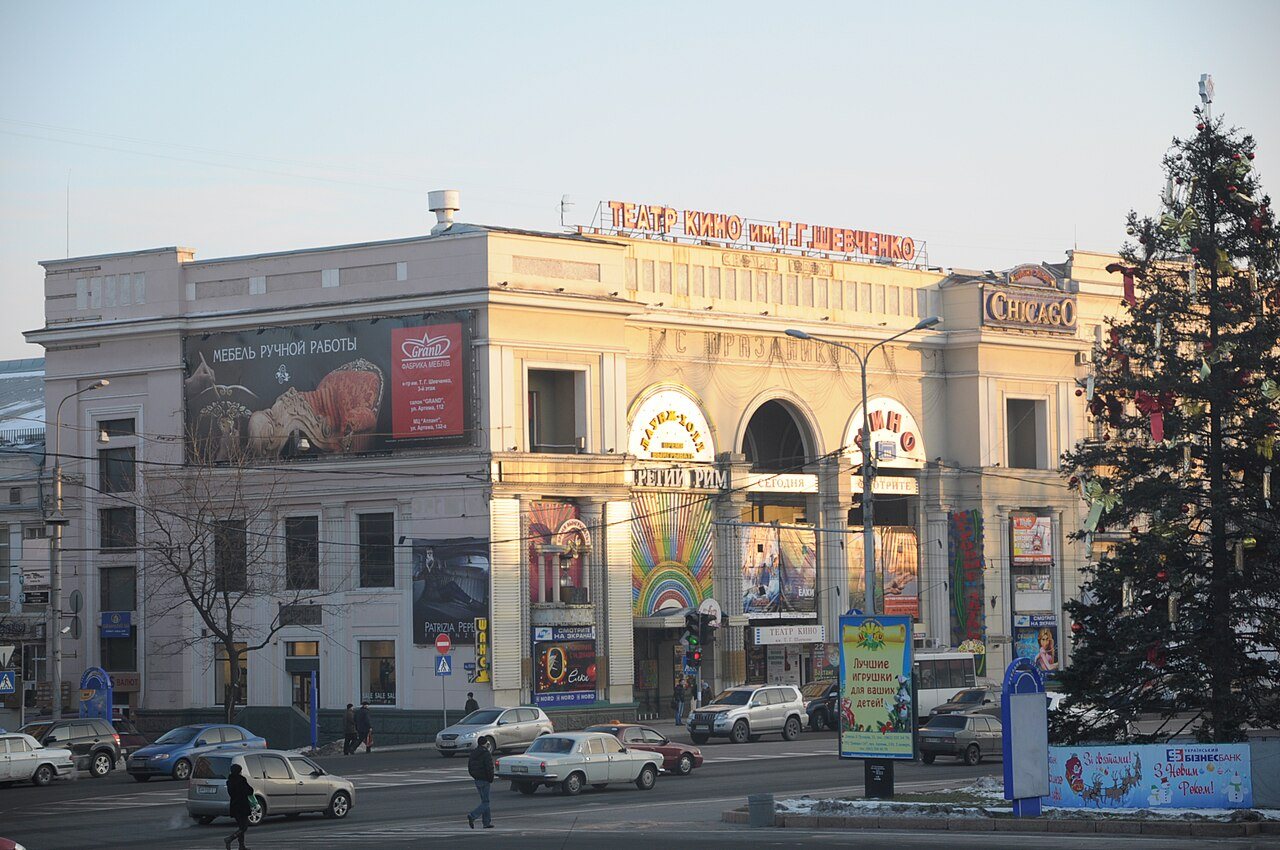
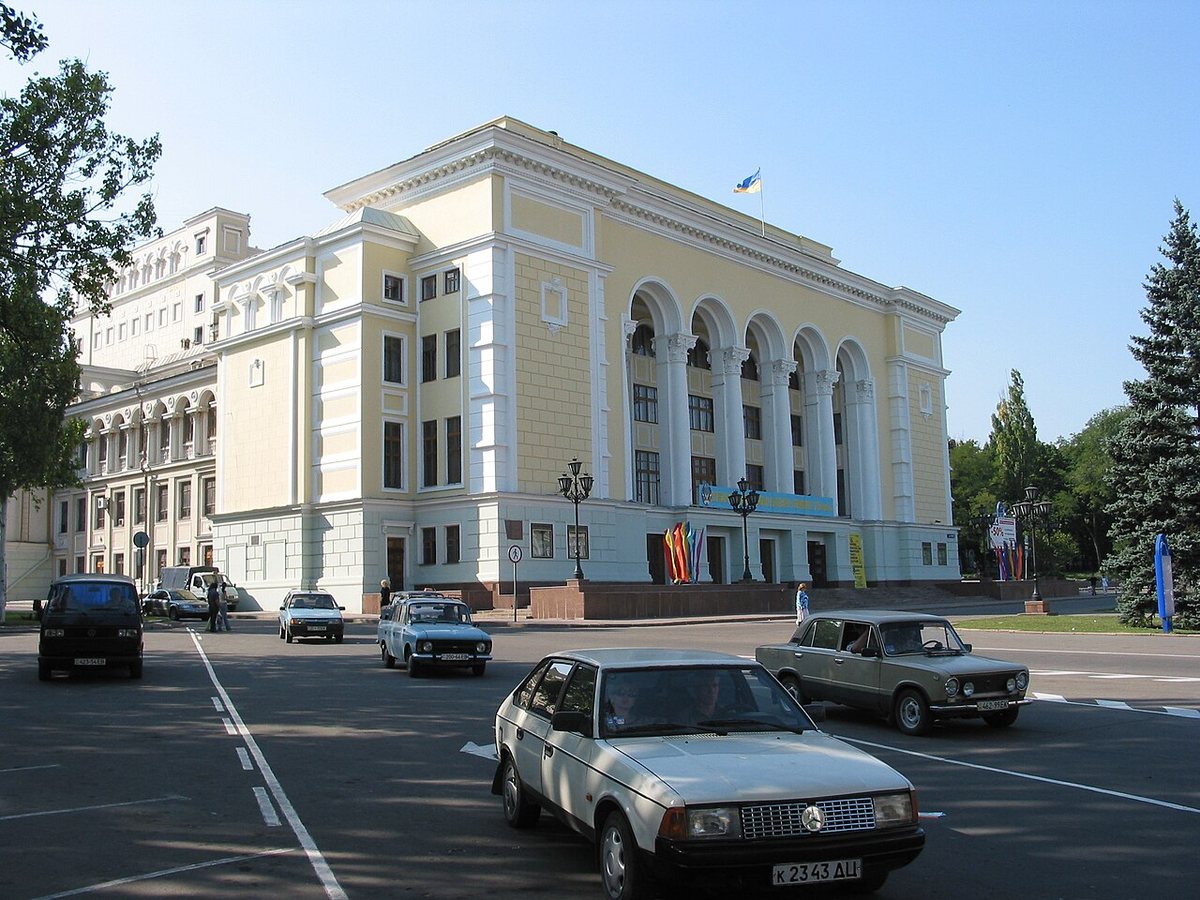

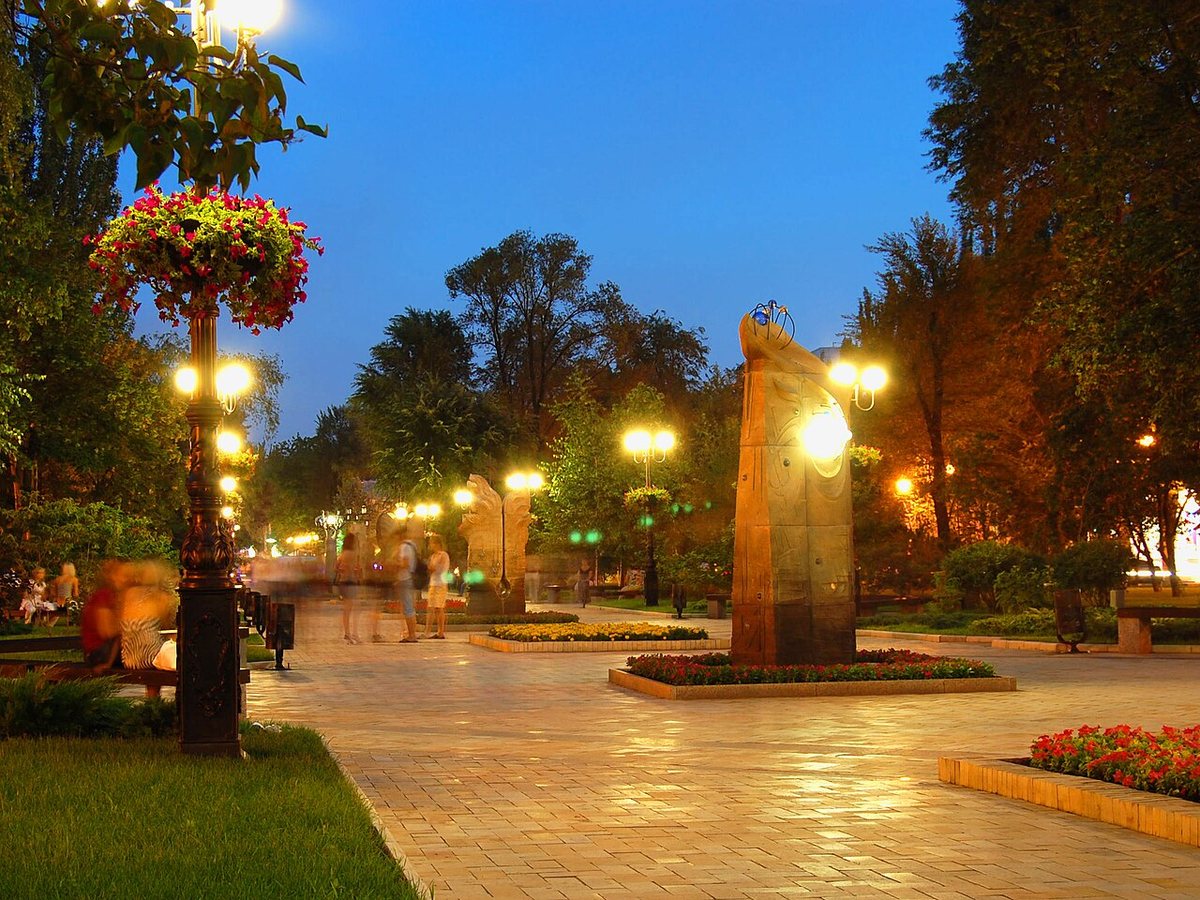
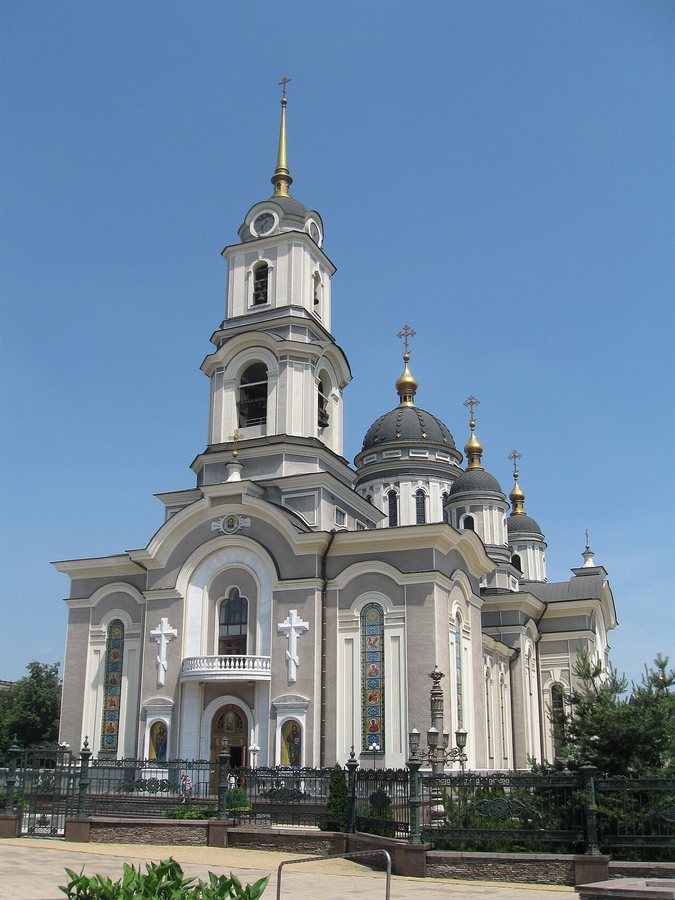
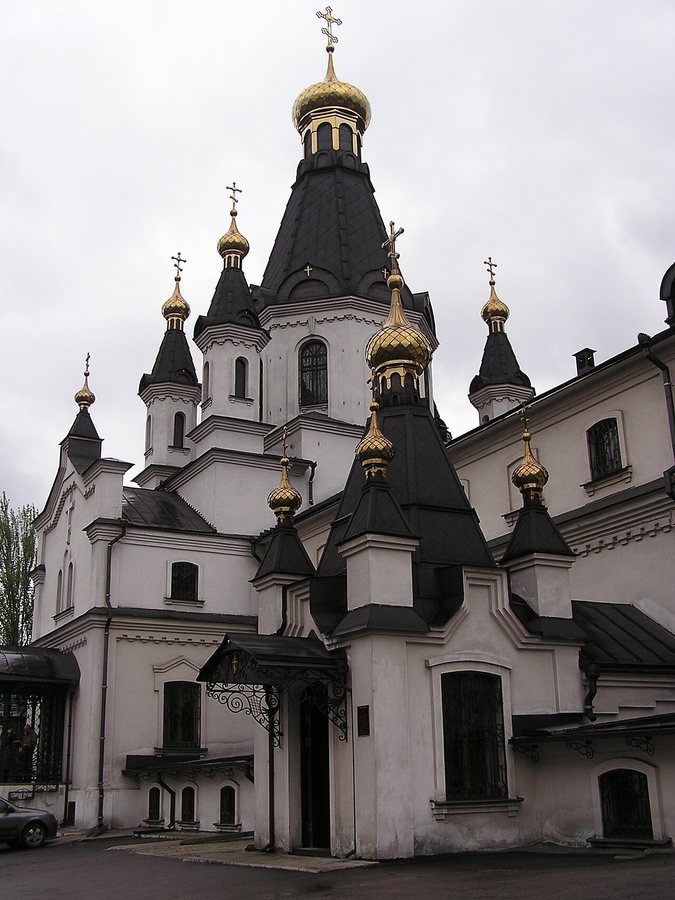

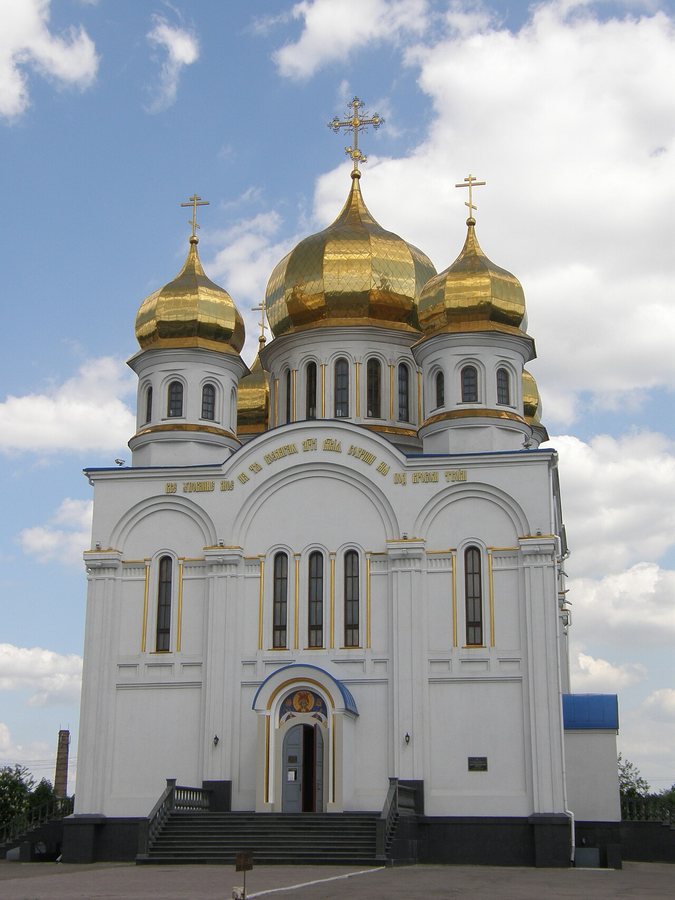
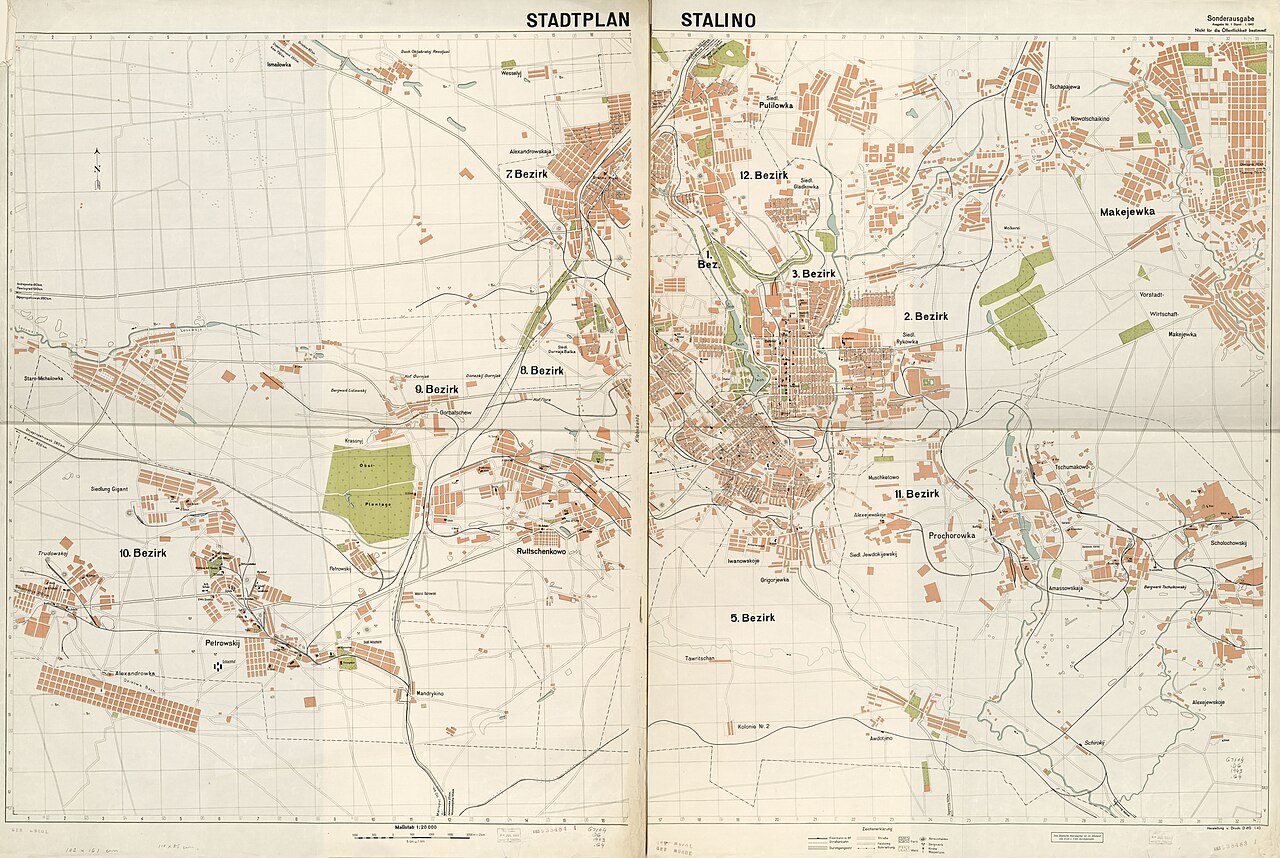
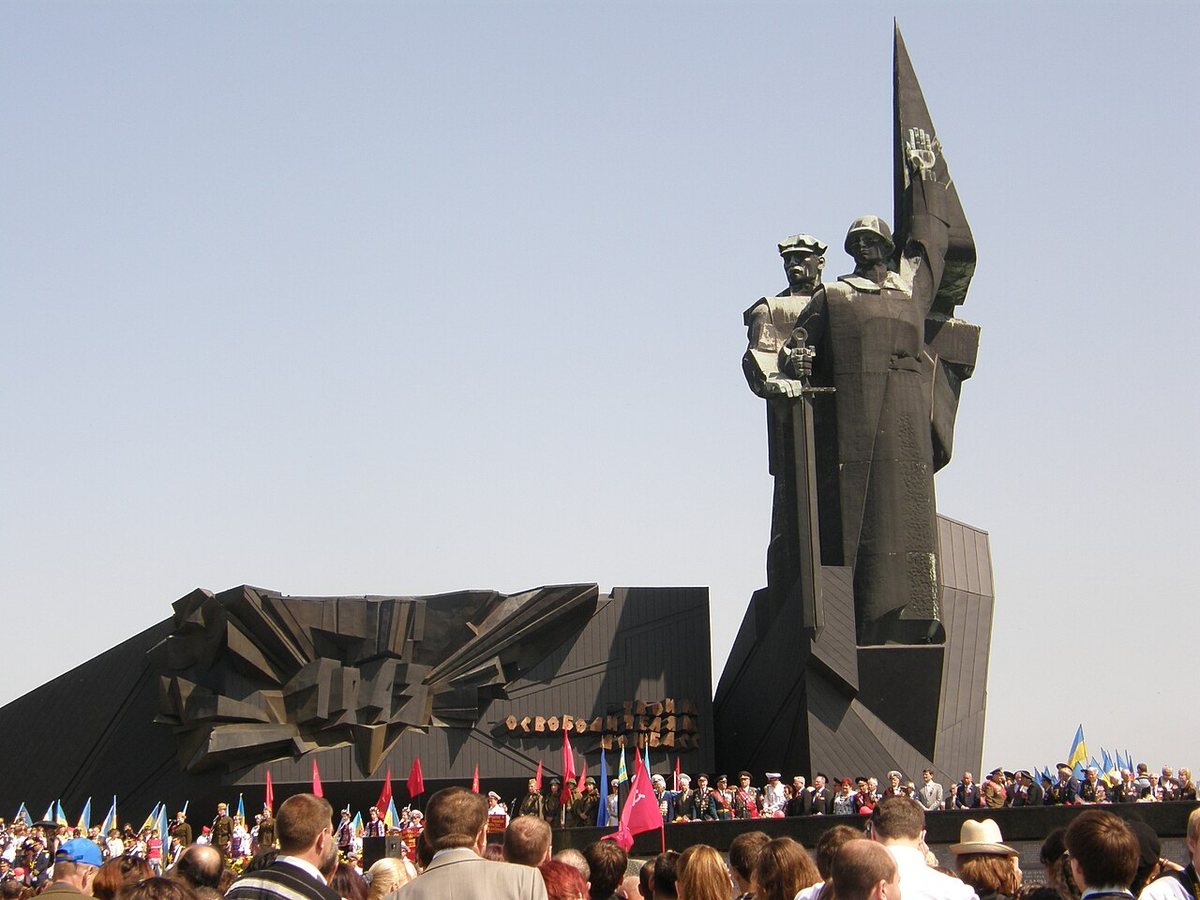
Under Soviet rule the city was renamed Stalin in 1924 and Stalino in 1929. It became the administrative centre of Donetsk Oblast in 1932 and the steel industry expanded considerably. The city suffered heavy damage during the German occupation of World War II and was largely rebuilt afterwards. In 1961 it was renamed Donetsk, after the Seversky Donets River, to distance it from Joseph Stalin.
Independence and conflict
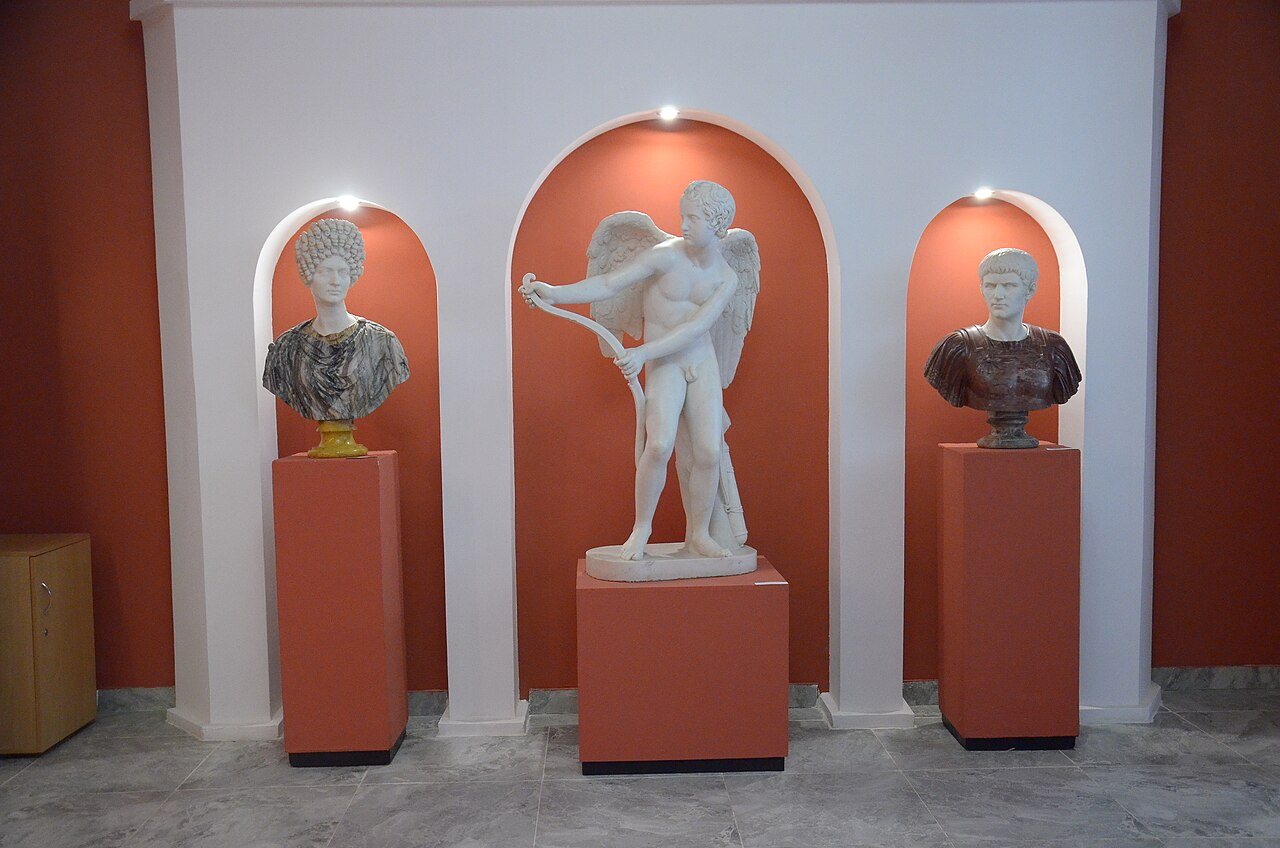
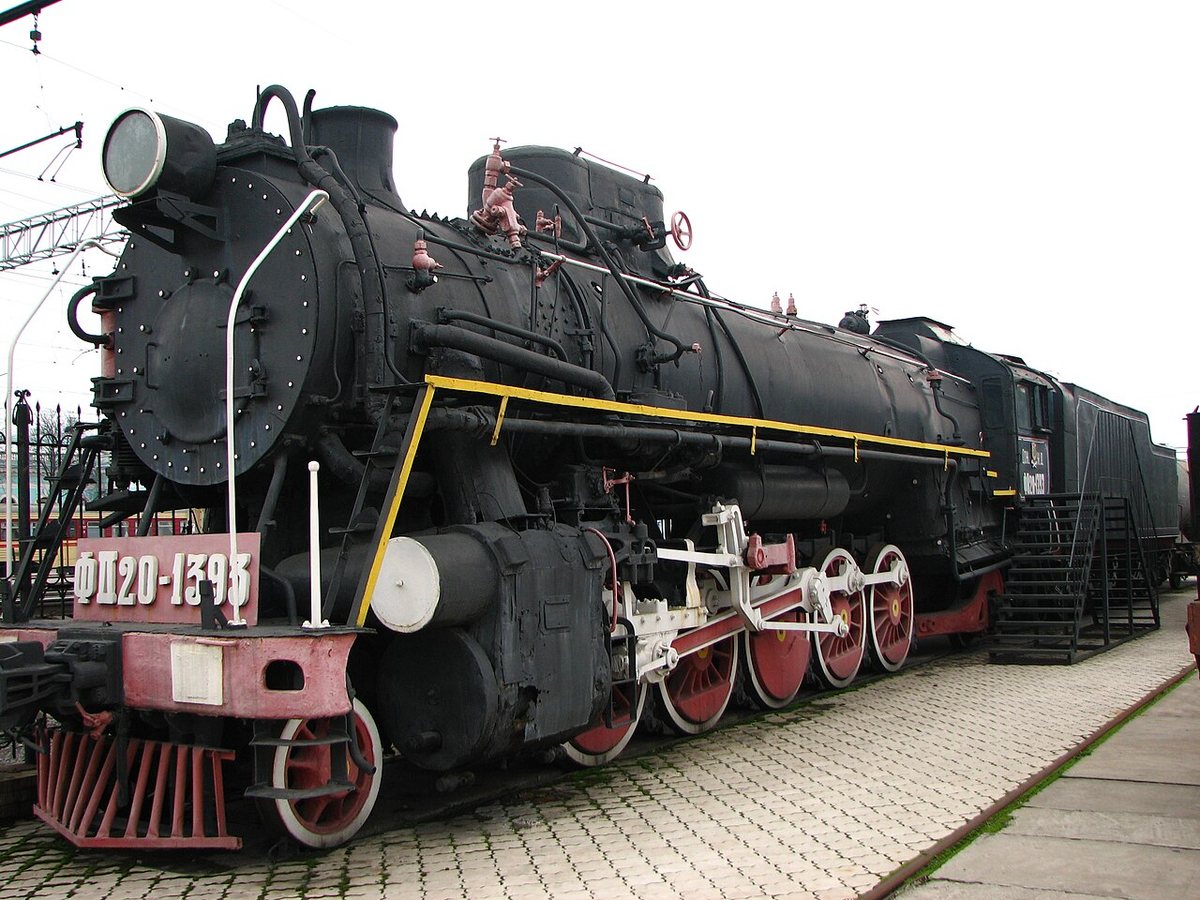
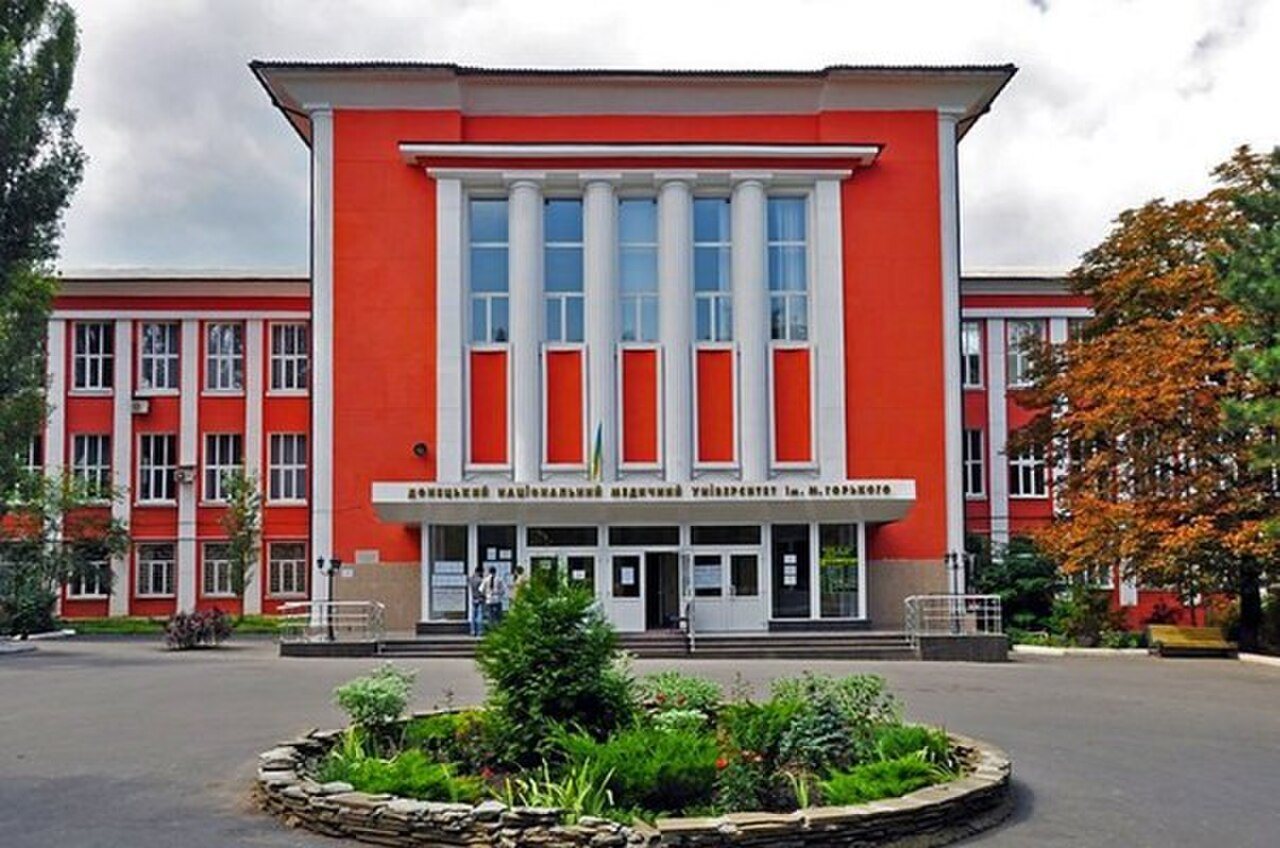


After Ukraine declared independence in 1991, the city voted strongly in favour in the referendum held that December. The 1990s brought economic hardship, after which the city modernised under the influence of large companies. Since April 2014 Donetsk and its surroundings have been a major battleground of the Russo-Ukrainian War, and the city has faced severe ecological and demographic challenges linked to its heavy industry.