
Ceuta is an autonomous city of Spain on the North African coast, bordered by Morocco and lying between the Mediterranean Sea and the Atlantic Ocean. It is one of the special territories of members of the European Economic Area. Although it is part of the Schengen area, specific provisions such as border checks apply between Ceuta and European Spain. Its population is predominantly Spanish Christian and Arab Muslim, with small communities of Sephardic Jews and Sindhi Hindus, and Spanish is its official language.
Ancient and medieval history
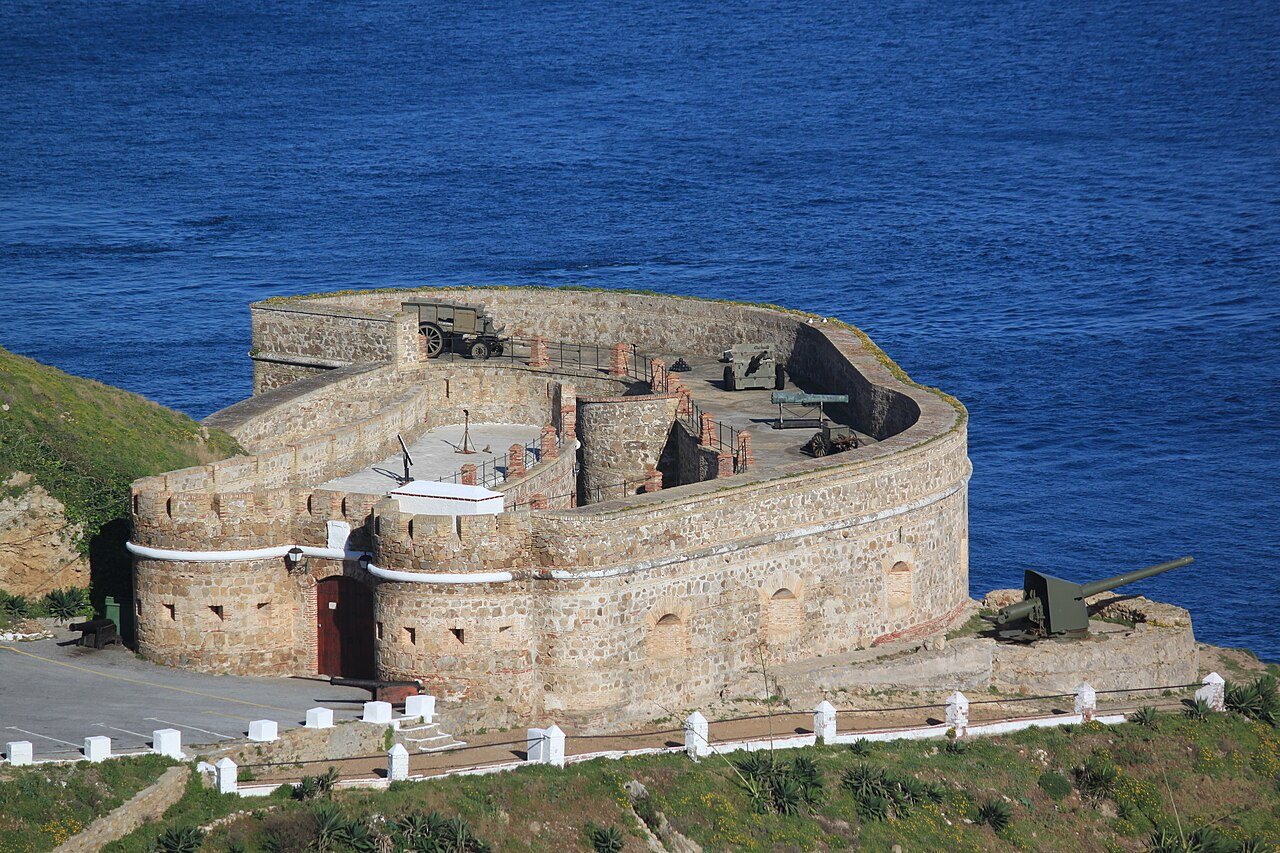


Phoenicians established an outpost on the La Almina Peninsula early in the first millennium BC, valued for its easily defended isthmus. The site passed under Carthaginian, Roman and Byzantine control, and was later annexed by the early Islamic caliphates. It was destroyed during a Berber revolt, then resettled in the ninth century. For much of the Middle Ages, regional powers on both sides of the Strait of Gibraltar contested the port, which was a key prize in the so-called Battle of the Strait.
Modern status


In 1415 the Kingdom of Portugal conquered and annexed Marinid Ceuta, and in 1580 the Hispanic Monarchy took it over. The city chose to remain under Spanish authority after 1640. It was part of the Spanish province of Cádiz as an ordinary municipality until its Statute of Autonomy in March 1995 made it an autonomous city. Along with the Canary Islands, Ceuta was once a free port before Spain joined the European Union.