
Carnival is a festive season at the close of the Christian pre-Lenten period, made up of Quinquagesima or Shrove Sunday, Shrove Monday, and Shrove Tuesday or Mardi Gras. Known as Shrovetide in some areas, it typically features public parades, street parties, and entertainments that combine elements of a circus. Elaborate costumes and masks let people set aside their everyday identities, while feasting on foods avoided during Lent, such as meat, dairy, and desserts, marks the season as one of indulgence before a period of fasting.
Origins and etymology
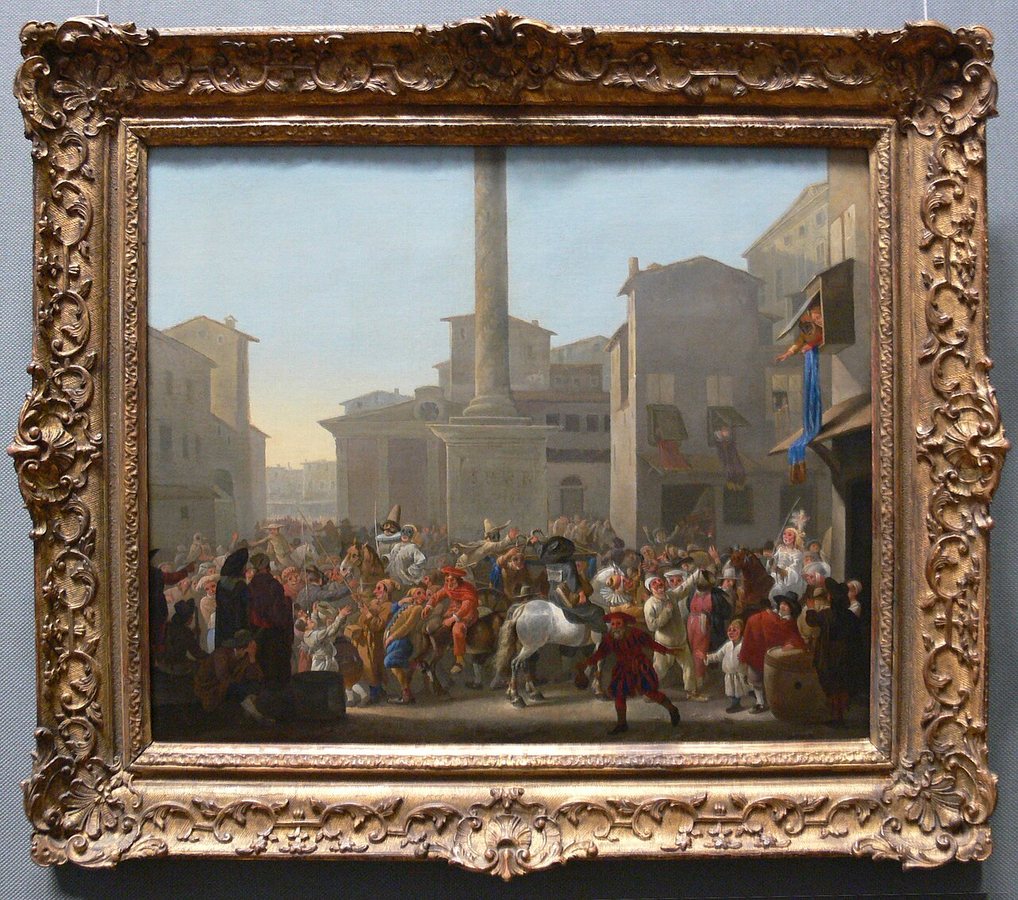


The celebration draws on ancient European festivals, such as the Greek Anthesteria and the Roman Saturnalia, which temporarily suspended social hierarchies. The name is traditionally linked to the Late Latin phrase carne levare, meaning to remove meat, though folk etymology offers carne vale, or farewell to meat. Some scholars instead connect the word to a meat-based feast or to the Navigium Isidis festival honoring the goddess Isis.
Religious observance


Christians use the season to consider which sacrifices they will make during Lent. On Shrove Tuesday, many traditional Christians reflect on wrongs needing repentance. Churches burn the previous year's blessed Palm Sunday branches to produce the ashes used on Ash Wednesday. The name and customs vary by region, with Carnival used in Catholic areas and Greece, Fastelavn in Lutheran countries, and Maslenitsa in Slavic Orthodox nations.