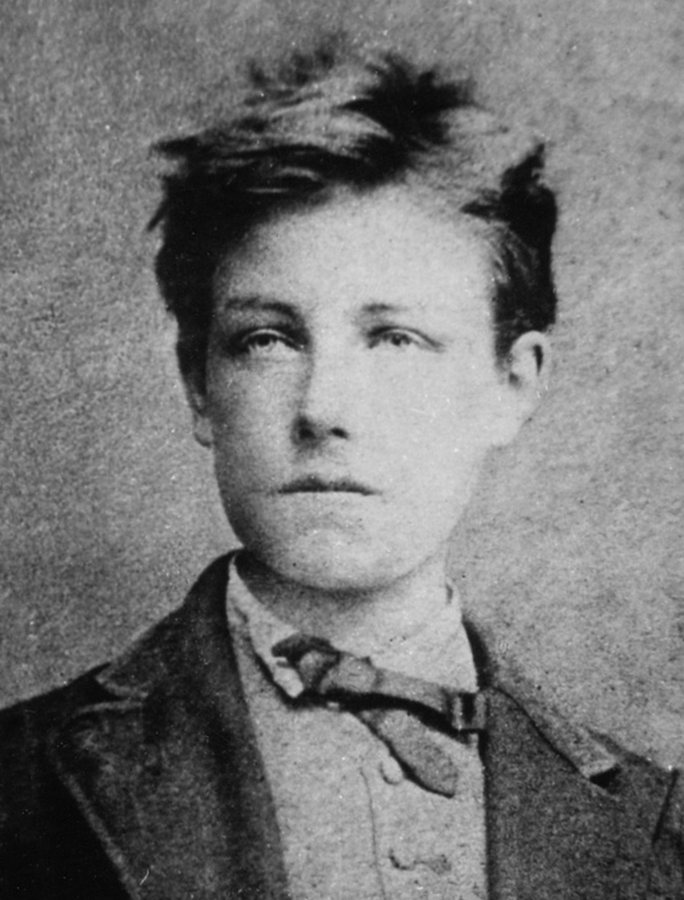
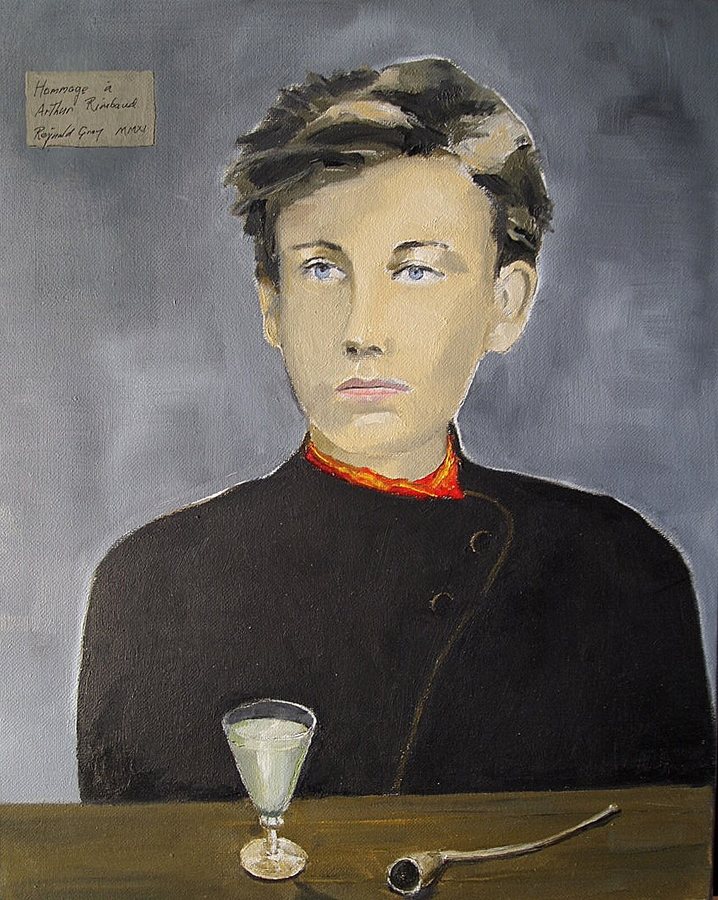
Arthur Rimbaud was a French poet born in Charleville in 1854 who died in 1891. Known for transgressive and surreal themes, he influenced modern literature and the arts and is seen as prefiguring surrealism. He produced most of his literary output in his late adolescence and early adulthood, then stopped writing literature at age 20 after completing his final major work, Illuminations. Rimbaud is also well known for his contributions to symbolism and for A Season in Hell, a precursor to modernist literature.
Early life
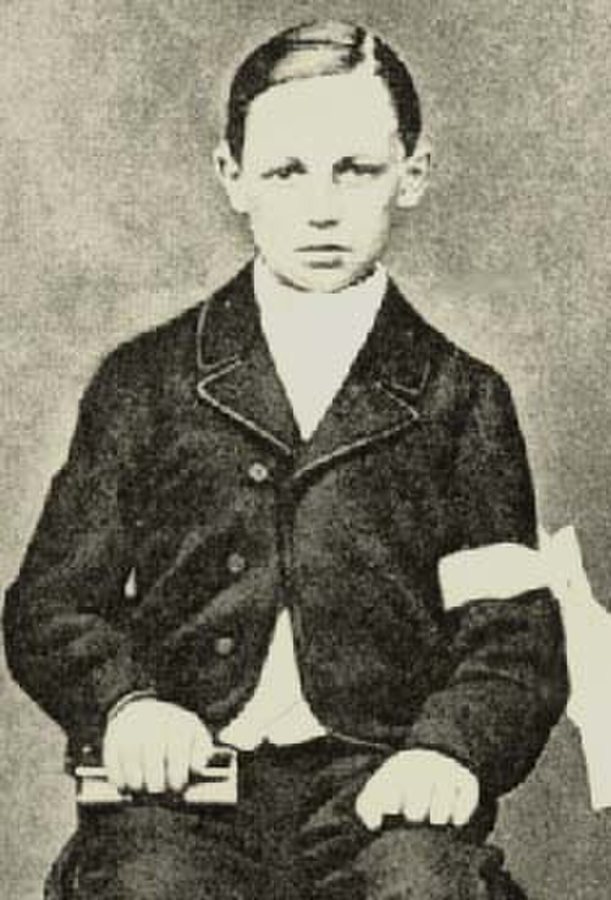
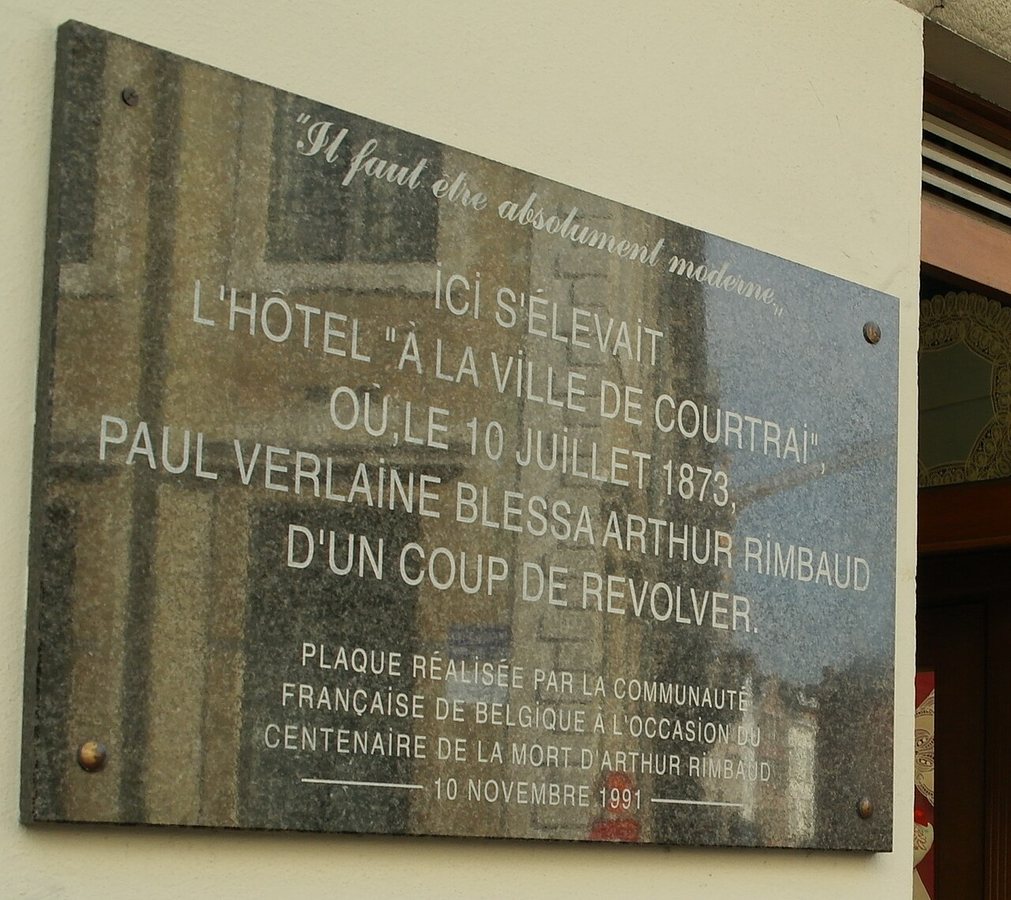
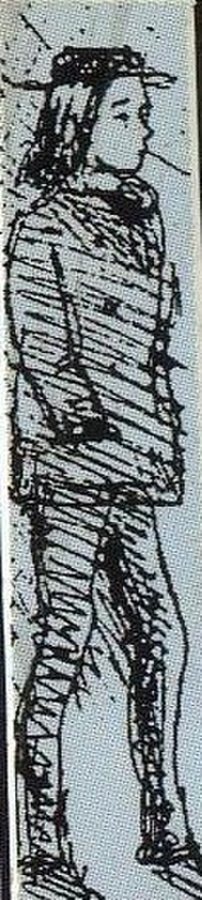

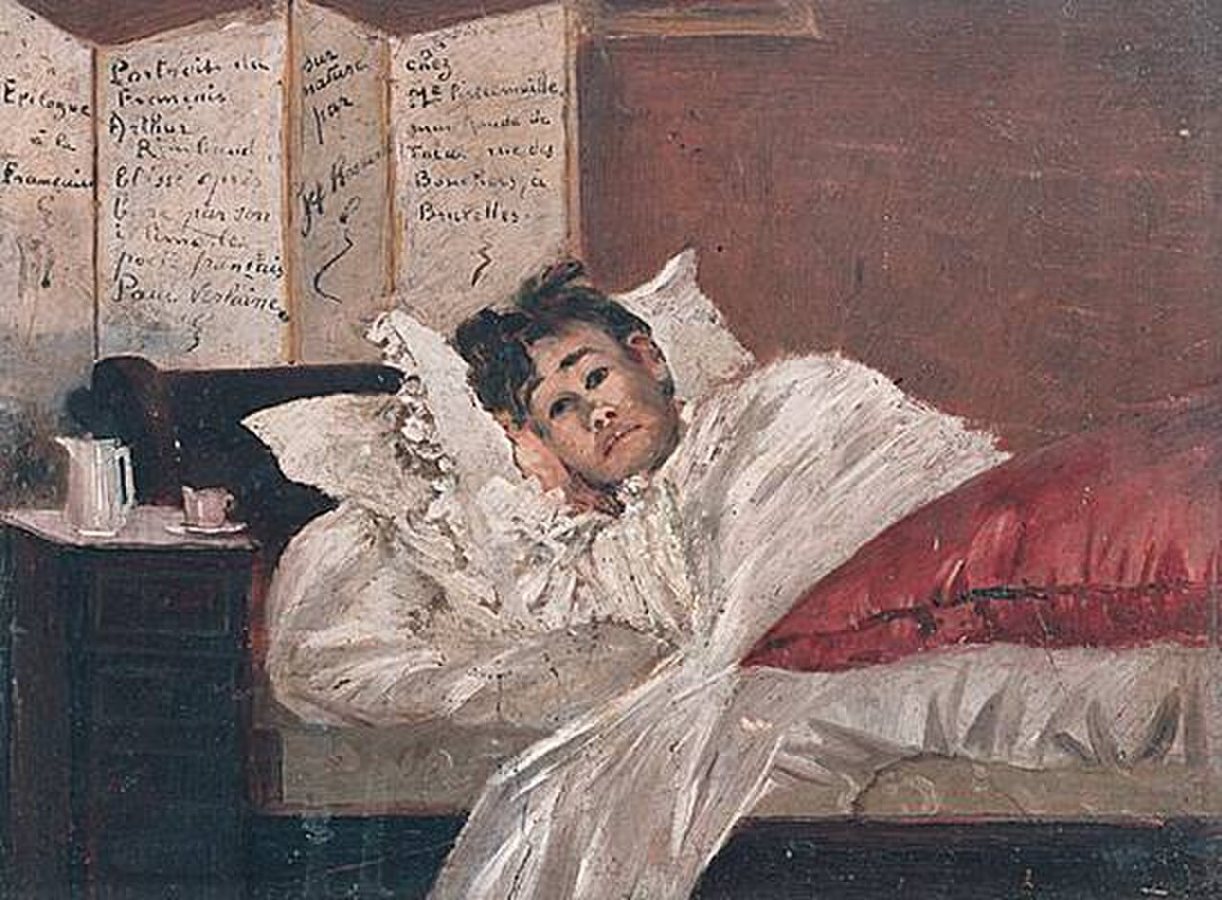
Rimbaud was the second child of a military captain who spent much of his career abroad and a mother who ran the household with strict discipline. He grew up in Charleville in the Ardennes, where his mother pushed him toward scholastic success. At school he excelled in classical subjects and won many academic prizes. A private tutor, Father Ariste Lhéritier, encouraged his love of Greek, Latin and French literature and his early attempts at verse. His first published poem appeared when he was 15.
Literary career and later life
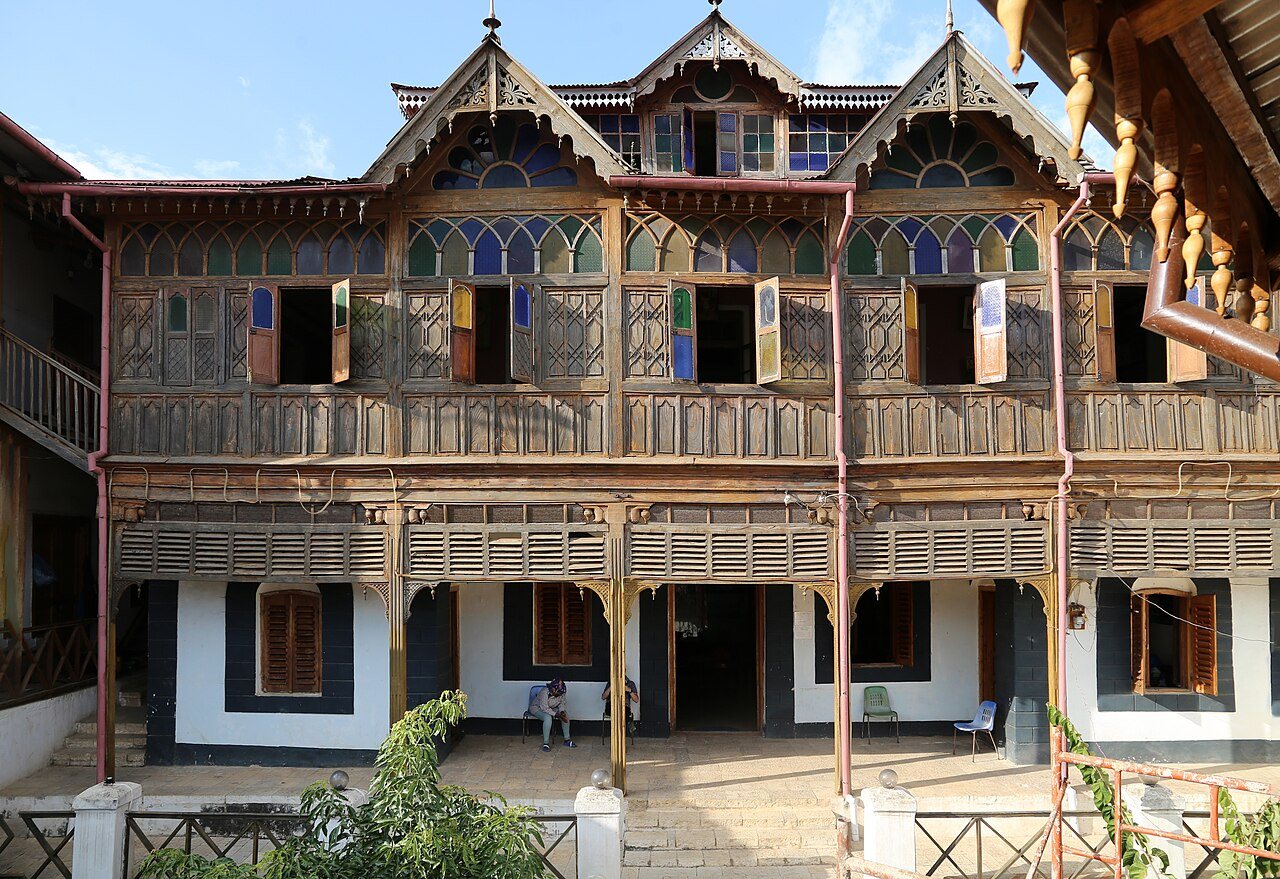
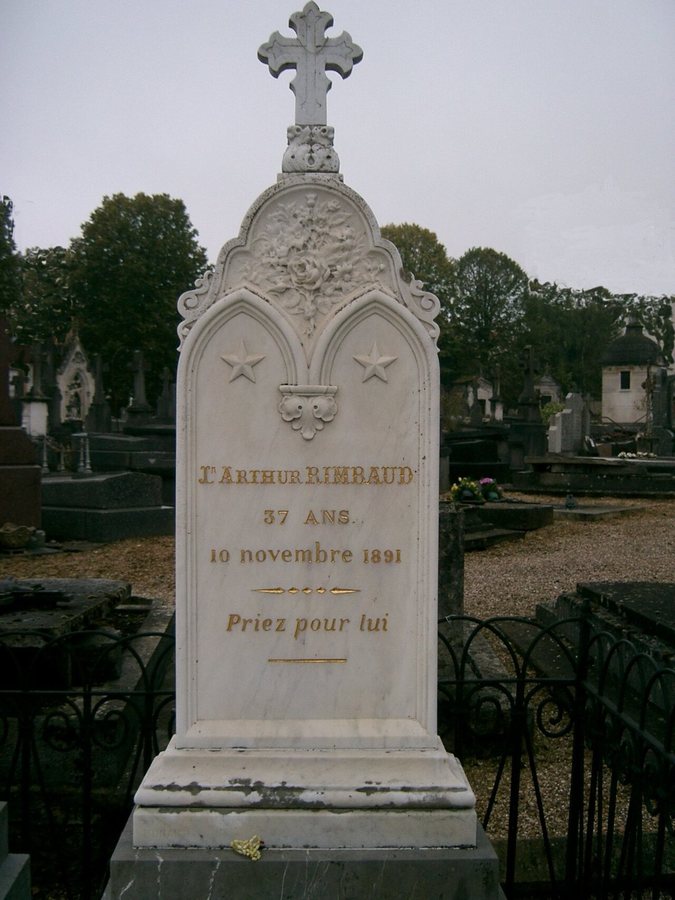


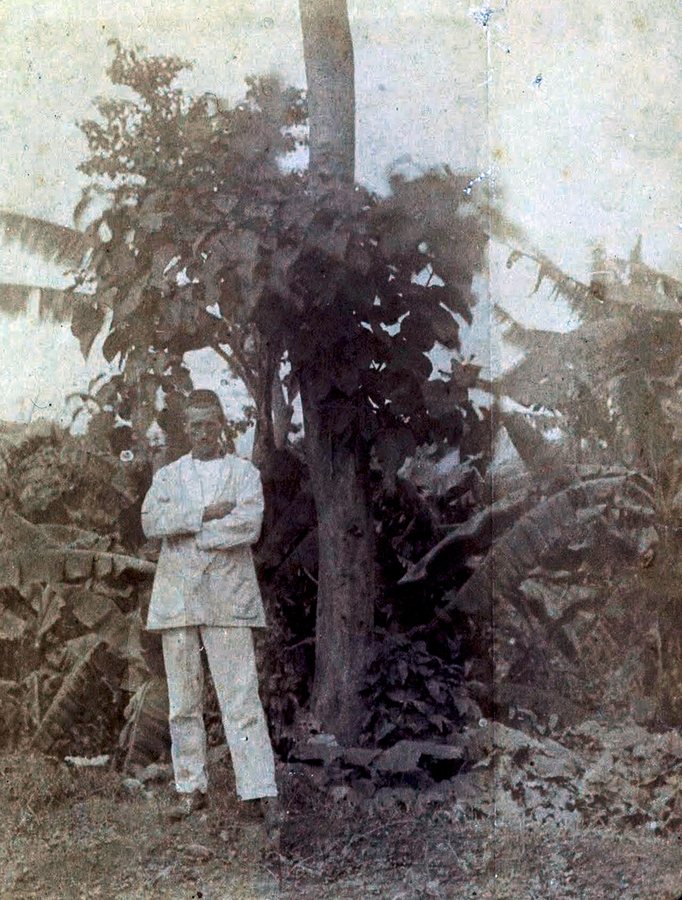
At 15 he began a close friendship with his teacher Georges Izambard, who became his mentor. Rimbaud had a turbulent relationship with the poet Paul Verlaine that lasted nearly two years. After he gave up writing, he travelled widely on three continents as a merchant and explorer. He died of cancer just after his thirty-seventh birthday, and his work remains central to the history of symbolism and modern poetry.