
Armenag Haigazian was an Armenian theologian, educator, and scientist who lived from 1870 to 1921. Born in the Saimbeyli district of the Ottoman Empire, he pursued extensive academic studies in the United States, earning degrees from the University of Chicago, Hartford Theological Seminary, and Yale University. He is most recognized for his leadership at the Apostolic Institute in Konia, where he served as dean and later as president. Through his dedicated administration, he elevated the institution's academic standards, significantly impacting Armenian education in the Levant.
Academic and professional life
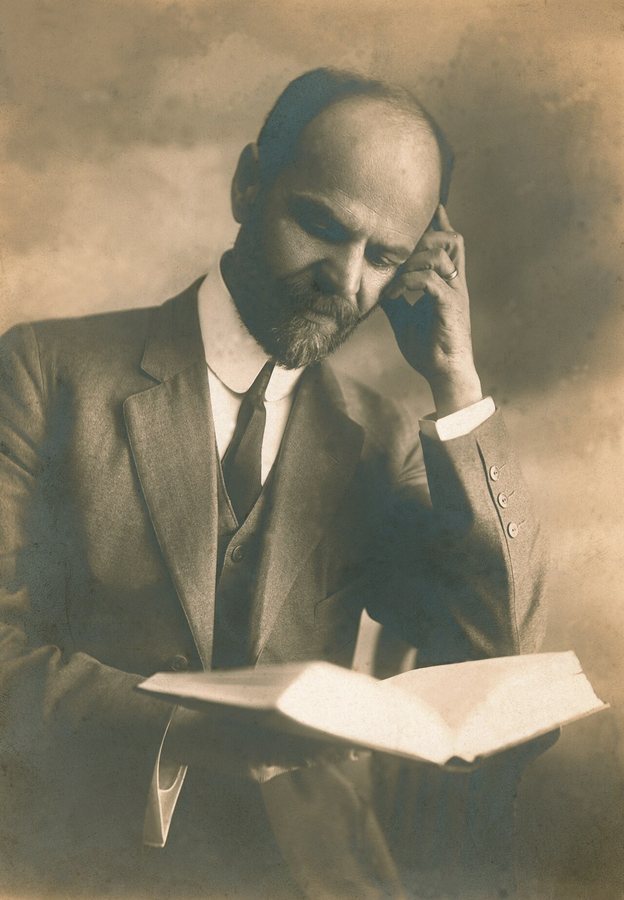
After studying at several institutions, including the Marash Theological Seminary, Haigazian moved to the United States to specialize in Semitic languages and biblical literature. Following his doctoral studies at Yale, he returned to Turkey to lead the Apostolic Institute. He worked to improve the school's curriculum and eventually oversaw its incorporation. During his career, he also traveled to the United States to secure funding for the institute's infrastructure and spoke at international religious conferences.
Later years and death
Following the mass deportations of the Armenian population, the institute briefly closed before reopening in 1919. Haigazian's life ended tragically after he was arrested by Kemalist forces in 1921. While being transported to Harpoot, he contracted typhus. Despite being admitted to a hospital in Mezereh, his health declined rapidly, and he passed away in July 1921. He was buried in the cemetery of the Armenian Evangelical Church in Harpoot.
Legacy and veneration
Haigazian is remembered as a saint. His educational contributions were honored decades after his death through the establishment of Haigazian University, a liberal arts institution founded in his name to train teachers and pastors. This college was created through donations from his family and various missionary associations to preserve his academic legacy.