factograf
EN
Sign in

ancient Greek philosopher and polymath

Aristotle

Aristotle

Aristotle (384–322 BC) was an ancient Greek philosopher and polymath whose writings covered the natural sciences, philosophy, linguistics, economics, politics, psychology and the arts. He founded the Peripatetic school in the Lyceum in Athens, starting the Aristotelian tradition that followed him. His systematic methods and wide-ranging synthesis of earlier philosophies had lasting influence, and his work is often credited with laying groundwork for the development of modern science.

Early life and education

School of Aristotle in Mieza, Macedonia, Greece
"Aristotle tutoring Alexander" (1895) by Jean Leon Gerome Ferris
Portrait bust of Aristotle, an Imperial Roman copy from the 1st or 2nd century AD of a lost bronze by Lysippos
Plato (left) and Aristotle in Raphael's 1509 fresco The School of Athens. Aristotle holds his Nicomachean Ethics and gestures to the earth, while Plato gestures to the heavens and holds his Timaeus.
Aristotle argued that a capability like playing the flute could be acquired, making the potential actual, through learning.
Aristotle noted that the ground level of the Aeolian islands changed before a volcanic eruption.
Among many pioneering zoological observations, Aristotle described the reproductive hectocotyl arm of the octopus (bottom left).
Aristotle recorded that the embryo of a dogfish was attached by a cord to a kind of placenta, like a higher animal, an exception to his linear scale of animals.
Aristotle proposed a three-part structure for souls of plants, animals and humans, making humans unique in having all three types of soul.
Cicero Denounces Catiline in the Roman Senate by Cesare Maccari
The Blind Oedipus Commending his Children to the Gods (1784) by Bénigne Gagneraux. In his Poetics, Aristotle uses Sophocles' Oedipus Tyrannus as an example of a perfect tragedy, with a good protagonist who loses everything through a hamartia (fault).
11 images

Little is reliably known about Aristotle's life, and ancient biographies are often speculative. He was born in Stagira in the Chalcidice region of northern Greece. His father, Nicomachus, was a physician to the Macedonian king, which may explain Aristotle's early interest in biology and medicine. Orphaned young, he was raised by a guardian. At around seventeen or eighteen he went to Athens and studied at Plato's Academy for nearly twenty years, earning the nickname 'mind of the school' from Plato before leaving after Plato's death.

Tutor to Alexander

Preface to Argyropoulos's 15th-century Latin translation of Aristotle's Physics
Frontispiece to a 1644 version of Theophrastus's Historia Plantarum, originally written c. 300 BC
Islamic portrayal of Aristotle (right) in the Kitāb naʿt al-ḥayawān, c. 1220.
First page of a 1566 edition of the Nicomachean Ethics in Greek and Latin
Philosophers mosaic in Cologne, Aristotle (cropped)
Aristotle in the Nuremberg Chronicle
Justus van Gent, Aristotle, c. 1476
Lucas Cranach the Elder, Phyllis and Aristotle, 1530
Aristotle, Biblioteca Marciana, Venice
Turchi, Aristotle
Turchi, Aristotle
10 images

In 343 or 342 BC, Philip II of Macedon invited Aristotle to tutor his young son Alexander at Mieza near Pella. Alexander's education likely covered ethics, politics and literature, and Aristotle reportedly encouraged his eastern conquests. Aristotle returned to Athens after Philip's assassination in 336 BC, where as a metic he could not own property and so rented the Lyceum, a building with a gymnasium and colonnade that gave the Peripatetic school its name. He taught there for about twelve years and built a large library.

Legacy

Aristotle by Jusepe de Ribera
Rembrandt, Aristotle with a Bust of Homer
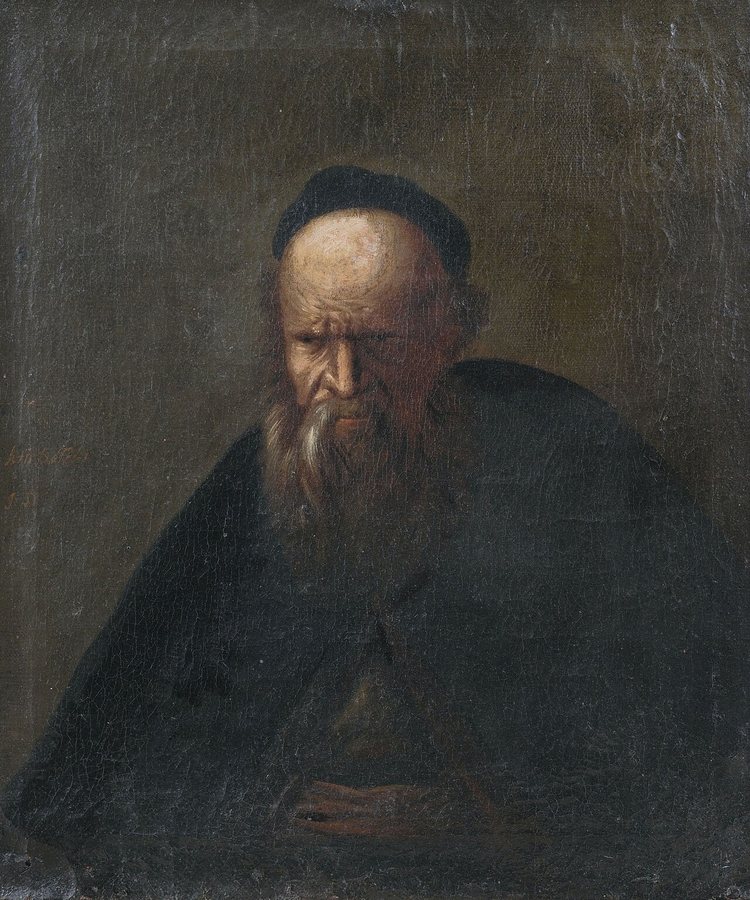
Johann Jakob Dorner the Elder, attributed to Aristotle
Aristotle by Francesco Hayez in the Gallerie dell'Accademia, Venice
Alexander and Aristotle
Aristotle, Louvre, Ma 80 bis
Roman copy of Aristotle, 117–138 AD, photo by G. Dall'Orto
Relief panel 21: Plato and Aristotle, or philosophy, by Luca della Robbia, 1437–1439
Llyfrgell Sant Deiniol and Gladstone's Library, Hawarden, Penarlâg
University of Freiburg, philosophers 4
10 images

Only about a third of Aristotle's many works survives, and most of it was not written for publication. His views shaped medieval scholarship in both Islamic and Christian thought, and his physical science remained influential into the Renaissance until it was replaced systematically during the Enlightenment. His work contains the earliest known systematic study of logic, which influenced thinkers well into the 19th century. His ethics has also regained attention through modern virtue ethics.

In 230 languages

EnglishČeštinaDeutschEspañolFrançaisItaliano日本語PolskiPortuguêsРусскийУкраїнська中文AfrikaansShqipአማርኛOld EnglishOboloAngikaAragoneseالعربيةMoroccan ArabicEgyptian ArabicAsturianuঅসমীয়াAwadhiAzbAzərbaycanBalinesebat-smgБашҡортBikolБеларускаяBetawiБългарскиBhojpuriবাংলাBolབོད་སྐད་BrezhonegBosanskiBtmБуряадCatalàCdoCebuanoНохчийнᏣᎳᎩکوردیی ناوەندیCorsicanCrimean TatarChurch SlavicЧӑваш чӗлхиCymraegDanskZazaDolnoserbšćinaDtyΕλληνικάEmlEsperantoEestiEuskaraExtremaduranفارسیfiu-vroSuomiFøroysktNorthern FrisianFurlanFryskGan ChineseGaeilgeGcrGàidhligGalegoGuaraniकोंकणीGorontaloGothicગુજરાતીHakka ChineseHausaעבריתFiji Hindiहिन्दीHrvatskiHornjoserbšćinaHaitian CreoleMagyarՀայերենHywInterlinguaBahasa IndonesiaInterlingueIlokoIdoIsvÍslenskaJamaican Creole EnglishLojbanJawaKara-KalpakTaqbaylitJjuქართულიKbpTyapҚазақшаខ្មែរKanuriಕನ್ನಡ한국어KölschKurdî (kurmancî)KernewekLadinoLatinLëtzebuergeschLezghianLingua Franca NovaLigureLimburgishLldLombardລາວLietuviųLatviešuMadureseमैथिलीmap-bmsMokshaMalagasyMinangkabauMāoriМакедонскиമലയാളംমৈতৈলোন্МонголWestern MariमराठीMelayuMaltiMirandeseErzyaမြန်မာمازرونیNahNeddersass’sch (Nedderlannen)Neddersass’schनेपालीNewariNederlandsNorsk nynorskNovialNorskߒߞߏNrmOccitanOloOromooଓଡ଼ିଆИронPangasinanPampangaPapiamentoਪੰਜਾਬੀPicardPiemontèisWestern PanjabiپښتوRunasimiRkiroa-rupRomânăRusynСаха тылаᱥᱟᱱᱛᱟᱲᱤसंस्कृत भाषाSicilianuScotsSarduسنڌيDavvisámegiellaⵜⴰⵛⵍⵃⵉⵜတႆးSrpski (latinica)සිංහලSkrSlovenčinaSlovenščinaChiShonaShqipСрпскиBasa SundaSvenskaKiswahiliŚlōnskiSzyதமிழ்TuluతెలుగుТоҷикӣไทยTürkmen diliFilipinoTalyshToki ponaTok PisinTürkçeТатарTumbukaUdmurtاردوO‘zbekVenetoVepsTiếng ViệtWest FlemishVolapükWarayWalloonWu ChineseIsiXhosaMingrelianייִדישÈdè YorùbáZeelandicⵜⴰⵎⴰⵣⵉⵖⵜzh-yueIsiZulu

Редакція Factograf · Published October 14, 2026 · Partly based on Wikipedia, CC BY-SA 4.0 · Source article