factograf
EN
Sign in

country on the west coast of Southern Africa

Angola

Angola

Angola, officially the Republic of Angola, is a country on the western coast of Southern Africa. It is the second-largest Portuguese-speaking country after Brazil in both area and population, and the seventh-largest country in Africa. It borders Namibia to the south, the Democratic Republic of the Congo to the north, Zambia to the east, and the Atlantic Ocean to the west. Its capital and most populous city is Luanda.

Early history and kingdoms

Queen Ana de Sousa of Ndongo meeting with the Portuguese in 1657
Depiction of Luanda from 1755
Portuguese Armed Forces marching in Luanda during the Portuguese Colonial Wars
Jonas Savimbi, who led UNITA from its 1966 founding until his death in 2002
National Liberation Front of Angola forces training in 1973
Agostinho Neto, the first President of Angola following its independence from Portugal
A Soviet-made PT-76 tank being operated by Cuban forces in Luanda during the Cuban intervention in Angola in 1976
In the 21st century, Luanda, Angola's capital, is undergoing urban renewal and redevelopment backed largely by profits from the oil and diamond industries.
Topography of Angola
Satellite imagery of Angola in 2022
The National Assembly in Luanda, Angola's capital
President of Angola João Lourenço during a bilateral exchange at the Angola presidential palace in Luanda, Angola, September 27, 2023
12 images

Angola has been inhabited since the Palaeolithic Age. After Bantu-speaking peoples arrived, several states formed by the 13th century, the most prominent being the Kingdom of Kongo, which extended into what are now neighbouring countries and traded along the coast. Other kingdoms, including Ndongo and Matamba, lay to the south. The name Angola derives from the title ngola, held by the kings of Ndongo and Matamba, and was later adopted in the Portuguese colonial name.

Colonial rule and independence

Map of the provinces of Angola
The provincial government building in Huambo Province
The provincial government building in Namibe Province
Tete António, Angola's Foreign Minister
Soldiers of the Angolan Armed Forces in full dress uniform
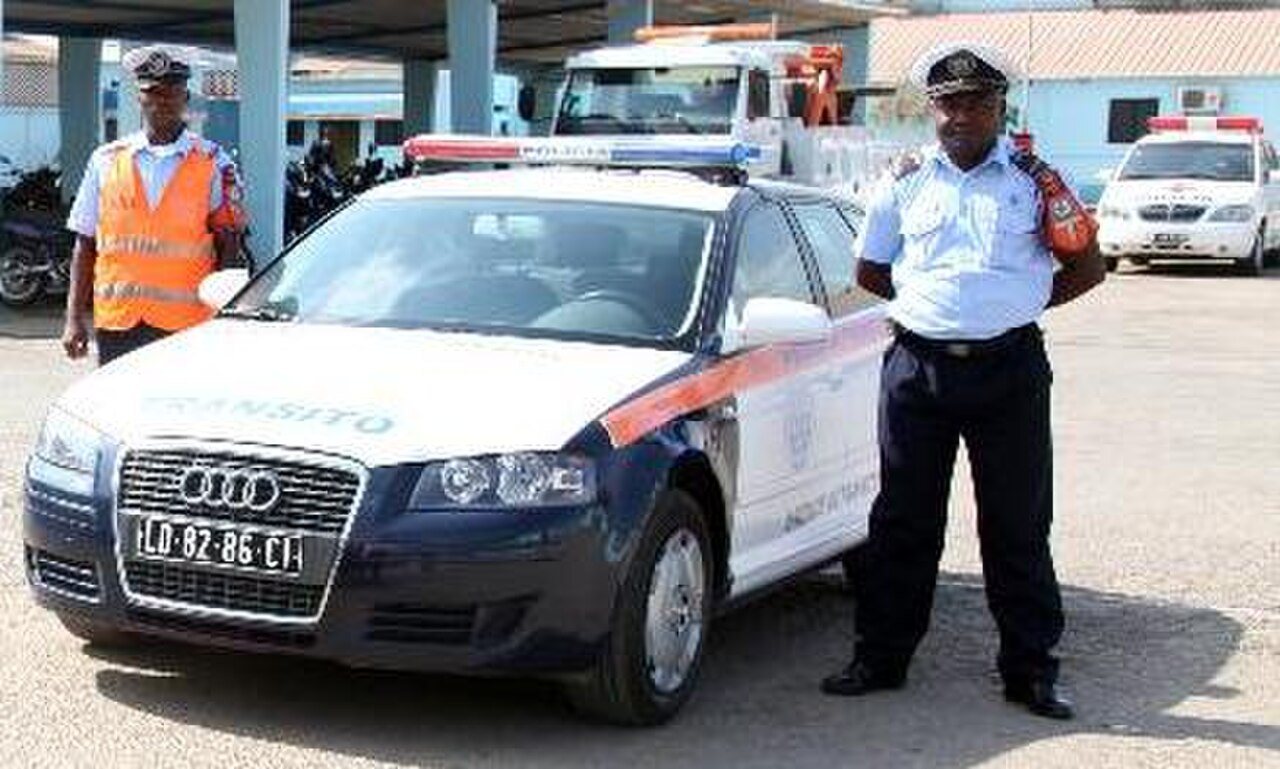
Angolan National Police officers
The National Bank of Angola
Luanda Financial City
Tourism in Angola has grown with the country's economy and stability.
Corporate headquarters in Luanda
An offshore oil drilling platform off the coast of central Angola
Capanda Dam on the Cuanza
12 images

Portuguese explorers established relations with Kongo in 1483, and the Portuguese began colonising the coast in the 16th century. The colony did not reach its present borders until the early 20th century, facing strong resistance from local groups. After an anti-colonial struggle from 1961 to 1974, Angola became independent in 1975, but a long civil war followed the same year, ending in 2002.

Modern economy and society

Catumbela Bridge in Benguela
Lobito, an Angolan seaport
Luanda's construction boom is financed largely by oil and diamonds.
Current ethnic divisions of Angola
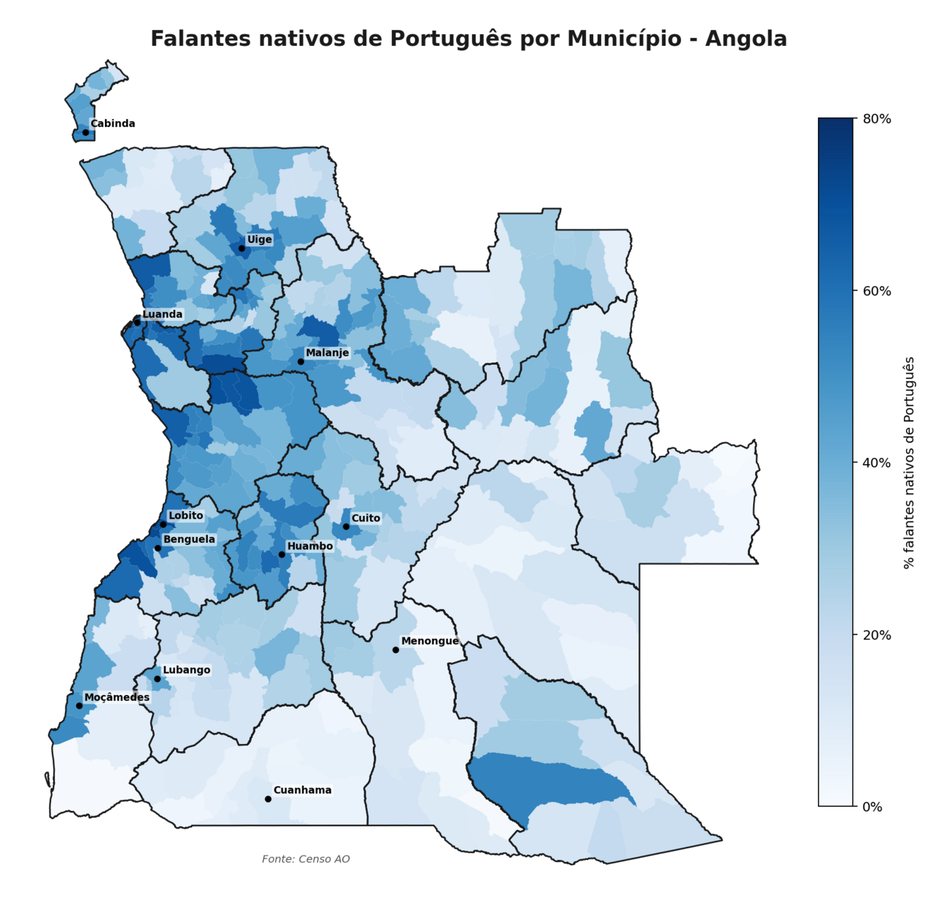
Situation of Portuguese as Native Language in each municipality of Angola
A Catholic church in Uaco Cungo
Lucrécia Paím Maternity Hospital
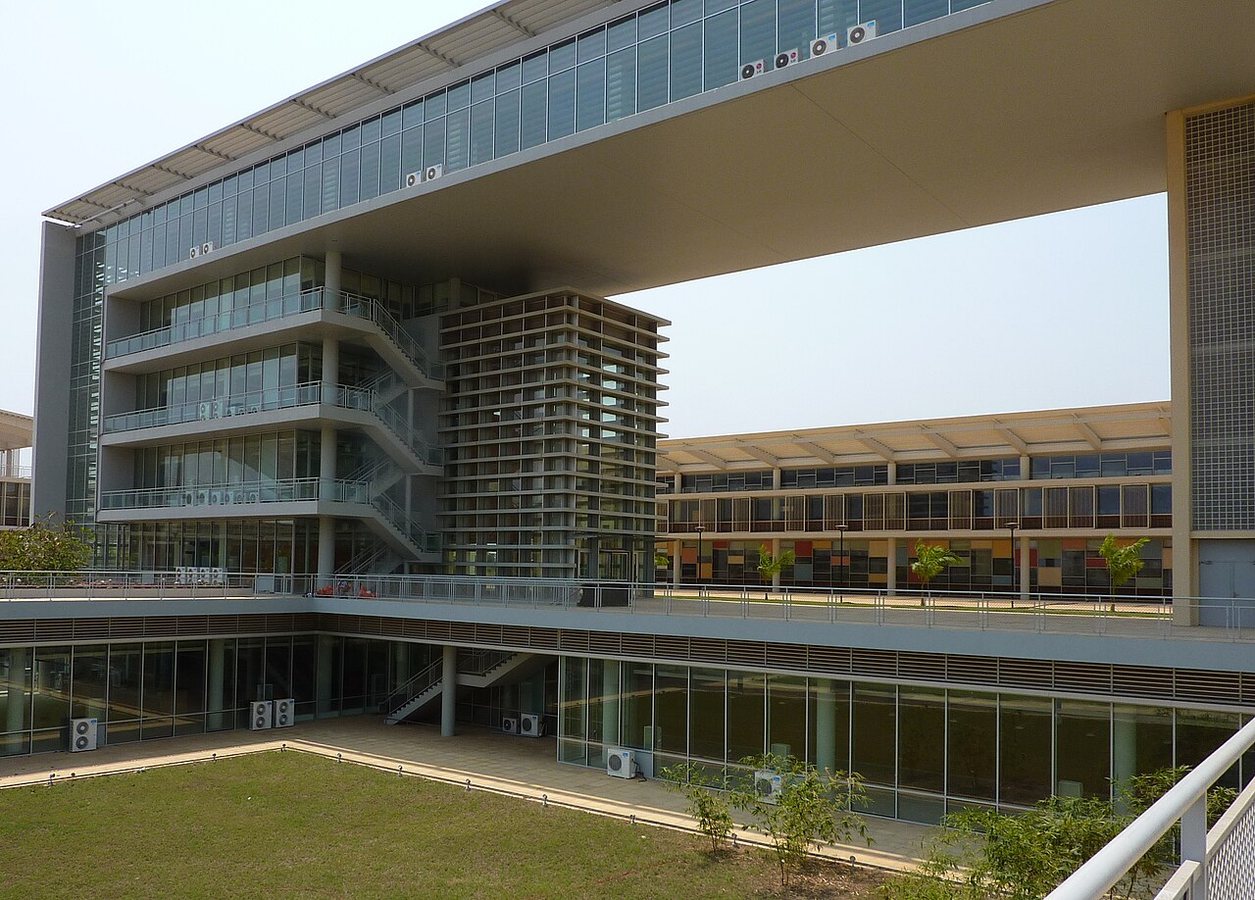
Agostinho Neto University
A primary school in Cuanza Sul Province
Mutu-ya Kevela Prep. School
Agostinho Neto National Memorial in Luanda
The National Stadium in Benguela
12 images

Since the civil war, Angola has become a relatively stable constitutional republic with one of the fastest-growing economies in the world, with China, the European Union, and the United States among its largest trade partners. Growth is highly uneven, however, as most of the national wealth is concentrated among a small part of the population, and many Angolans live with a low standard of living. Angolan culture reflects Portuguese influence, notably the Portuguese language and the Catholic Church, alongside indigenous traditions.

In 267 languages

EnglishČeštinaDeutschEspañolFrançaisItaliano日本語PolskiPortuguêsРусскийУкраїнська中文AbkhazianAfrikaansShqipAmiአማርኛOld EnglishOboloAngikaAragoneseالعربيةMoroccan ArabicEgyptian ArabicAsturianuKotavaAymaraAzbAzərbaycanBalineseBavarianbat-smgБашҡортBikolБеларускаяBetawiБългарскиBhojpuriBislamaBanjarBamanakanবাংলাBolབོད་སྐད་BishnupriyaBrezhonegBosanskiБуряадCatalàCdoCebuanoНохчийнᏣᎳᎩکوردیی ناوەندیCorsicanCrimean TatarKashubianЧӑваш чӗлхиCymraegDagDanskDinkaZazaDolnoserbšćinaDtyDivehiརྫོང་ཁEʋegbeΕλληνικάEsperantoEestiEuskaraExtremaduranفارسیPulaarfiu-vroSuomiFøroysktArpitanNorthern FrisianFryskGagauzGaeilgeGcrGàidhligGilakiGalegoGuaraniकोंकणीGpeFrafraગુજરાતીGuwGaelgHakka ChineseHausaʻŌlelo HawaiʻiעבריתFiji Hindiहिन्दीHrvatskiHornjoserbšćinaHaitian CreoleMagyarՀայերենHywInterlinguaBahasa IndonesiaInterlingueIgboInupiaqIlokoIdoÍslenskaJamaican Creole EnglishLojbanJawaKara-KalpakTaqbaylitKaiJjuქართულიKbpTyapKongoGikuyuҚазақшаខ្មែរKanuriಕನ್ನಡ한국어Karachay-BalkarKölschکٲشُرKurdî (kurmancî)KernewekКыргызчаLadinoLatinLëtzebuergeschLingua Franca NovaLugandaLigureLimburgishLldLombardLingálaລາວLatgalianLietuviųLatviešumap-bmsMokshaMalagasyMinangkabauMāoriМакедонскиമലയാളംমৈতৈলোন্МонголWestern MariमराठीMelayuMaltiMirandeseမြန်မာمازرونیNeddersass’sch (Nedderlannen)Neddersass’schनेपालीNewariNederlandsNorsk nynorskNovialNorskSouth NdebeleSesotho sa LeboaNupNyanjaOccitanOloOromooଓଡ଼ିଆИронPampangaPapiamentoਪੰਜਾਬੀNaijíriá PíjinPennsylvania GermanPiemontèisWestern PanjabiپښتوRunasimiRumantschroa-rupRomânăRusynIkinyarwandaСаха тылаᱥᱟᱱᱛᱟᱲᱤसंस्कृत भाषाSicilianuScotsSarduسنڌيDavvisámegiellaSängöⵜⴰⵛⵍⵃⵉⵜတႆးSrpski (latinica)සිංහලSlovenčinaSlovenščinaAnarâškielâSamoanChiShonaSoomaaliShqipСрпскиSwatiSaterland FrisianSesothoBasa SundaSvenskaKiswahiliŚlōnskiSzyதமிழ்TayTuluTetumతెలుగుТоҷикӣไทยትግርኛTürkmen diliFilipinoTalyshSetswanaToki ponaTarokoTürkçeTsongaТатарTumbukaAkanUdmurtئۇيغۇرچەاردوO‘zbekVenetoVepsTiếng ViệtWest FlemishVolapükWarayWolofWu ChineseIsiXhosaMingrelianייִדישÈdè YorùbáVahcuenghZeelandicⵜⴰⵎⴰⵣⵉⵖⵜzh-yueIsiZulu

Редакція Factograf · Published October 14, 2026 · Partly based on Wikipedia, CC BY-SA 4.0 · Source article