
Albertus Magnus was a 13th-century German Dominican friar, philosopher, and scientist. Born in Lauingen around 1193, he became a prominent scholar and served as the Bishop of Regensburg. He is celebrated for his vast intellectual contributions, having extensively commented on the works of Aristotle and integrated Aristotelian thought into medieval academic study. As a teacher, he famously instructed Thomas Aquinas, helping to shape the scholastic tradition. Recognized for his encyclopedic knowledge across many disciplines, he is honored as a saint and a Doctor of the Church.
Life and work


After joining the Dominican Order, Albertus taught at various locations, including Cologne and Paris. He was a prolific writer, producing works on subjects ranging from theology and logic to botany, astronomy, and mineralogy. He played a crucial role in making Aristotelian philosophy accessible to the Western academic world. During his time as a bishop, he was noted for his humility, often traveling on foot through his diocese to follow his order's rules.
Veneration and legacy
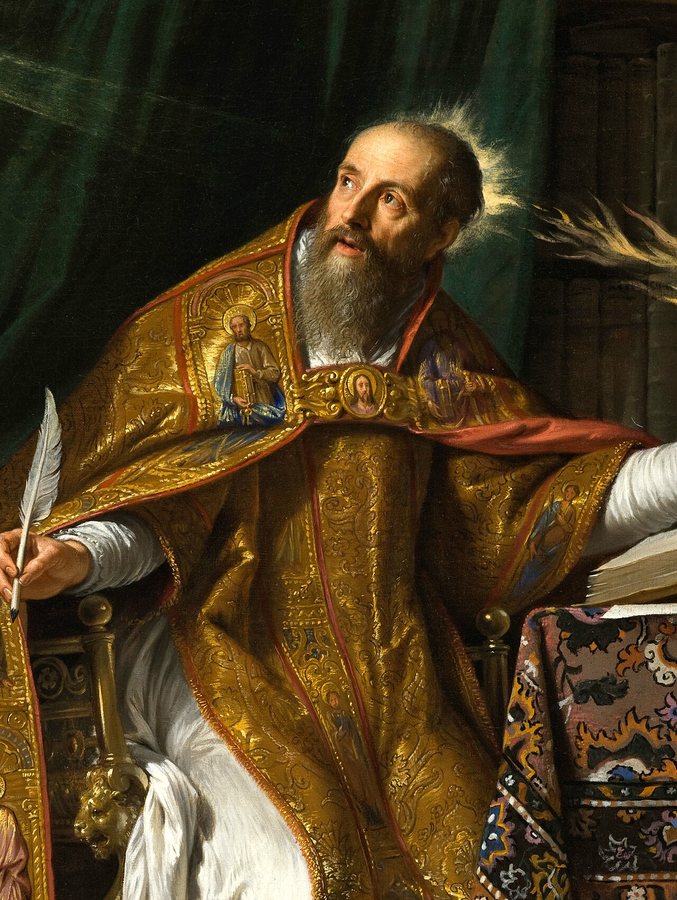
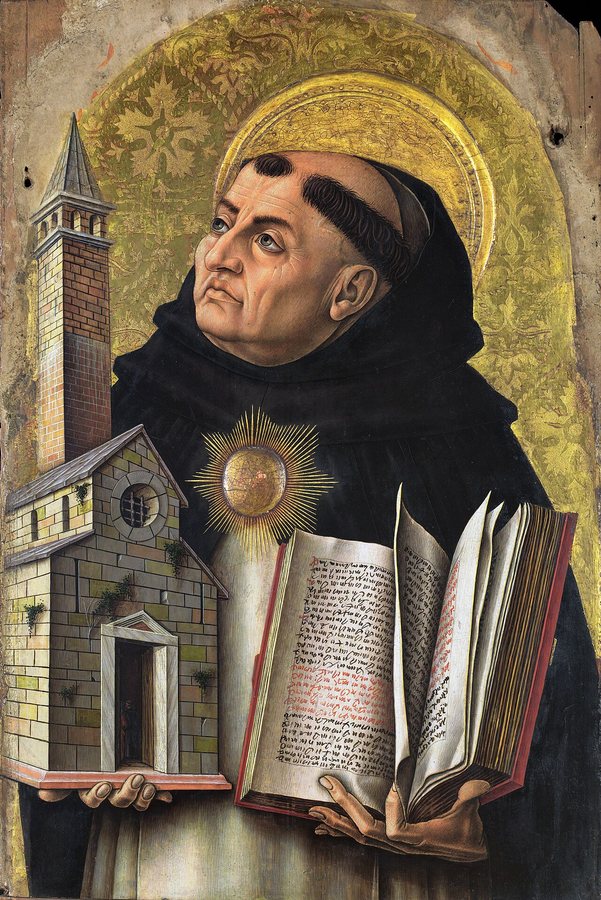
The Catholic Church recognizes him as a saint, with his feast day observed on 15 November. He was also named a Doctor of the Church and is considered the patron saint of natural scientists. His remains are kept in a sarcophagus in the crypt of St. Andrew's Church in Cologne, while another relic is located in Nijmegen. His intellectual legacy persists through his massive collection of writings and his influence on scholasticism.