factograf
EN
Sign in

country in Central and South Asia

Afghanistan

Afghanistan

Afghanistan, officially the Islamic Emirate of Afghanistan, is a landlocked country at the crossroads of Central and South Asia. It borders Pakistan, Iran, Turkmenistan, Uzbekistan, Tajikistan and China, and covers 652,864 square kilometers of mostly mountainous terrain, with plains in the north and southwest separated by the Hindu Kush range. Kabul is the capital and largest city. Its population is estimated at between 35 and 50 million people.

Early history and empires

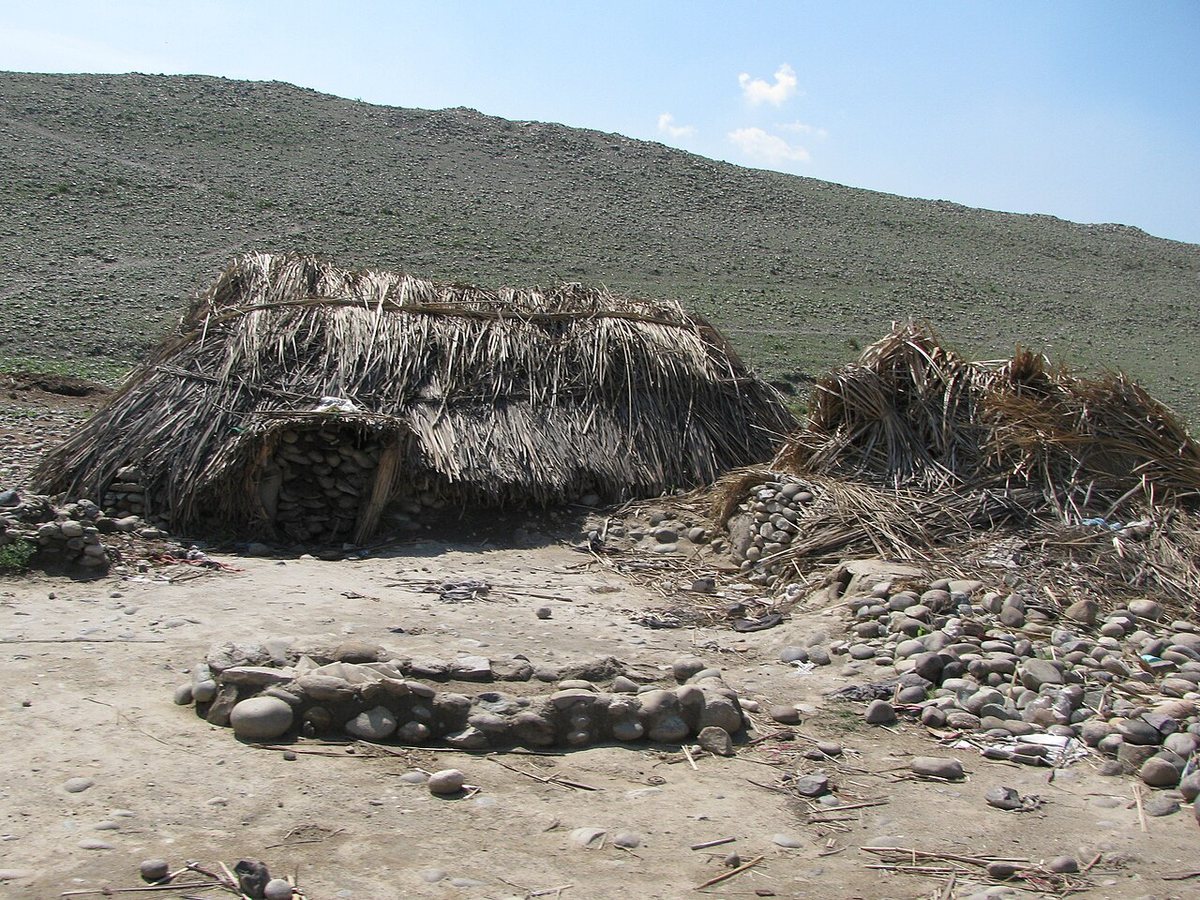
Tents of Afghan nomads in Badghis Province in the north. Early peasant farming villages appeared about 7,000 years ago.
A Bactrian gold Scythian belt showing Dionysus, from Tillya Tepe in the ancient region of Bactria
Map of the Hotak Empire at its height in 1728, disputed between Hussain Hotak (based in Kandahar) and Ashraf Hotak (based in Isfahan)
Portrait of Ahmad Shah Durrani, c. 1757
Map of Afghanistan and surrounding nations in 1839 during the First Anglo-Afghan War, showing Dost Mohammad Khan's realm as the Emirate of Kabul
Afghan tribesmen in 1841, painted by British officer James Rattray
Amanullah Khan proclaimed himself King of Afghanistan in June 1926.
King Zahir, the last reigning monarch of Afghanistan, who ruled from 1933 until 1973
Soviet troops in Gardez, Afghanistan, in 1987
US troops and Chinooks in Afghanistan, 2008
Map of Afghanistan showing the 2021 Taliban offensive
Taliban fighters in Kabul on a captured Humvee after the fall of Kabul in 2021
12 images

People have lived in the area since the Middle Paleolithic era, and farming communities there were among the earliest in the world. The land was crossed by many military campaigns, from the Achaemenids and Alexander the Great to the Mongols and the British. It was also the base from which the Greco-Bactrians and the Mughals rose to form major empires. Because of its position between the Iranian and Indian cultural spheres, the region became a center for Zoroastrianism, Buddhism, Hinduism and later Islam.

Modern state and conflict

The mountainous terrain of Afghanistan
The snow leopard is the official national animal of Afghanistan.
The Arg, the presidential palace in Kabul, photographed in 2020
Hasan Akhund, 2026
Hasan Akhund, 2026
Sirajuddin Haqqani, 2026
Mullah Yaqoob in January 2022
Abdul Ghani Baradar, 2026
Afghanistan is divided into 34 provinces, which are further divided into districts.
Workers processing pomegranates, for which Afghanistan is famous in Asia
Afghan rugs are one of the country's main exports.
Afghan saffron
Afghan saffron
Lapis lazuli stones
Lapis lazuli stones
12 images

The modern state traces its origins to the Durrani Empire of the eighteenth century. Afghanistan became a buffer state in the Great Game between the British and Russian empires and gained full independence after the Third Anglo-Afghan War in 1919, becoming a kingdom in 1926. Since the late 1970s, the country has experienced prolonged warfare, including coups, foreign invasions, insurgencies and civil wars. The Taliban regained control of Kabul in 2021, and their government remains largely unrecognized internationally because of human rights concerns, particularly regarding the treatment of women.

Economy and resources

The Salang Tunnel
The Salang Tunnel
An Ariana Afghan Airlines Airbus A310 in 2006
Ethnolinguistic map of Afghanistan (2001)
Blue Mosque in Mazar-i-Sharif, the largest mosque in Afghanistan
UNESCO Institute of Statistics chart of the Afghan literacy rate among people aged 15 and over (1980–2018)
The Daoud Khan Military Hospital in Kabul, one of the largest hospitals in Afghanistan
An Afghan family near Kholm, 1939; most Afghans at that time were tribal.
A house occupied by nomadic Kochi people in Nangarhar Province
Kabul skyline with historical and contemporary buildings
A traditional Afghan embroidery pattern
The Afghan rubab, a traditional lute
Non, the most widely consumed bread in Afghanistan
12 images

Afghanistan has significant natural resources, including lithium, iron, zinc and copper, and it is among the largest producers of saffron and cashmere. It is a member of the South Asian Association for Regional Cooperation and a founding member of the Organization of Islamic Cooperation. Years of war have left the country with high levels of poverty and child malnutrition, and it remains among the world's least developed countries.

In 283 languages

EnglishČeštinaDeutschEspañolFrançaisItaliano日本語PolskiPortuguêsРусскийУкраїнська中文AbkhazianAcehneseAdygheAfrikaansShqipAmiአማርኛOld EnglishAngikaAragoneseAramaicالعربيةMoroccan ArabicEgyptian ArabicAsturianuঅসমীয়াKotavaAvaricAwadhiAymaraAzbAzərbaycanBalineseBavarianbat-smgБашҡортBatak TobaBikolБеларускаяBetawiБългарскиBhojpuriBislamaবাংলাBolབོད་སྐད་BishnupriyaBrezhonegBosanskiBtmBugineseБуряадCatalàCdoCebuanoНохчийнᏣᎳᎩChamorroCheyenneکوردیی ناوەندیCorsicanCrimean TatarKashubianChurch SlavicЧӑваш чӗлхиCymraegDagDanskZazaDolnoserbšćinaCentral DusunDtyDivehiརྫོང་ཁΕλληνικάEsperantoEestiEuskaraExtremaduranفارسیPulaarfiu-vroSuomiFøroysktArpitanNorthern FrisianFurlanFryskGagauzGaeilgeGcrGàidhligGilakiGalegoGuaraniकोंकणीGorontaloGothicGpeગુજરાતીGaelgHakka ChineseHausaʻŌlelo HawaiʻiעבריתFiji Hindiहिन्दीHrvatskiHornjoserbšćinaHaitian CreoleMagyarՀայերենHywInterlinguaIbanBahasa IndonesiaInterlingueIgboIlokoIngushIdoIsvÍslenskaJamaican Creole EnglishLojbanJawaKara-KalpakTaqbaylitKaiქართულიKabardianKbpTyapKgeKongoGikuyuҚазақшаខ្មែរKanuriಕನ್ನಡ한국어Karachay-BalkarKölschکٲشُرKurdî (kurmancî)KomiKernewekКыргызчаLadinoLatinLëtzebuergeschLezghianLingua Franca NovaLigureLimburgishLldLombardLingálaລາວLietuviųLatviešuMadureseMagahiमैथिलीmap-bmsMokshaMalagasyMariMinangkabauMāoriМакедонскиമലയാളംমৈতৈলোন্МонголMnwमराठीMelayuMaltiMirandeseErzyaမြန်မာمازرونیNeapolitanNeddersass’sch (Nedderlannen)Neddersass’schनेपालीNewariNederlandsNorsk nynorskNovialNorskNupOccitanOloOromooଓଡ଼ିଆИронPangasinanPampangaPapiamentoਪੰਜਾਬੀPicardPennsylvania GermanPiemontèisWestern PanjabiپښتوRunasimiRumantschRoa (Tara)RomânăRusynIkinyarwandaСаха тылаᱥᱟᱱᱛᱟᱲᱤसंस्कृत भाषाSicilianuScotsSarduسنڌيDavvisámegiellaⵜⴰⵛⵍⵃⵉⵜတႆးSrpski (latinica)සිංහලSkrSlovenčinaSlovenščinaAnarâškielâSamoanChiShonaSoomaaliShqipSranan TongoСрпскиSwatiSaterland FrisianBasa SundaSvenskaKiswahiliSylŚlōnskiSzyதமிழ்TayTuluTetumతెలుగుТоҷикӣไทยትግርኛTürkmen diliFilipinoTalyshToki ponaLea fakatongaTok PisinTarokoTürkçeTsongaТатарTumbukaUdmurtئۇيغۇرچەاردوO‘zbekVenetoVepsTiếng ViệtWest FlemishVolapükWarayWolofWu ChineseMingrelianייִדישÈdè YorùbáVahcuenghZeelandicⵜⴰⵎⴰⵣⵉⵖⵜzh-yueIsiZulu

Редакція Factograf · Published October 14, 2026 · Partly based on Wikipedia, CC BY-SA 4.0 · Source article