
Abune Petros was an Ethiopian bishop and priest born in Fiche who became a prominent figure in the Ethiopian Orthodox Tewahedo Church. After receiving extensive ecclesiastical training at the Debre Libanos monastery, he served as a teacher and spiritual leader, eventually being consecrated as a bishop in 1928. He is most remembered for his courageous refusal to cooperate with the Fascist Italian forces during their 1935 invasion of Ethiopia. His steadfast commitment to his nation and his faith led to his execution by a firing squad in Addis Ababa in 1936.
Life and ministry

Raised in a peasant family, he entered the monastery of Debre Libanos, where he became a monk in 1916. He held various teaching positions at several monasteries, including Meskabe Kedusan and Debre-Menkerat. During his career, he served as a spiritual father to Ras Tafari, the future Emperor Haile Selassie. As a bishop, he traveled extensively to preach the gospel throughout central and eastern Ethiopia.
Resistance and death

During the Italian invasion, he assisted the wounded at the northern war front and witnessed the brutality against civilians. He joined the Ethiopian resistance to oppose the occupation, which led to his capture by Italian troops. Despite being offered freedom if he would condemn the patriots, he refused to betray his countrymen. He was executed in a public square in July 1936 after delivering a final speech encouraging his people to defend their freedom.
Veneration and legacy
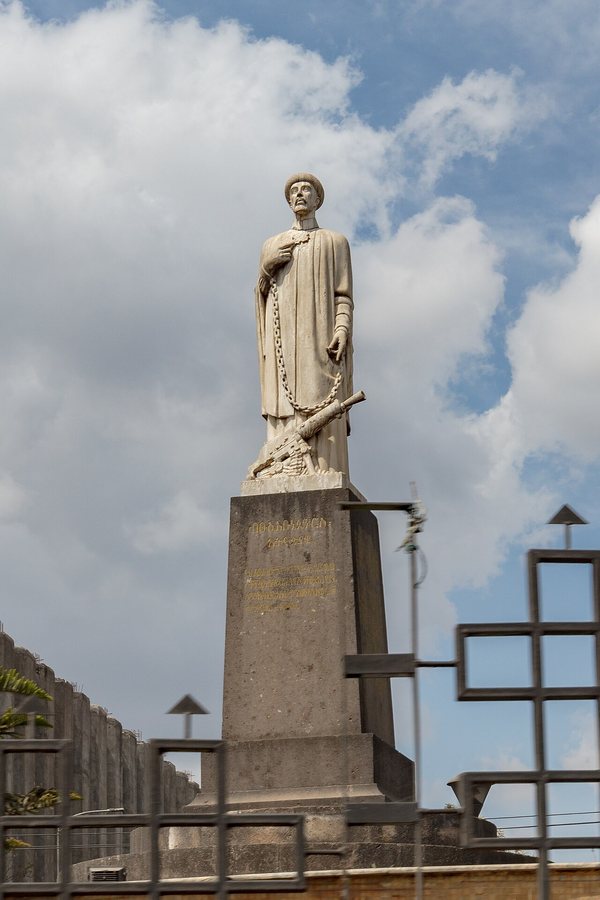
He is recognized as a saint by the Ethiopian Orthodox Tewahedo Church. His legacy is preserved through a memorial statue near St. George's Cathedral in Addis Ababa and a church built in his honor. He remains a symbol of national resistance and religious devotion in Ethiopian history.