
Zacharias of Jerusalem was a 7th-century Christian leader who served as the Patriarch of Jerusalem from 609 to 632. His leadership was defined by the Sasanian conquest of the city in 614, which resulted in his capture by the forces of Emperor Khosrow II. He remained a prisoner for many years until the Byzantine Emperor Heraclius secured his release following a military victory. Zacharias is recognized as a saint in both the Eastern Orthodox and Catholic traditions.
Life and captivity

Following the Sasanian invasion of Byzantine Syria, Zacharias was among many thousands of Christians taken captive. During this period, the Persians also seized the True Cross. He remained in captivity until 627, when the decisive victory of Heraclius at Nineveh forced the Persians to return both the sacred relic and the surviving prisoners, including the patriarch.
Veneration and legacy
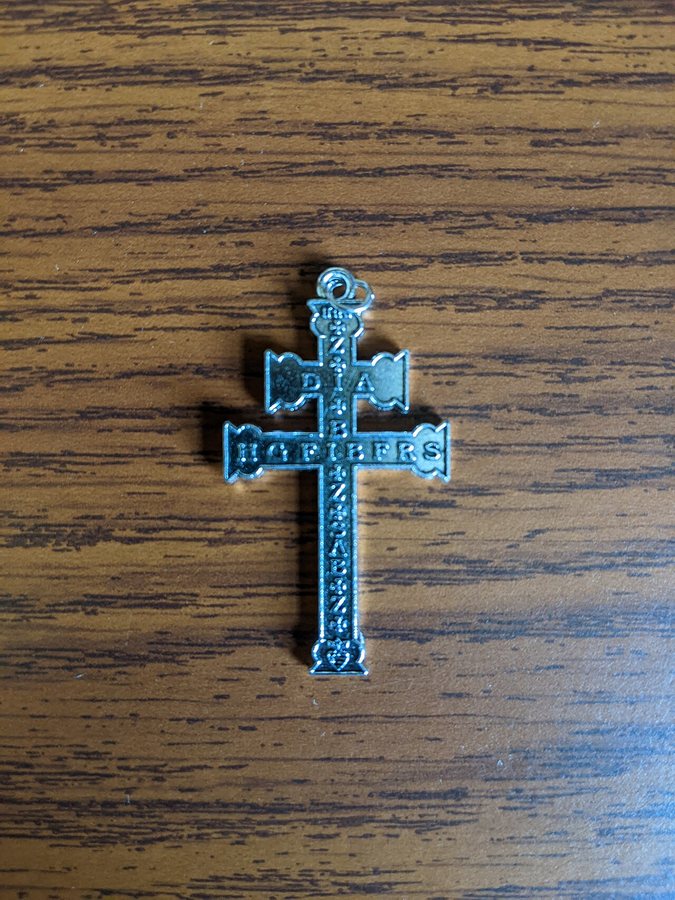
The Orthodox Church commemorates him on February 21. In the Catholic tradition, he is associated with a specific sacramental known as the Plague Cross. This object, which features a prayer against pestilence, was approved by the Council of Trent. Believers use these crosses, often worn as necklaces or hung on walls, to seek protection during times of disease.