
Wrocław is a city in southwestern Poland and the capital of the Lower Silesian Voivodeship. It is the largest city and historical capital of the regions of Silesia and Lower Silesia, lying on the banks of the Oder River. With an official population of 672,545 in 2025, it is the third-largest city in Poland, and its metropolitan area has around 1.25 million people. The city is also a major university centre with a student population of over 130,000.
Origins and early history


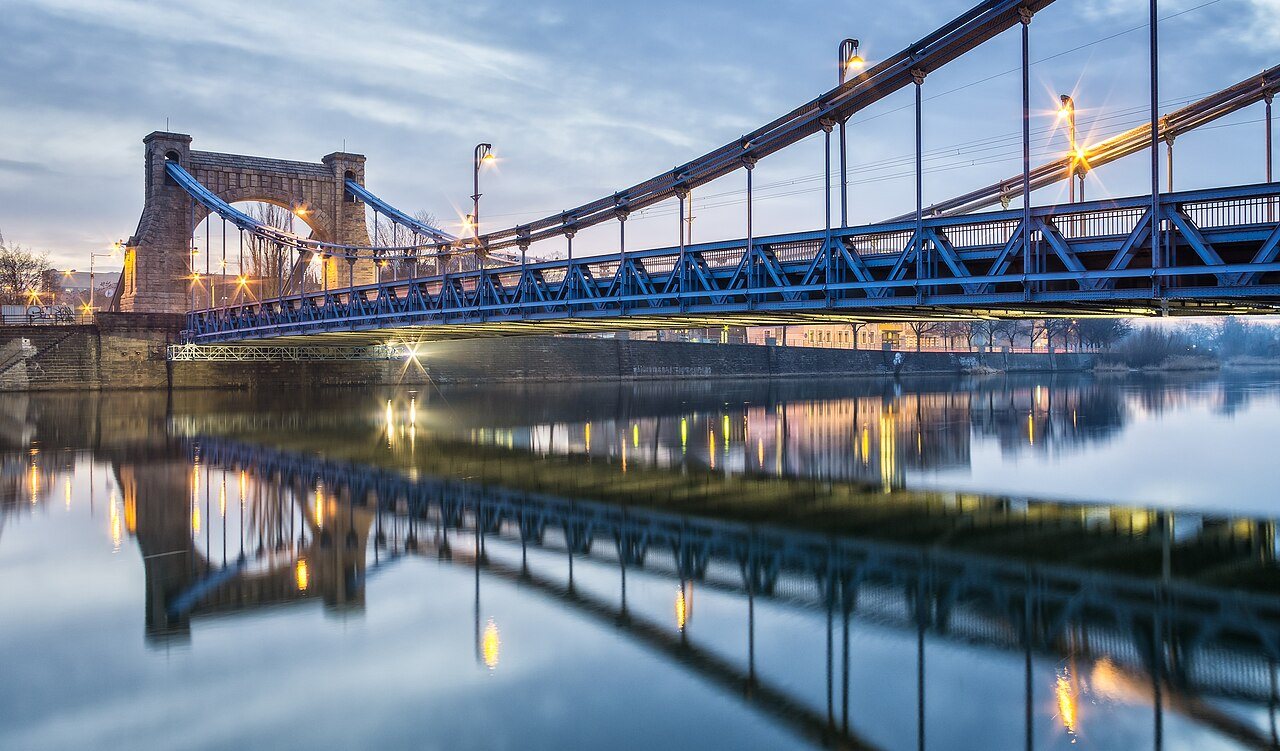


The site was settled from the 6th century onward, and a West Slavic tribe later built a fortified settlement on Ostrów Tumski. The city developed at the crossing of two trade routes and became an important political and commercial centre under the Piast dynasty. Its episcopal see was established in 1000, and it was regarded in the Middle Ages as one of the main Polish cities. Control of the city passed between Bohemian, Polish and other rulers during this early period.
Later rule and change


From the 13th century German settlers increasingly shaped the city, and German became its predominant language. Over the following centuries it came under Bohemian, Austrian and Prussian rule and became part of the German Empire in 1871. After extensive destruction during World War II, it passed to Poland in 1945, and most of its German population left while Polish settlers arrived. Its architecture reflects Gothic, Renaissance, Baroque, Historicist and Modernist styles.
Culture and landmarks


Wrocław hosts many historical landmarks, including one of Europe's largest market squares and Poland's oldest preserved town hall. Its Centennial Hall is a UNESCO World Heritage Site, and the city's dwarf sculptures have become a well-known symbol and tourist attraction. In 2016 it was a European Capital of Culture, and in 2019 it was named a UNESCO City of Literature.