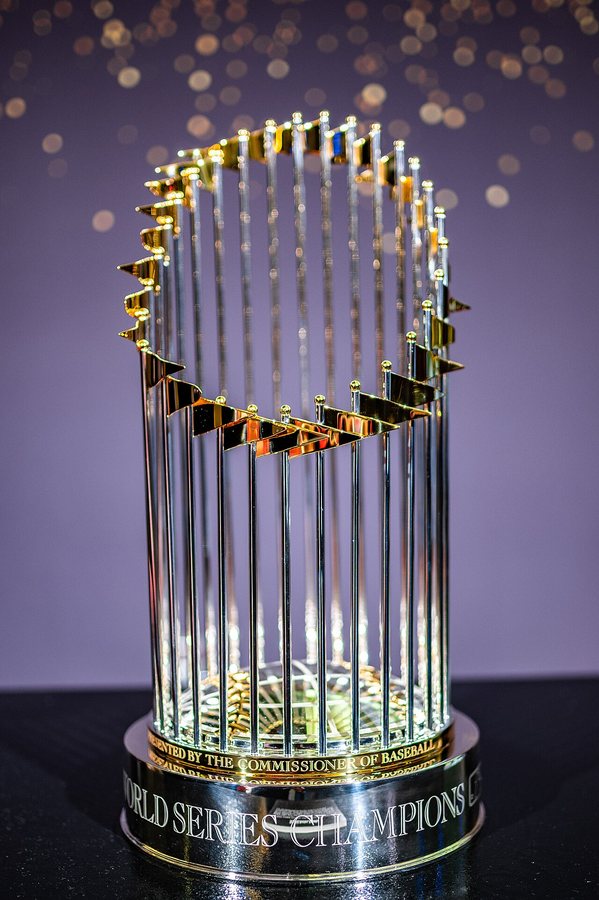
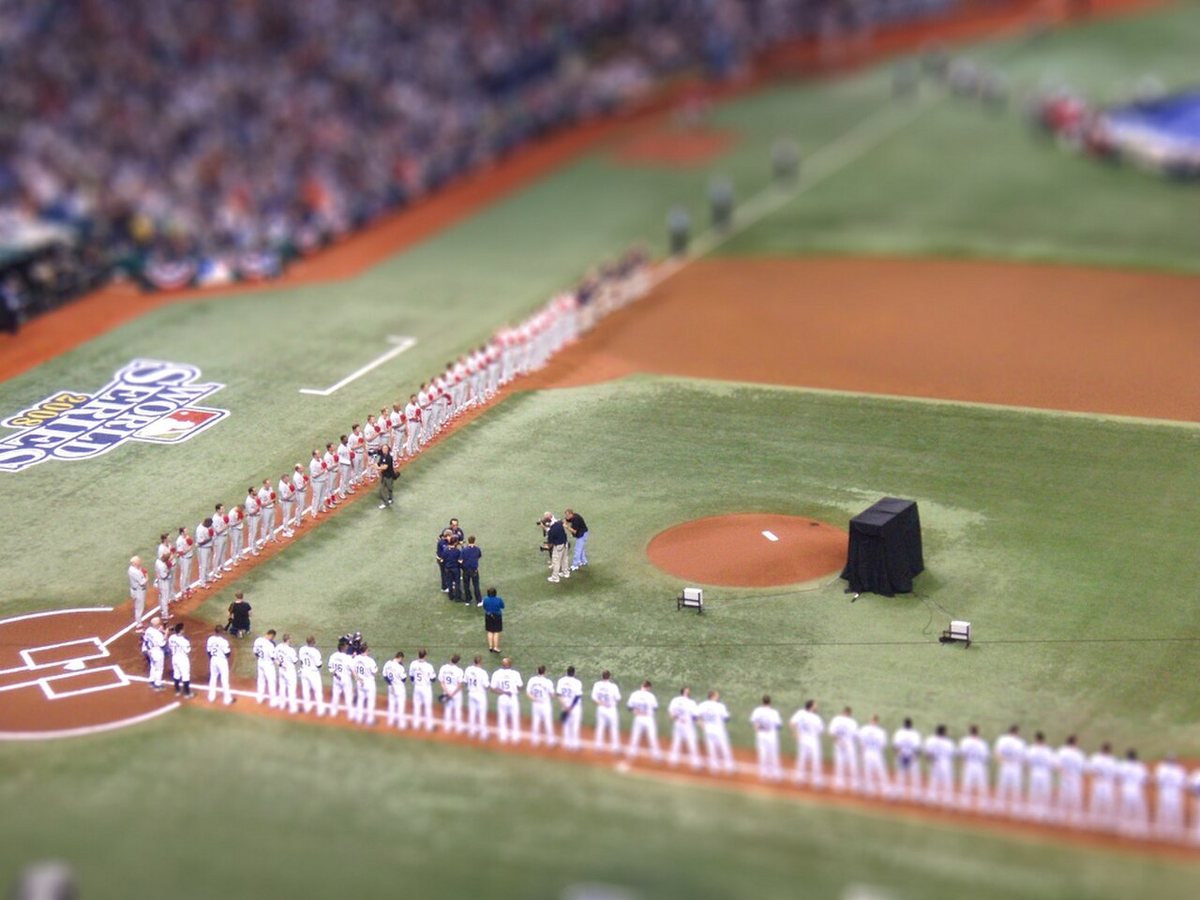
The World Series is the annual championship series of Major League Baseball, a professional league in the United States and Canada. It is contested between the champion teams of the American League and the National League, and the winner is declared world champion and awarded the Commissioner's Trophy. The series has been played since 1903 and is traditionally held in October, which is why it is often called the Fall Classic.
Qualification and format

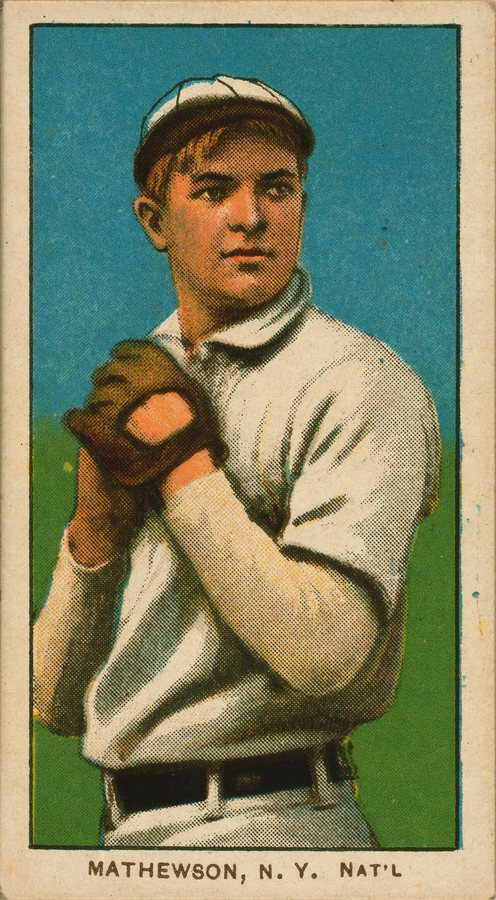
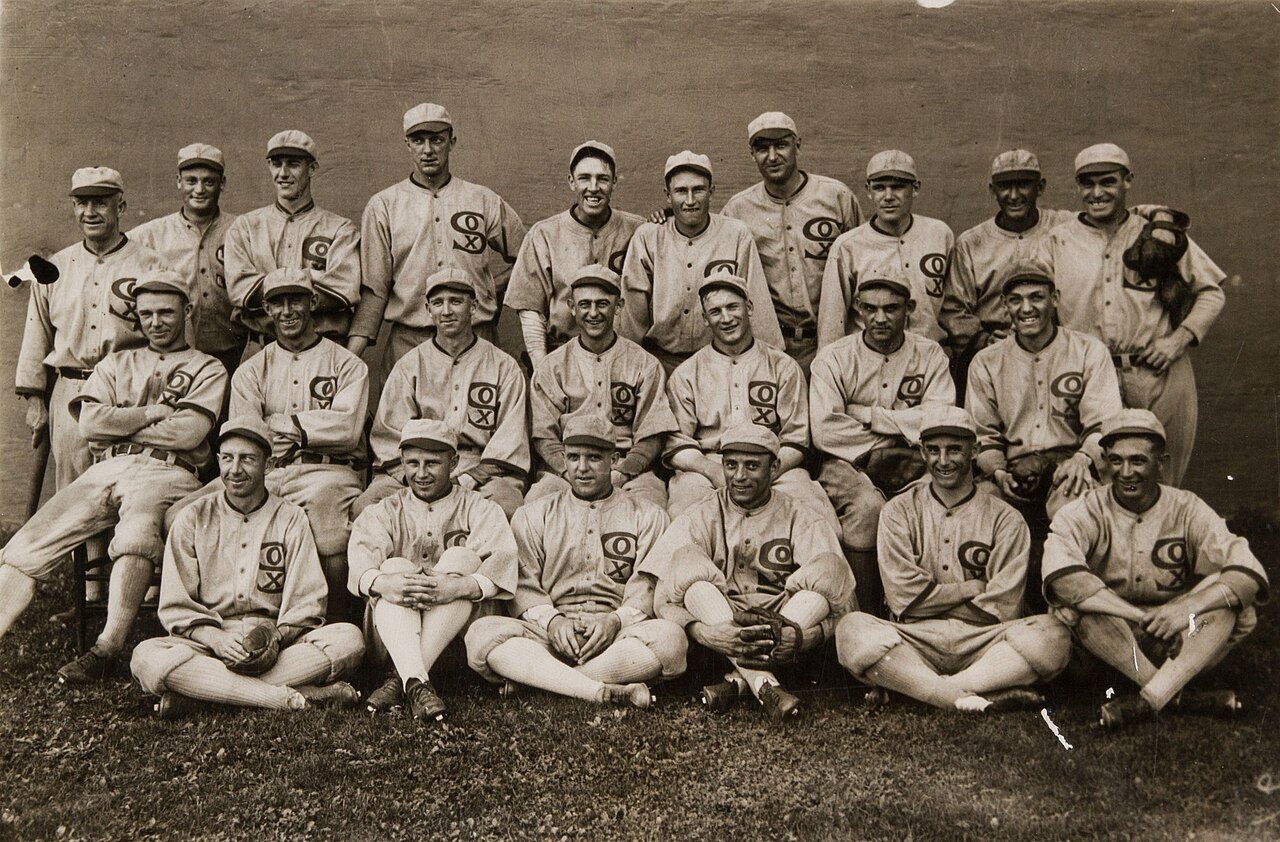

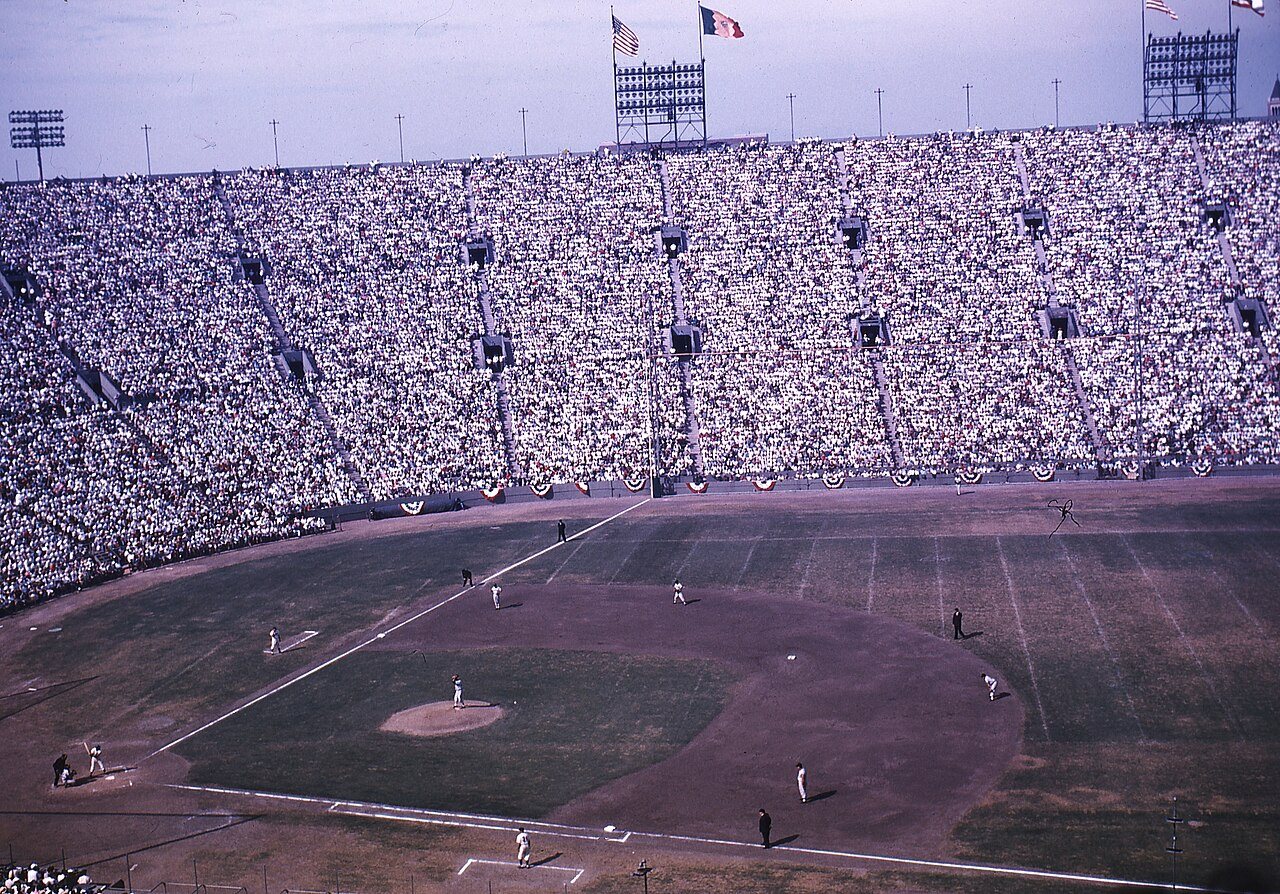


Teams qualify through a postseason tournament with six teams per league, made up of division winners and the strongest remaining teams by record. The pennant winners of each league meet in a best-of-seven series. Home-field advantage has changed over the years, and since 2017 it has gone to the league champion with the better regular-season record. Since 1969, each league has held a championship series before the World Series to decide its representative.
Early history



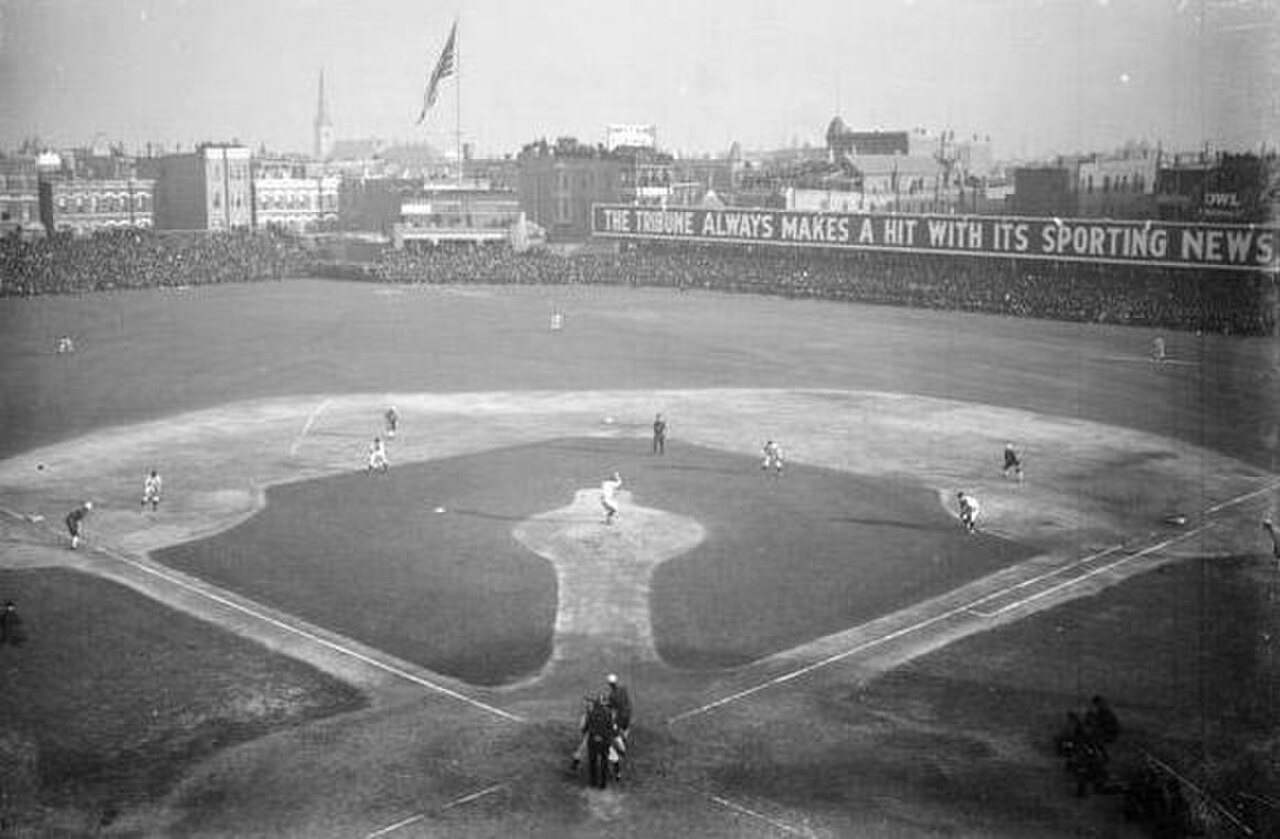
Before 1903, the National League and the American Association, and later the National League alone, held championship contests between leading clubs, though these are not officially counted by Major League Baseball as part of World Series history. The modern series began after the two leagues made peace following years of competition. The 1903 matchup between the Pittsburgh Pirates and the Boston Americans is generally regarded as the first modern World Series, and Boston won it five games to three.
Significance
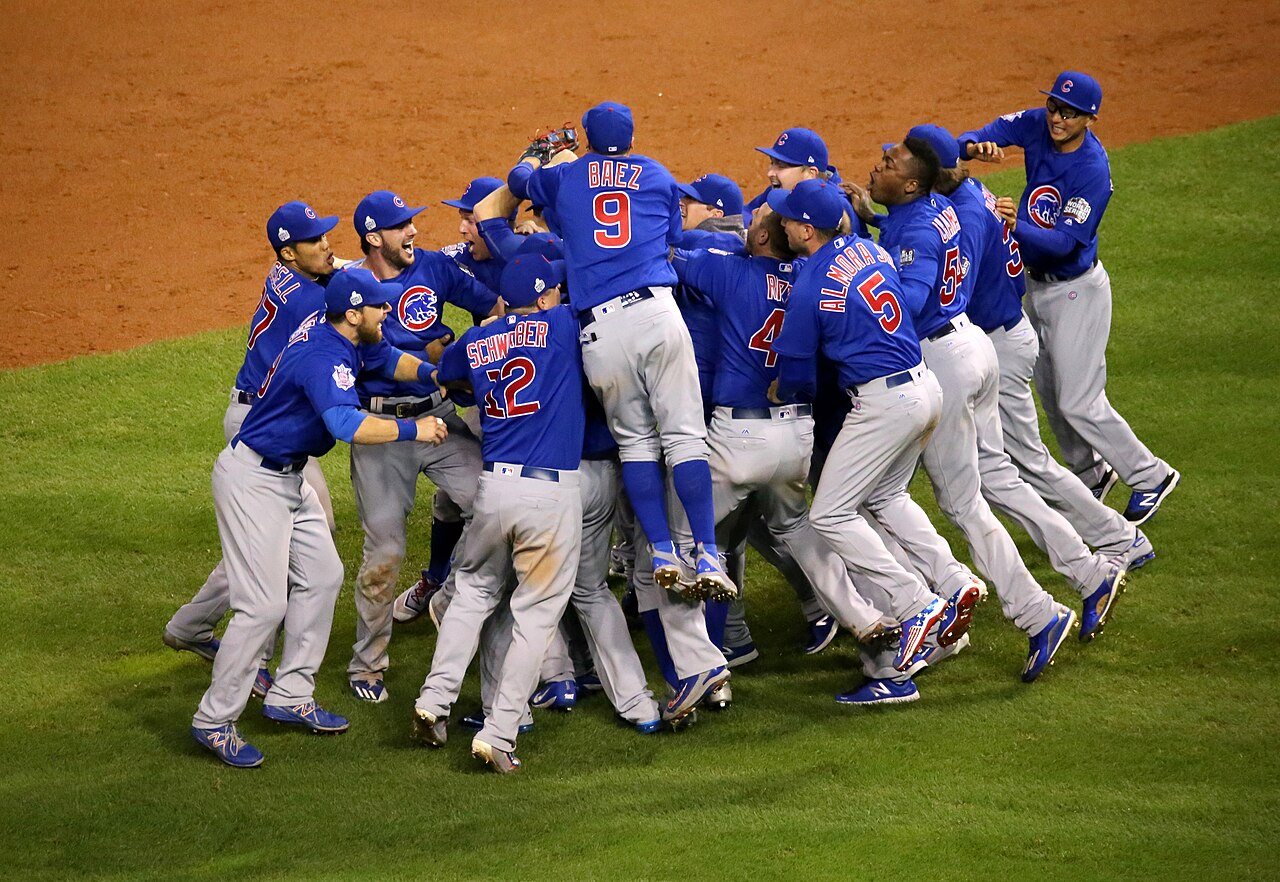
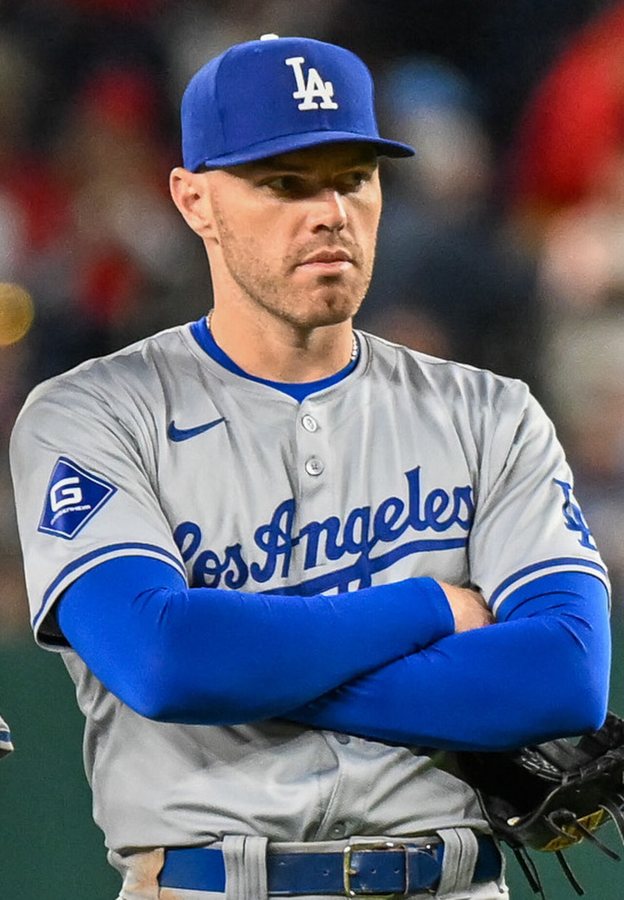

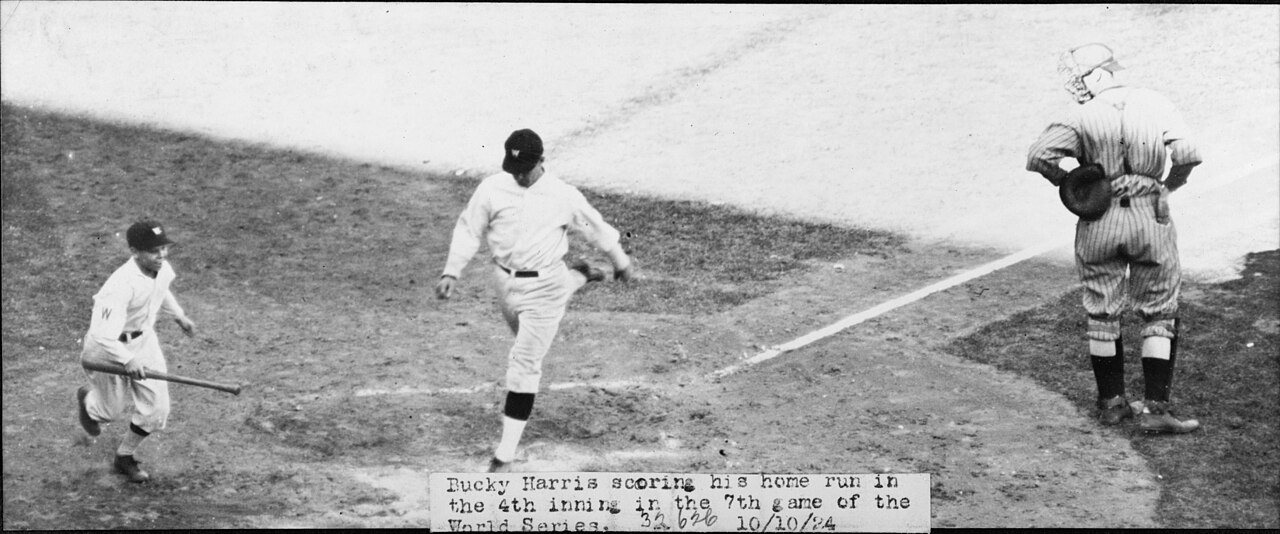

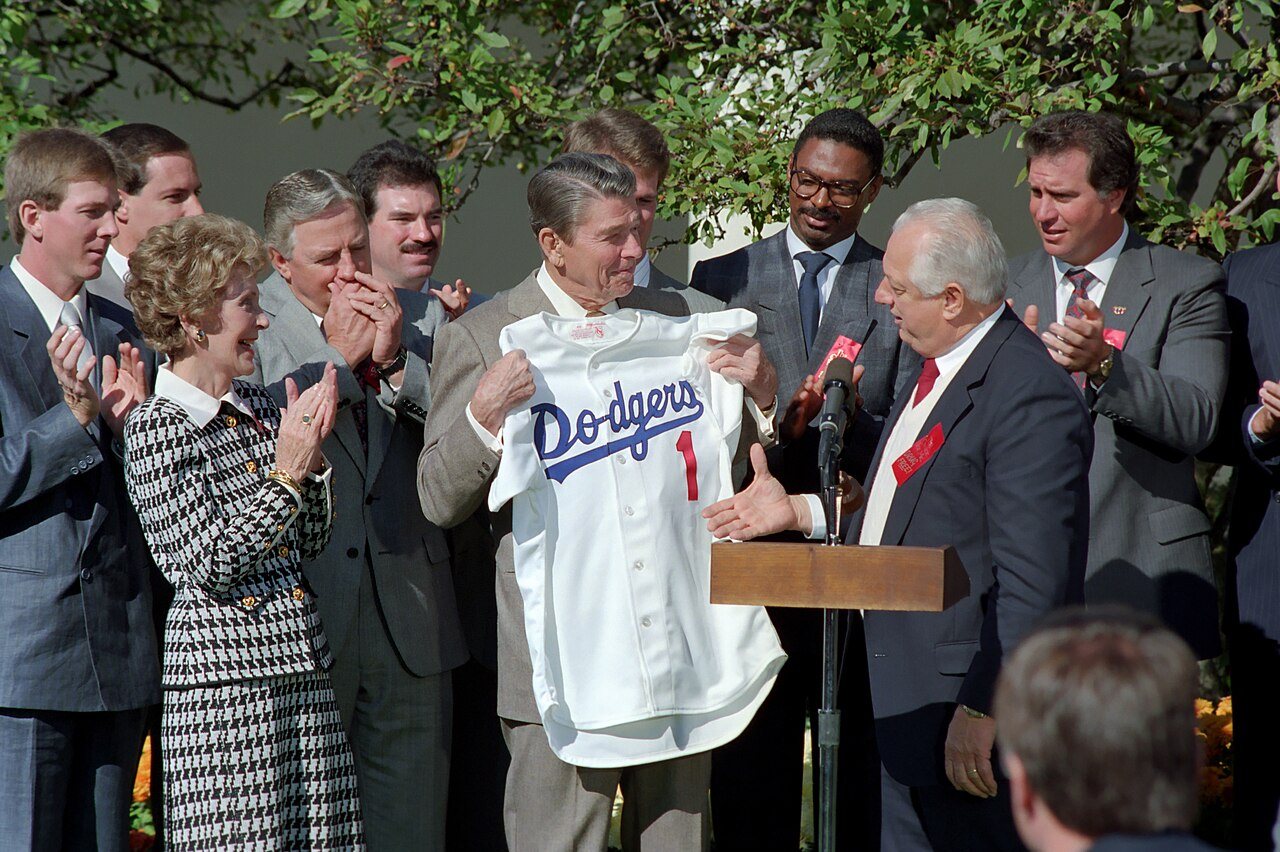
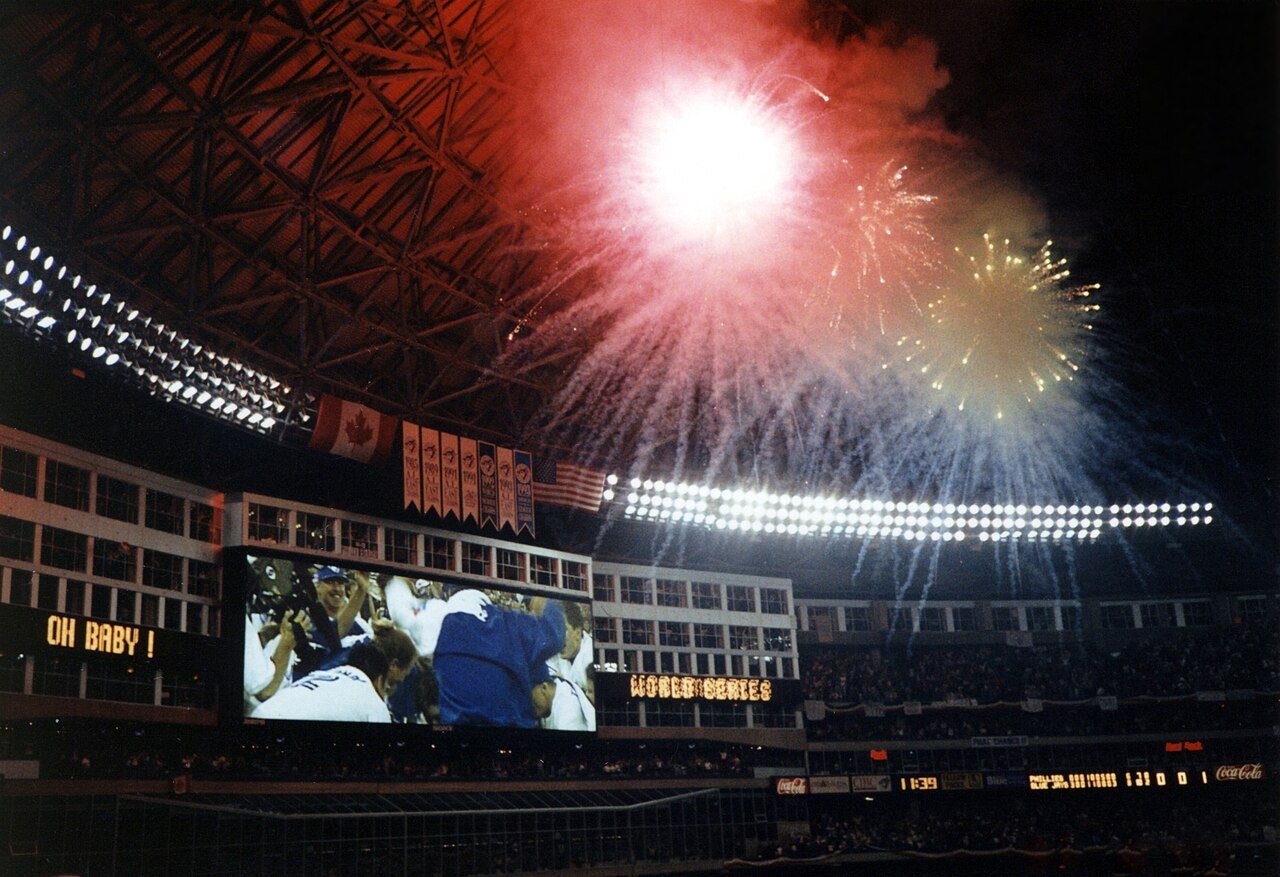
As of 2025, the World Series has been contested 121 times, with the American League winning 68 and the National League winning 53. The series is a highlight of the baseball calendar in North America and has produced many memorable moments, including dramatic home runs and extra-inning games. The most recent champions are the Los Angeles Dodgers, who defeated the Toronto Blue Jays in seven games.