
William of Ockham was a prominent 14th-century English Franciscan friar, philosopher, and theologian. Born around 1287, he studied at the University of Oxford before becoming embroiled in intense intellectual and political conflicts. He is famously associated with the principle of parsimony, known as Ockham's razor, which suggests that simpler explanations are preferable. His work significantly influenced medieval thought, particularly through his development of nominalism, a philosophical position regarding universals. After fleeing the papal court in Avignon due to disputes over apostolic poverty, he spent his final years in Munich under imperial protection.
Philosophical contributions

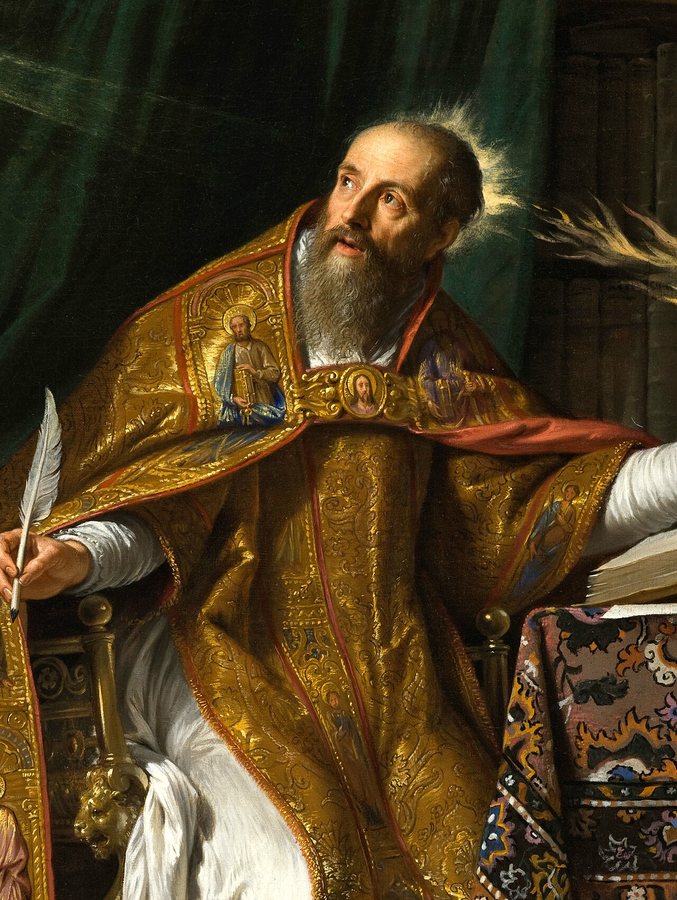
Ockham was a central figure in scholasticism, contributing extensively to logic, physics, and theology. He championed nominalism, arguing that universals are merely mental concepts or terms rather than independent realities. He also maintained a distinction between faith and reason, asserting that theological truths are accessible only through faith rather than empirical science or logical demonstration.
Life and conflict
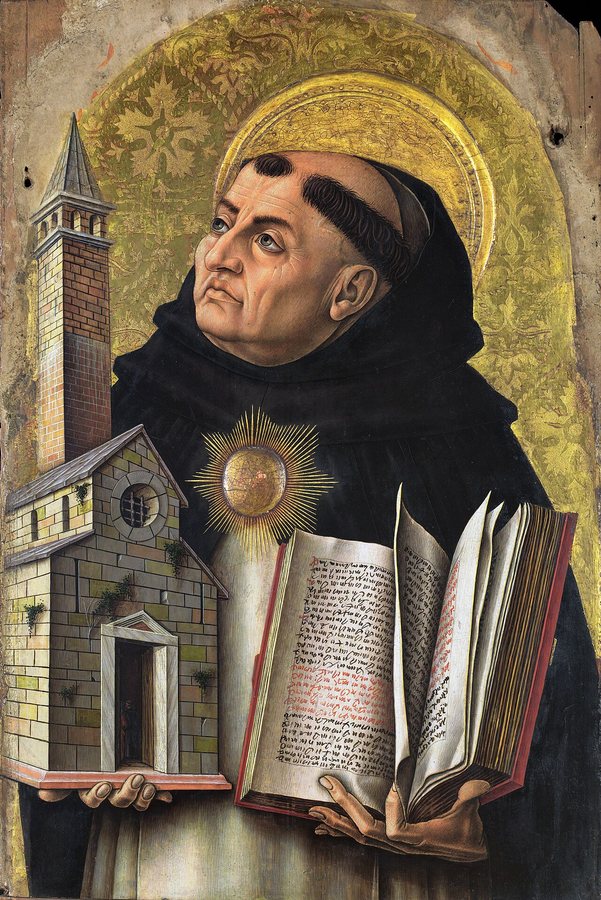
Following his education in London and Oxford, Ockham's academic career was interrupted by a summons to Avignon. There, he became involved in a fierce dispute with Pope John XXII regarding the Franciscan doctrine of poverty. After being excommunicated for leaving the papal court without permission, he sought refuge in Munich, where he lived until his death in 1347 or 1349.
Veneration

While primarily remembered as a philosopher, Ockham is commemorated in the Church of England. His remembrance is linked to the date of his death, which is traditionally observed on April 10.