
Volhynia (also Volynia) is a historic region in Central and Eastern Europe, lying between southeastern Poland, southwestern Belarus and northwestern Ukraine. Its borders are not clearly defined, and it has changed hands many times, divided among competing powers. For centuries it formed part of the Polish-Lithuanian Commonwealth, and after the partitions of Poland it was incorporated into the Pale of Settlement on the southwestern border of the Russian Empire. Important cities include Rivne, Lutsk, Zviahel and Volodymyr.
Name and geography


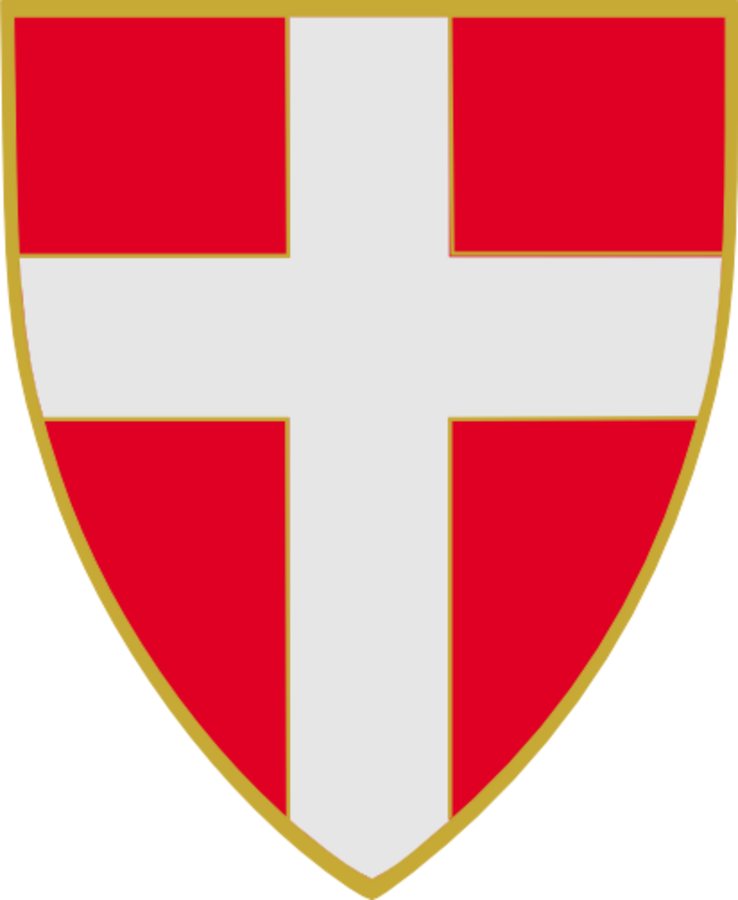

The region's name is rendered in many languages, including Ukrainian, Polish, Russian and German. An alternative name, Lodomeria, derives from the city of Volodymyr, once a political capital of the medieval Volhynian Principality. The region lies largely in the basins of the Western Bug and Pripyat rivers, occupying northern parts of the Volhynian-Podolian Upland and western parts of the Polesian Lowland. Today its territory is divided among the Volyn, Rivne and parts of several other Ukrainian oblasts, as well as part of Poland.
Medieval and early modern history
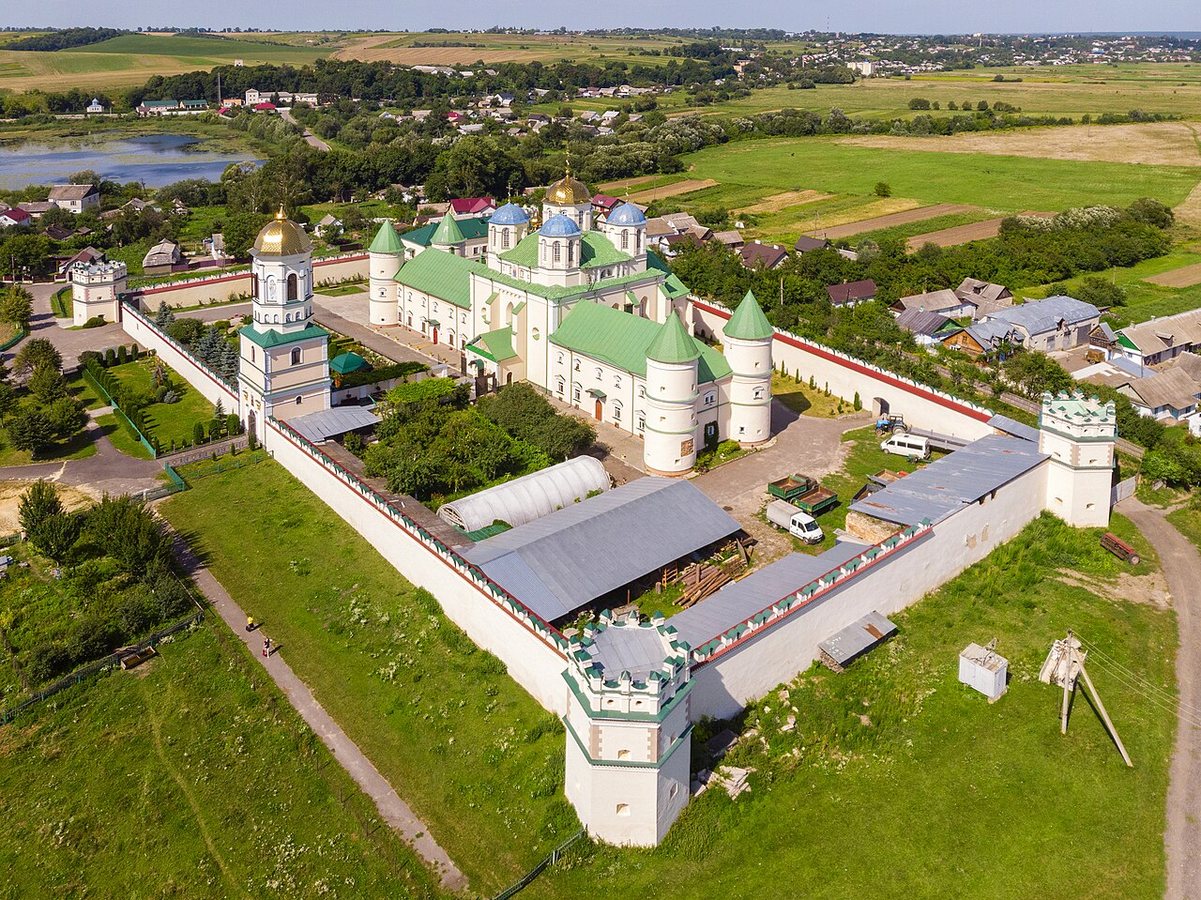


Volhynia first appears in Old East Slavic chronicles and may have been part of Kievan Rus' as early as the tenth century. Since the late twelfth century it was closely linked with neighboring Galicia, and the two principalities were briefly united. After the disintegration of this union around 1340, Poland and the Grand Duchy of Lithuania divided the region. From 1569 it was organized as a voivodeship within the Polish-Lithuanian Commonwealth, and many Poles and Jews settled there during this period.
Partitions and later period


A small southwestern part of Volhynia, including the city of Belz, was annexed by Austria in the First Partition of Poland in 1772. After the later partitions, the entire region was made part of the Pale of Settlement, where Jewish communities, including many small towns called shtetls, were an integral part of local life before World War II.