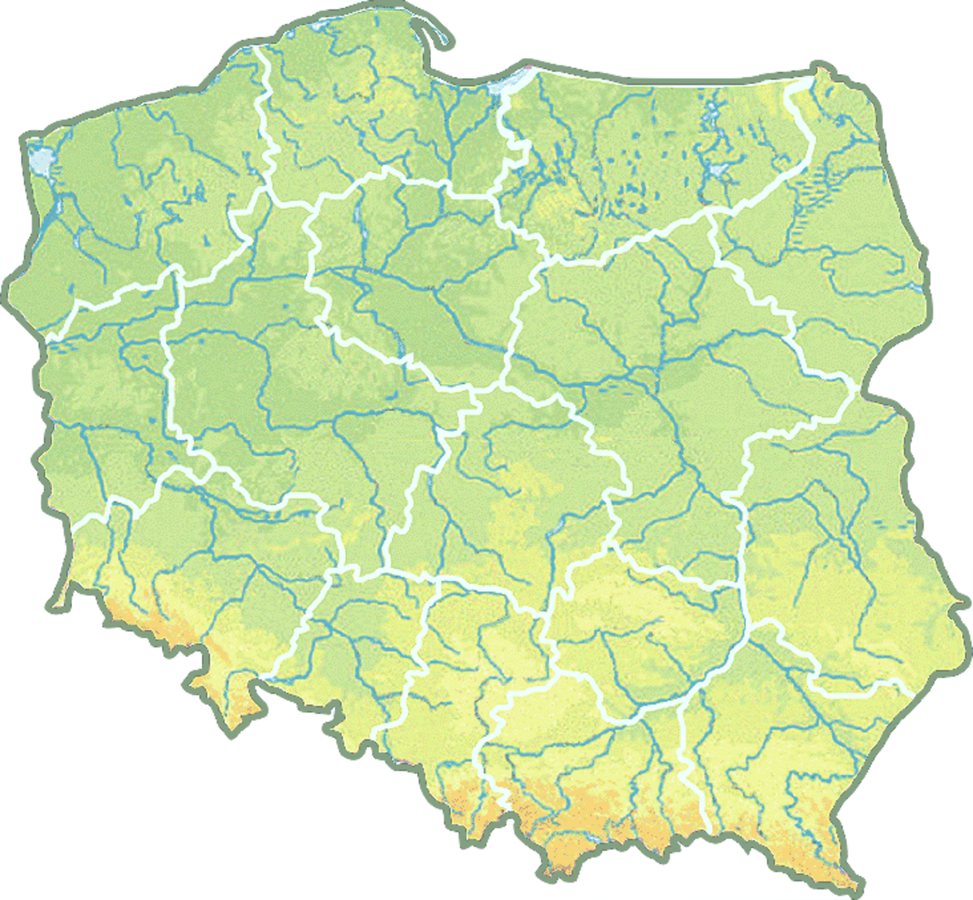
Voivodeships are the highest-level administrative divisions of Poland, corresponding to provinces in many other countries. The term has been used since the 14th century and is commonly translated into English as "province". Since the local government reforms that took effect on 1 January 1999, Poland has been divided into sixteen voivodeships, which are mostly named after historical and geographical regions rather than cities. Each voivodeship is further divided into counties and communes.
Name and etymology


The English term "voivodeship" derives from the Polish word wojewoda, a title that originally meant a warlord or war leader, combined with an English suffix. Some sources, especially in historical contexts, use "palatinate" instead. Some writers argue against translating the Polish term as "province" because earlier large regions of the Polish-Lithuanian Commonwealth were also called provinces, but that usage has been obsolete for over two centuries.
Administration and governance


Power at voivodeship level is shared among a government-appointed governor called the voivode, an elected regional assembly called the sejmik, and an executive board headed by a marshal. The voivode represents central government and oversees regional institutions, while the sejmik passes by-laws and budgets and elects the executive. The sejmik is elected every five years, alongside local authorities at the county and commune level.