factograf
EN
Sign in

capital and state of Austria

Vienna

Vienna

Vienna is the capital, most populous city, and one of the nine states of Austria. It is the country's primate city, with just over two million inhabitants, and its larger metropolitan area holds nearly 2.9 million people, about one-third of Austria's population. Vienna is the cultural, economic, and political centre of the country and the most populous city on the Danube.

Early history

Aerial view of the Vienna skyline, October 2024
Vienna Philharmonic performing at Schönbrunn, 2012
St. Stephen's Cathedral
Vienna State Opera at blue hour
Merry Christmas
Merry Christmas
Hofburg palace in Vienna, 2018
Karlskirche in Vienna, September 2016
Belvedere Palace, Vienna, Austria, February 2020
Roman Vienna
Roman Vienna
The Siege of Vienna in 1683, painting by Frans Geffels
Revolutionaries in Vienna with German tricolour flags, 1848
Karl-Marx-Hof, a municipal housing building and symbol of Red Vienna
12 images

The Romans founded a military camp called Vindobona in the 1st century, when the region belonged to the province of Pannonia. The Babenberg dynasty made Vienna its seat in 1155, and the city was granted city rights in 1221. In the 16th century the Habsburgs established Vienna as the seat of the emperors of the Holy Roman Empire, a position it held until the empire's dissolution in 1806. It then became the capital of the Austrian Empire and its successor states.

Culture and heritage
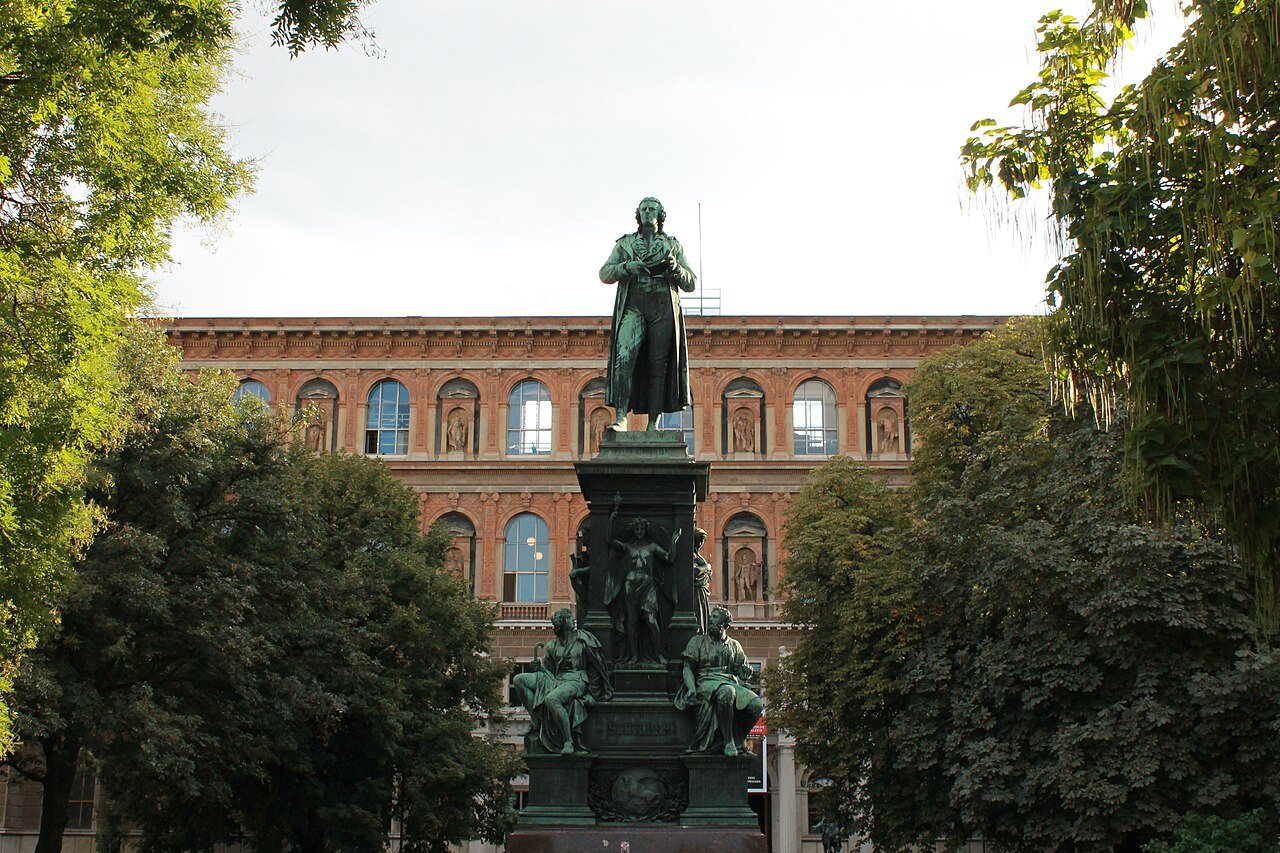
Statue of Friedrich Schiller in front of the Academy of Fine Arts
The Hauptbücherei central library
The AKH general hospital
Karl-Seitz-Hof municipal housing in Floridsdorf
The Burggarten, facing the back of the Hofburg
Locomotive D4 of the Prater Liliputbahn
A flak tower in the Augarten
The Donauturm in the Donaupark
An entrance to the Lobau near Essling
Grave of Ludwig van Beethoven in the Central Cemetery
Donaukanal, Danube, New Danube and Old Danube (left to right)
The plan for the regulation of the Danube
12 images

Vienna has a rich musical heritage and was home to many celebrated classical composers, including Ludwig van Beethoven, Wolfgang Amadeus Mozart and Franz Schubert. It was also the home of Sigmund Freud, the first psychoanalyst. In 2001 the city centre was designated a UNESCO World Heritage Site, and it contains Baroque palaces and gardens as well as the late-19th-century Ringstrasse, lined with grand buildings and parks.

In 238 languages

EnglishČeštinaDeutschEspañolFrançaisItaliano日本語PolskiPortuguêsРусскийУкраїнська中文AbkhazianAcehneseAdygheAfrikaansShqipአማርኛOld EnglishAragoneseAramaicالعربيةMoroccan ArabicEgyptian ArabicAsturianuঅসমীয়াKotavaAvaricAymaraAzbAzərbaycanBalineseBavarianbat-smgБашҡортBikolБеларускаяBetawiБългарскиBislamaবাংলাབོད་སྐད་BrezhonegBosanskiБуряадCatalàCdoCebuanoНохчийнChamorroکوردیی ناوەندیCorsicanCrimean TatarChurch SlavicЧӑваш чӗлхиCymraegDanskZazaDolnoserbšćinaDtyEʋegbeΕλληνικάEsperantoEestiEuskaraExtremaduranفارسیPulaarfiu-vroSuomiFøroysktArpitanNorthern FrisianFurlanFryskGagauzGaeilgeGàidhligGalegoGuaraniGothicGaelgHakka ChineseHausaעבריתFiji Hindiहिन्दीHrvatskiHornjoserbšćinaHaitian CreoleMagyarՀայերենHywInterlinguaBahasa IndonesiaInterlingueIlokoIngushIdoIsvÍslenskaLojbanJawaKara-KalpakTaqbaylitKaiქართულიKbpKgeGikuyuҚазақшаKanuriಕನ್ನಡKomi-Permyak한국어Karachay-BalkarKurdî (kurmancî)KomiKernewekКыргызчаLadinoLatinLëtzebuergeschLezghianLingua Franca NovaLigureLimburgishLldLombardLingálaLietuviųLatviešuMagahiमैथिलीmap-bmsMokshaMalagasyMariMinangkabauMāoriМакедонскиമലയാളംমৈতৈলোন্МонголWestern MariमराठीMelayuMaltiErzyaမြန်မာمازرونیNeddersass’sch (Nedderlannen)Neddersass’schनेपालीNewariNederlandsNorsk nynorskNovialNorskNrmNupNavajoNyanjaOccitanOloଓଡ଼ିଆИронPapiamentoਪੰਜਾਬੀPicardPennsylvania GermanPalatine GermanPiemontèisWestern PanjabiپښتوRunasimiRumantschRomanyroa-rupRoa (Tara)RomânăRusynСаха тылаᱥᱟᱱᱛᱟᱲᱤSicilianuScotsSarduسنڌيDavvisámegiellaSrpski (latinica)සිංහලSlovenčinaSlovenščinaChiShonaSoomaaliShqipСрпскиSaterland FrisianSesothoSvenskaKiswahiliSylŚlōnskiSzyதமிழ்తెలుగుТоҷикӣไทยTürkmen diliFilipinoTalyshToki ponaTürkçeТатарTumbukaAkanТываUdmurtئۇيغۇرچەاردوO‘zbekVenetoVepsTiếng ViệtWest FlemishVolapükWarayWalloonWolofWu ChineseIsiXhosaMingrelianייִדישÈdè YorùbáZeelandicⵜⴰⵎⴰⵣⵉⵖⵜzh-yueIsiZulu

Редакція Factograf · Published October 14, 2026 · Partly based on Wikipedia, CC BY-SA 4.0 · Source article