
Penile–vaginal intercourse, also called vaginal intercourse, is the insertion of an erect penis into a vagina. It is the primary form of copulation in mammals and the main form of penetrative sexual intercourse in human sexuality. People engage in it for sensual or sexual pleasure, for reproduction, or for both, and additional stimulation is often provided by rhythmic pelvic movement after insertion.
Biological function

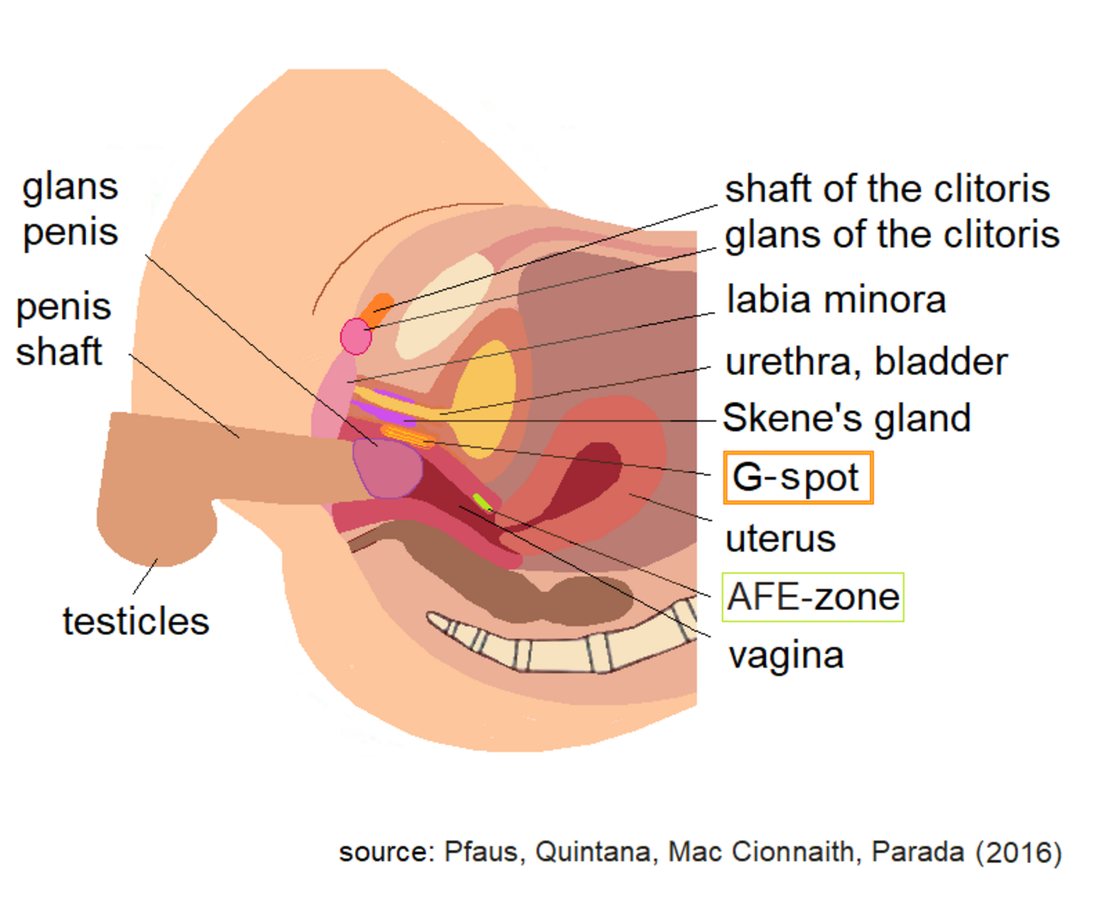

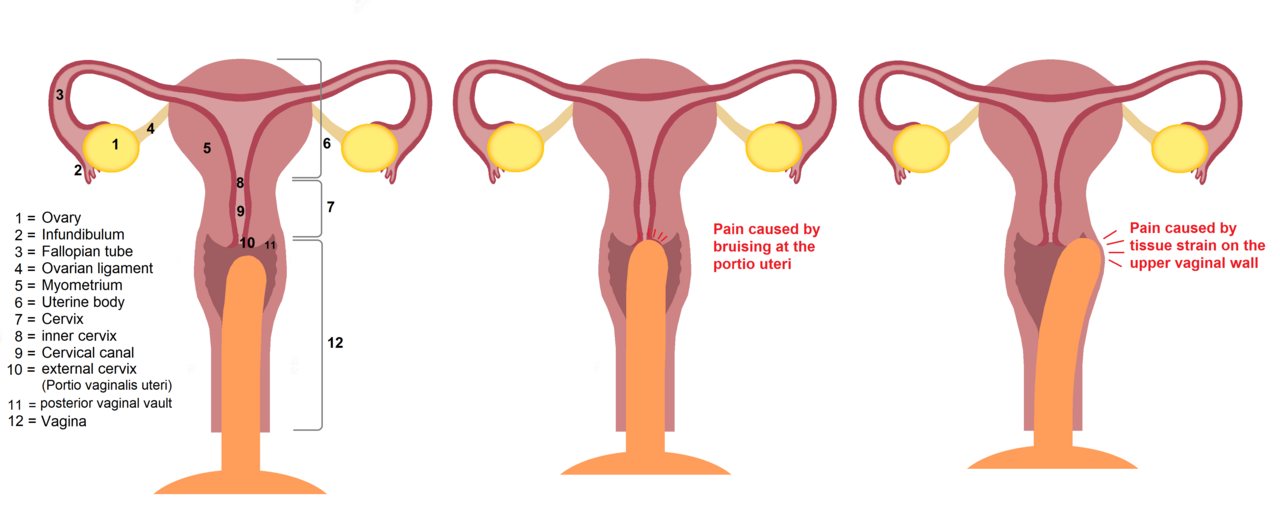
Biologically, vaginal intercourse serves human reproduction. Without contraception, sperm are deposited in the vagina during ejaculation and travel through the cervix and uterus into the fallopian tubes, where one may fertilize an egg. The resulting embryo implants in the uterus, marking the start of pregnancy. Contraception now allows couples to separate intercourse from procreation, and because humans have no fixed mating season, intercourse can occur at any point in the menstrual cycle.
Legal and psychological aspects

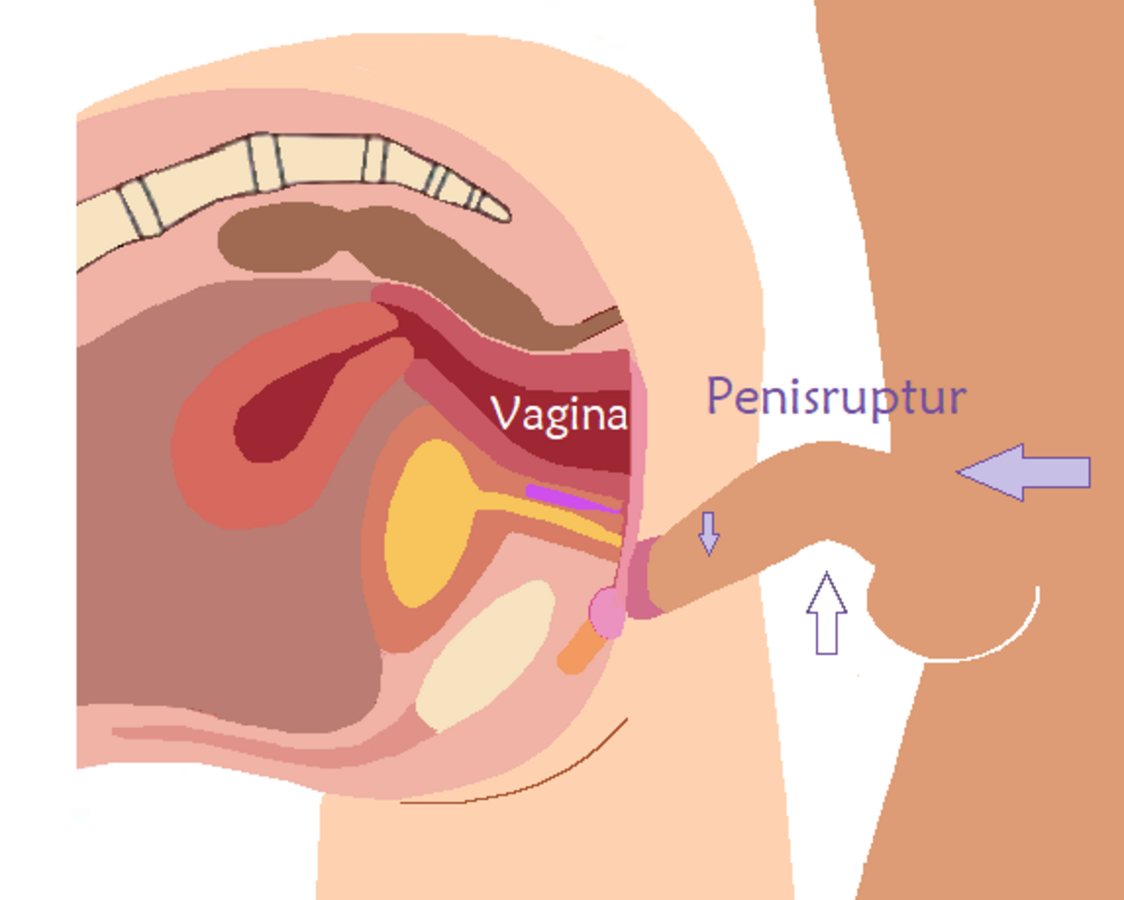

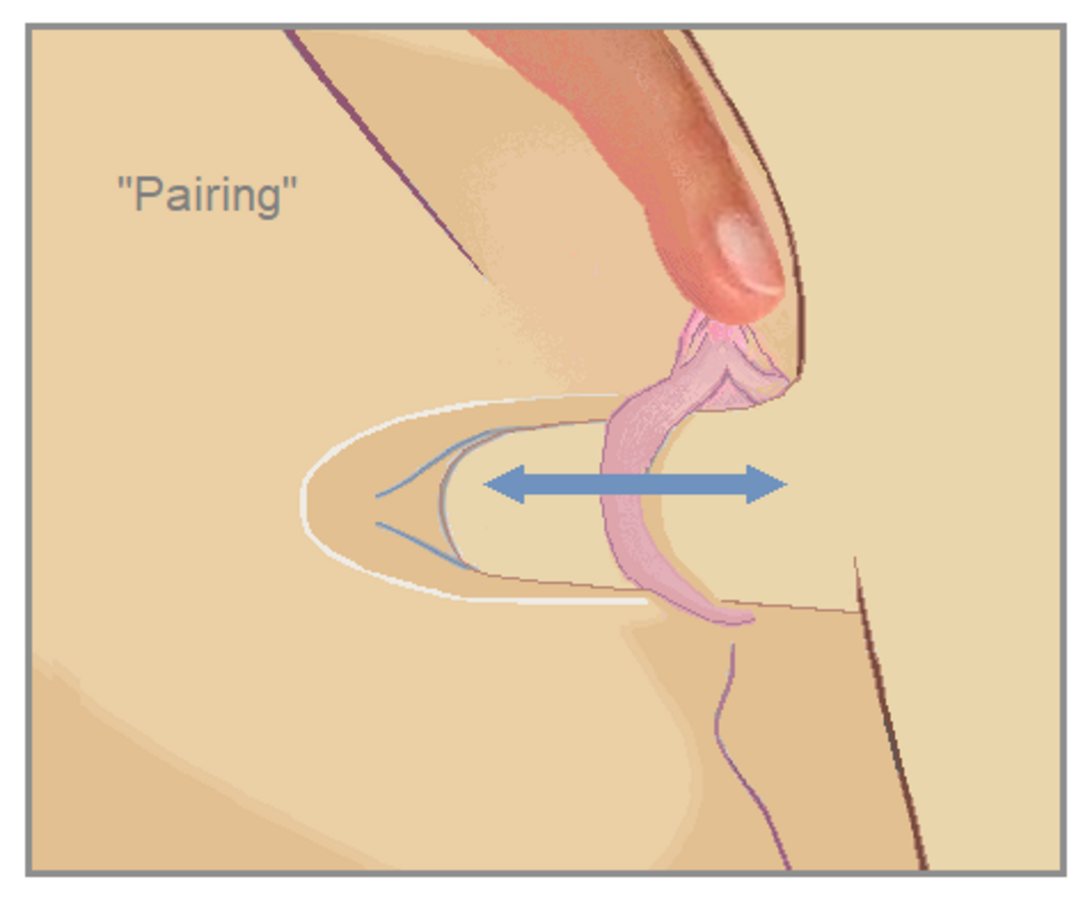
Vaginal intercourse between consenting adults is generally regarded as a private matter. Sex with a minor is restricted by age-of-consent laws, though some jurisdictions make exceptions. Intercourse without consent is considered rape in every country. Studies have associated consensual vaginal intercourse with certain physiological and psychological benefits, particularly in satisfying relationships, while painful intercourse is reported by a notable share of women and is often linked to a lack of communication or impatient partner behaviour.


