
Unity Day, also called National Unity Day or the Day of People's Unity, is a national holiday in Russia observed on 4 November. It commemorates the popular uprising that ended the Polish-Lithuanian occupation of Moscow in November 1612, marking the end of the Time of Troubles and a turning point in the Polish intervention in Russia. The day is also the feast day of the Russian Orthodox icon of Our Lady of Kazan.
Origins and establishment
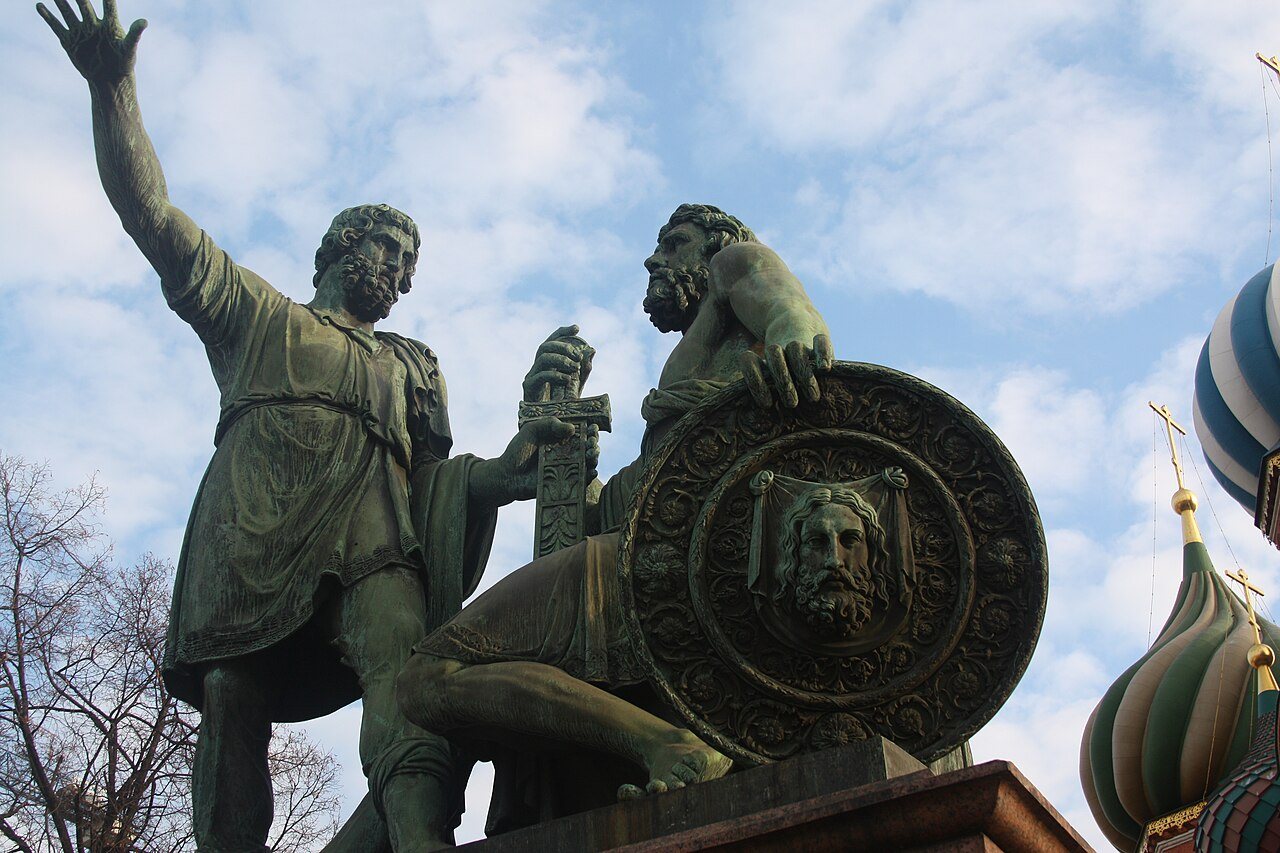

The holiday's name reflects the idea that all classes of Russian society united to preserve Russian statehood when there was neither a tsar nor a patriarch to guide them. In 1613, Tsar Mikhail Romanov instituted a holiday called Day of Moscow's Liberation from Polish Invaders, which was celebrated in the Russian Empire until 1917. It was then replaced by October Revolution Day. The Russian Federation reinstituted the holiday in 2005, when the events of 1612 began to be commemorated instead of those of 1917. Vladislav Surkov was among its initiators, and the bill was adopted by the State Duma in December 2004.
Public reception

A 2007 poll found that only 23 percent of Russians knew the name of the holiday, up from 8 percent in 2005. Twenty-two percent identified it as the Day of Accord and Reconciliation, the name used for the 7 November holiday during the 1990s. Only 4 percent knew that the holiday commemorates the liberation of Moscow from Polish-Lithuanian invaders, compared with 5 percent in 2005.