
The United States of America is a federal republic in North America made up of 50 states and a federal capital district, Washington, D.C. The 48 contiguous states border Canada and Mexico, while Alaska and Hawaii lie separately, and the country also claims several major island territories. With the world's fourth-largest total area and third-largest population, exceeding 341 million, it is a developed economy that plays a dominant role in global political, cultural, economic, and military affairs.
Colonial and Revolutionary Origins


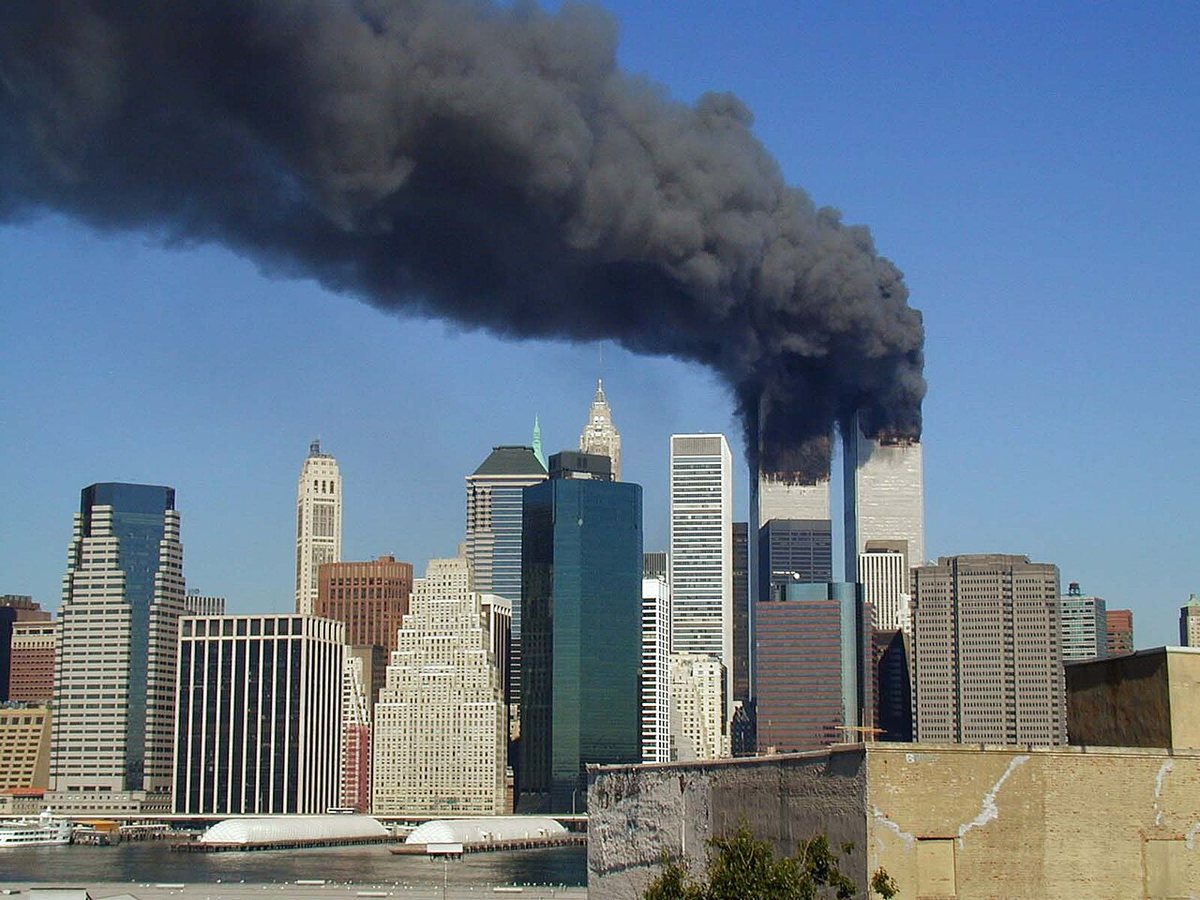


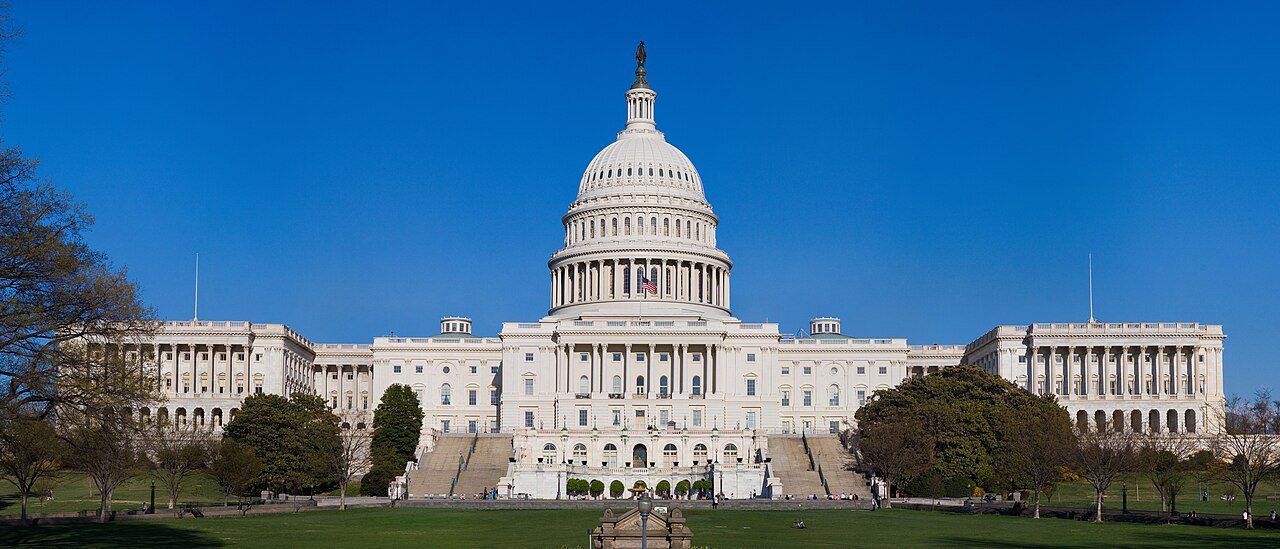

Indigenous peoples had lived in the region for thousands of years before European colonization began in 1607, which established the Thirteen Colonies. Enlightenment ideas about republicanism and liberalism spread among colonists, and disputes with the British Crown over taxation without parliamentary representation led to the American Revolution. Independence was declared in 1776, and victory in the Revolutionary War brought international recognition of American sovereignty.
Growth and Global Power


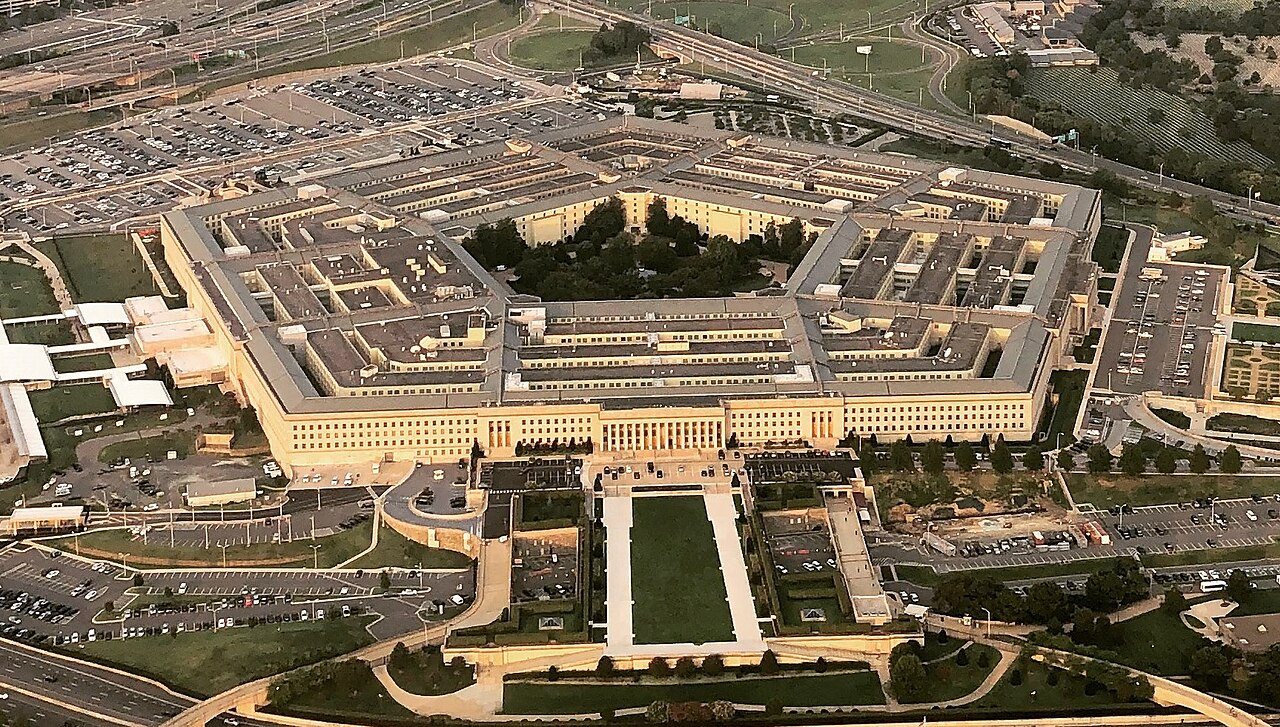


The country expanded westward through purchase, settlement, and conquest. A dispute over slavery led Southern states to secede and fight the Civil War from 1861 to 1865, after which slavery was abolished. By 1900 the United States had emerged as a great power, and after the Cold War it became the sole superpower following the Soviet Union's collapse in 1991.
Government and Economy




The federal government operates as a republic under a constitution that separates legislative, executive, and judicial powers. Congress is bicameral, and the Supreme Court may rule laws unconstitutional. The economy accounts for over a quarter of nominal global GDP and has been the world's largest since about 1890, and its culture, shaped by immigration, is globally influential.