
The Trojan War was a legendary conflict in Greek mythology, traditionally placed around the thirteenth or early twelfth century BC. In the story, the Achaeans (Greeks) waged war against the city of Troy after Paris of Troy took Helen from her husband Menelaus, king of Sparta. It is one of the most important events in Greek mythology and is told in many works of Greek literature, most notably Homer's Iliad.
Literary Traditions
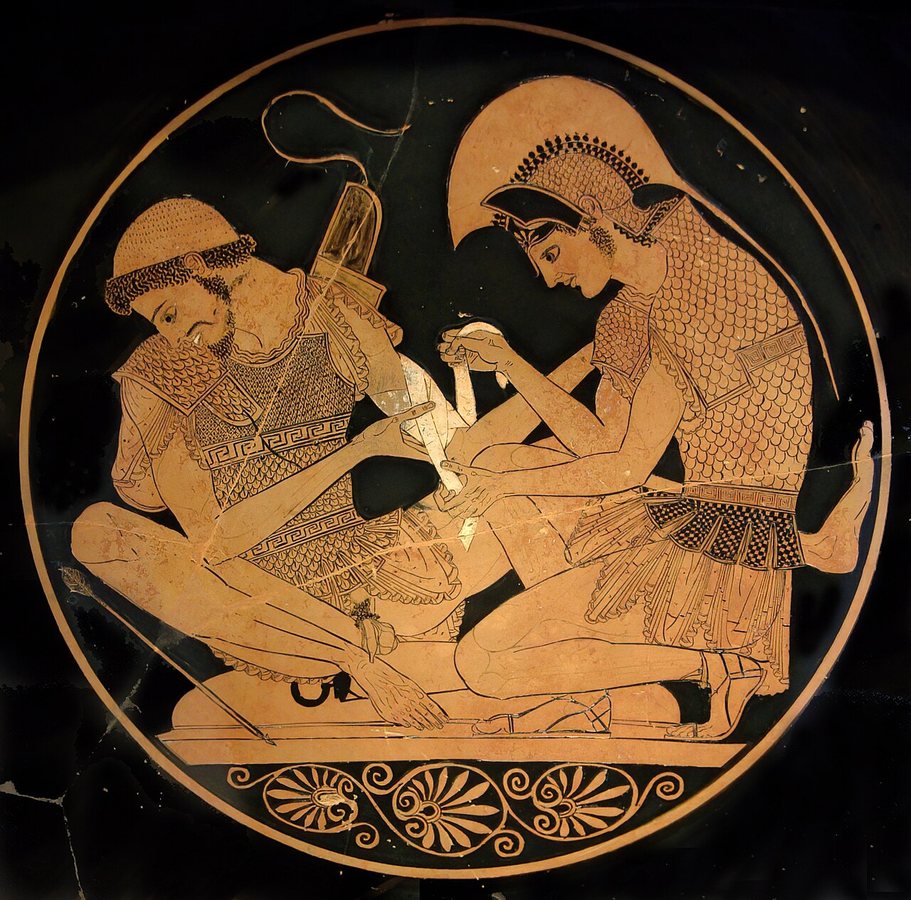


The core of the Iliad covers four days and two nights in the tenth year of the decade-long siege of Troy. The Odyssey follows the homeward journey of Odysseus, one of the war's heroes. Other episodes appear in a cycle of epic poems that survive only in fragments. Stories from the war supplied material for Greek tragedy and for Roman poets such as Virgil and Ovid.
Historical Debate


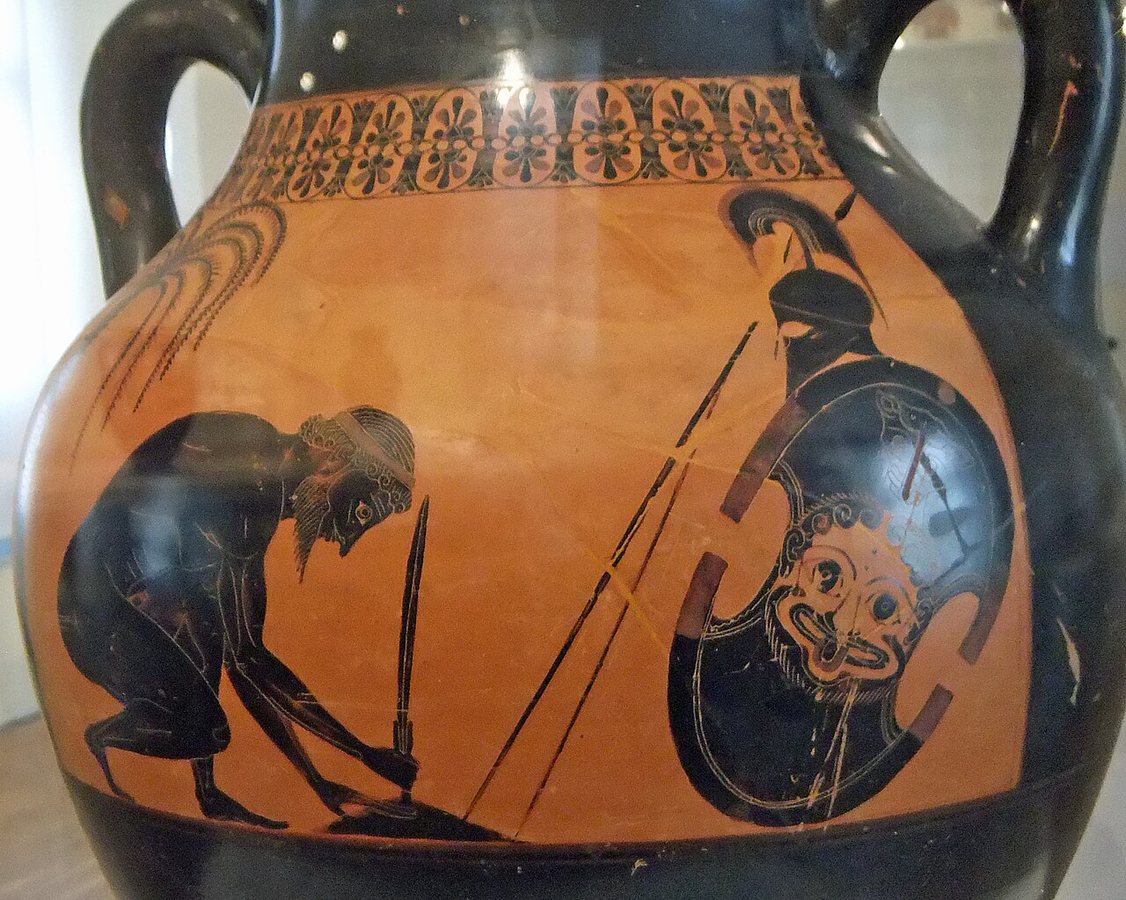


The ancient Greeks believed Troy stood near the Dardanelles and that the war was a historical event. By the mid-nineteenth century, both the war and the city were widely regarded as non-historical. Excavations by Heinrich Schliemann and others later identified Troy at Hisarlık in modern Turkey, a site now accepted by most scholars. Whether the war itself happened remains open, though many scholars think the tale may preserve a historical core, perhaps a fusion of Mycenaean Bronze Age conflicts.