
Thuringia (German: Thüringen) is a landlocked state in central Germany, officially the Free State of Thuringia. With about 2.1 million people it is the 12th-largest German state by population, and with 16,171 square kilometers the 11th-largest by area. Erfurt is its capital and largest city. Known as the "green heart of Germany" because of its extensive forests, Thuringia is bordered by Bavaria, Hesse, Lower Saxony, Saxony and Saxony-Anhalt.
Early history


The region takes its name from the Thuringii, a Germanic tribe active around AD 300. It came under Frankish control in the 6th century, and the first documented duke, Radulf I, was appointed by King Dagobert I in the early 630s. Within the Holy Roman Empire, Thuringia became a landgraviate in 1130, but it later fragmented after the Ludowingian line died out in 1247. Following the Treaty of Leipzig in 1485, its southern and central parts passed to the Ernestine branch of the Wettin dynasty.
Modern state


The modern state was established in 1920 by merging several Ernestine duchies. After World War II it fell within the Soviet occupation zone and was incorporated into the German Democratic Republic in 1949, then dissolved in 1952 into three districts. Thuringia was re-established in 1990 after German reunification and became one of the states of the Federal Republic of Germany.
Culture and notable features


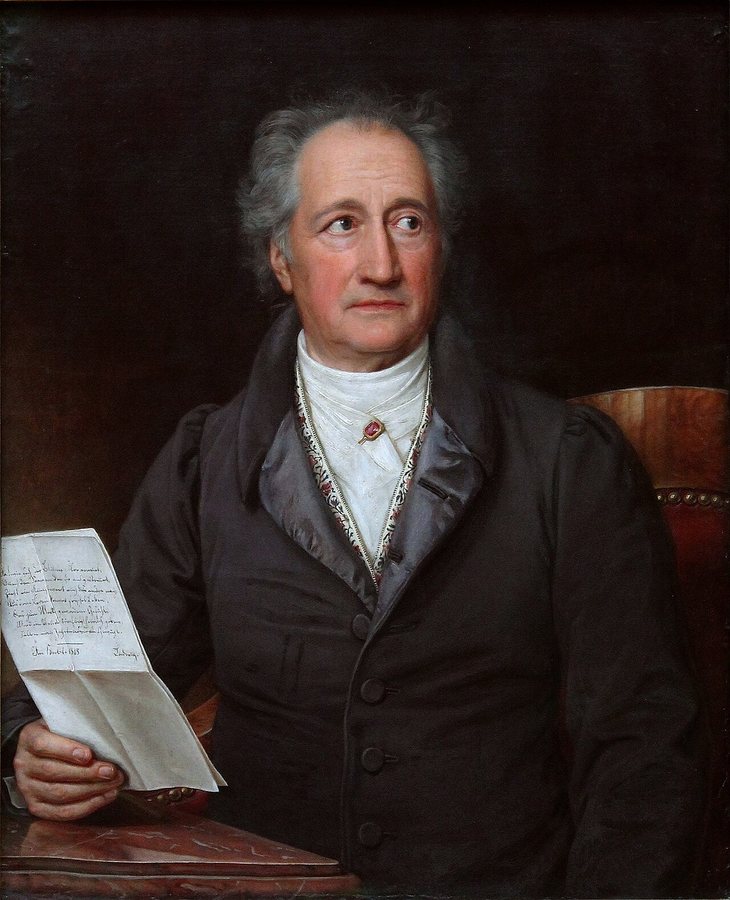

Thuringia is home to the Rennsteig, Germany's best-known hiking trail, and the winter resort of Oberhof. Thuringian athletes had won half of Germany's Winter Olympic gold medals as of 2014. The state was the birthplace or home of Johann Sebastian Bach, Johann Wolfgang von Goethe and Friedrich Schiller, and it hosts several universities, including the University of Jena and Bauhaus University of Weimar.