factograf
EN
Sign in

Italian Dominican friar, philosopher, and Doctor of the Church

Thomas Aquinas

Thomas Aquinas

Thomas Aquinas was an influential Italian Dominican friar, priest, and philosopher who lived from approximately 1225 to 1274. A central figure in medieval scholasticism, he developed a philosophical system known as Thomism by synthesizing Aristotelian thought with Christian doctrine. His extensive writings, including the unfinished Summa Theologica, addressed complex questions of theology, ethics, and natural reason. Recognized as one of the most significant thinkers in Western history, he is honored as a saint and a Doctor of the Church, holding titles such as the Angelic Doctor.

Life and work
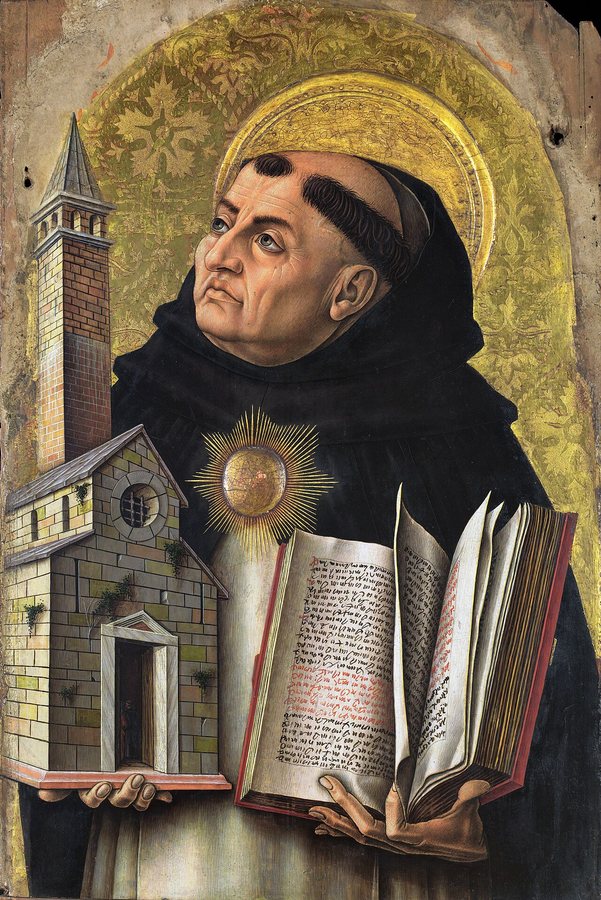
Saint Thomas Aquinas
The castle of Monte San Giovanni Campano
2 images

Born into a noble family near Aquino, Thomas initially faced opposition from his relatives when he chose to join the Dominican Order. After overcoming a period of confinement, he studied in Naples and Paris, eventually becoming a professor. He worked closely with Albertus Magnus and produced massive theological works, such as the Summa contra Gentiles. His intellectual legacy includes the Five Ways to prove God's existence and significant contributions to virtue ethics and sacramental theology.

Veneration and legacy

A painting by Diego Velázquez depicting Thomas being girded by angels with a mystical belt of purity
Bernardo Daddi's c. 1330 altarpiece showing the Virgin Mary with Saint Paul and Saint Thomas Aquinas
2 images

Thomas was canonized in 1323 and is commemorated in Catholic, Anglican, and Lutheran traditions. He is celebrated as a Doctor of the Church, a distinction given to those with significant theological impact. His liturgical contributions include several Eucharistic hymns. His philosophical framework, Thomism, continues to influence religious and secular thought, particularly in the realms of aesthetics, cognitive theory, and moral philosophy.

In 159 languages

EnglishČeštinaDeutschEspañolFrançaisItaliano日本語PolskiPortuguêsРусскийУкраїнська中文AfrikaansShqipአማርኛAragoneseالعربيةEgyptian ArabicAsturianuঅসমীয়াAzbAzərbaycanbat-smgБашҡортBikolБеларускаяBetawiБългарскиBhojpuriBislamaবাংলাBrezhonegBosanskiBtmБуряадCatalàНохчийнکوردیی ناوەندیCymraegDanskΕλληνικάEsperantoEestiEuskaraفارسیfiu-vroSuomiFøroysktFurlanFryskGan ChineseGaeilgeGcrGalegoGuaraniकोंकणीHausaעבריתFiji Hindiहिन्दीHrvatskiHaitian CreoleMagyarՀայերենHywInterlinguaIbanBahasa IndonesiaInterlingueIlokoIdoIsvÍslenskaJamaican Creole EnglishJawaKara-KalpakJjuქართულიKbpҚазақшаខ្មែរKanuriಕನ್ನಡ한국어Kurdî (kurmancî)KernewekКыргызчаLatinLëtzebuergeschLingua Franca NovaLimburgishLldLombardLingálaLietuviųLatviešuMaduresemap-bmsMalagasyMinangkabauМакедонскиമലയാളംМонголमराठीMelayuMirandeseErzyaမြန်မာNeddersass’sch (Nedderlannen)Neddersass’schNewariNederlandsNorsk nynorskNorskNrmOccitanPangasinanPampangaPapiamentoਪੰਜਾਬੀPicardPiemontèisWestern PanjabiپښتوRunasimiRumantschRomânăRusynСаха тылаसंस्कृत भाषाSicilianuScotsSarduسنڌيSrpski (latinica)සිංහලSlovenčinaSlovenščinaShqipСрпскиSvenskaKiswahiliதமிழ்తెలుగుไทยFilipinoTürkçeТатарاردوO‘zbekVepsTiếng ViệtVolapükWarayWu ChineseMingrelianייִדישÈdè Yorùbázh-yue

Редакція Factograf · Published October 23, 2026 · Partly based on Wikipedia, CC BY-SA 4.0 · Source article