
Telewizja Polska (TVP), also known in English as Polish Television, is a public service broadcaster in Poland. Founded in 1952, it is the oldest and largest Polish television network. Its history includes early experimental broadcasts before the Second World War, the start of regular programming in the 1950s, and later expansion into multiple channels. The broadcaster has also been at the centre of debate over its editorial independence, particularly after 2015.
Early development
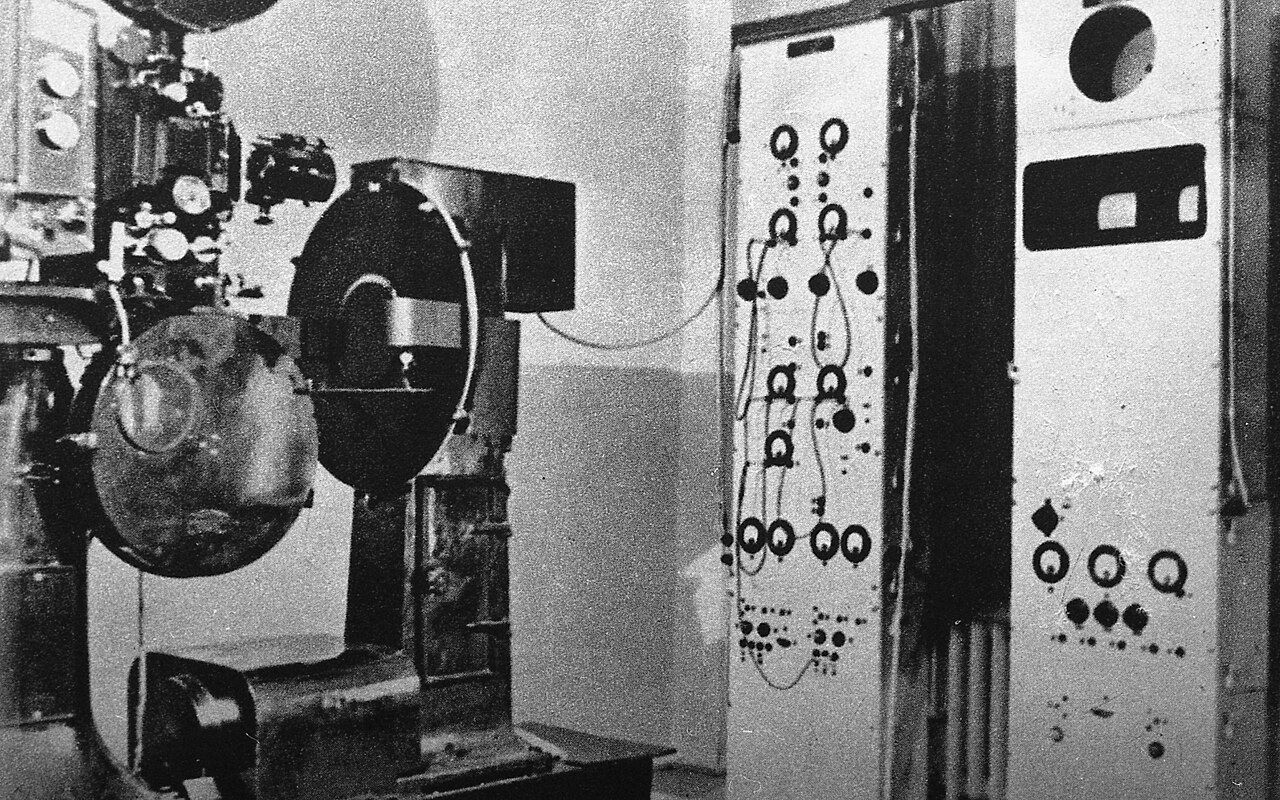


Interest in television in Poland dates back to the late nineteenth century, when Jan Szczepanik patented a device for transmitting images at a distance. In the 1930s, engineers at the State Telecommunications Institute and Polish Radio began building a television station in Warsaw. Test broadcasts took place in 1938 and 1939, but the outbreak of the Second World War, during which the equipment was destroyed, interrupted the project. Work resumed in 1947.
Post-war expansion


Regular programming began in 1952 from a studio in Warsaw, with a daily schedule established in later years. The network introduced colour broadcasting in 1971, launched a second channel in 1970, and adopted a teletext service in 1989. After the separation of television and radio public broadcasting in 1992, the company became a joint-stock company, and it later added specialised channels for news, culture, education and children.
Political controversy


After the Law and Justice party won the 2015 parliamentary election, the broadcaster was widely reported to have aligned its coverage with the government. Critics in Poland and abroad described its output as propaganda, while the government rejected such claims. Following the 2023 election, a new government moved to restructure the broadcaster, and in December 2023 it was placed in liquidation after a presidential veto affected its financing.