factograf
EN
Sign in

country in Northern Europe

Sweden

Sweden

Sweden, formally the Kingdom of Sweden, is a Nordic country on the Scandinavian Peninsula in Northern Europe. It borders Norway and Finland and shares a maritime border with Denmark. With about 10.6 million people, it is the largest and most populous Nordic country and the fifth-largest in Europe. Its capital and largest city is Stockholm. Most Swedes live in urban areas, mainly in the southern and central parts of the country, and the nation is a constitutional monarchy and parliamentary democracy.

Early history

Viking expeditions (blue lines) and settlements (bright green)
The Tjängvide image stone dating from 800 to 1099, example of Viking art
A rough map of the extent of Swedish rule, c. 1280
Gustav I freed Sweden from Christian II of Denmark, ending the Kalmar Union. He founded the House of Vasa, which ruled Sweden and Poland until the 17th century.
Gustavus Adolphus at the Battle of Breitenfeld in 1631
The Battle of Poltava in 1709. In the following years, Russia and its allies occupied all Swedish dominions on the Baltic coast and even Finland.
Starvation in northern Sweden, shown in an illustration of the Famine of 1867–1869
Swedish emigrants boarding a ship in Gothenburg in 1905
Tage Erlander (left), Prime Minister for the ruling Swedish Social Democratic Party from 1946 to 1969
Sweden joined the European Union in 1995 and signed the Lisbon Treaty in 2007.
View of the Stora Sjöfallet National Park
Sandhamn island, Stockholm archipelago
12 images

People have lived in the territory since prehistoric times, and the inhabitants became the Geats and Swedes, part of the seafaring peoples known as Norsemen. A unified Swedish state emerged in the late 10th century. Sweden joined Norway and Denmark in the Kalmar Union in 1397 and left it in 1523. After entering the Thirty Years' War, Sweden expanded into the Swedish Empire, which remained a major European power until the early 18th century.

Modern development

IKEA store
IKEA store
H&M shop at Canal City Hakata
Spotify, the Swedish audio streaming service with more than 700 million users
Share of electricity generation in Sweden by percentage
The Öresund Bridge between Malmö and Copenhagen in Denmark
The west coast motorway E6/E20 in central Gothenburg
Stockholm Central Station
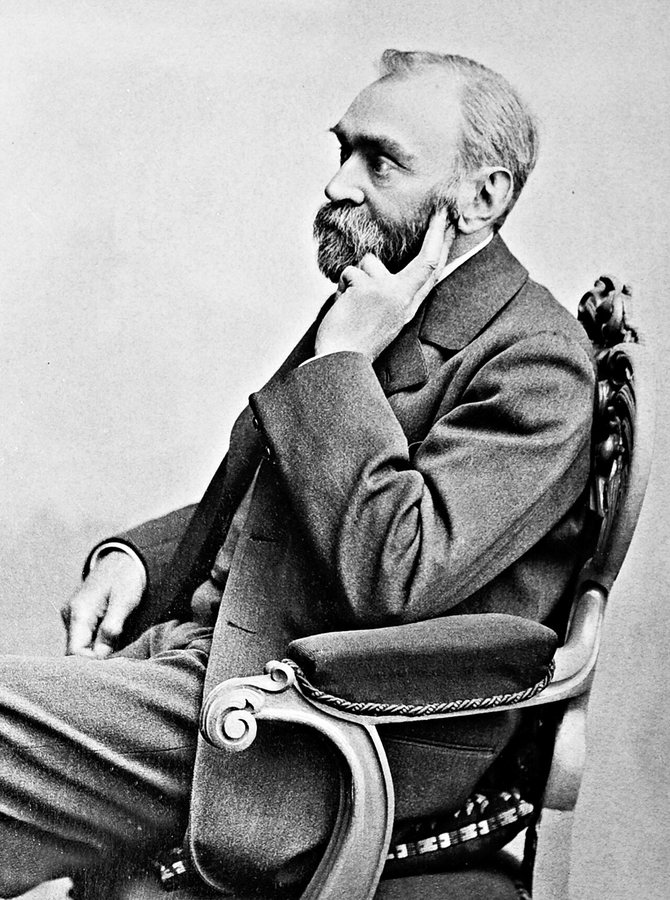
Alfred Nobel, inventor of dynamite and founder of the Nobel Prize
The Protestant Katarina Church in Stockholm
Saint Eric, patron saint of Sweden, shown on a wall painting in Uppenbarelsekyrkan. His relics are displayed in Uppsala Cathedral, the national shrine.
Uppsala University (established 1477)
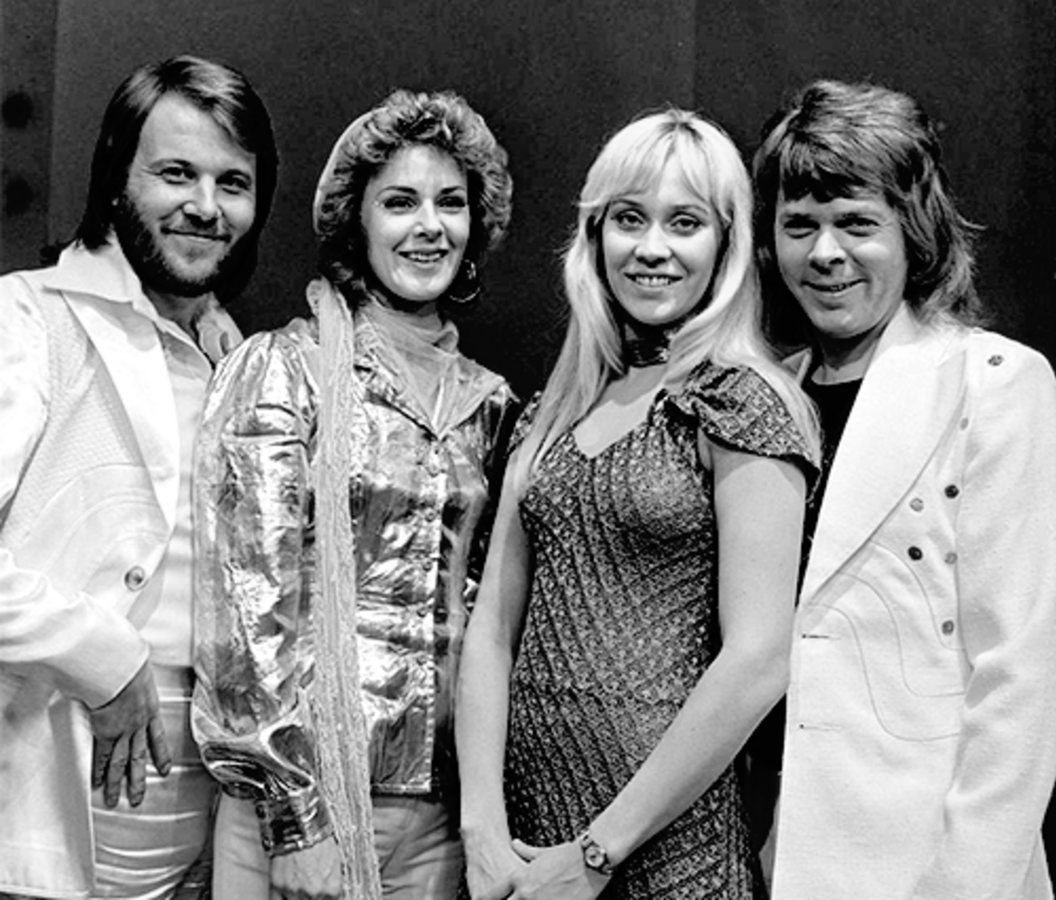
The Swedish band ABBA in April 1974, a few days after winning the Eurovision Song Contest
12 images

Most territories conquered outside the Scandinavian Peninsula were lost during the 18th and 19th centuries, and the eastern half of the country was ceded to Imperial Russia in 1809. Sweden has since developed into a highly developed country with a Nordic welfare system providing universal health care and tertiary education. It joined the European Union in 1995 and NATO in 2024.

In 291 languages

EnglishČeštinaDeutschEspañolFrançaisItaliano日本語PolskiPortuguêsРусскийУкраїнська中文AbkhazianAcehneseAdygheAfrikaansShqipAmiአማርኛOld EnglishOboloAngikaAragoneseAramaicالعربيةMoroccan ArabicEgyptian ArabicAsturianuঅসমীয়াAtikamekwKotavaAvaricAwadhiAymaraAzbAzərbaycanBalineseBavarianbat-smgБашҡортBikolБеларускаяBetawiБългарскиBhojpuriBislamaBamanakanবাংলাབོད་སྐད་BishnupriyaBrezhonegBosanskiБуряадCatalàcbk-zamCdoCebuanoНохчийнᏣᎳᎩChamorroCheyenneکوردیی ناوەندیCorsicanCrimean TatarKashubianChurch SlavicЧӑваш чӗлхиCymraegDagDanskZazaDolnoserbšćinaDtyDivehiརྫོང་ཁEʋegbeΕλληνικάEmlEsperantoEestiEuskaraExtremaduranفارسیPulaarfiu-vroSuomiFijianFøroysktArpitanNorthern FrisianFurlanFryskGagauzGan ChineseGaeilgeGcrGàidhligGilakiGalegoGuaraniकोंकणीGothicગુજરાતીGaelgHakka ChineseHausaʻŌlelo HawaiʻiעבריתFiji Hindiहिन्दीHrvatskiHornjoserbšćinaHaitian CreoleMagyarՀայերենHywInterlinguaIbanBahasa IndonesiaInterlingueIgboIlokoIdoIsvÍslenskaInuktitutJamaican Creole EnglishLojbanJawaKara-KalpakTaqbaylitქართულიKabardianKbpKgeKongoGikuyuҚазақшаខ្មែរKanuriಕನ್ನಡKomi-Permyak한국어Karachay-BalkarکٲشُرKurdî (kurmancî)KomiKernewekКыргызчаLadinoLatinLëtzebuergeschLezghianLingua Franca NovaLugandaLigureLimburgishLldLombardLingálaລາວLatgalianLietuviųLatviešuMadureseMagahiमैथिलीmap-bmsMokshaMalagasyMariMinangkabauMāoriМакедонскиമലയാളംমৈতৈলোন্МонголमराठीMelayuMaltiMirandeseErzyaမြန်မာمازرونیNeapolitanNeddersass’sch (Nedderlannen)Neddersass’schनेपालीNewariNederlandsNorsk nynorskNovialNorskNrmNupNavajoOccitanOloOromooଓଡ଼ିଆИронPangasinanPampangaPapiamentoਪੰਜਾਬੀPicardPennsylvania GermanPiemontèisWestern PanjabiPonticپښتوRunasimiRumantschroa-rupRoa (Tara)RomânăRusynIkinyarwandaСаха тылаᱥᱟᱱᱛᱟᱲᱤसंस्कृत भाषाSicilianuScotsSarduسنڌيDavvisámegiellaⵜⴰⵛⵍⵃⵉⵜတႆးSrpski (latinica)සිංහලSkrSlovenčinaSlovenščinaAnarâškielâSamoanChiShonaSoomaaliShqipSranan TongoСрпскиSwatiSaterland FrisianSesothoBasa SundaSvenskaKiswahiliŚlōnskiSzyதமிழ்TayTetumతెలుగుТоҷикӣไทยትግርኛTürkmen diliFilipinoTalyshToki ponaLea fakatongaTok PisinTarokoTürkçeTsongaТатарTumbukaAkanТываTahitianUdmurtئۇيغۇرچەاردوO‘zbekVenetoVepsTiếng ViệtWest FlemishVolapükWarayWalloonWolofWu ChineseIsiXhosaMingrelianייִדישÈdè YorùbáVahcuenghZeelandicⵜⴰⵎⴰⵣⵉⵖⵜzh-yueIsiZulu

Редакція Factograf · Published October 14, 2026 · Partly based on Wikipedia, CC BY-SA 4.0 · Source article