
Suicide methods are the means by which a person dies or attempts to die by suicide. Attempts do not always end in death, and a non-fatal attempt can cause serious physical injury, long-term health problems, or brain damage. Worldwide, hanging, pesticide poisoning and firearms predominate, although the pattern varies between countries. Research on these methods helps identify commonly used approaches and the groups most at risk, which informs prevention work.
Prevention through restriction
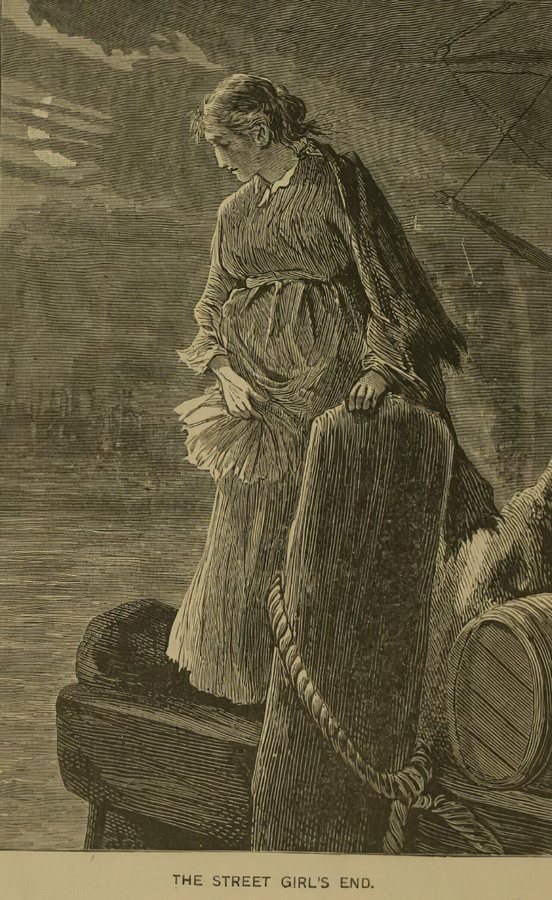


Limiting access to common suicide methods, known as method restriction or lethal means reduction, is considered an effective way to reduce deaths in the short and medium term. Examples include restricting access to pesticides, firearms and commonly used drugs, and installing barriers on bridges. Method substitution, where a person turns to a different method when the first is unavailable, can limit the benefit, so restriction works best when the targeted method is common and no ready alternative exists.
Media reporting
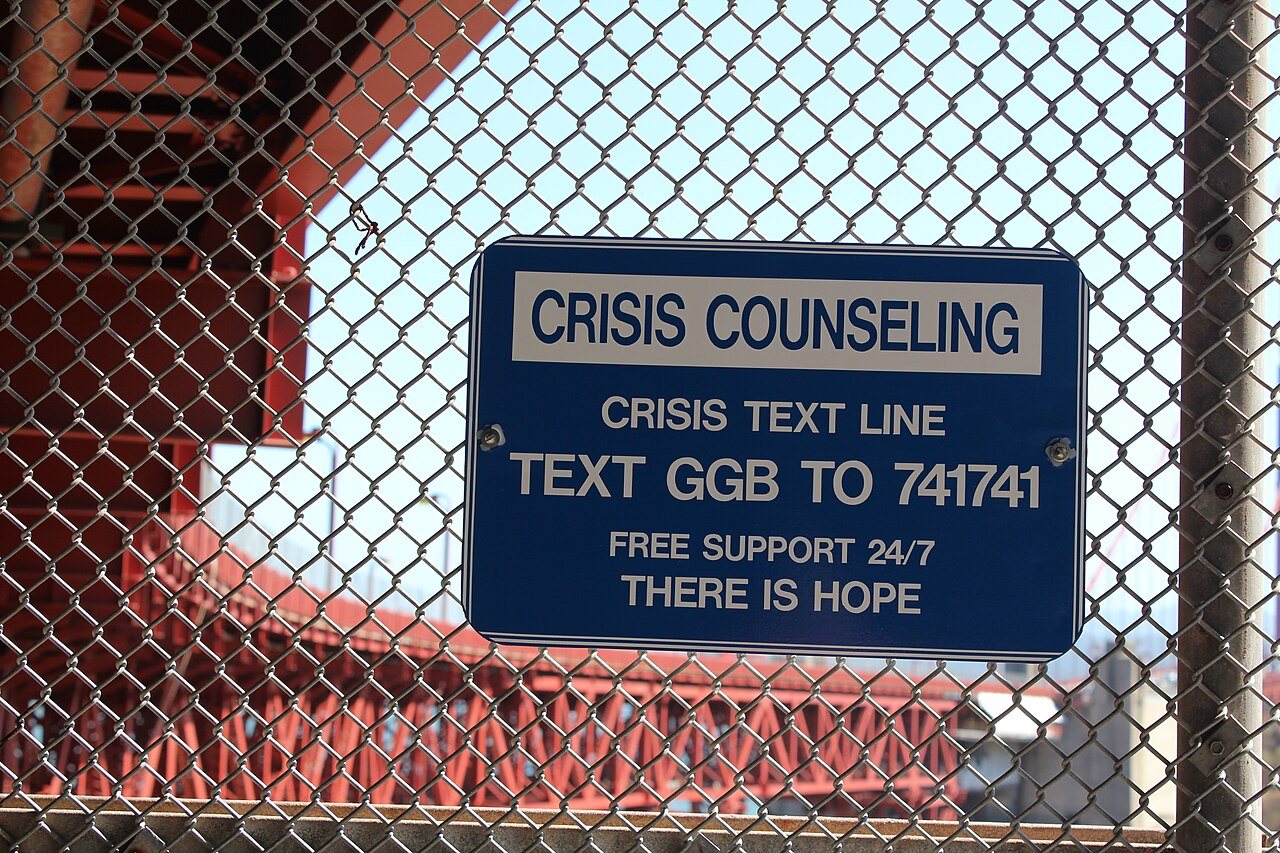


Detailed reporting on the methods used in suicides is strongly discouraged by the World Health Organization and other health bodies, because it can contribute to copycat suicides, particularly among teenagers. Reporting guidelines recommend presenting suicide as a multi-faceted, treatable health issue and linking readers to crisis lines and information about risk factors.