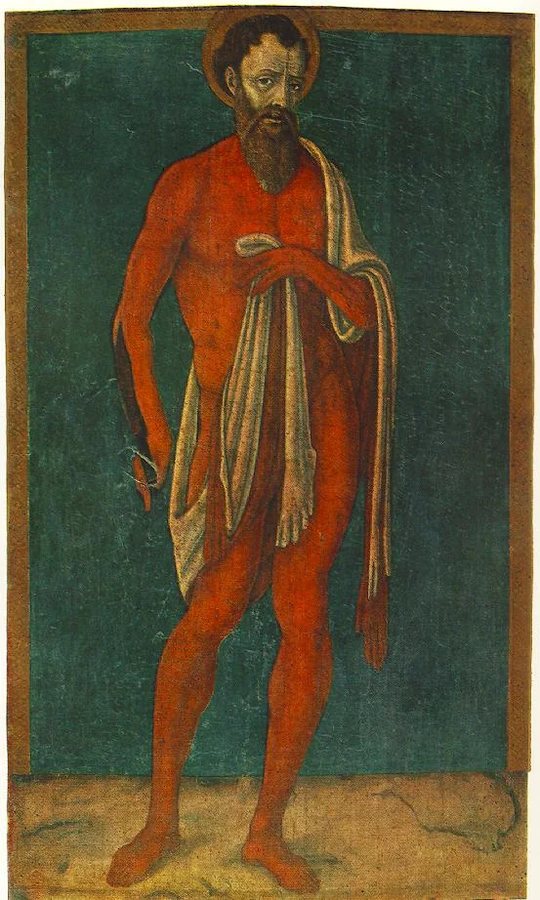
Bartholomew the Apostle was a first-century presbyter and one of the twelve apostles of Jesus. Often identified with Nathanael, his name is derived from Aramaic, meaning the son of Tolmai. He is recognized for his extensive missionary work across various regions, including India and Armenia. According to tradition, he played a vital role in spreading the Christian faith, eventually facing martyrdom in Albanopolis, where he was executed for his religious convictions.
Missionary work


Following the Ascension, Bartholomew traveled extensively to spread the Gospel. Historical traditions suggest he conducted missionary journeys in India, Mesopotamia, and Parthia. He is also credited with bringing Christianity to Armenia alongside Jude Thaddeus. Some accounts claim he traveled through Ethiopia, where he reportedly converted a local monarch and performed miracles before facing opposition from those adhering to older religious practices.
Martyrdom and death
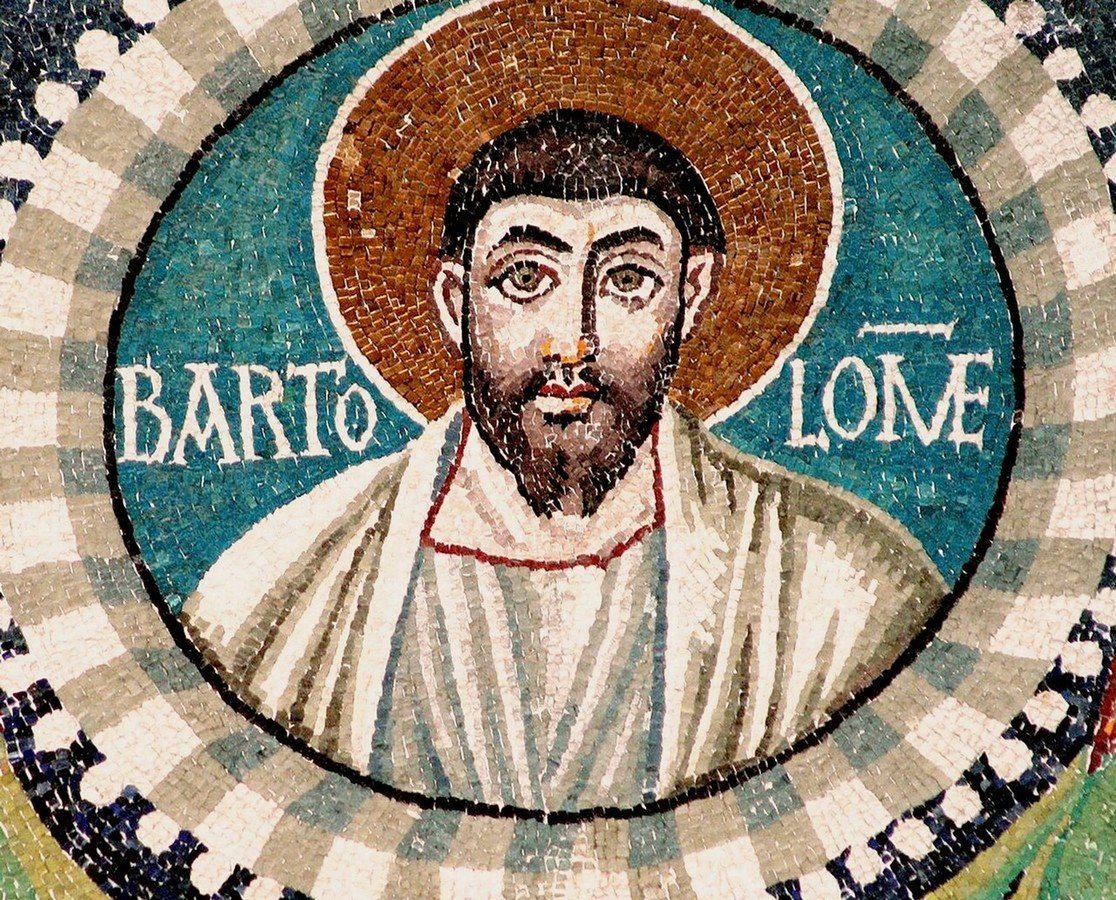
Bartholomew's death is described through several different accounts. One tradition suggests he was thrown into the sea, while other reports state he was martyred in Armenia. In one version, he was executed in Albanopolis after converting a king, which angered the monarch's brother. Some accounts describe his death as a flaying, during which he continued to preach his message until the end.
Veneration and relics

He is honored by various traditions, including the Catholic, Anglican, and Orthodox churches. The Armenian Apostolic Church regards him as a patron saint. His feast days vary by calendar, occurring in August, June, or September. Relics attributed to him have been located in places such as Daras, Lipari, and Benevento, with a monastery built at his presumed site of martyrdom in Armenia.


