factograf
EN
Sign in

country in southwestern Europe with territories in Africa

Spain

Spain

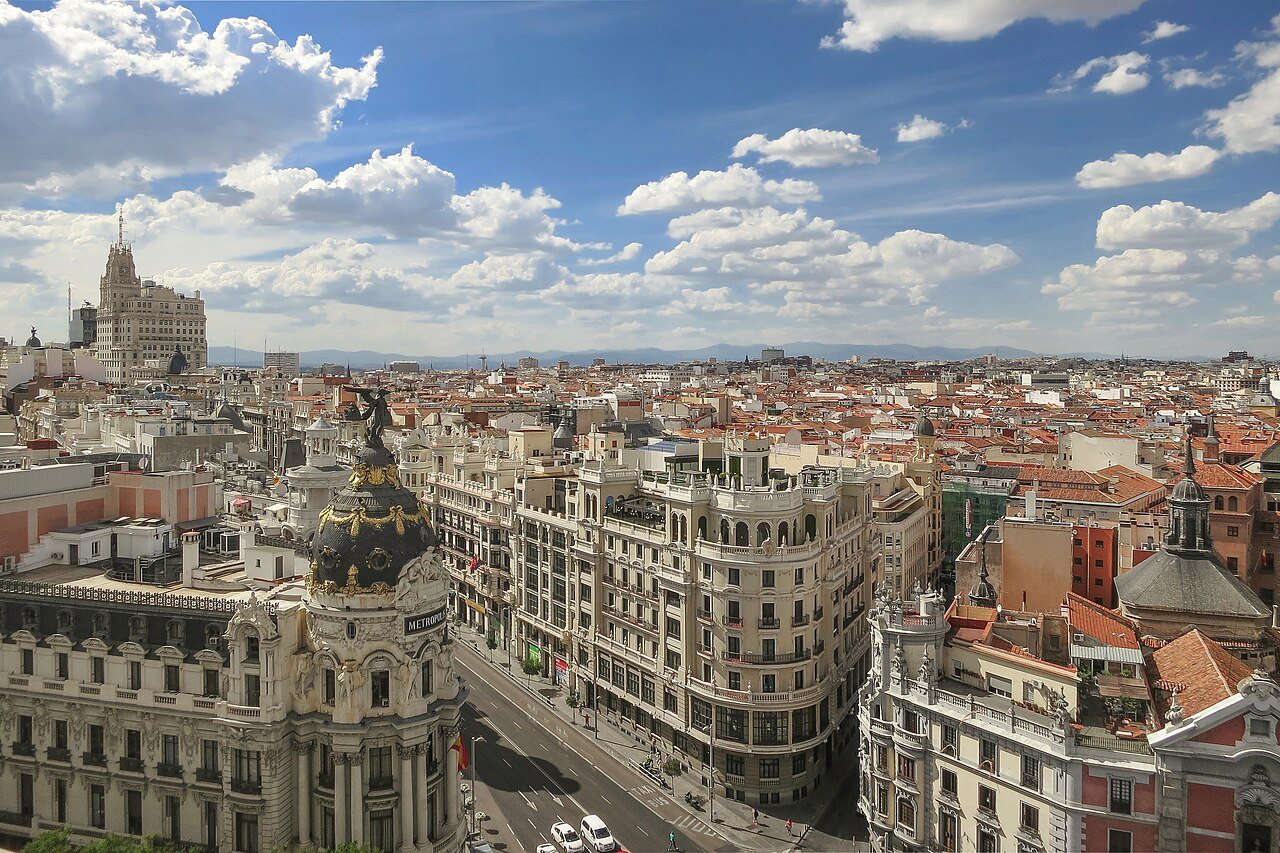
Spain, officially the Kingdom of Spain, is a country in Southern and Western Europe with territories in North Africa. It occupies most of the Iberian Peninsula and includes the Canary and Balearic Islands along with the autonomous cities of Ceuta and Melilla. Its capital and largest city is Madrid. Spain is a secular parliamentary democracy and constitutional monarchy, and it has the fourth-largest economy in the European Union. Spanish is the national official language, and several regional languages hold official status in their autonomous communities.

Early history and empire
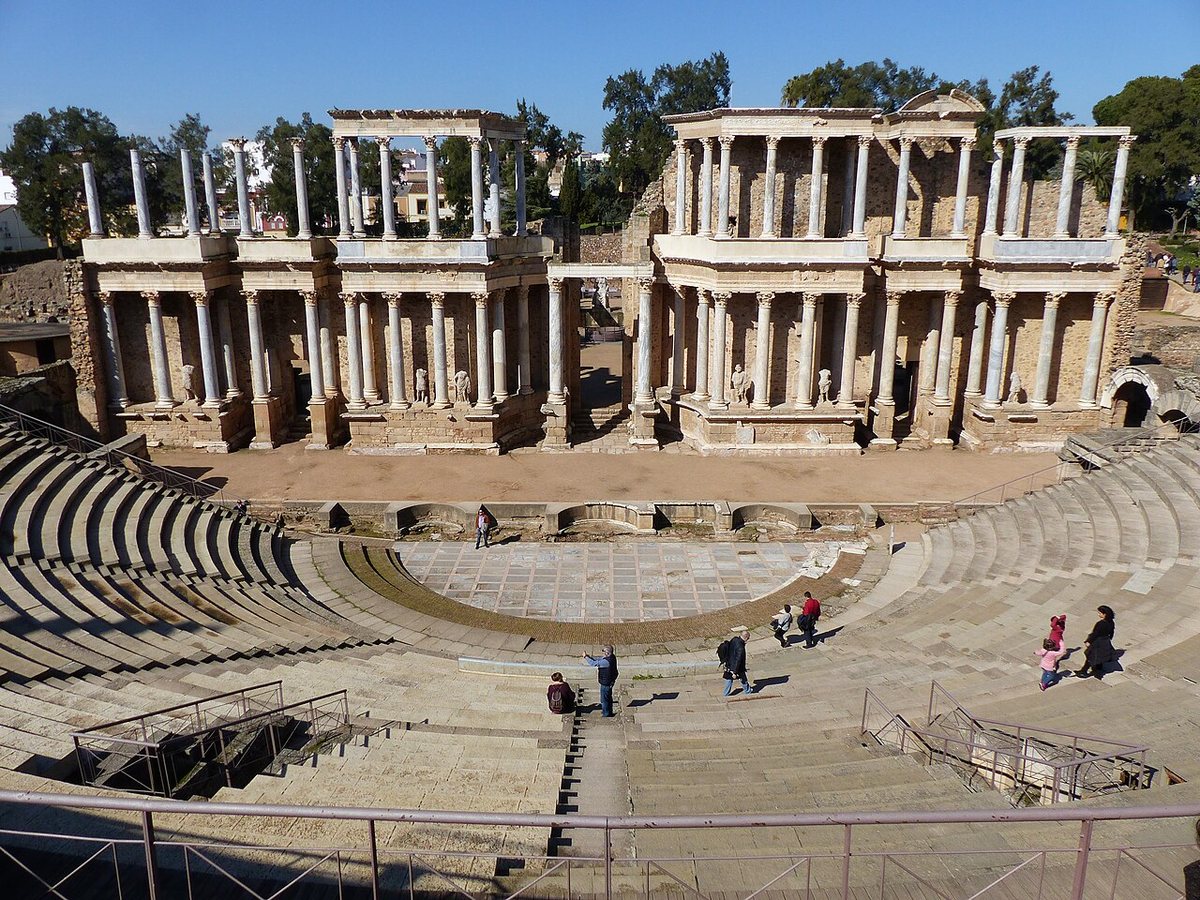
The Roman Theatre in Mérida
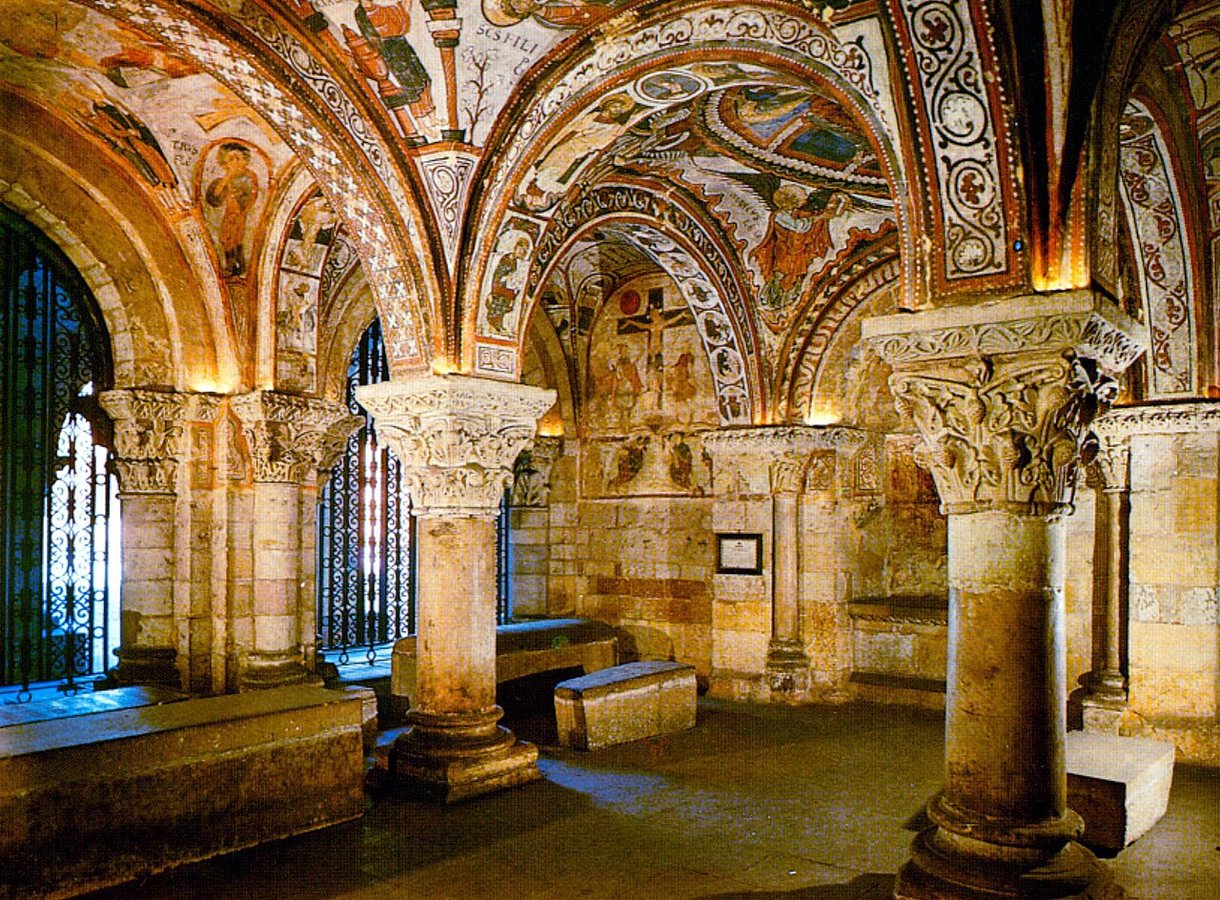
Royal Pantheon of San Isidoro, Kingdom of León
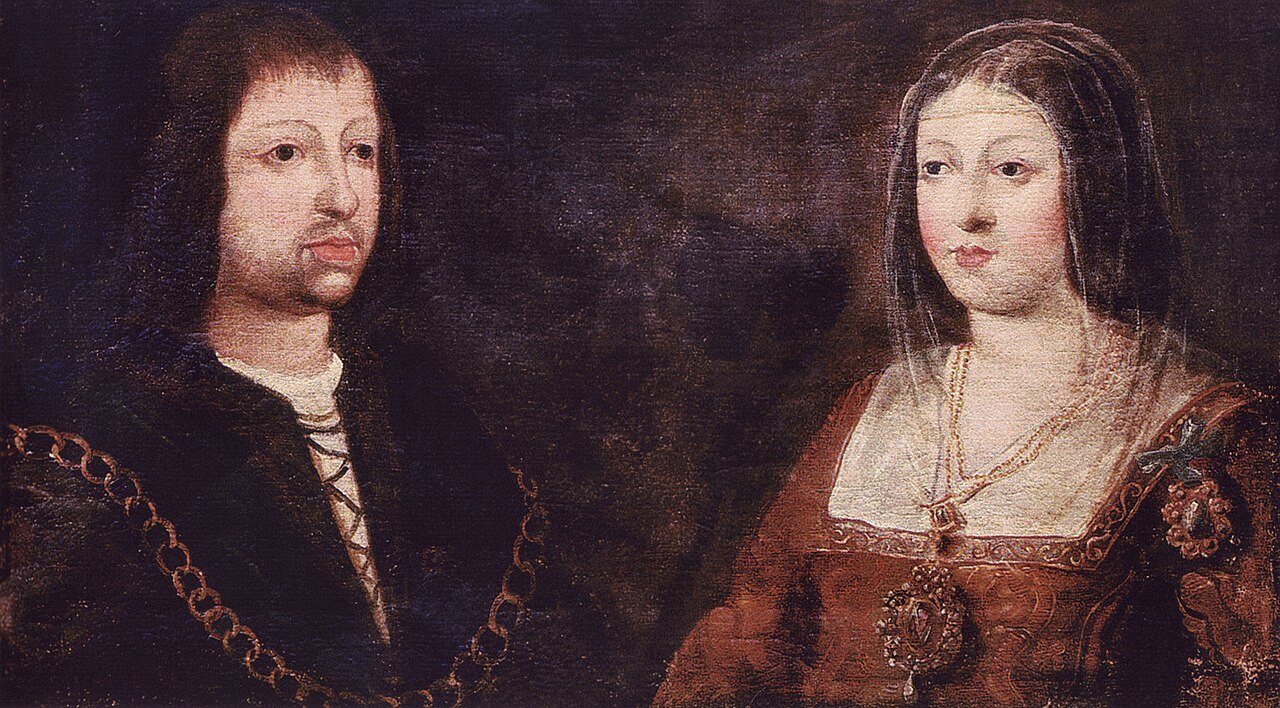
Catholic Monarchs of Spain
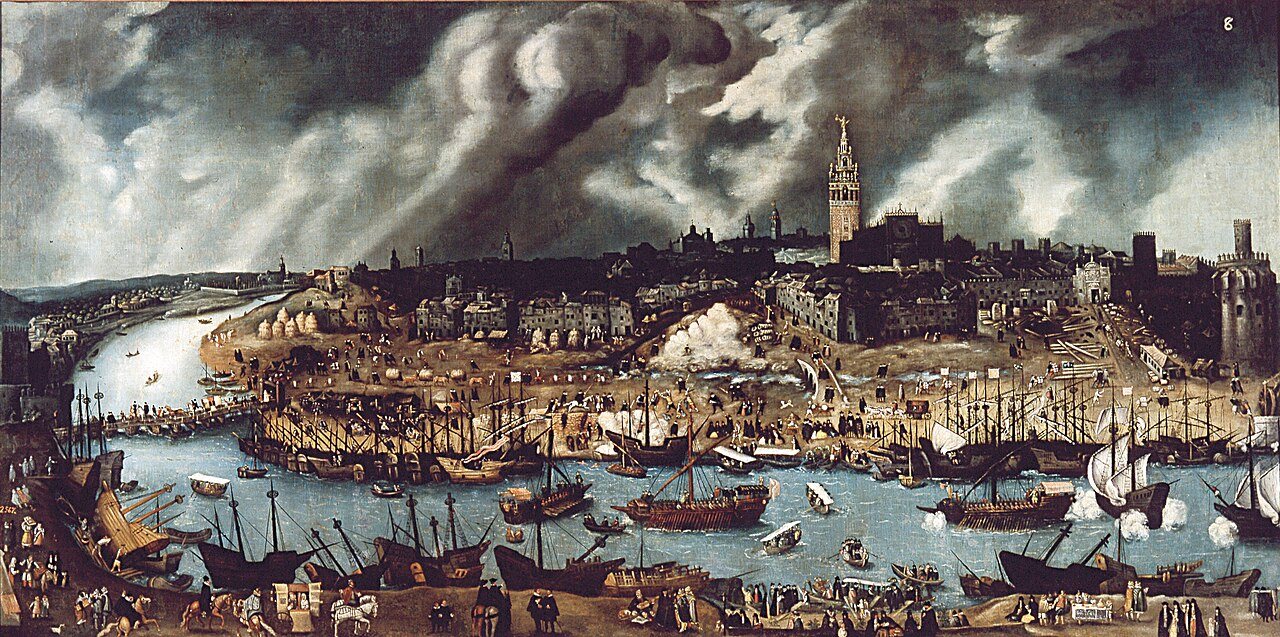
Late 16th-century Seville, the harbour enjoying the exclusive right to trade with the New World
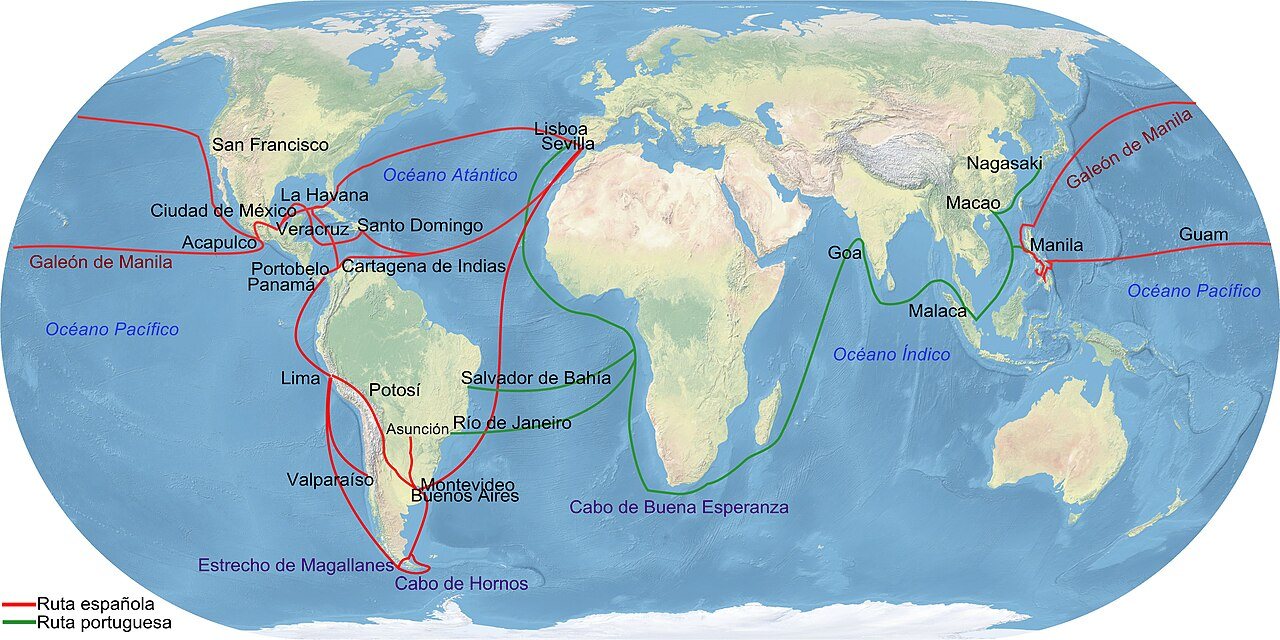
The main trade routes of the Spanish Empire
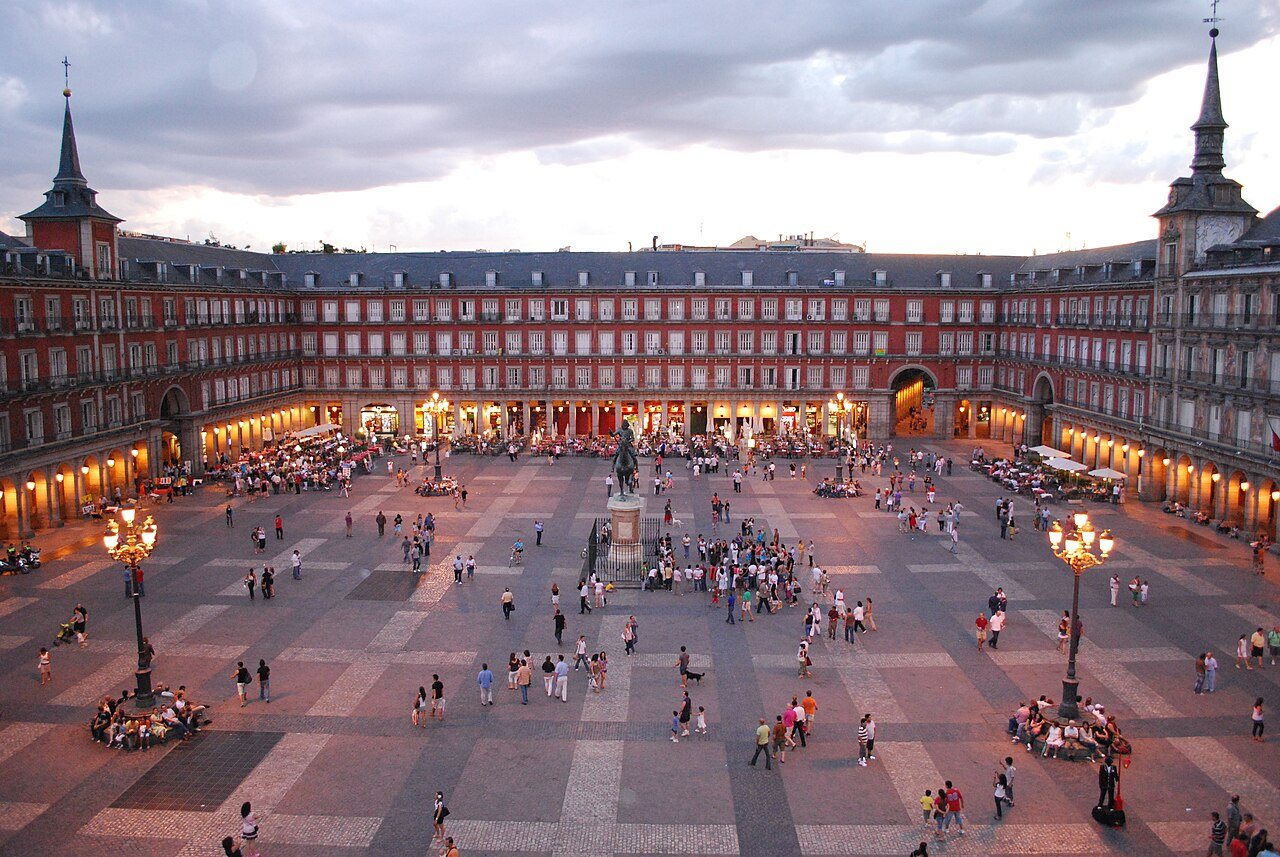
The Plaza Mayor of Madrid, built in 1619 during the reign of Philip III
The family of Philip V. During the Enlightenment in Spain a new royal family reigned, the House of Bourbon
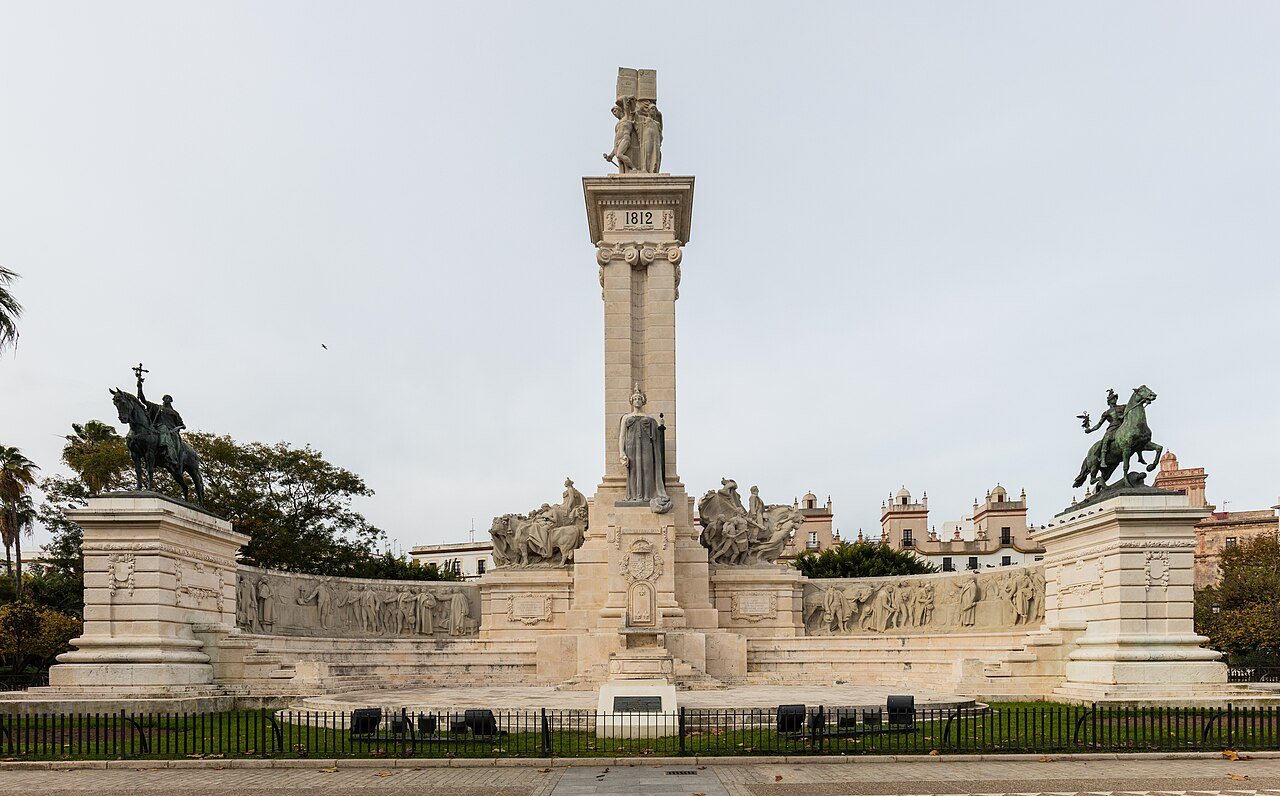
Monument to the Constitution of 1812 in Cádiz
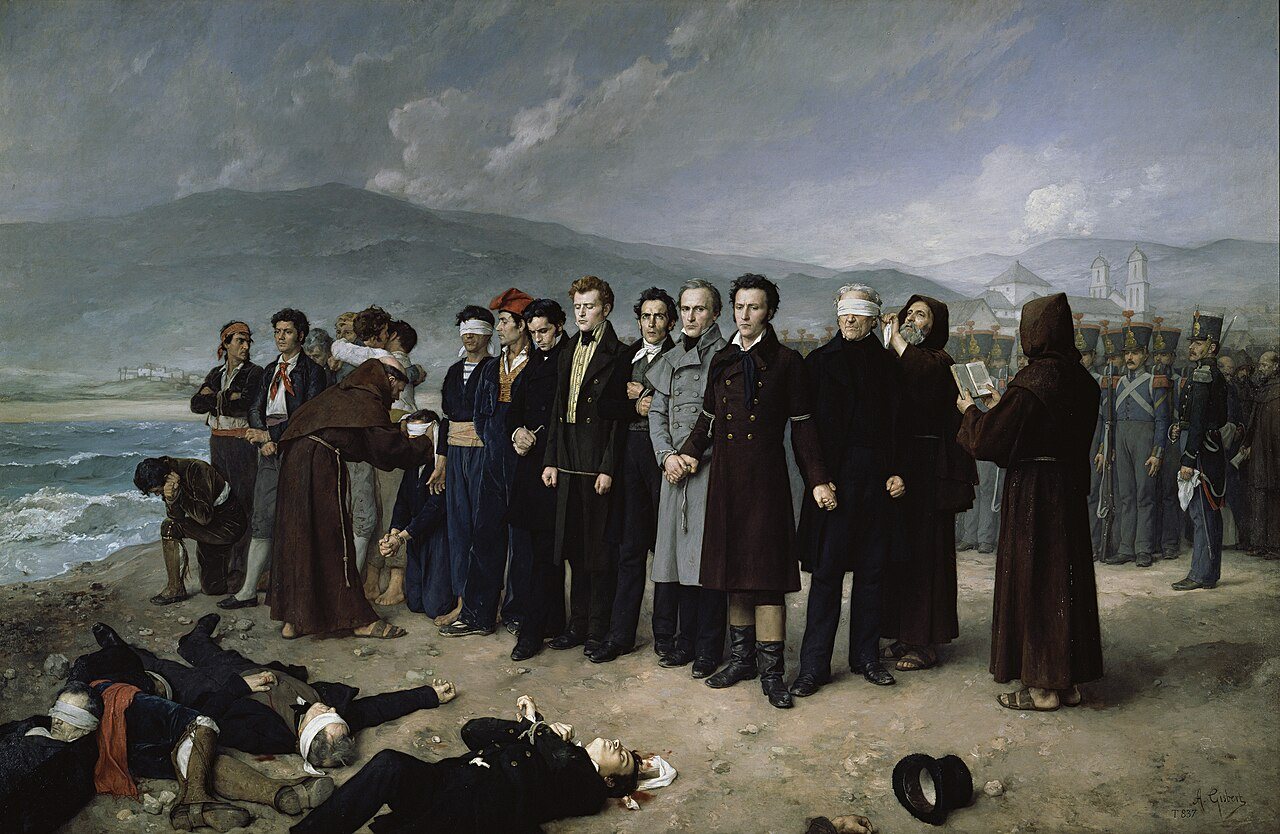
Execution of Torrijos and his men in 1831, Málaga. Ferdinand VII took repressive measures against the liberal forces in his country
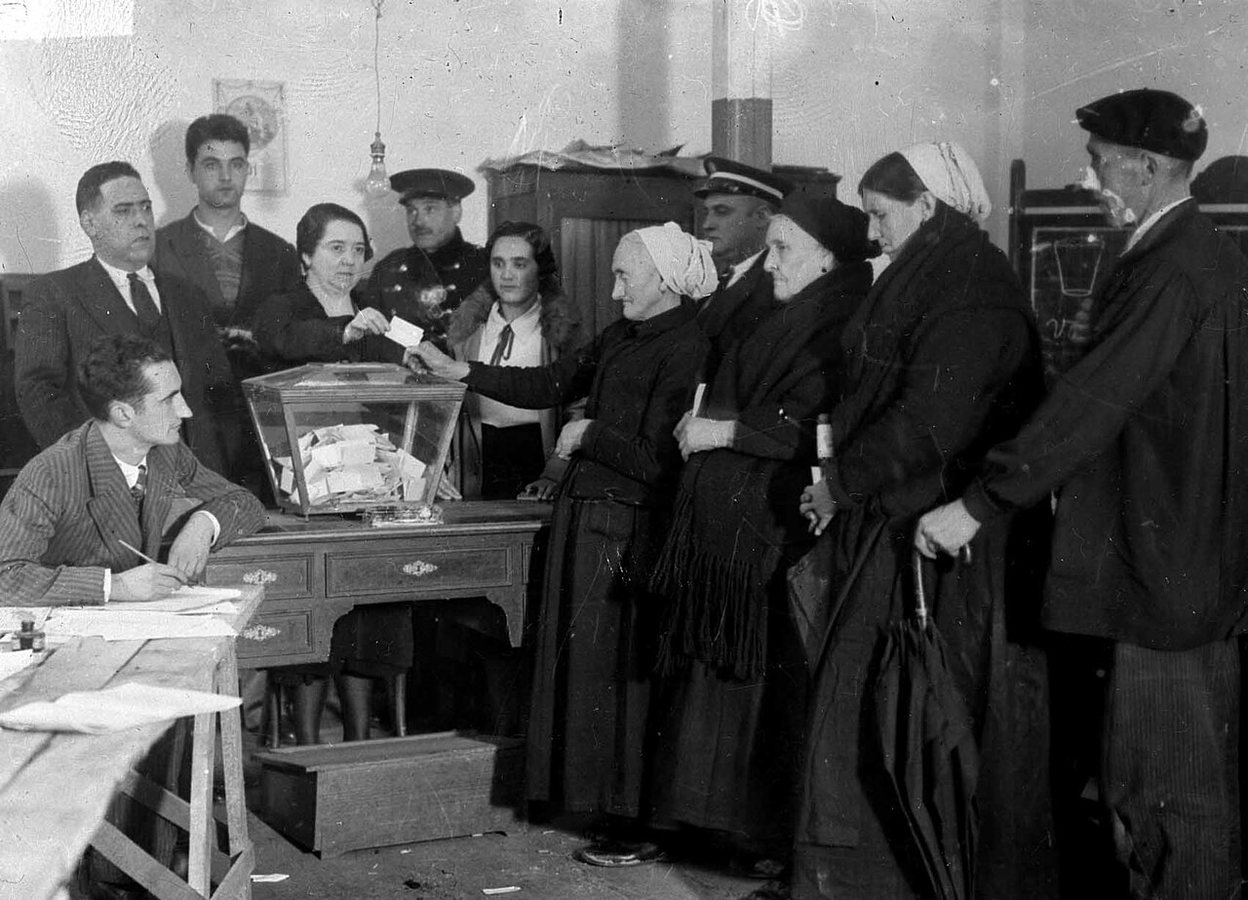
Women voting in Éibar in 1933, after women's suffrage was approved. Deputy Clara Campoamor was a key figure for the right to be granted
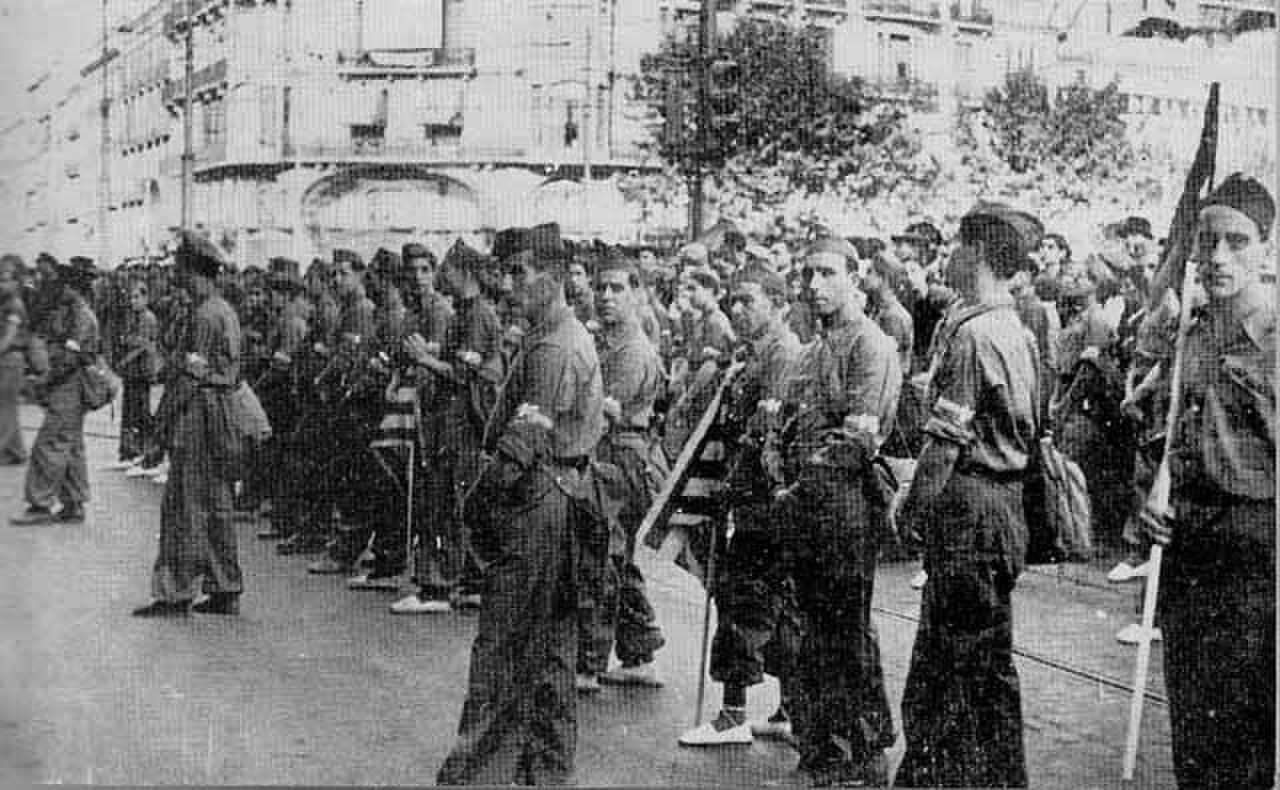
Republican volunteers at Teruel, 1936
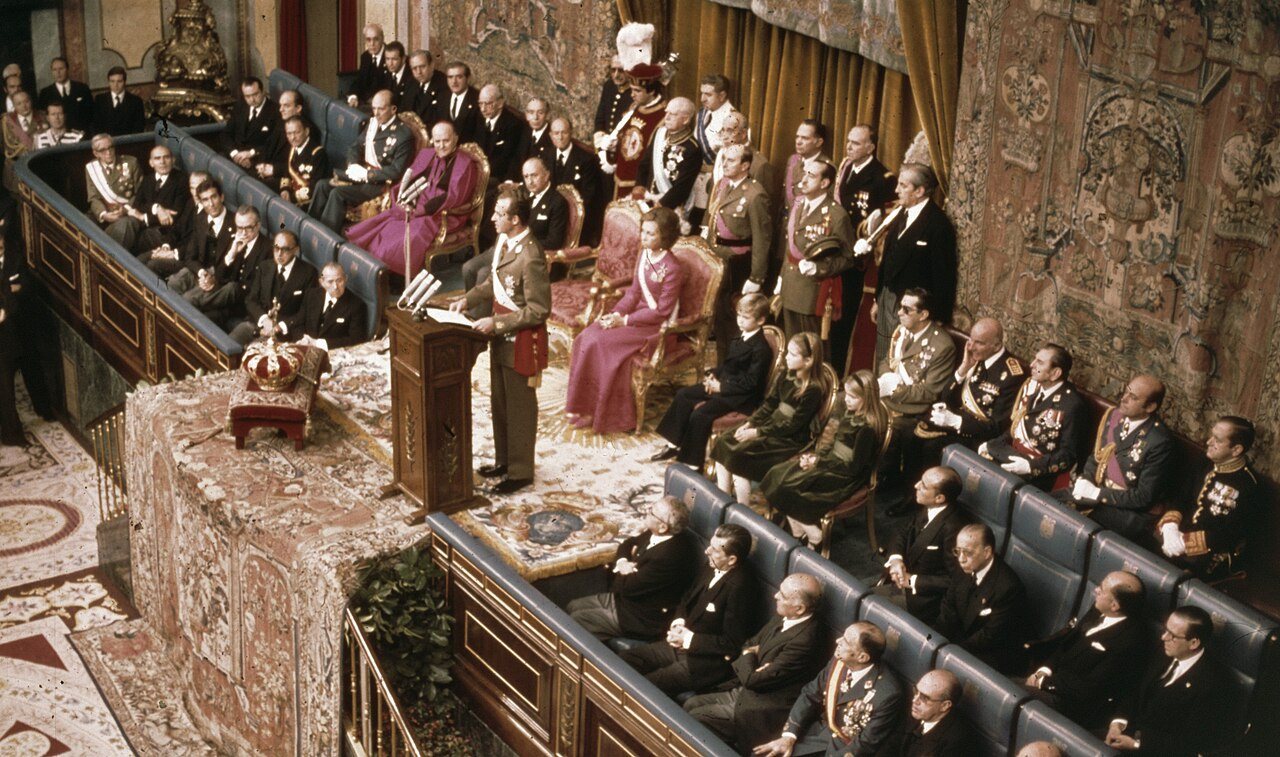
Juan Carlos I before the Cortes Españolas, during his proclamation as King on 22 November 1975
12 images

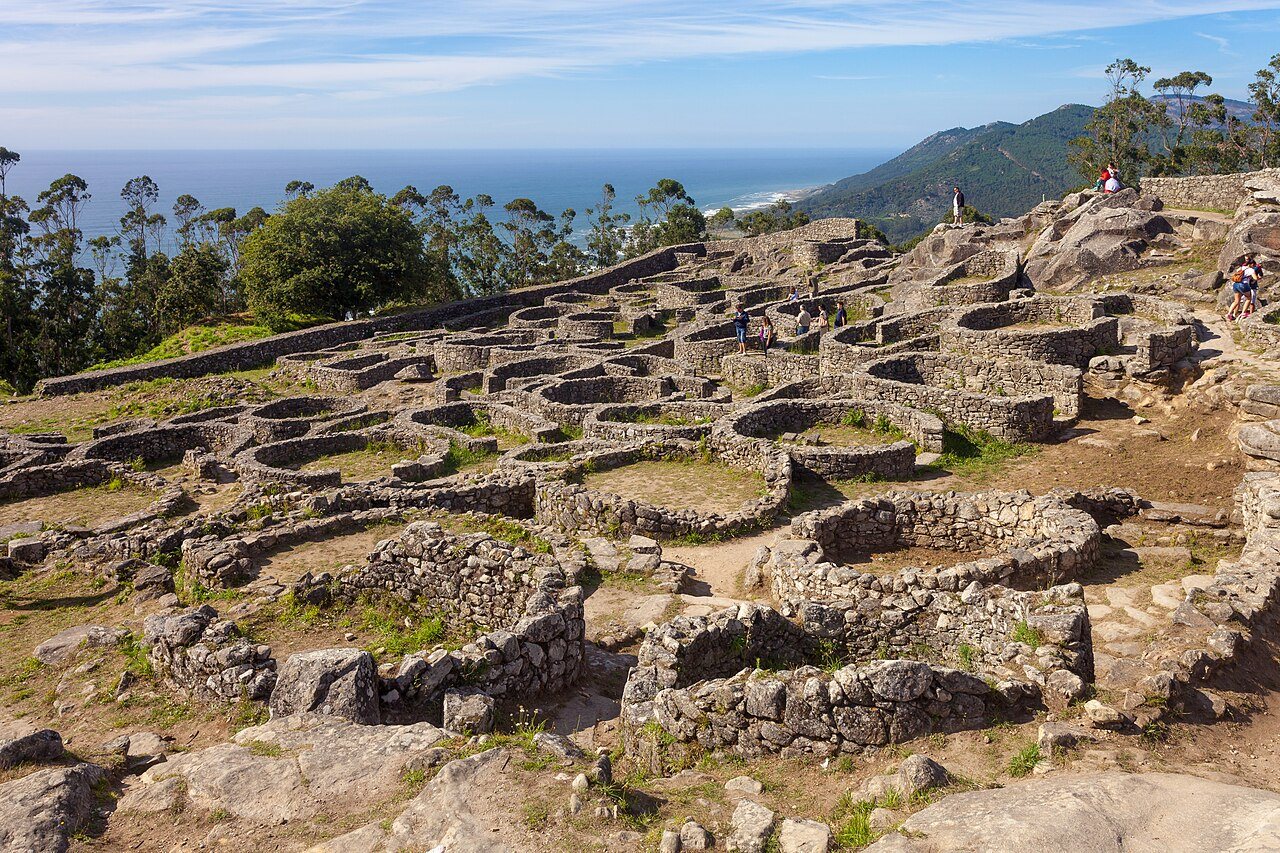
The Iberian Peninsula was inhabited by hominids long before recorded history, and later by Iberians, Celts, and Phoenician and Greek traders. The Romans conquered the region and created the province of Hispania, which gave the country its name. After Roman rule ended, Visigoths founded a kingdom centred on Toledo, and in the early 8th century the peninsula was taken by the Umayyad Empire. Christian kingdoms gradually reclaimed the territory during the Reconquista, and a dynastic union in 1479 is often seen as the beginning of Spain as a unified nation state.

Modern era

The hemicycle of the Congress of Deputies
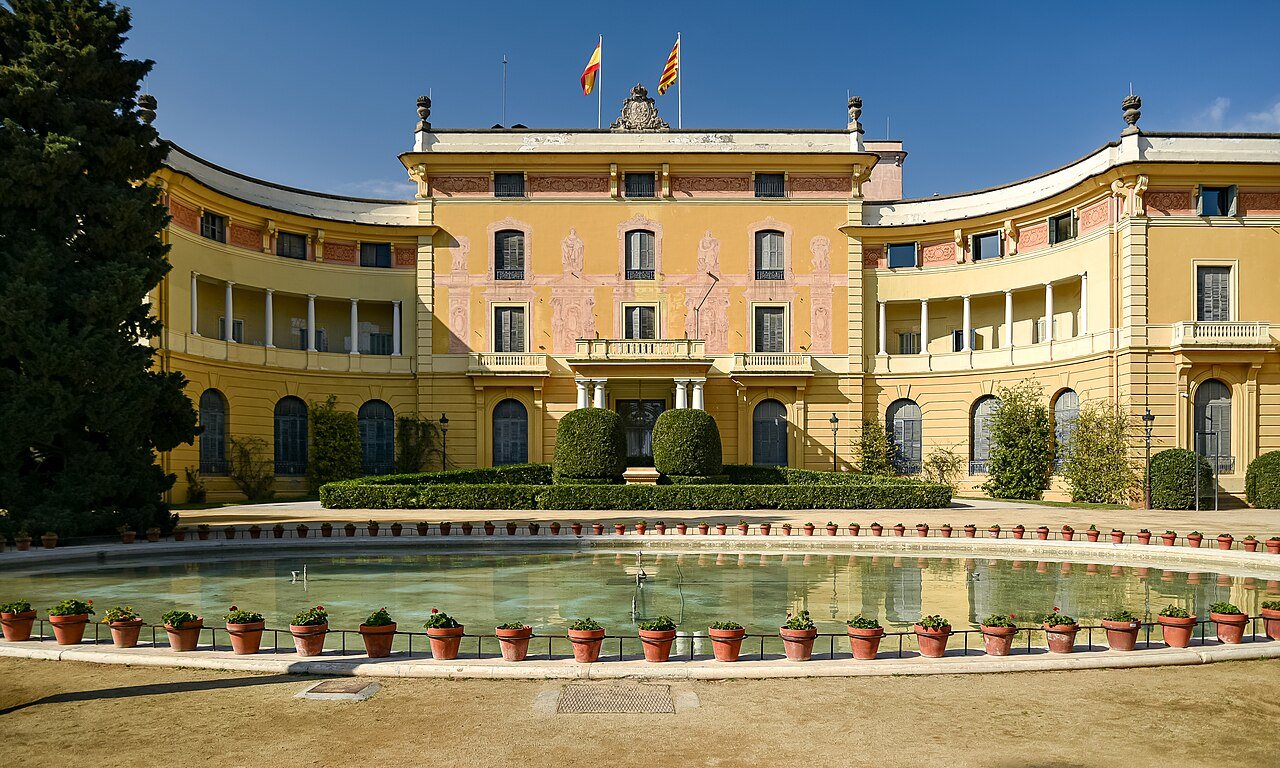
The Royal Palace of Pedralbes in Barcelona, headquarters of the Union for the Mediterranean
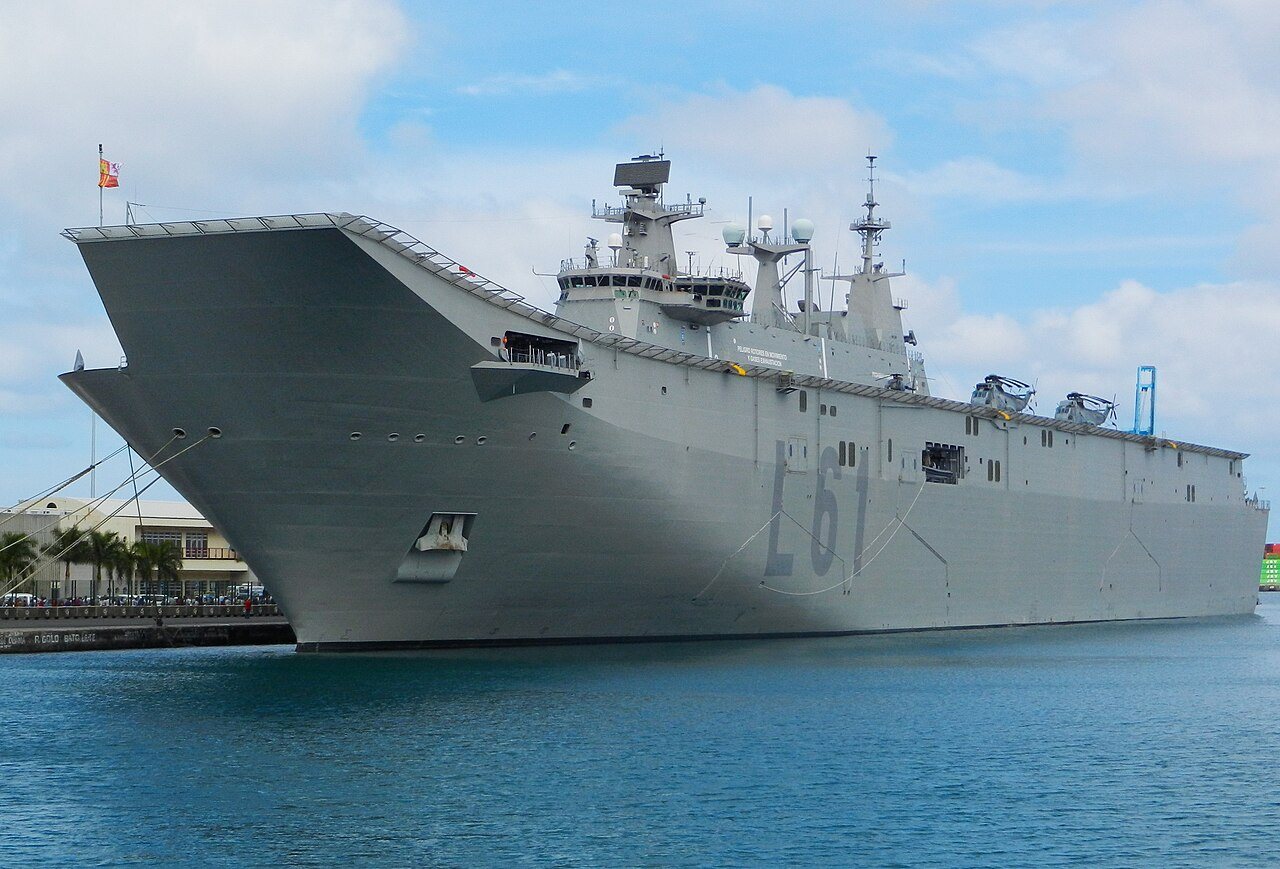
Amphibious assault ship-aircraft carrier Juan Carlos I
The Cuatro Torres Business Area in Madrid
Torre Glòries and the 22@ business district in Barcelona
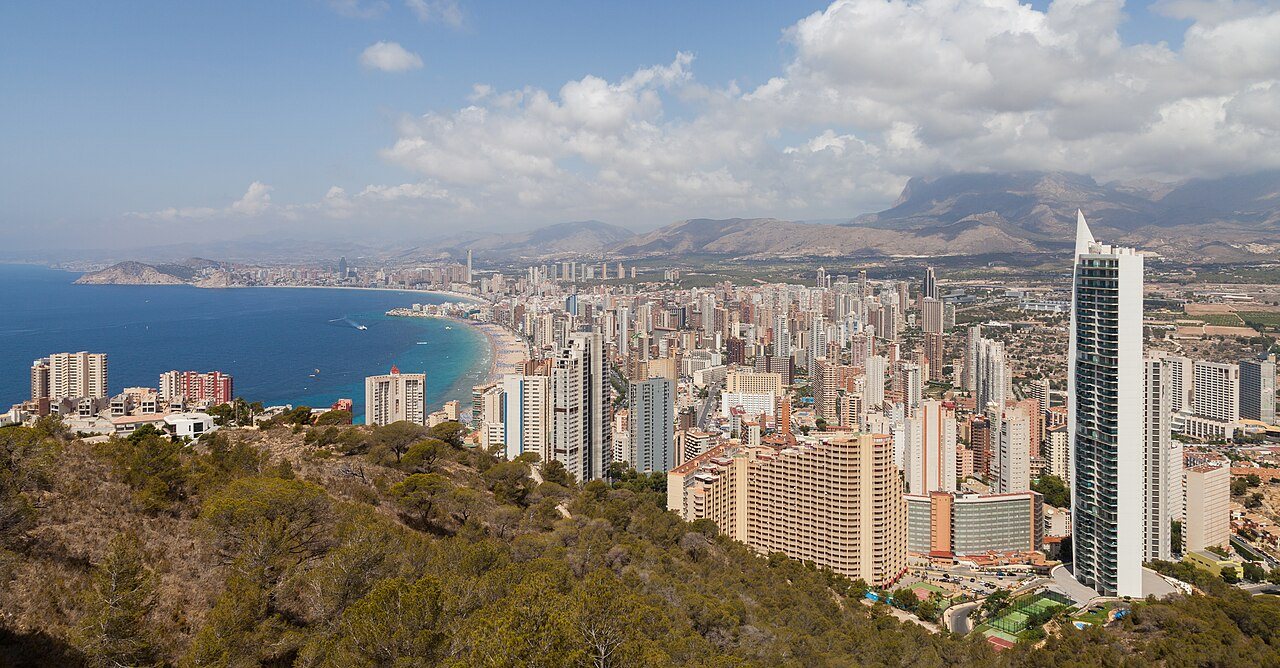
Benidorm, one of Europe's largest coastal tourist destinations
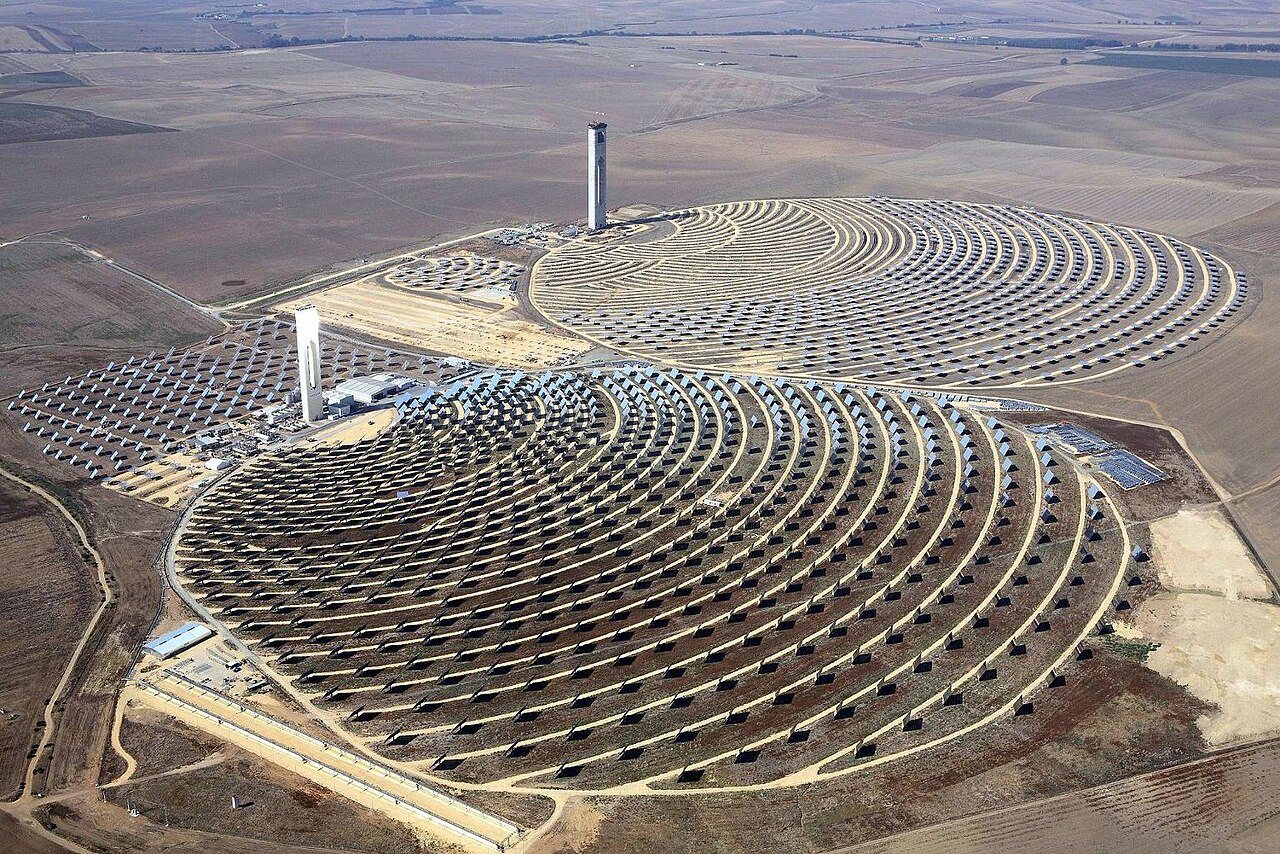
The Solucar Complex, with the PS10 Solar Power Plant in the foreground and the PS20 in the background
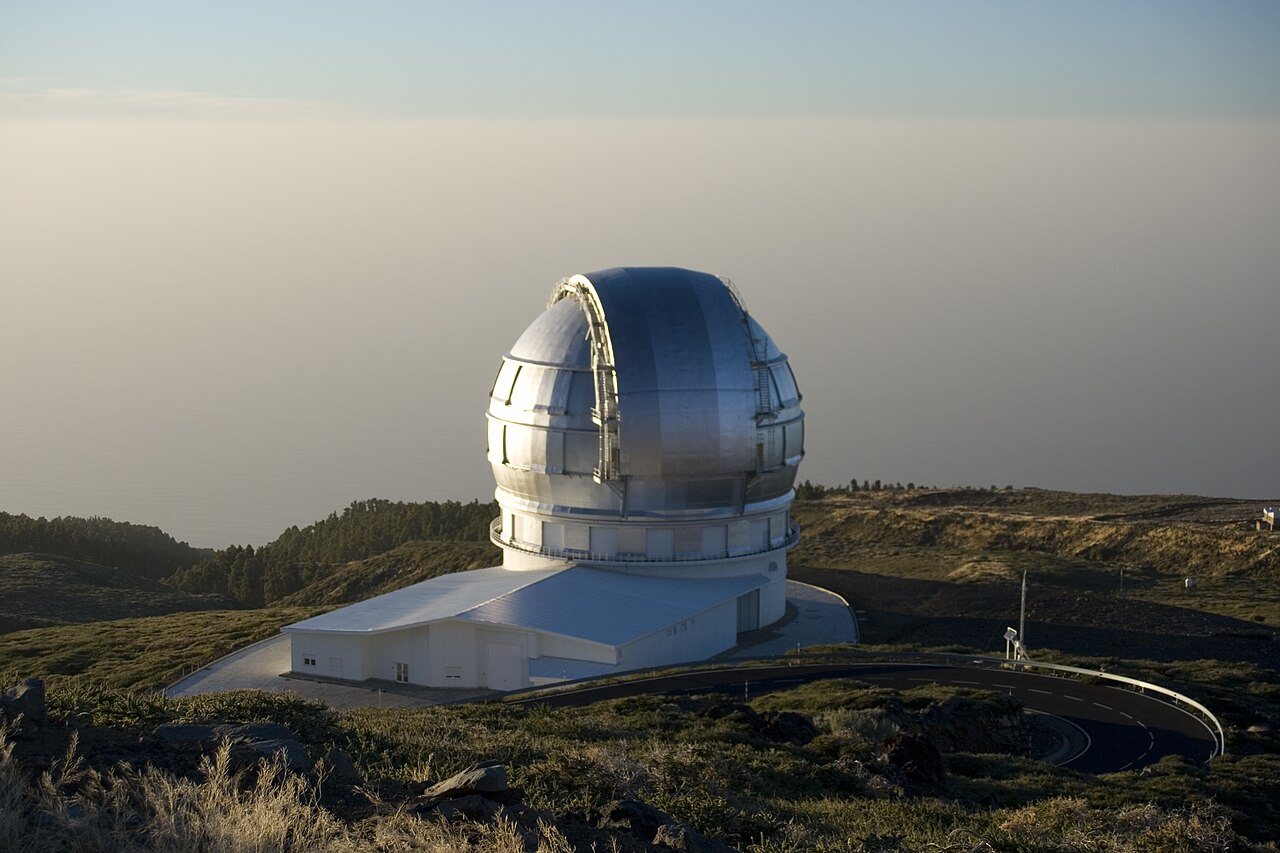
The Gran Telescopio Canarias at sunset
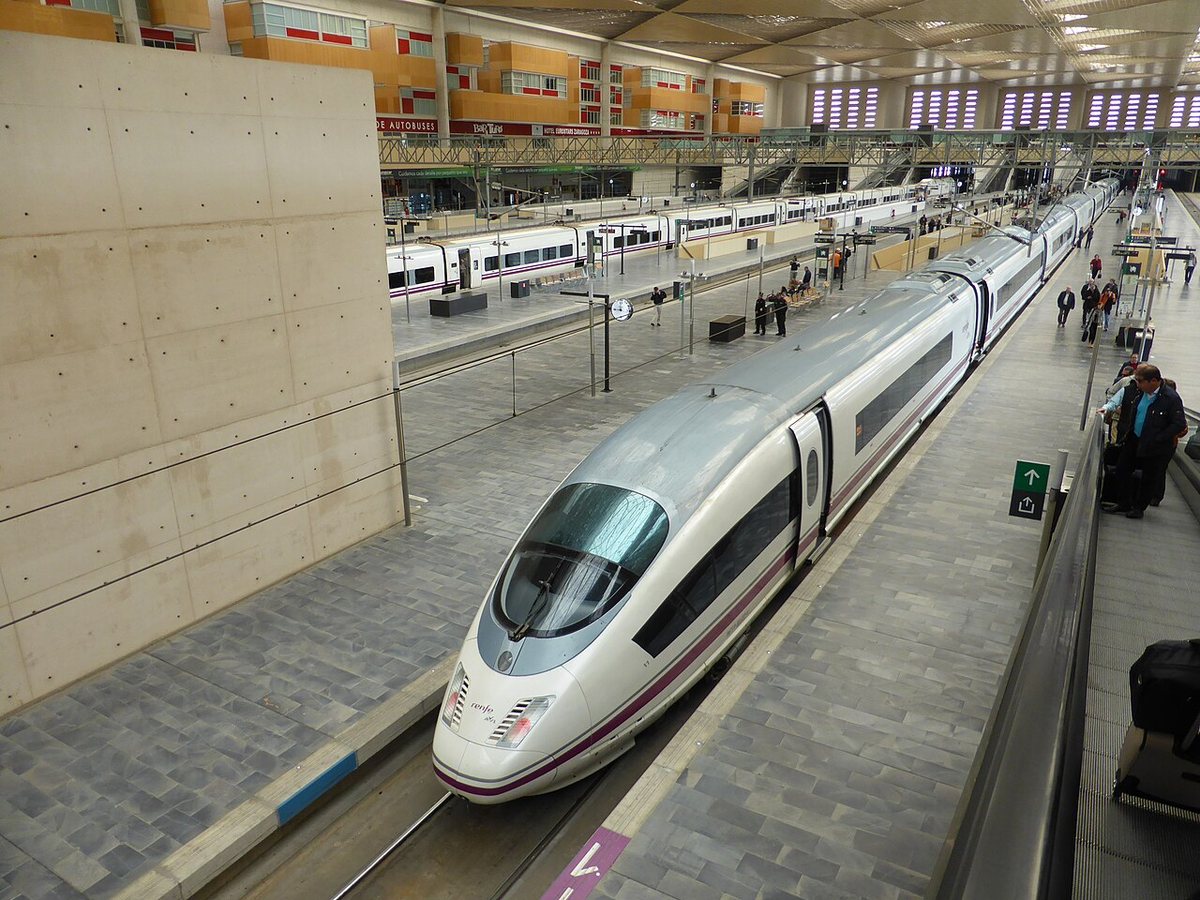
A high-speed AVE Class 103 train in Zaragoza station. Spain has the longest high-speed rail network in Europe
Distribution of the foreign population in Spain in 2005 by percentage
Madrid, the 2nd biggest metropolitan area in the European Union, is home to over a million Latin Americans
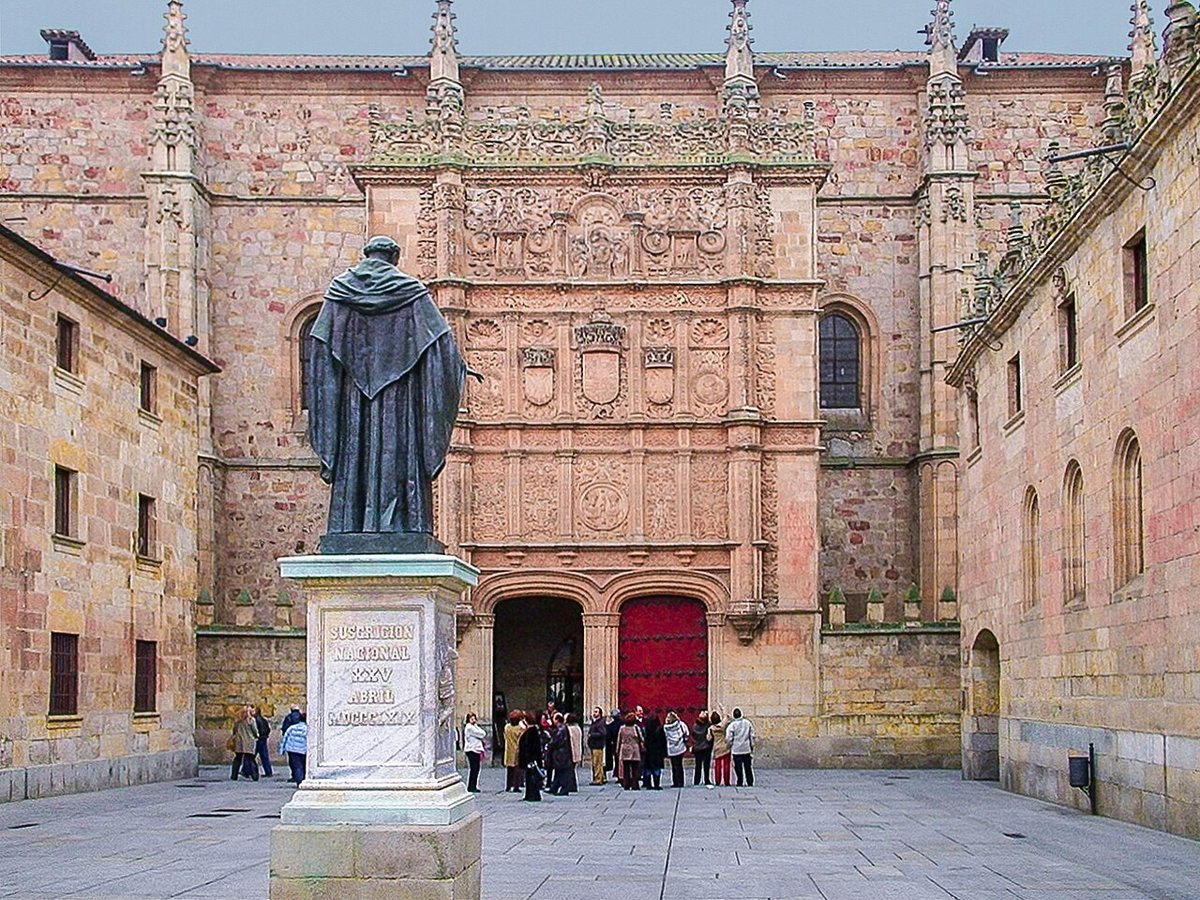
The University of Salamanca, one of the first European universities
12 images

During the Age of Discovery, Spain led the exploration and conquest of the New World and established one of the largest empires in history. Later, the Napoleonic invasion was resisted in the Peninsular War, and most American colonies were lost in the 19th century. The country endured the Spanish Civil War and a long dictatorship under Francisco Franco before becoming a parliamentary monarchy after his death in 1975.

In 309 languages

EnglishČeštinaDeutschEspañolFrançaisItaliano日本語PolskiPortuguêsРусскийУкраїнська中文AbkhazianAcehneseAdygheAfrikaansShqipAmiአማርኛOld EnglishOboloAngikaAragoneseAramaicالعربيةMoroccan ArabicEgyptian ArabicAsturianuঅসমীয়াKotavaAvaricAwadhiAymaraAzbAzərbaycanBalineseBavarianbat-smgБашҡортBikolБеларускаяBetawiБългарскиBhojpuriBislamaBlkBamanakanবাংলাབོད་སྐད་BishnupriyaBrezhonegBosanskiBtmБуряадCatalàcbk-zamCdoCebuanoНохчийнᏣᎳᎩChamorroCheyenneکوردیی ناوەندیCorsicanCrimean TatarKashubianChurch SlavicЧӑваш чӗлхиCymraegDagDanskDinkaZazaDolnoserbšćinaCentral DusunDtyDivehiརྫོང་ཁEʋegbeΕλληνικάEmlEsperantoEestiEuskaraExtremaduranفارسیPulaarfiu-vroSuomiFijianFøroysktArpitanNorthern FrisianFurlanFryskGagauzGan ChineseGaeilgeGcrGàidhligGilakiGalegoGuaraniकोंकणीGothicGpeWayuuગુજરાતીGaelgHakka ChineseHausaʻŌlelo HawaiʻiעבריתFiji Hindiहिन्दीHrvatskiHornjoserbšćinaHaitian CreoleMagyarՀայերենHywInterlinguaIbanBahasa IndonesiaInterlingueIgboInupiaqIlokoIngushIdoIsvÍslenskaInuktitutJamaican Creole EnglishLojbanJawaKara-KalpakTaqbaylitJjuქართულიKabardianKbpTyapKgeKongoҚазақшаខ្មែរKanuriಕನ್ನಡKomi-Permyak한국어Karachay-BalkarکٲشُرKurdî (kurmancî)KomiKernewekКыргызчаLadinoLatinLëtzebuergeschLezghianLingua Franca NovaLugandaLigureLimburgishLldLombardLingálaລາວLatgalianLietuviųLatviešuMadureseMagahiमैथिलीmap-bmsMokshaMalagasyMariMinangkabauMāoriМакедонскиമലയാളംমৈতৈলোন্МонголMnwमराठीMelayuMaltiMirandeseErzyaမြန်မာمازرونیNeapolitanNeddersass’sch (Nedderlannen)Neddersass’schनेपालीNewariNederlandsNorsk nynorskNovialNorskNrmSesotho sa LeboaNupNavajoNyanjaOccitanOloOromooଓଡ଼ିଆИронPangasinanPampangaPapiamentoਪੰਜਾਬੀPicardNaijíriá PíjinPennsylvania GermanPalatine GermanPiemontèisWestern PanjabiPonticPplپښتوRunasimiRumantschRomanyIkirundiroa-rupRoa (Tara)RomânăRusynIkinyarwandaСаха тылаᱥᱟᱱᱛᱟᱲᱤसंस्कृत भाषाSicilianuScotsSarduسنڌيDavvisámegiellaSängöⵜⴰⵛⵍⵃⵉⵜတႆးSrpski (latinica)සිංහලSkrSlovenčinaSlovenščinaAnarâškielâSamoanChiShonaSoomaaliShqipSranan TongoСрпскиSwatiSaterland FrisianSesothoBasa SundaSvenskaKiswahiliŚlōnskiSzyதமிழ்TayTetumతెలుగుТоҷикӣไทยትግርኛTürkmen diliFilipinoTalyshToki ponaLea fakatongaTok PisinTarokoTürkçeTsongaТатарTumbukaAkanTahitianUdmurtئۇيغۇرچەاردوO‘zbekVenetoVepsVendaTiếng ViệtWest FlemishVolapükWarayWalloonWolofWu ChineseKalmykIsiXhosaMingrelianייִדישÈdè YorùbáVahcuenghZeelandicⵜⴰⵎⴰⵣⵉⵖⵜzh-yueIsiZulu

Редакція Factograf · Published October 14, 2026 · Partly based on Wikipedia, CC BY-SA 4.0 · Source article