factograf
EN
Sign in

former country in Eurasia (1922–1991)

Soviet Union

Soviet Union

The Soviet Union, officially the Union of Soviet Socialist Republics (USSR), was a transcontinental country spanning much of Eurasia from its formation in 1922 until its dissolution in 1991. It was the world's third-most populous country and the largest by area, governed by the Communist Party under Marxism–Leninism through soviet councils. Its capital and largest city was Moscow. As one of the world's two superpowers, it played a central role in twentieth-century global politics, including World War II and the Cold War.

Origins and Stalin era

Aral Sea in 1964 compared with August 25, 2026
The Grand Kremlin Palace, seat of the Supreme Soviet of the Soviet Union, 1982
Nationalist anti-government riots in Dushanbe, Tajikistan, 1990
Gerald Ford, Andrei Gromyko, Leonid Brezhnev and Henry Kissinger speaking informally at the Vladivostok Summit in 1974
Mikhail Gorbachev and George H. W. Bush signing bilateral documents during Gorbachev's official visit to the United States in 1990
Soviet propaganda poster denouncing "social fascism," 1932.
Joseph Stalin and Joachim von Ribbentrop shaking hands after signing the Molotov–Ribbentrop Pact in August 1939.
Structure of the Union of the Soviet Socialist Republics (1925)
A medium-range SS-20 non-ICBM ballistic missile; its Soviet deployment in the late 1970s launched a new arms race in Europe when NATO responded by deploying Pershing II missiles in West Germany, among other things
The Soviet Union compared with other countries by nominal GDP per capita in 1965, based on a West German school book (1971)(citation needed)
The DneproGES, one of many hydroelectric power stations in the Soviet Union and a symbol of Soviet economic progress
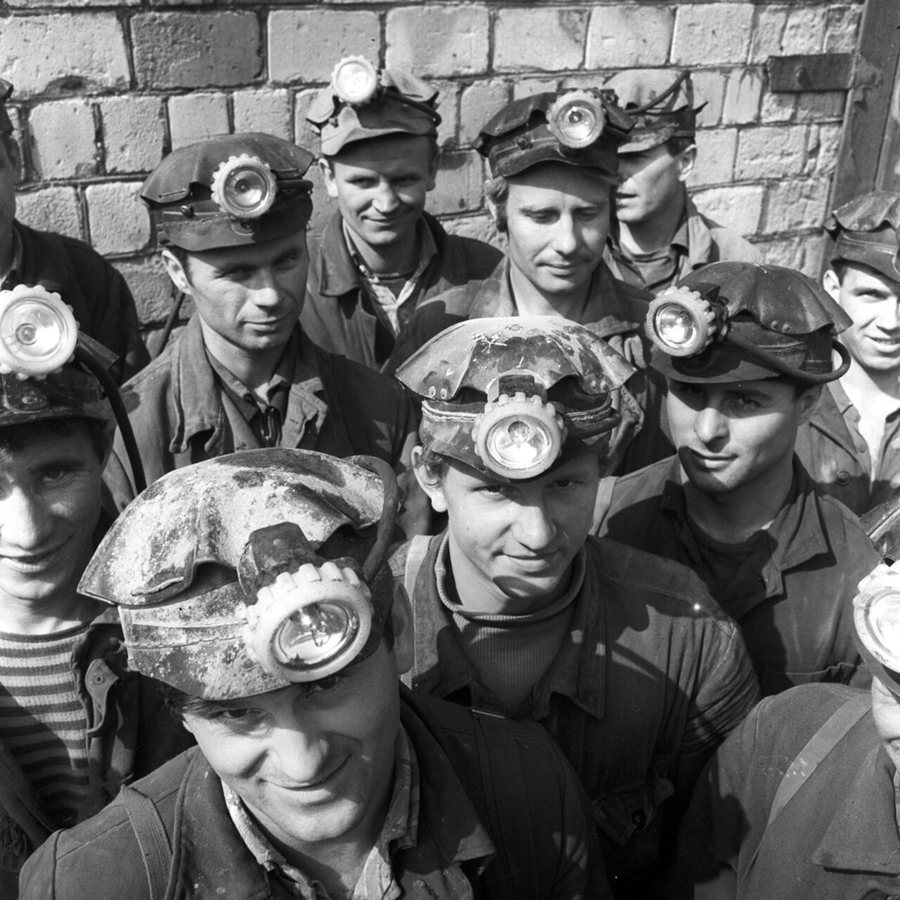
Workers of the Salihorsk potash plant, Belarus, 1968
12 images

The Soviet Union grew out of the October Revolution of 1917, which brought Vladimir Lenin's government to power and established the Russian SFSR, the world's first constitutionally communist state. After the Bolshevik victory in the Russian Civil War, the republics were merged into the Soviet Union in 1922. Following Lenin's death, Joseph Stalin became the country's dominant ruler. His policies of rapid industrialization and forced collectivization brought growth but also a famine in the 1930s that killed millions, and a period of purges and forced labour camps.

World War II and Cold War

Ethnic map of the USSR, 1930
Ethnic groups of the Soviet Union before 1939, from the Digital Public Library of America
Ethnic map of the USSR, 1941
Ethnic compositions of the U.S.S.R., from the Digital Public Library of America
Map of the ethnic groups of the Soviet Union
French map of the ethnic groups living in the USSR
Ethnic groups in the Soviet Union, from the Digital Public Library of America
Comparative Soviet nationalities by republic, 1989, from the Digital Public Library of America
An early Soviet-era poster discouraging unsafe abortion practices
The Cathedral of Christ the Saviour in Moscow during its demolition in 1931
The Saviour Church on Sennaya Square in Leningrad, one of many notable churches destroyed during the Khrushchev Thaw
A paranja burning ceremony in the Uzbek SSR as part of Soviet Hujum policies
12 images

After Germany invaded in 1941, the Soviet Union played a decisive role in defeating the Axis powers, suffering around 27 million casualties, the most of any country in the war. Afterward it extended its influence over Central and Eastern Europe. Tensions with the United States produced the Cold War, with rival military alliances, proxy conflicts and a nuclear arms race. Reforms under Mikhail Gorbachev in the late 1980s led to the collapse of the Eastern Bloc and, in 1991, the Soviet Union's dissolution into independent states.

In 229 languages

EnglishČeštinaDeutschEspañolFrançaisItaliano日本語PolskiPortuguêsРусскийУкраїнська中文AbkhazianAcehneseAdygheAfrikaansShqipአማርኛOld EnglishAragoneseالعربيةMoroccan ArabicEgyptian ArabicAsturianuঅসমীয়াKotavaAvaricAymaraAzbAzərbaycanBalineseBavarianbat-smgБашҡортБеларускаяБългарскиBhojpuriবাংলাབོད་སྐད་BishnupriyaBrezhonegBosanskiБуряадCatalàCdoCebuanoНохчийнᏣᎳᎩکوردیی ناوەندیCrimean TatarKashubianChurch SlavicЧӑваш чӗлхиCymraegDanskZazaDolnoserbšćinaCentral DusunDivehiΕλληνικάEsperantoEestiEuskaraExtremaduranفارسیfiu-vroSuomiFøroysktNorthern FrisianFurlanFryskGan ChineseGaeilgeGcrGàidhligGilakiGalegoGuaraniGothicગુજરાતીGaelgHakka ChineseHausaעבריתFiji Hindiहिन्दीHrvatskiHornjoserbšćinaHaitian CreoleMagyarՀայերենHywInterlinguaIbanBahasa IndonesiaInterlingueInupiaqIlokoIngushIdoIsvÍslenskaJamaican Creole EnglishLojbanJawaKara-KalpakTaqbaylitქართულიKabardianTyapҚазақшаខ្មែរKanuriಕನ್ನಡ한국어Karachay-BalkarکٲشُرKurdî (kurmancî)KomiKernewekКыргызчаLadinoLatinLëtzebuergeschLezghianLingua Franca NovaLigureLimburgishLldLombardລາວLatgalianLietuviųLatviešuMagahiमैथिलीMokshaMalagasyMariMinangkabauMāoriМакедонскиമലയാളംМонголMnwमराठीMelayuMaltiMirandeseမြန်မာمازرونیNeapolitanNeddersass’sch (Nedderlannen)Neddersass’schनेपालीNederlandsNorsk nynorskNovialNorskNrmOccitanOloИронPapiamentoਪੰਜਾਬੀPicardPennsylvania GermanPiemontèisWestern PanjabiپښتوRunasimiRumantschRomânăRusynСаха тылаᱥᱟᱱᱛᱟᱲᱤसंस्कृत भाषाSicilianuScotsSarduسنڌيDavvisámegiellaတႆးSrpski (latinica)සිංහලSkrSlovenčinaSlovenščinaAnarâškielâSoomaaliShqipСрпскиSaterland FrisianBasa SundaSvenskaKiswahiliŚlōnskiதமிழ்తెలుగుТоҷикӣไทยFilipinoTalyshToki ponaTürkçeТатарТываUdmurtئۇيغۇرچەاردوO‘zbekVenetoVepsTiếng ViệtWest FlemishVolapükWarayWalloonWolofWu ChineseIsiXhosaMingrelianייִדישÈdè YorùbáVahcuenghZeelandicⵜⴰⵎⴰⵣⵉⵖⵜzh-yueIsiZulu

Редакція Factograf · Published October 14, 2026 · Partly based on Wikipedia, CC BY-SA 4.0 · Source article