
Shenute was a prominent fifth-century Egyptian abbot and writer who led the White Monastery in Upper Egypt. Born in Roman Egypt, he rose to leadership following a period of spiritual crisis within his monastic community. He is recognized as a significant figure in the Coptic Orthodox Church and is venerated by several Oriental Orthodox traditions. Known for his influential literary output and his role as a defender of the poor, he played a vital part in the theological and social landscape of late antique Egypt.
Monastic leadership

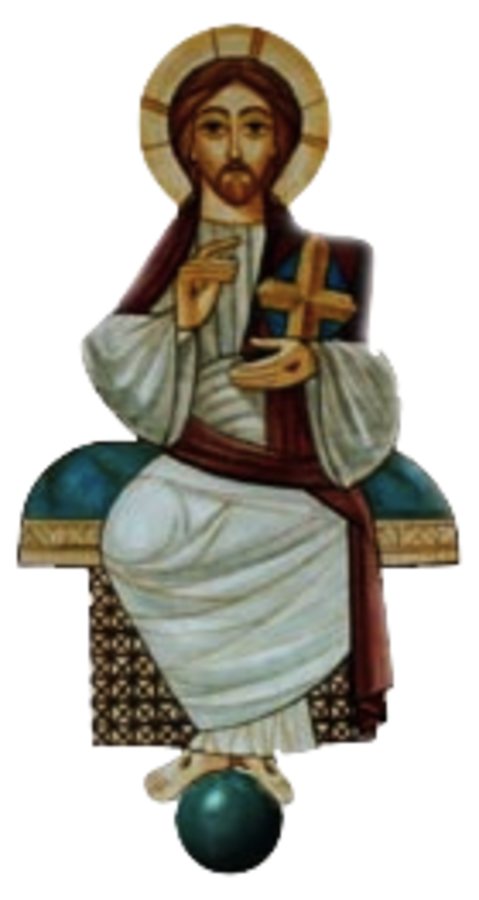
As the head of the White Monastery, Shenute established a self-sufficient community that engaged in diverse trades like metalworking, carpentry, and bookbinding. He implemented a structured system for novices, which included a strict religious covenant and a period of living outside the monastery walls. To ensure the community's growth, he emphasized literacy, encouraging both monks and nuns to study reading and manuscript writing.
Political and social influence

Shenute acted as a powerful advocate for Coptic peasants, frequently intervening against oppressive landlords and pagan influences. He used his influence to petition Roman authorities, including Emperor Theodosius I, to protect the marginalized. His religious authority was such that he accompanied Patriarch Cyril to the Council of Ephesus in 431, where he supported the Church of Alexandria in its theological disputes.
Literary legacy

He produced a vast collection of writings, constituting the largest surviving body of Coptic literature from a single author. His works, which include moral sermons, demonstrate a deep command of both Coptic and Greek. His writing style integrated extensive scriptural quotations and reflected a sophisticated understanding of Greek philosophy and various theological texts.