
Seth was the third son of Adam and Eve, born after the death of Abel. According to the Hebrew Bible, he was viewed as a replacement for his deceased brother and is considered a vital link in the lineage of humanity. As a prophet, he is recognized across several traditions for his righteousness and for receiving divine guidance. He is recorded as an ancestor of Noah and appears in the genealogy of Jesus in the New Testament.
Life and lineage
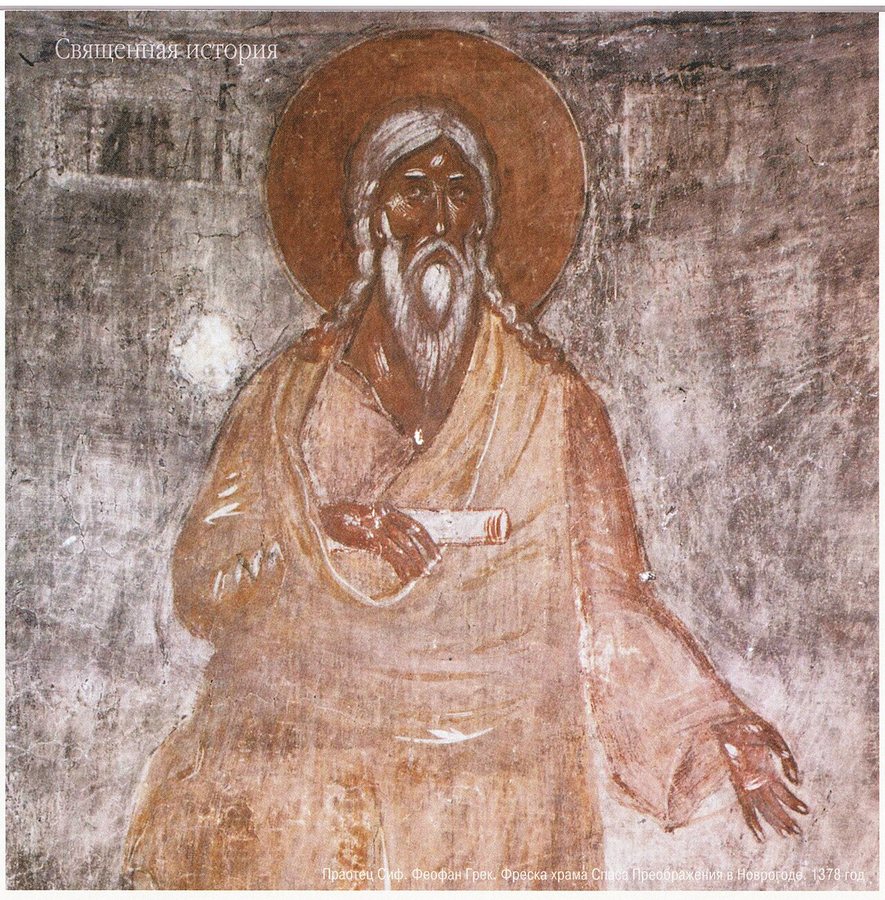
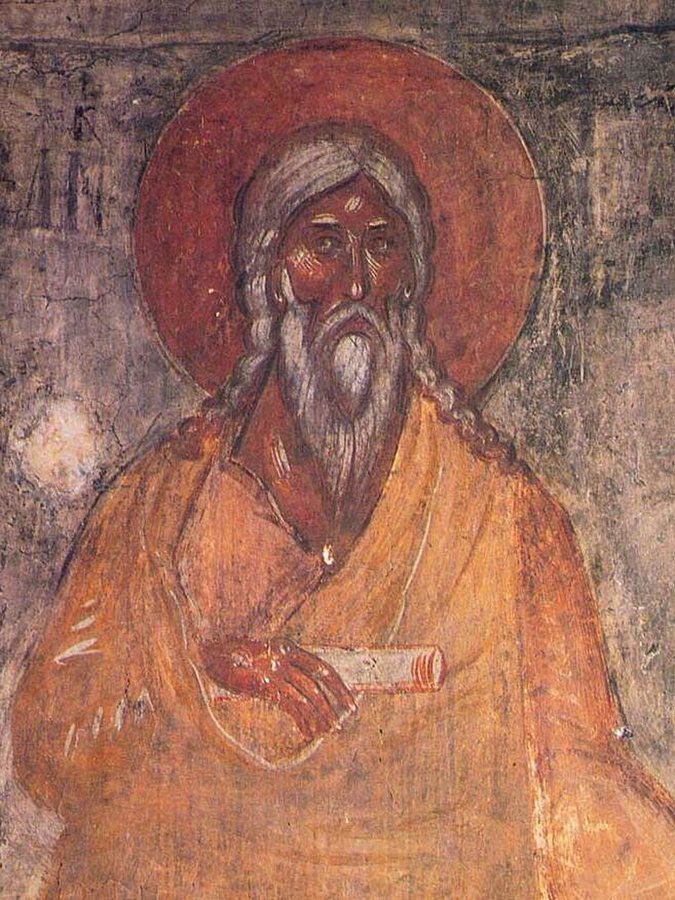
Seth lived during the antediluvian period, dying at the age of 912. In the biblical narrative, he was born when Adam was 130 years old. He is described as being in the likeness of his father. Because his brother Abel left no descendants, Seth is traditionally regarded as the forefather of all living humans following the Great Flood.
Prophetic role
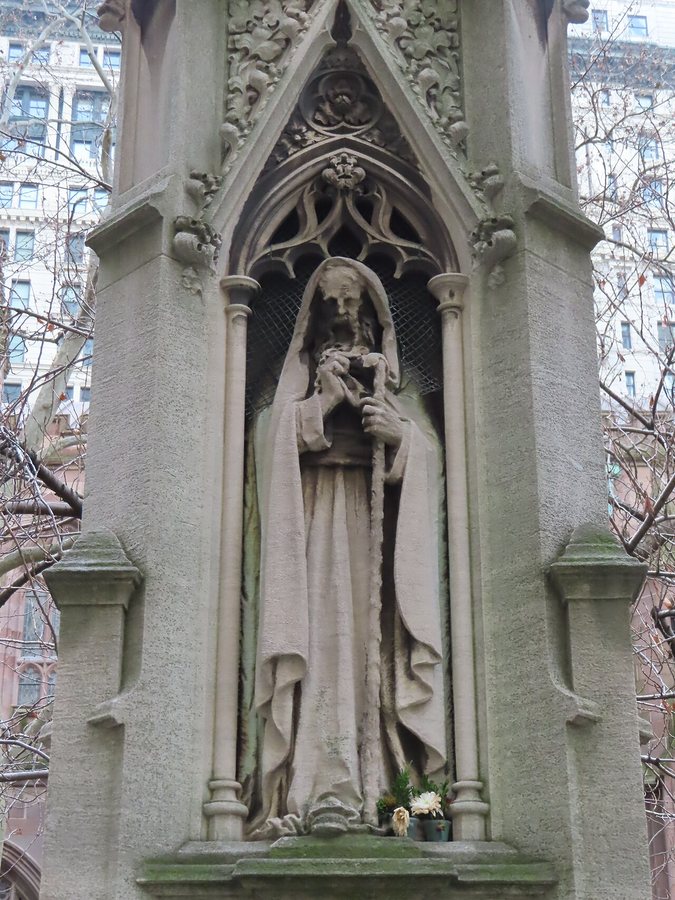
In various religious traditions, Seth is honored as a prophet. Islamic scholarship suggests he received divine law and passed it to mankind. Some accounts claim he possessed secret wisdom or scriptures. In Jewish traditions, he is associated with the transmission of profound teachings, and the historian Josephus noted that his descendants preserved scientific and astronomical knowledge through inscribed pillars.
Veneration
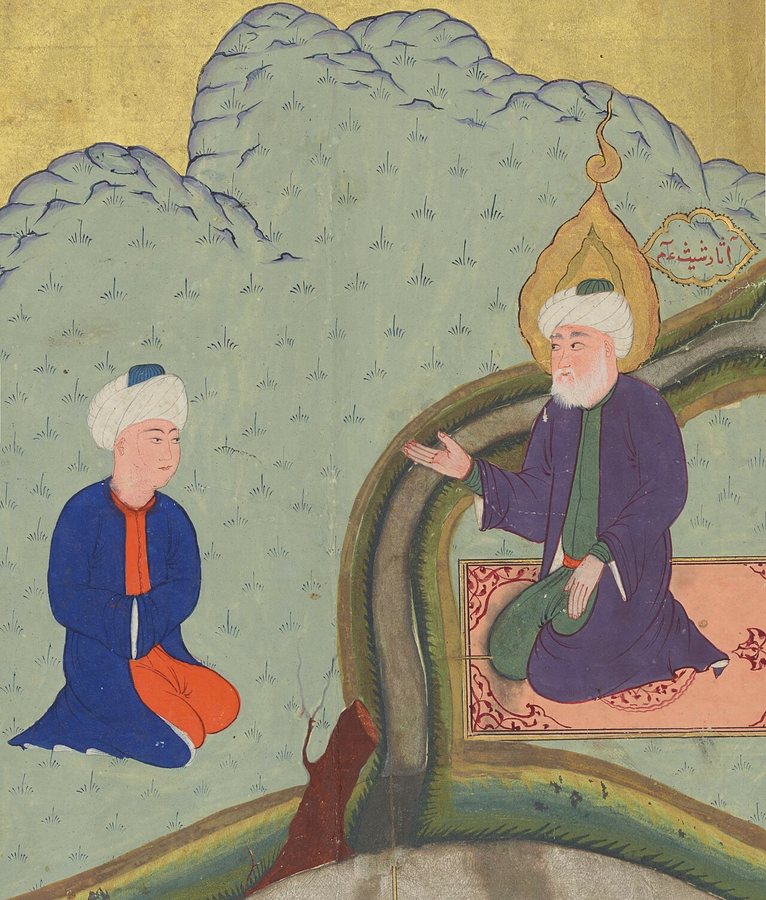
He is commemorated as a saint and one of the Holy Forefathers in the Armenian Apostolic Church, with a feast day on July 26. Other traditions observe his feast on July 27. His legacy persists through his inclusion in the genealogies of the Abrahamic faiths and his role as a righteous patriarch in Islamic and Jewish thought.