factograf
EN
Sign in

federated state of Germany

Saxony

Saxony

Saxony, officially the Free State of Saxony, is a landlocked state of Germany bordering Brandenburg, Saxony-Anhalt, Thuringia and Bavaria, as well as the Czech Republic and Poland. Its capital is Dresden and its largest city is Leipzig. With an area of 18,450 square kilometres and more than 4 million inhabitants, it is the tenth largest of Germany's sixteen states by area and the seventh most populous. It is commonly grouped with Saxony-Anhalt and Thuringia as one of the three states of Central Germany.

Historical background

Henry the Lion, with his wife Matilda of England, Duchess of Saxony, being crowned Duke of Saxony
Meissen, with Albrechtsburg and the Cathedral
Redistribution of Wettin lands after the Capitulation of Wittenberg (1547)
Canaletto's 1765 depiction of the ruins of Dresden's Kreuzkirche after Prussian artillery destroyed it in the Seven Years' War
The Kingdom of Saxony after the Congress of Vienna
The Free State of Saxony, 1945–1952
Elbe Valley in Dresden
Altes Rathaus and Nikolaikirche seen from the north, Leipzig, August 2018
Dresden seen from the Albertbrücke
Old and New Town Halls on the Market Square of Chemnitz, 2015
Görlitz seen from above
Petri market square in Freiberg
12 images

The state takes its name from the historic Electorate and Kingdom of Saxony, although its territory covers only part of their former extent. Ruled for centuries by the House of Wettin, Saxony was one of the most influential states of the Holy Roman Empire and played a prominent role during the Protestant Reformation. After the Congress of Vienna in 1815, the kingdom ceded much of its territory to Prussia, and these boundaries broadly shaped the modern state. The monarchy was overthrown in 1918, and the state was later broken up under communist rule before being re-established on German reunification in 1990.

Industry and culture

Barbara Klepsch at a Saxon state parliament event, 2016
Petra Köpping at a Saxon state parliament event, 2016
Portrait of Thomas Schmidt
Aerial view of the AMD Dresden plant, 2005
Leipzig, Ri.-Le.-Str 6
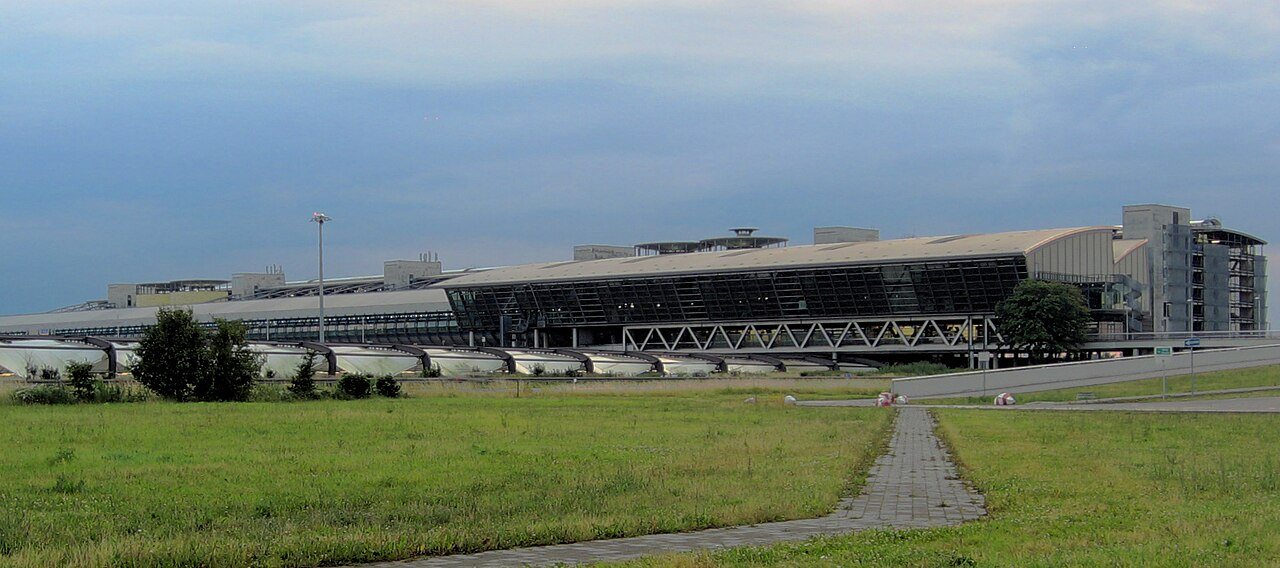
Check-in area at Leipzig-Halle Airport
Glashütte Original watch manufacture
VNG headquarters in Leipzig
Porsche Diamond building
Aerial view of the BMW plant in Leipzig
160 years of railway carriage building in Bautzen
Winter view of the Frauenkirche in Dresden under a blue sky
12 images

During the 19th century Saxony became one of the most densely industrialised regions in Europe, with major textile, engineering and manufacturing industries. Today its economy centres on manufacturing, particularly the automotive, microelectronics and mechanical engineering sectors. The state is known for its historic towns, including Dresden's Baroque cityscape and art collections, Leipzig's musical traditions and the mining heritage of the Ore Mountains. It also hosts several universities and research institutes.

In 150 languages

EnglishČeštinaDeutschEspañolFrançaisItaliano日本語PolskiPortuguêsРусскийУкраїнська中文AfrikaansShqipአማርኛOld EnglishAragoneseالعربيةEgyptian ArabicAsturianuAymaraAzbAzərbaycanBalineseBavarianБашҡортБеларускаяБългарскиবাংলাBrezhonegBosanskiБуряадCatalàCdoCebuanoНохчийнکوردیی ناوەندیCorsicanCrimean TatarЧӑваш чӗлхиCymraegDagDanskZazaDolnoserbšćinaΕλληνικάEmlEsperantoEestiEuskaraفارسیSuomiNorthern FrisianFryskGaeilgeGàidhligGalegoGuaraniGaelgHakka Chineseעבריתहिन्दीHrvatskiHornjoserbšćinaMagyarՀայերենInterlinguaBahasa IndonesiaInterlingueIdoÍslenskaJawaKara-KalpakქართულიKongoҚазақша한국어KölschکٲشُرKurdî (kurmancî)KernewekКыргызчаLadinoLatinLëtzebuergeschLigureLimburgishLldLombardLietuviųLatviešuMokshaMalagasyМакедонскиമലയാളംМонголमराठीMelayuمازرونیNeapolitanNeddersass’sch (Nedderlannen)Neddersass’schNederlandsNorsk nynorskNovialNorskOccitanИронPampangaPapiamentoਪੰਜਾਬੀPalatine GermanPiemontèisWestern PanjabiپښتوRunasimiRumantschRomânăScotsSarduسنڌيDavvisámegiellaSrpski (latinica)SlovenčinaSlovenščinaShqipСрпскиSaterland FrisianSvenskaKiswahiliŚlōnskiதமிழ்ТоҷикӣไทยFilipinoTalyshTürkçeТатарاردوO‘zbekVenetoTiếng ViệtWest FlemishVolapükWarayWu ChineseייִדישÈdè YorùbáZeelandiczh-yue

Редакція Factograf · Published October 14, 2026 · Partly based on Wikipedia, CC BY-SA 4.0 · Source article