
Samuel of Kalamoun was a 6th and 7th-century Egyptian monk and Coptic Orthodox saint. Known as a confessor, he is remembered for his steadfastness in his faith during periods of intense religious and political pressure. He famously resisted the Chalcedonian doctrines promoted by Byzantine officials, which led to his severe physical punishment and eventual expulsion from the Scetis desert. Later in life, he founded a monastery in Mount Qalamoun, where he lived for many years following a period of captivity.
Life and trials
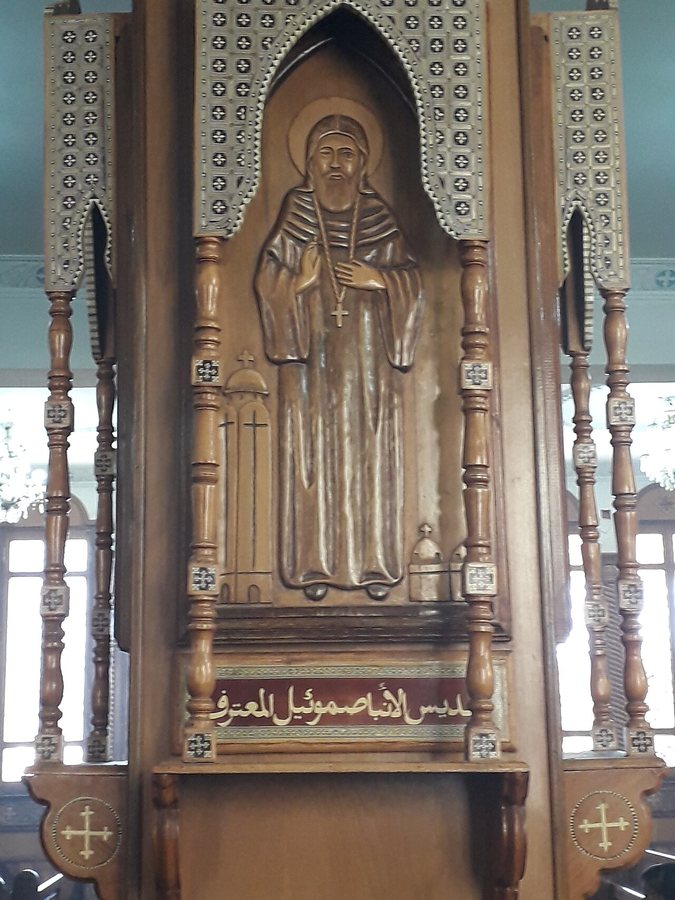
After training under the ascetic Agathon, Samuel lived in the Scetis desert. His refusal to accept imperial religious decrees resulted in him being beaten and losing an eye. Following further persecution by Cyrus of Alexandria, he moved to Mount Qalamoun. During his travels, he was captured by Berber groups and held as a slave for three years, during which he resisted attempts to convert him to sun worship.
Legacy and veneration
Samuel is honored within all Oriental Orthodox Churches. He is credited with establishing the monastery at Mount Qalamoun, which continues to exist. His life and spiritual struggles are preserved in various Coptic and Ethiopic manuscripts, including the Apocalypse of Samuel of Kalamoun, which is attributed to him.